
Stress fractures are small cracks in the bones that often develop due to repetitive force, overuse, or sudden increases in physical activity. While these injuries are common among athletes and runners, they can also affect individuals with weakened bones or those who engage in repetitive movements during daily activities. Seeking the Best Stress Fracture Treatment in Gurugram is essential for early diagnosis, effective treatment, and complete recovery.
At Dr. Guruditta Khurana’s clinic, patients receive comprehensive care for stress fractures, helping them return to their normal activities safely and confidently. Understanding the symptoms of stress fractures can help you seek timely medical attention and prevent further complications.
Join our online community! Follow us on: https://www.youtube.com/@RoboticOrthodoc_Guruditta
Understanding Stress Fractures
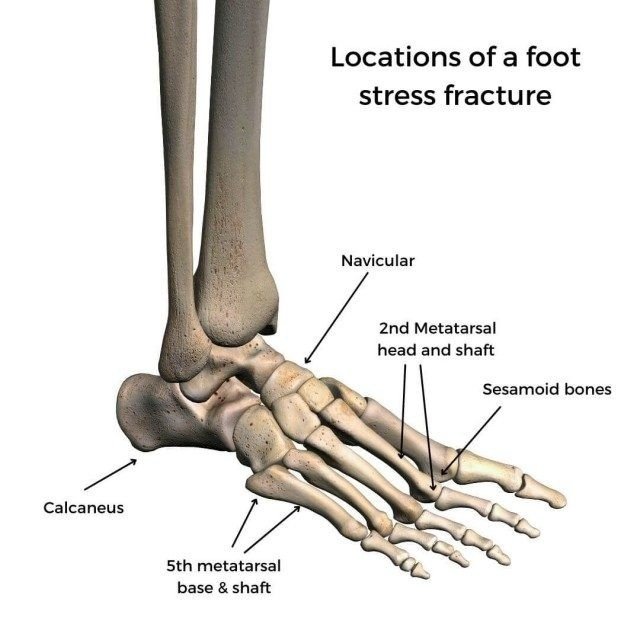
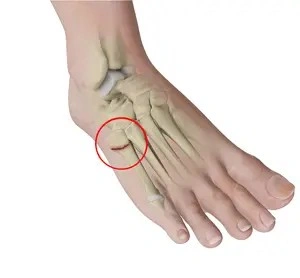
A stress fracture is a tiny crack in a bone caused by repeated stress rather than a sudden injury. These fractures commonly occur in weight-bearing bones such as the feet, ankles, shins, and hips. Without proper treatment, a stress fracture can worsen and lead to a complete bone break.
Choosing the Best Stress Fracture Treatment in Gurugram ensures accurate diagnosis and personalized care tailored to the severity of the injury.

Common Symptoms of Stress Fractures
Recognizing the symptoms early can significantly improve recovery outcomes. Below are some of the most common signs treated through professional stress fracture care.
Persistent Pain During Activity
One of the earliest symptoms of a stress fracture is localized pain that develops during physical activity. Initially, the discomfort may disappear with rest. However, as the condition progresses, the pain may become more frequent and intense.
Patients seeking the Best Stress Fracture Treatment in Gurugram often report pain that worsens while walking, running, or exercising and improves when activity is reduced.
Tenderness at a Specific Location
Stress fractures typically cause tenderness in a precise area of the affected bone. When pressure is applied to the region, patients may experience sharp discomfort or sensitivity.
This symptom helps orthopedic specialists identify the exact location of the injury and recommend appropriate treatment options.
Swelling Around the Affected Area
Mild to moderate swelling is another common symptom associated with stress fractures. The swelling usually develops around the injured bone and may become more noticeable after physical activity.
Early evaluation and treatment can help reduce inflammation and prevent the condition from worsening.
Pain That Gradually Increases
Unlike sudden injuries, stress fractures develop over time. The pain often starts mildly and gradually becomes more severe if the underlying issue is not addressed.
Many patients delay treatment because they assume the discomfort is simply muscle soreness. However, persistent pain should never be ignored and may require the Best Stress Fracture Treatment in Gurugram for proper management.
Discomfort Even During Rest
As the fracture progresses, pain may no longer be limited to physical activity. Some individuals experience discomfort while resting, sitting, or even sleeping.
This symptom often indicates that the stress fracture has become more advanced and requires immediate medical attention.
Reduced Physical Performance
Athletes and active individuals frequently notice a decline in their performance before a stress fracture is diagnosed. Running speed, endurance, and overall physical capability may decrease due to ongoing pain and discomfort.
Seeking professional treatment can help restore mobility and support a safe return to sports and exercise.
Difficulty Walking
Stress fractures affecting the foot, ankle, or lower leg can make walking painful. Patients may develop a limp or alter their walking pattern to avoid putting pressure on the injured area.
Proper diagnosis and rehabilitation are essential to prevent long-term complications and maintain healthy movement patterns.
Bruising in Some Cases
Although not always present, mild bruising may occur around the affected area. This symptom is more likely when the stress fracture is accompanied by soft tissue irritation or inflammation.
An orthopedic specialist can assess the injury and determine the most effective treatment approach.
Risk Factors That Increase the Chances of Stress Fractures
Several factors can increase the likelihood of developing a stress fracture, including:
- Sudden increase in physical activity
- Running on hard surfaces
- Inadequate footwear
- Poor nutrition
- Vitamin D deficiency
- Osteoporosis and weakened bones
- Repetitive sports activities
- Improper training techniques
Individuals with these risk factors should pay close attention to any persistent bone pain and seek medical evaluation when needed.
How Stress Fractures Are Diagnosed
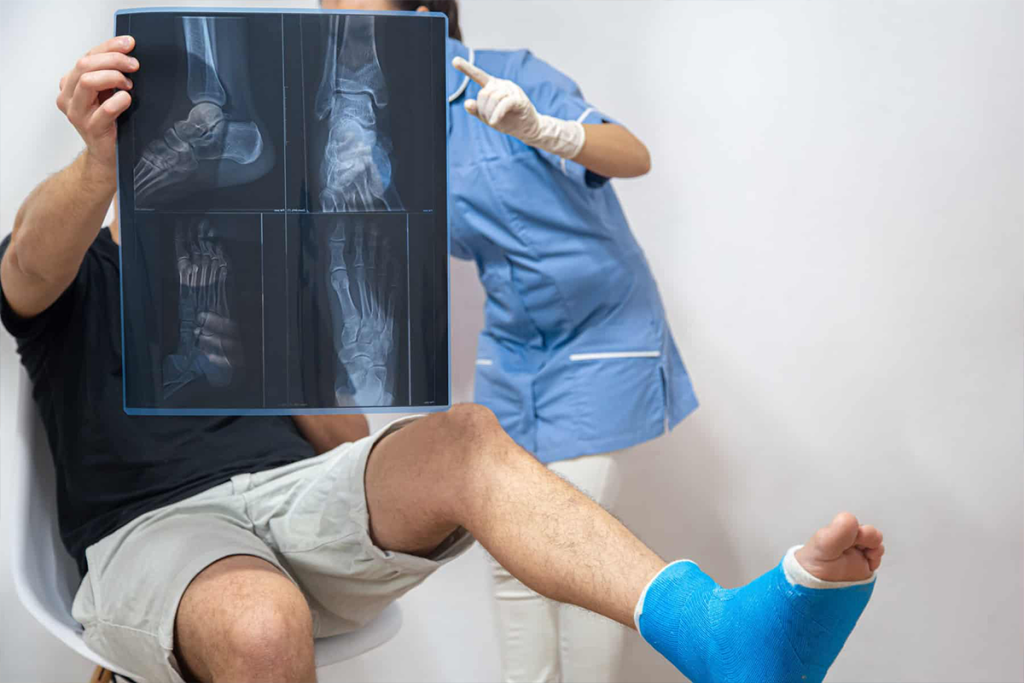
Accurate diagnosis is a critical part of the Best Stress Fracture Treatment in Gurugram. During evaluation, the orthopedic specialist reviews the patient’s medical history, symptoms, and physical activity levels.
Diagnostic tools may include:
- Physical examination
- X-rays
- MRI scans
- Bone scans
- CT scans in selected cases
Advanced imaging techniques help identify fractures that may not be visible during the early stages.
Treatment Approaches for Stress Fractures
The goal of treatment is to relieve pain, promote bone healing, and prevent recurrence. Depending on the severity of the injury, treatment may include:
Activity Modification
Reducing or temporarily stopping activities that place stress on the affected bone allows proper healing.
Immobilization
In some cases, braces, walking boots, or casts may be recommended to protect the injured area.
Pain Management
Appropriate pain management strategies help improve comfort during recovery while supporting the healing process.
Physical Therapy
Rehabilitation exercises improve strength, flexibility, and balance, reducing the risk of future injuries.
Nutritional Support
A balanced diet rich in calcium, vitamin D, and other essential nutrients supports bone health and recovery.
Patients who receive the Best Stress Fracture Treatment in Gurugram benefit from a personalized treatment plan designed to address their specific needs and lifestyle.
Why Early Treatment Matters
Ignoring the symptoms of a stress fracture can lead to more serious complications. Continued stress on the affected bone may cause the fracture to enlarge, resulting in prolonged recovery times and increased risk of complete fractures.
Early intervention allows patients to recover faster, avoid unnecessary discomfort, and safely resume their normal activities.
Conclusion
Stress fractures often begin with mild symptoms but can quickly progress if left untreated. Persistent pain during activity, localized tenderness, swelling, difficulty walking, and reduced physical performance are some of the most common warning signs. Recognizing these symptoms and seeking the Best Stress Fracture Treatment in Gurugram can make a significant difference in recovery outcomes.
Dr. Guruditta Khurana provides comprehensive orthopedic care focused on accurate diagnosis, effective treatment, and long-term bone health. If you are experiencing persistent bone pain or suspect a stress fracture, timely medical evaluation can help you return to an active and pain-free lifestyle.