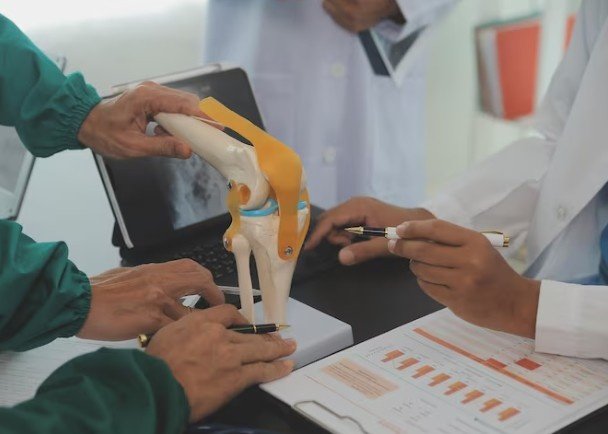
When you experience persistent joint pain, a sports injury, or difficulty walking, getting the correct diagnosis is the first and most important step toward recovery. The Best Orthopaedic Surgeon in Gurugram understands that successful treatment begins with identifying the exact cause of the problem rather than simply managing symptoms. Modern diagnostic techniques have transformed orthopaedic care by allowing specialists to detect injuries earlier, plan personalized treatments, and improve long-term outcomes.
Join our online community! Follow us on: https://www.youtube.com/@RoboticOrthodoc_Guruditta
At Dr. Guruditta Khurana’s clinic, advanced diagnostic tools are combined with years of orthopaedic expertise to create accurate treatment plans. Whether you are dealing with arthritis, fractures, ligament injuries, spine conditions, or sports-related problems, modern imaging and clinical evaluation help ensure that every patient receives the most suitable treatment.
Why Accurate Diagnosis Matters in Orthopaedic Care
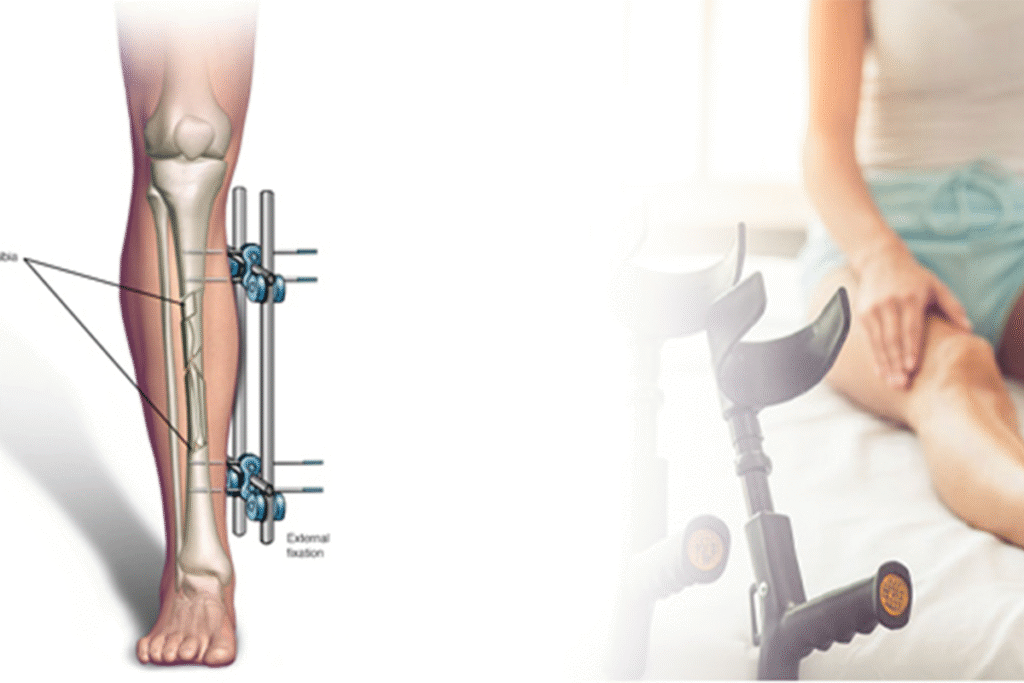
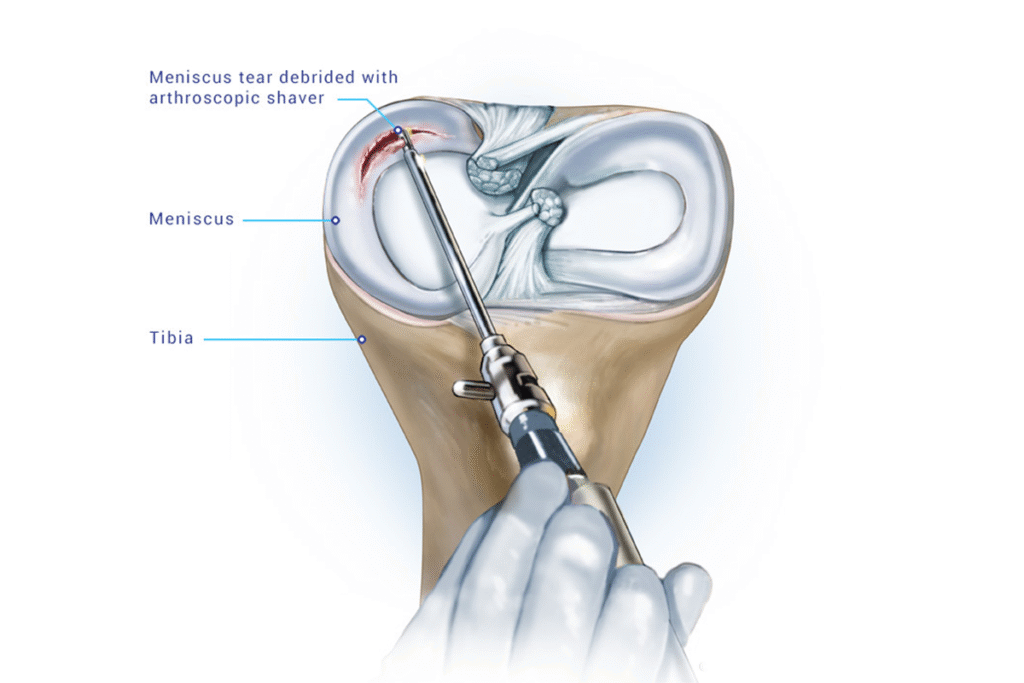
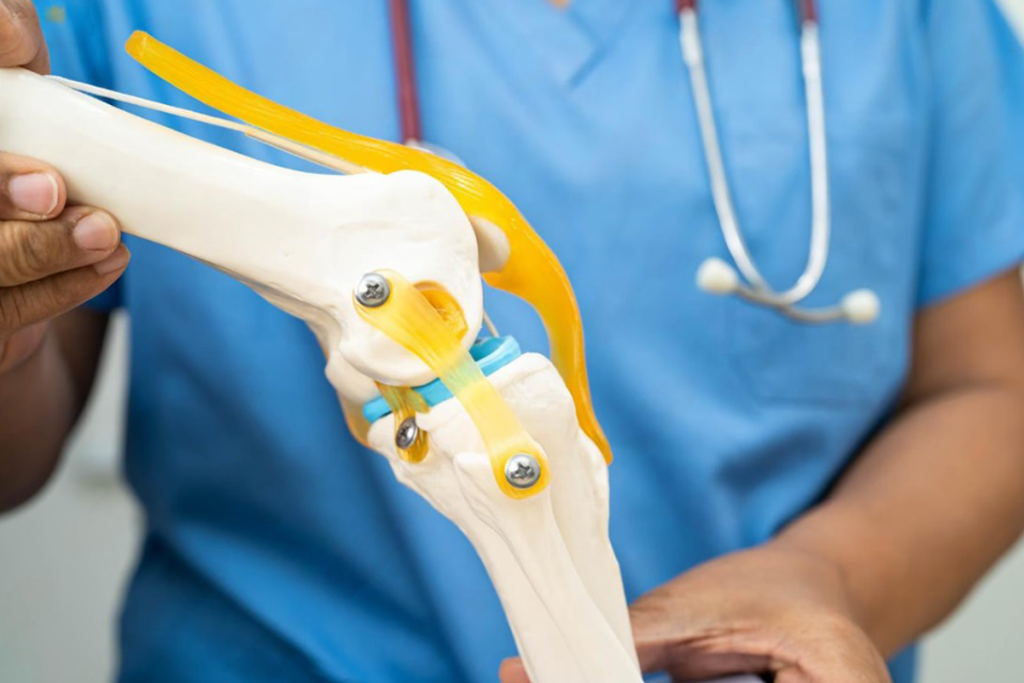
Orthopaedic conditions often present similar symptoms. For example, knee pain may result from ligament damage, cartilage wear, arthritis, or a meniscus tear. Likewise, shoulder pain could be caused by rotator cuff injuries, frozen shoulder, or arthritis.
Without an accurate diagnosis, treatment may be delayed or ineffective.
The Best Orthopaedic Surgeon in Gurugram uses a structured diagnostic approach to determine:
- The exact source of pain
- The severity of the injury
- Whether surgery is necessary
- The best rehabilitation plan
- The expected recovery timeline
As a result, patients receive treatments that target the root cause instead of temporary symptom relief.
How Modern Diagnostic Techniques Improve Orthopaedic Treatment
Medical technology has significantly improved the accuracy of diagnosing musculoskeletal disorders.
Some of the most valuable diagnostic methods include:
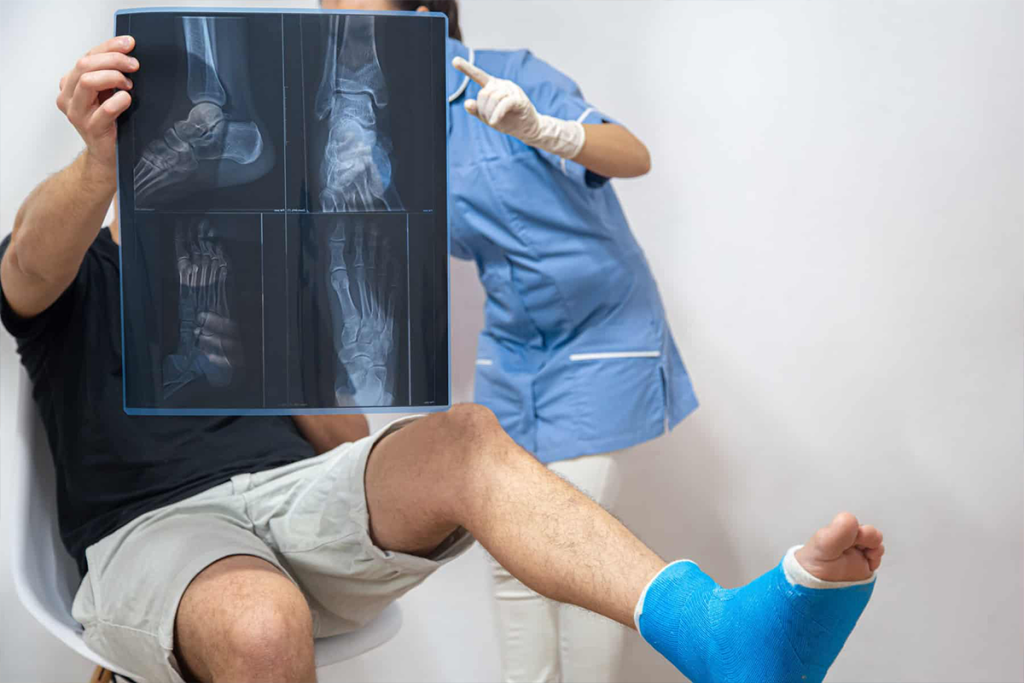
Digital X-Rays
Digital X-rays provide clear images of bones and joints within minutes.
They help diagnose:
- Bone fractures
- Joint degeneration
- Bone deformities
- Arthritis
- Alignment issues
Compared to conventional imaging, digital X-rays offer faster results and improved image quality while exposing patients to lower radiation.
MRI Scans for Soft Tissue Injuries
Magnetic Resonance Imaging (MRI) is essential for diagnosing injuries that cannot be seen on X-rays.
MRI scans accurately identify:
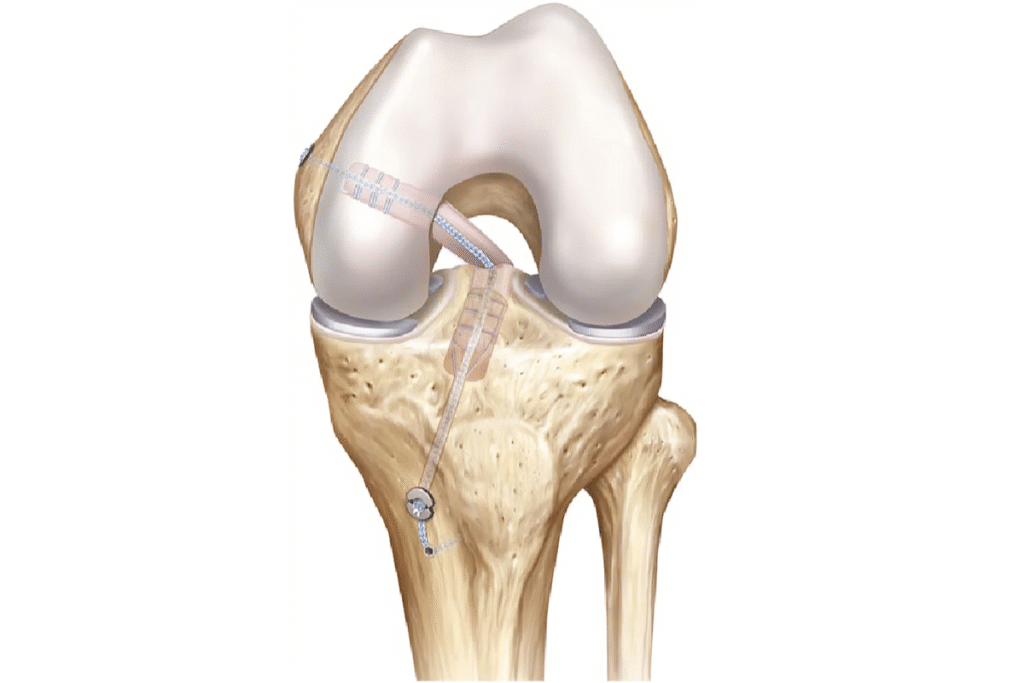
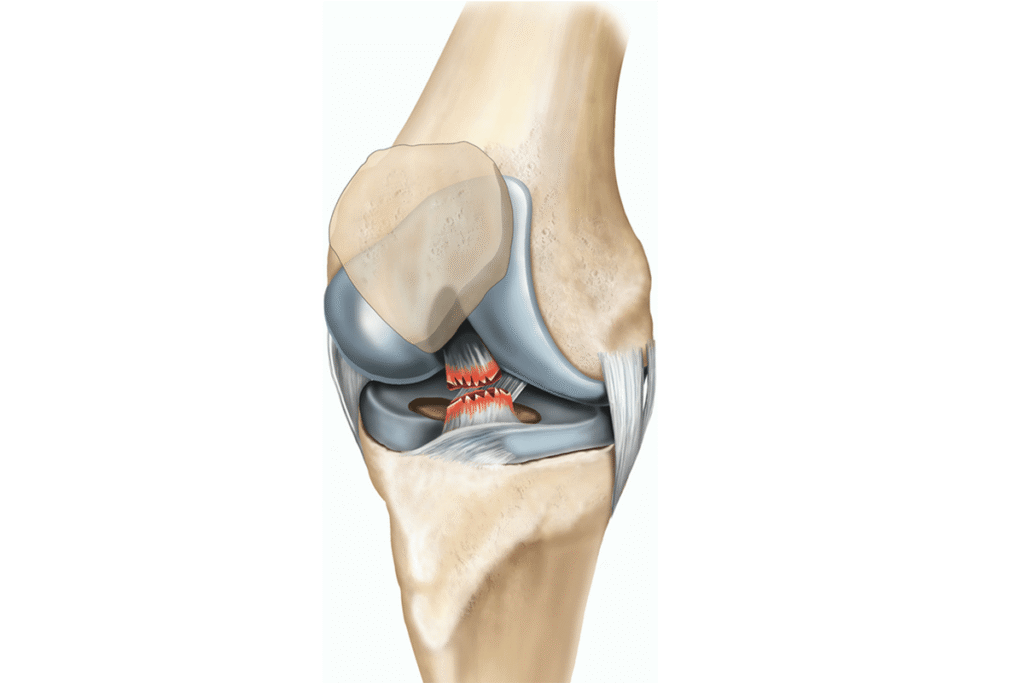
- ACL injuries
- Meniscus tears
- Ligament damage
- Tendon injuries
- Cartilage defects
- Muscle injuries
The Best Orthopaedic Surgeon in Gurugram often recommends MRI scans when patients have persistent pain despite normal X-ray findings.
CT Scans for Complex Bone Injuries
CT scans provide highly detailed three-dimensional images of bones.
They are particularly useful for:
- Complex fractures
- Pelvic injuries
- Spine injuries
- Joint reconstruction planning
- Surgical preparation
These detailed images help surgeons plan procedures with greater precision.
Ultrasound Imaging
Ultrasound has become increasingly valuable in orthopaedics because it allows dynamic evaluation of muscles, tendons, and ligaments.
It is especially useful for diagnosing:
- Tendon tears
- Muscle injuries
- Joint inflammation
- Bursitis
- Soft tissue swelling
Since ultrasound provides real-time imaging, doctors can observe movement while assessing the injury.
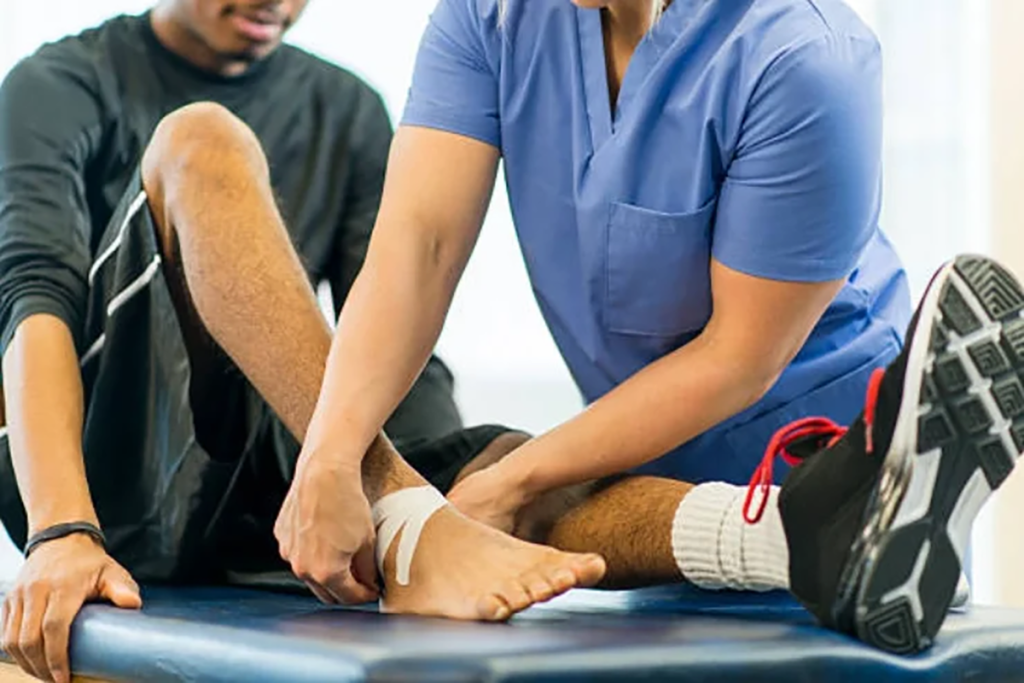
Clinical Examination Still Plays an Important Role
Although technology has advanced significantly, diagnostic equipment alone cannot replace clinical expertise.
An experienced orthopaedic specialist carefully evaluates:
- Medical history
- Previous injuries
- Lifestyle
- Daily activities
- Pain patterns
- Joint movement
- Muscle strength
- Walking pattern
The Best Orthopaedic Surgeon in Gurugram combines physical examination with imaging findings to make well-informed treatment decisions.
Early Diagnosis Leads to Better Treatment Outcomes
Many patients delay consulting an orthopaedic specialist until the pain becomes severe.
Unfortunately, delayed diagnosis can lead to:
- Increased joint damage
- Longer recovery
- More complicated surgery
- Reduced mobility
- Chronic pain
Early diagnosis allows treatment to begin before the condition worsens.
Benefits include:
- Faster recovery
- Reduced complications
- Less invasive treatment
- Better mobility
- Improved quality of life
Personalized Treatment Based on Diagnostic Findings
No two orthopaedic patients have identical conditions.
Modern diagnostics allow treatment plans to be customized according to:
- Patient age
- Activity level
- Severity of injury
- Bone quality
- Existing medical conditions
- Recovery goals
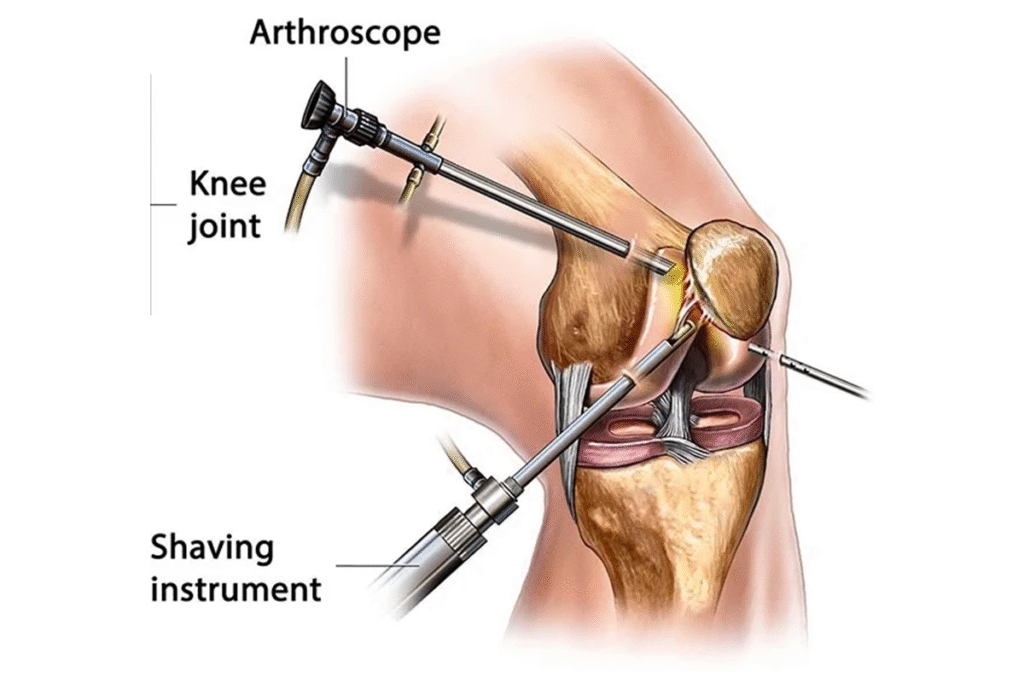
For example, two patients with knee pain may receive completely different treatments depending on diagnostic results.
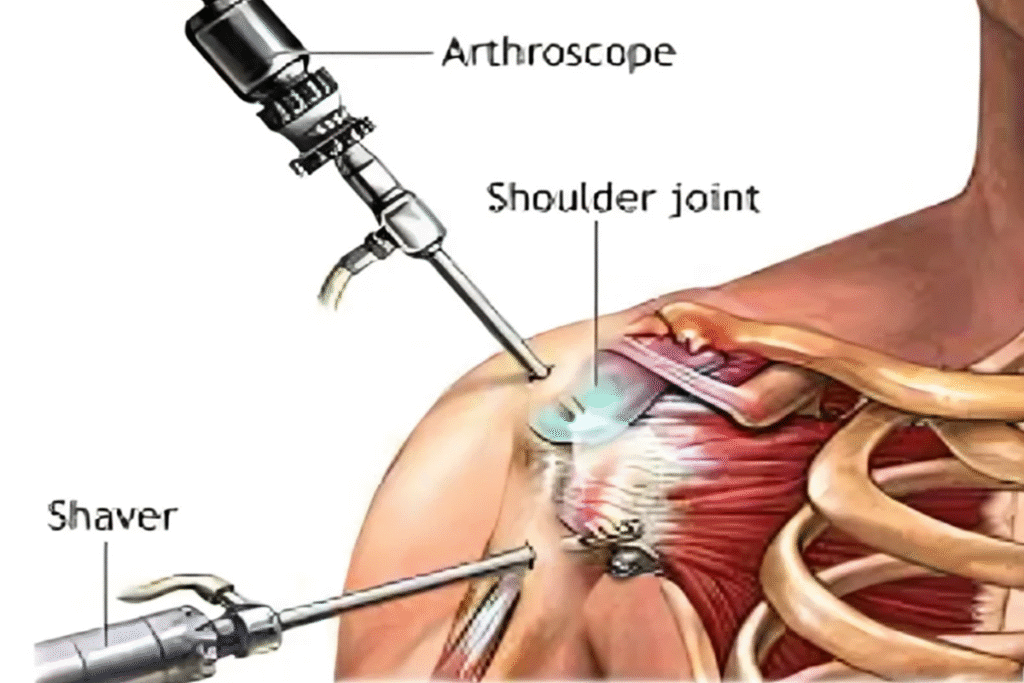
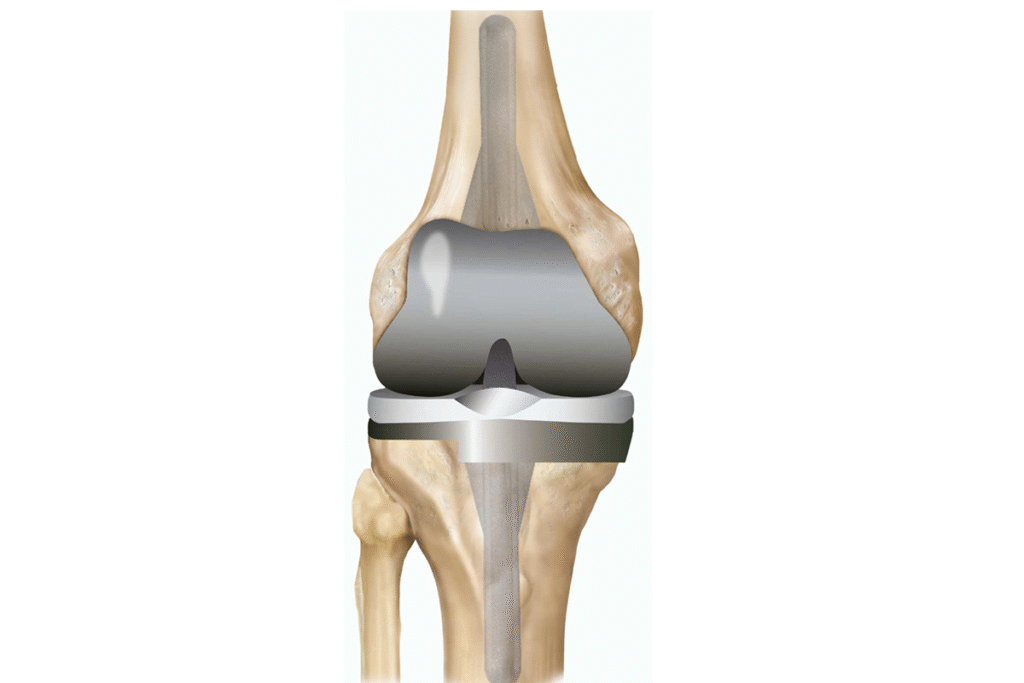
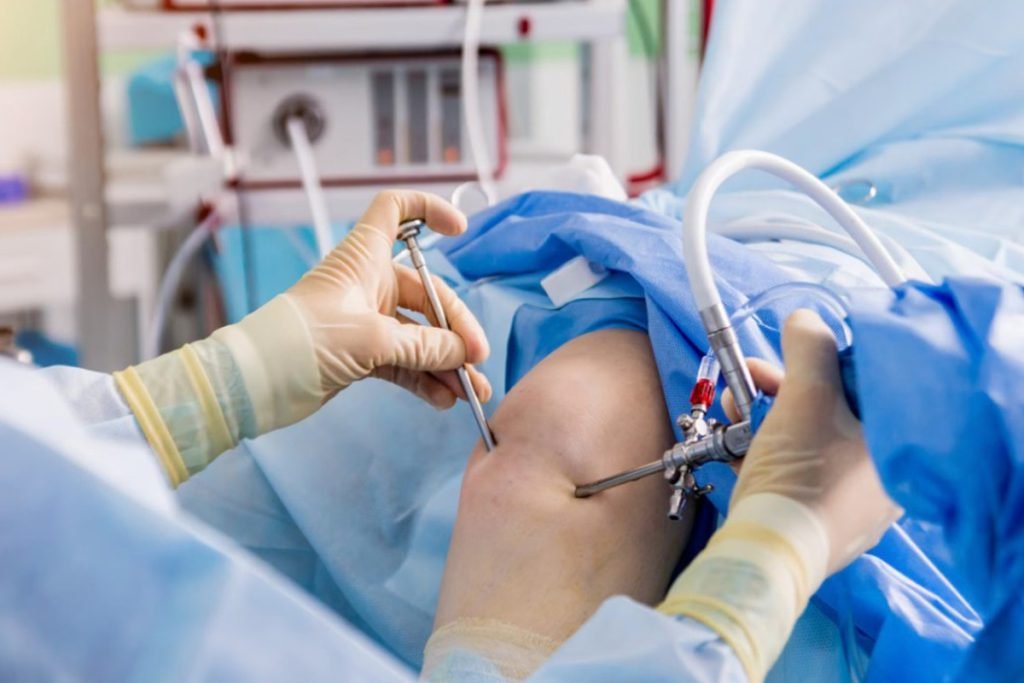
One patient may benefit from physiotherapy, while another may require arthroscopic surgery or joint replacement.
This personalized approach improves treatment success and minimizes unnecessary procedures.
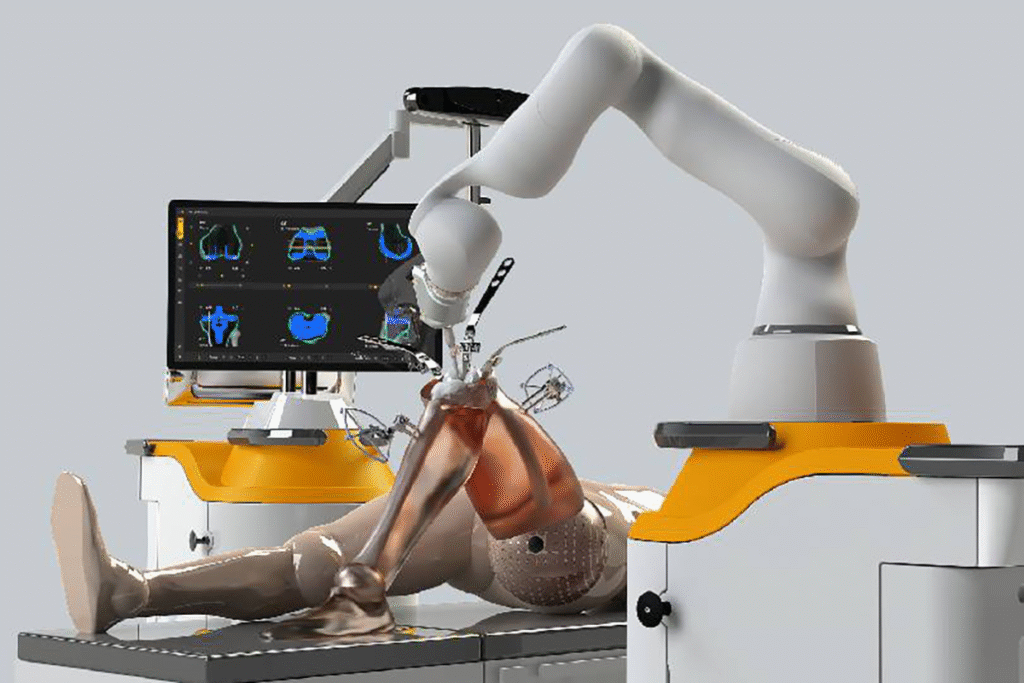
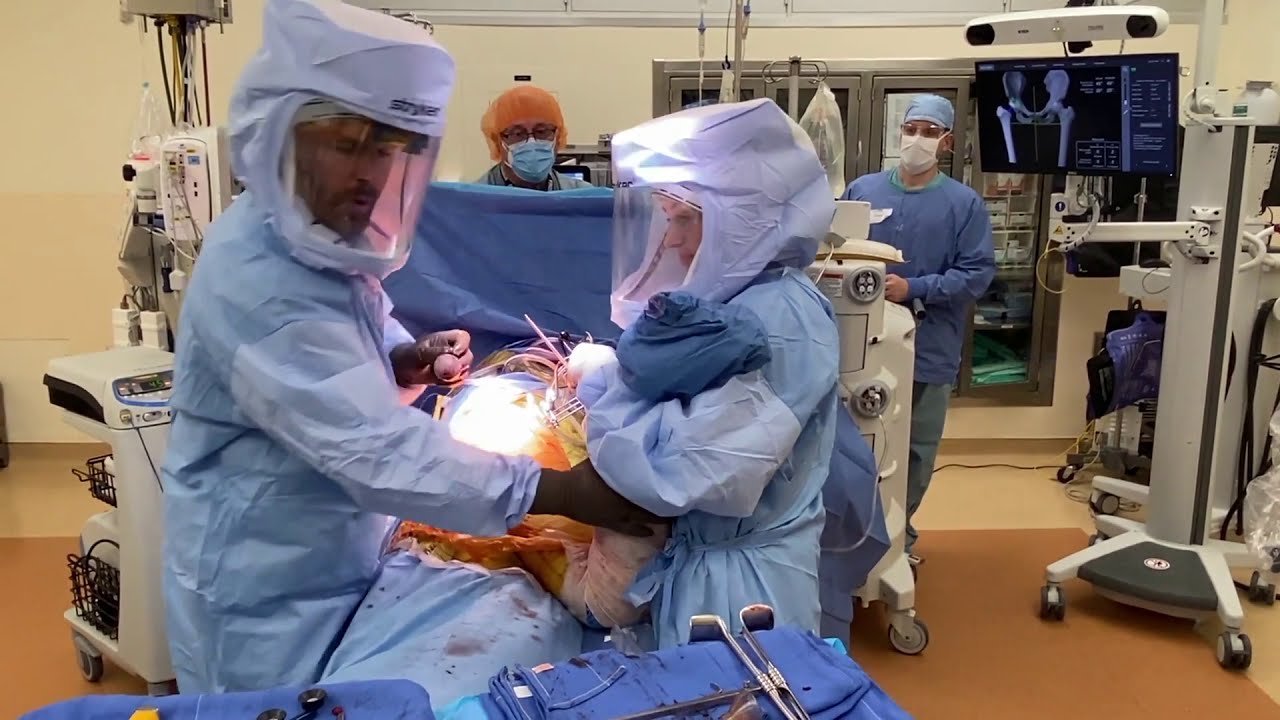
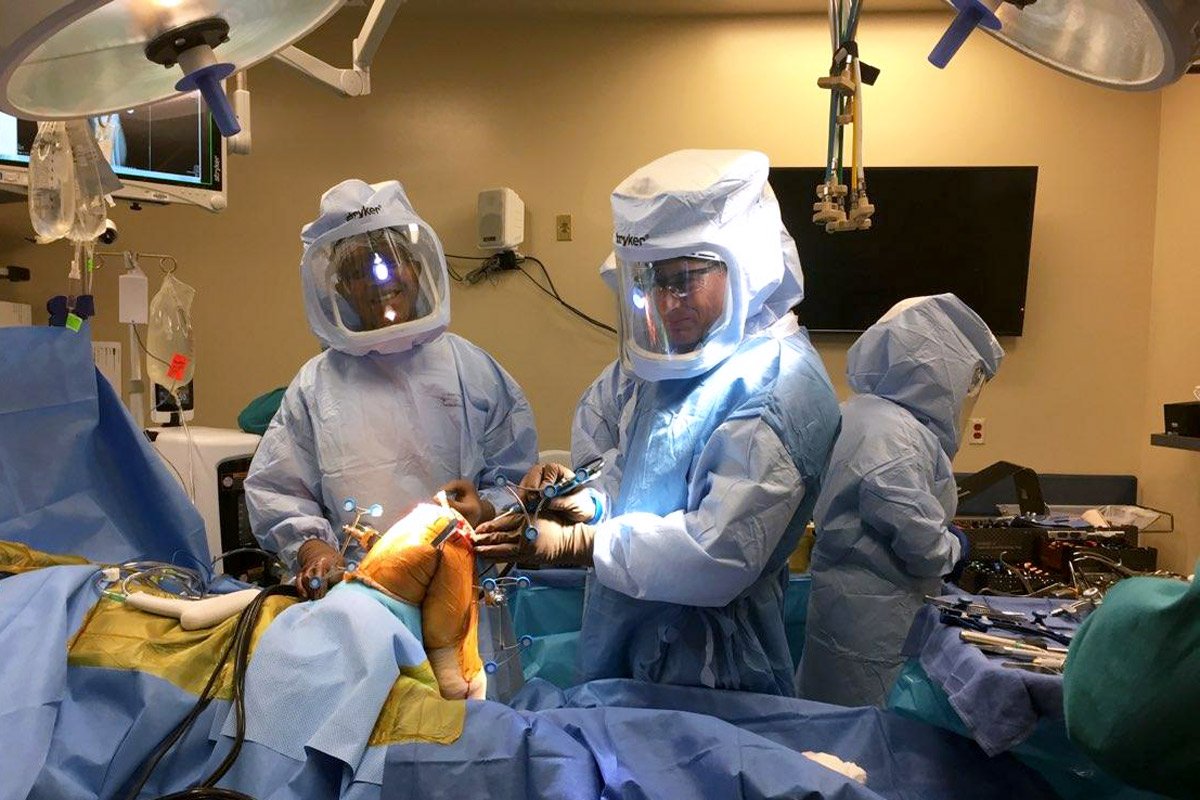
Better Surgical Planning with Advanced Imaging
When surgery becomes necessary, precise imaging significantly improves surgical accuracy.
Advanced diagnostic techniques help surgeons:
- Determine incision locations
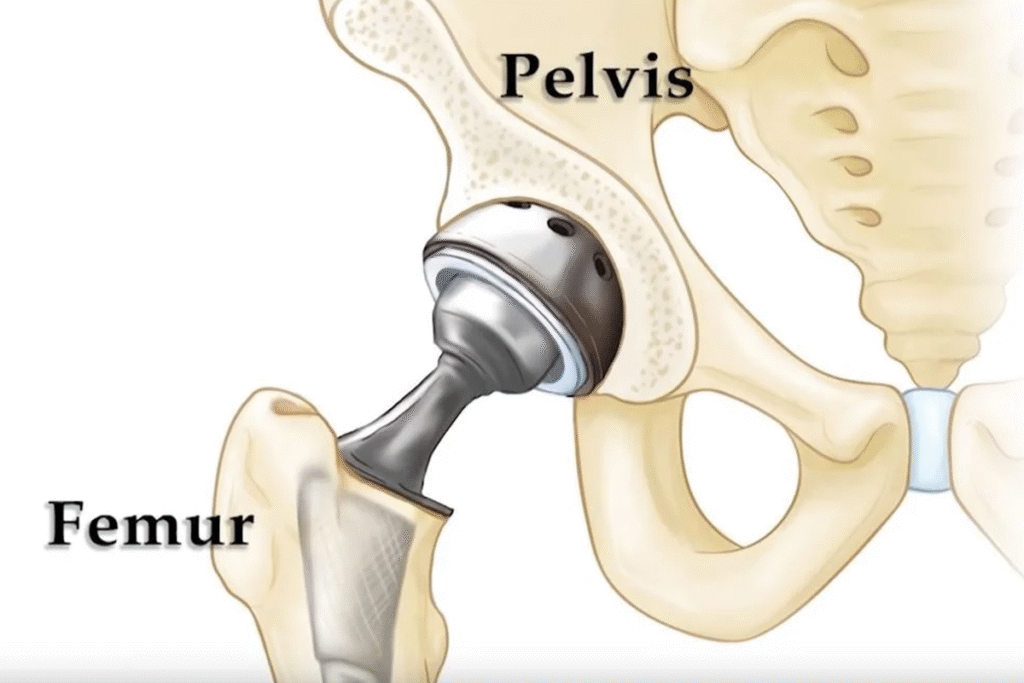
- Select suitable implants
- Evaluate bone quality
- Plan joint alignment
- Reduce surgical risks
The Best Orthopaedic Surgeon in Gurugram uses these diagnostic insights to perform procedures with greater confidence and precision.
Better planning often results in:
- Shorter surgery time
- Reduced blood loss
- Lower complication rates
- Faster healing
Monitoring Recovery Through Modern Diagnostics
Diagnosis does not end after treatment begins.
Modern imaging also helps monitor healing throughout recovery.
Doctors can evaluate:
- Bone healing
- Implant positioning
- Ligament recovery
- Joint stability
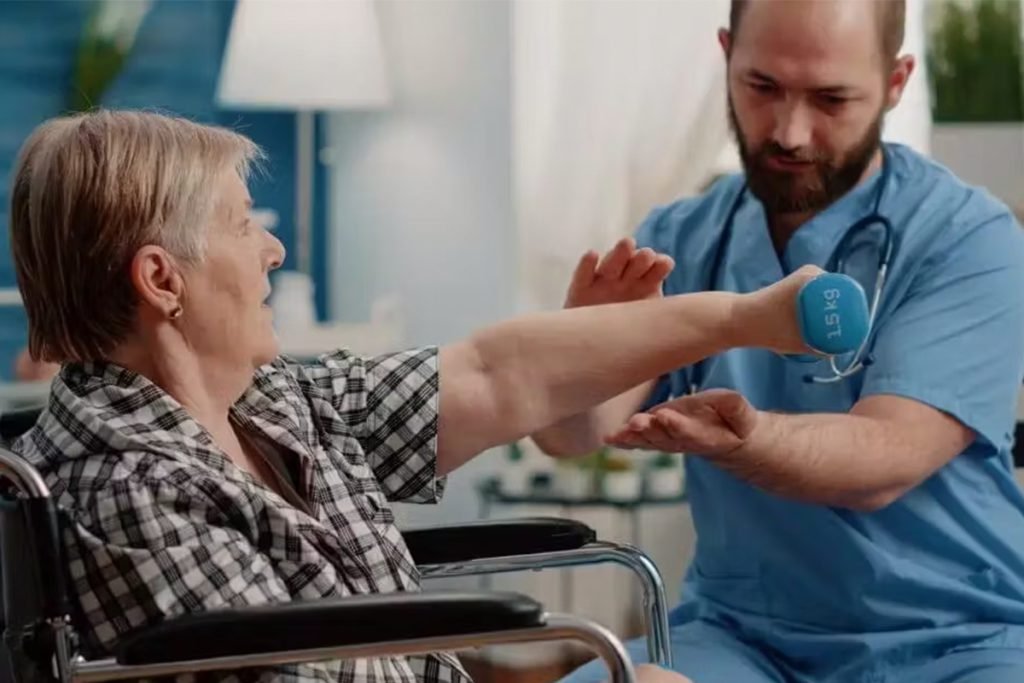
- Progress after physiotherapy
Regular follow-up assessments allow treatment plans to be adjusted whenever necessary, ensuring the best possible outcome.
Technology Supports Minimally Invasive Orthopaedic Care
Modern diagnostics have also made minimally invasive procedures more effective.
By identifying the exact location and severity of injuries, surgeons can perform targeted treatments with minimal disruption to surrounding tissues.
Benefits include:
- Smaller incisions
- Less postoperative pain
- Faster rehabilitation
- Reduced infection risk
- Earlier return to normal activities
Patients often appreciate quicker recovery while maintaining excellent clinical outcomes.
Choosing the Right Orthopaedic Specialist
While advanced technology is important, successful treatment depends equally on the expertise of the specialist interpreting the results.
When selecting an orthopaedic surgeon, consider:
- Experience in treating complex orthopaedic conditions
- Comprehensive diagnostic evaluation
- Personalized treatment planning
- Evidence-based medical practices
- Focus on long-term patient recovery
The combination of advanced diagnostic technology and clinical expertise ensures patients receive the highest standard of orthopaedic care.
Conclusion
Modern diagnostic techniques have transformed orthopaedic care by improving the accuracy of diagnosis, enabling personalized treatment plans, and supporting faster recovery. From digital X-rays and MRI scans to CT imaging and detailed clinical assessments, these technologies help identify the exact cause of musculoskeletal problems and guide effective treatment decisions.
If you are experiencing persistent joint pain, sports injuries, fractures, or mobility issues, consulting the Best Orthopaedic Surgeon in Gurugram at the earliest stage can make a significant difference in your recovery. Dr. Guruditta Khurana combines advanced diagnostic methods with extensive orthopaedic expertise to provide accurate diagnoses, individualized treatment plans, and comprehensive care designed to restore mobility and improve your overall quality of life.