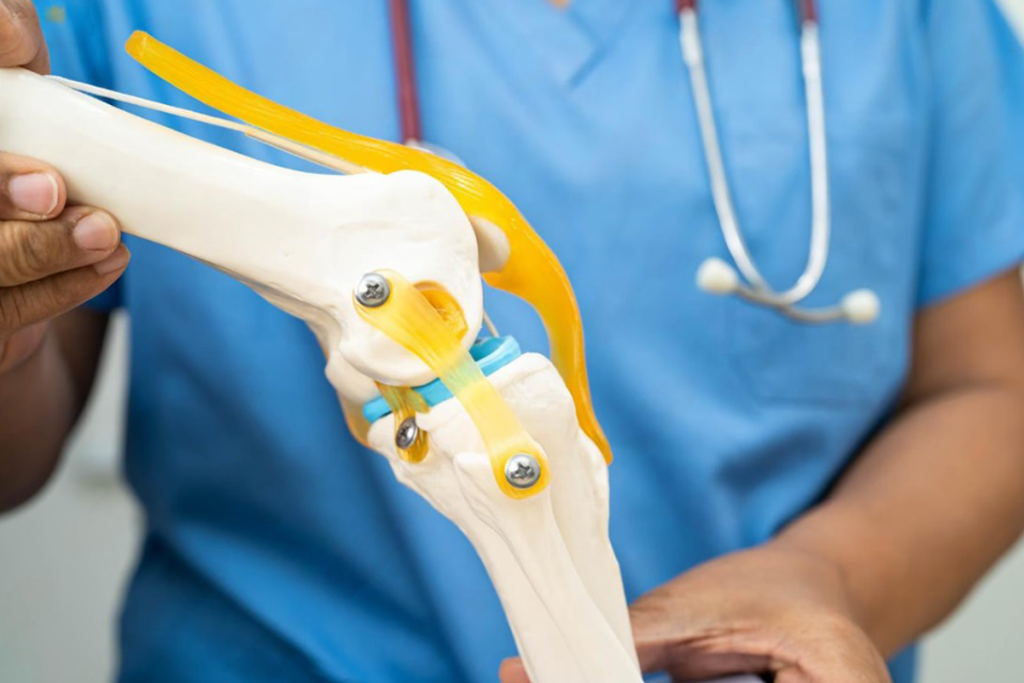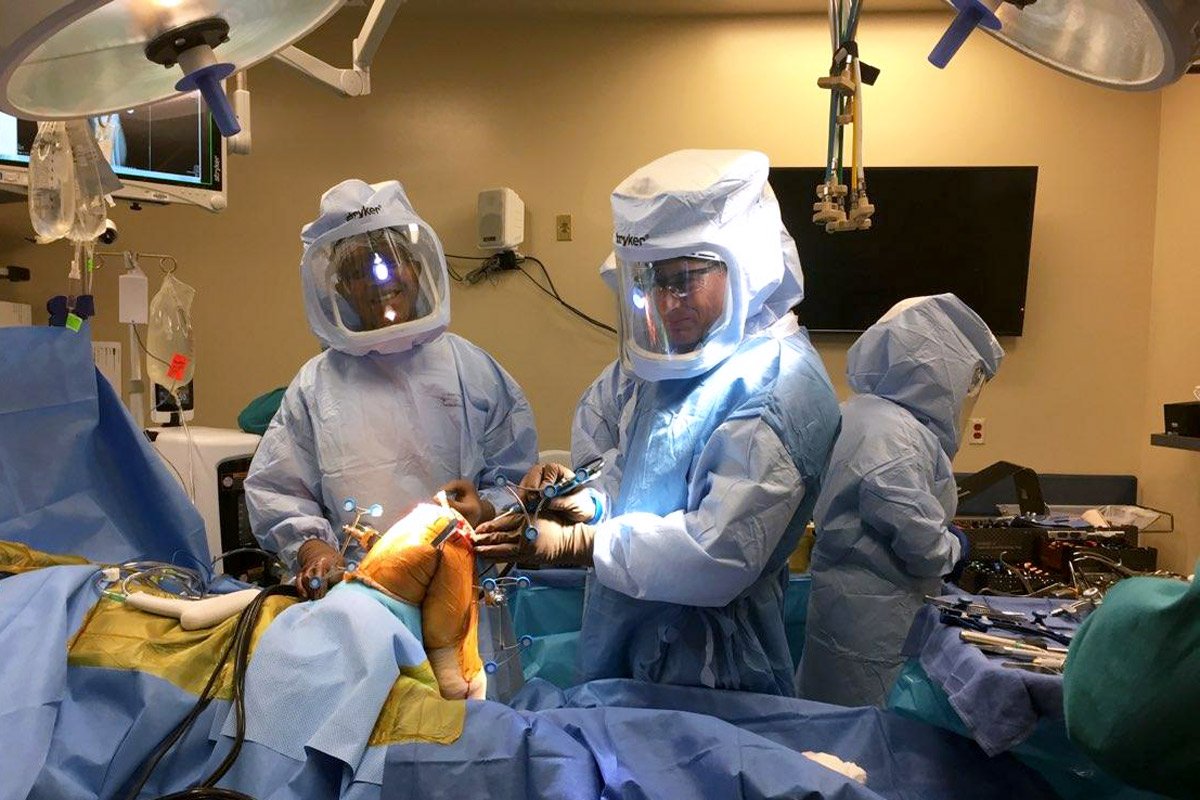
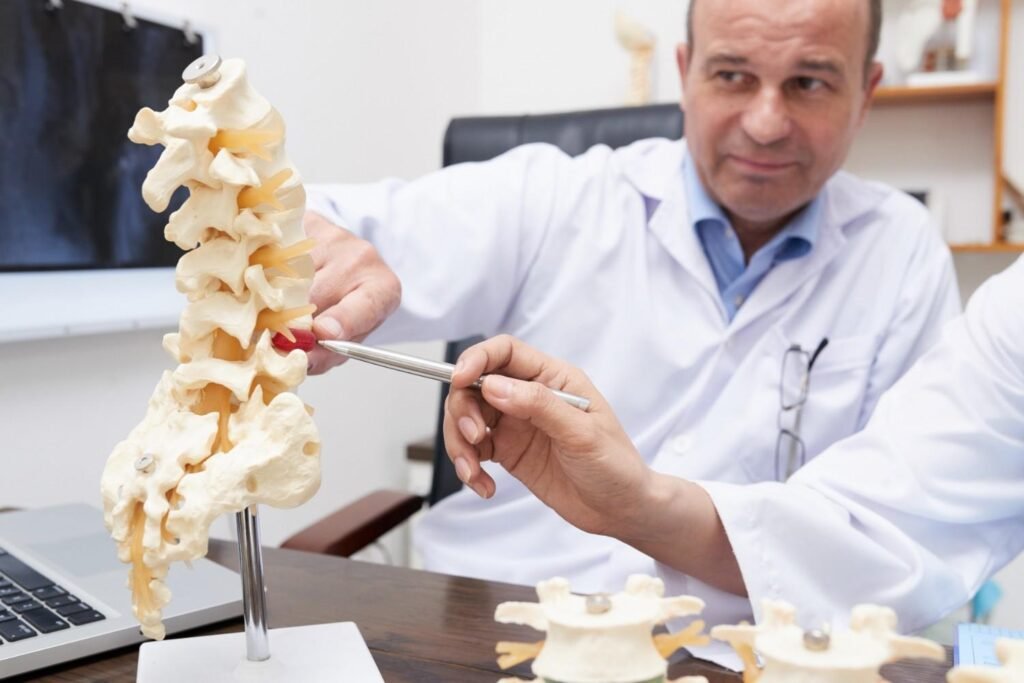
Bone pain can start suddenly after an injury or develop gradually due to arthritis, fractures, osteoporosis, sports injuries, or age-related changes. Finding the exact cause is important because similar symptoms can come from different conditions. The Best Bone Specialist in Gurugram uses a systematic approach to understand the symptoms, examine the affected area, and select appropriate diagnostic tests before recommending treatment.
An accurate diagnosis is the foundation of effective orthopaedic care. Instead of treating pain alone, a specialist looks for the underlying problem and considers factors such as medical history, physical activity, previous injuries, age, and overall health.
Join our online community! Follow us on: https://www.youtube.com/@RoboticOrthodoc_Guruditta
What Does a Bone Specialist Diagnose?
Bone and musculoskeletal problems can affect people of all ages. Some conditions develop after an accident, while others progress slowly over time.
Common problems evaluated by a bone specialist include:
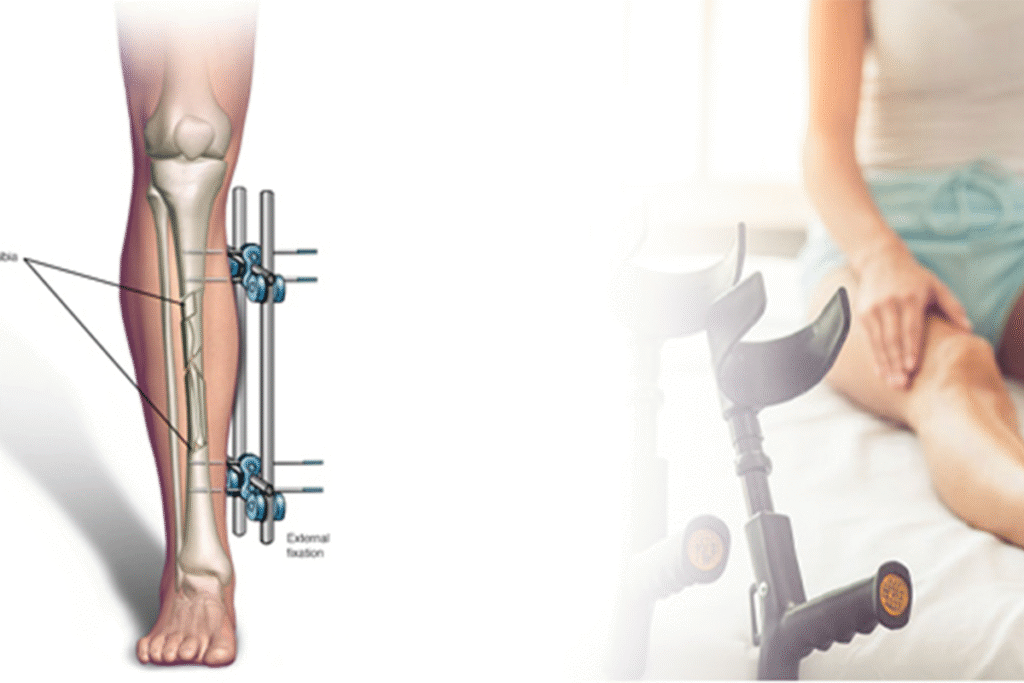
- Bone fractures and trauma
- Osteoarthritis
- Sports-related injuries
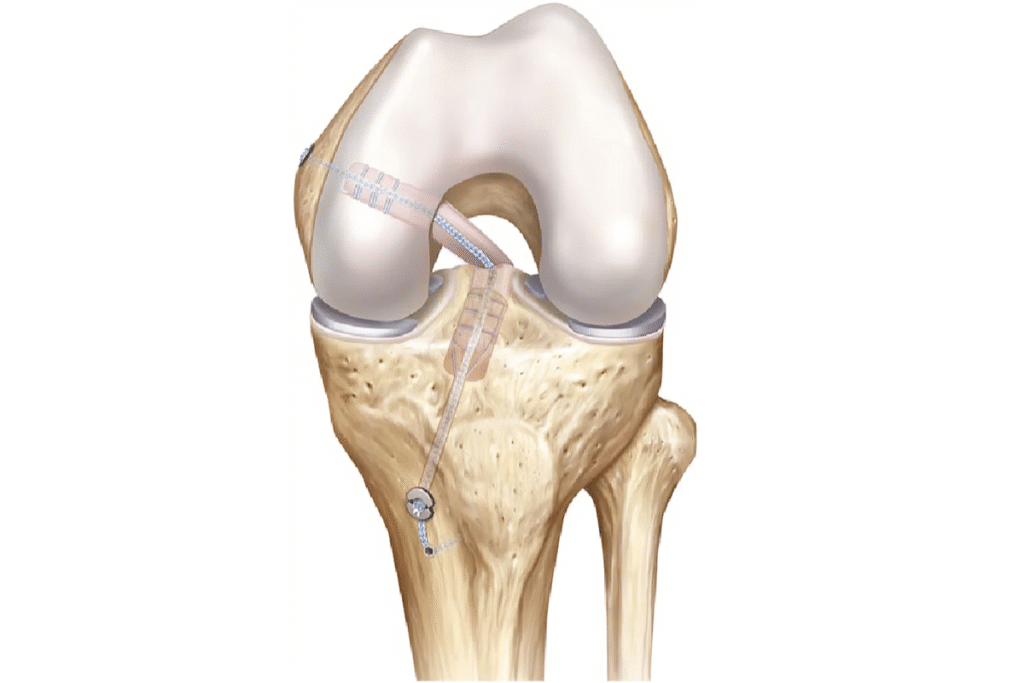
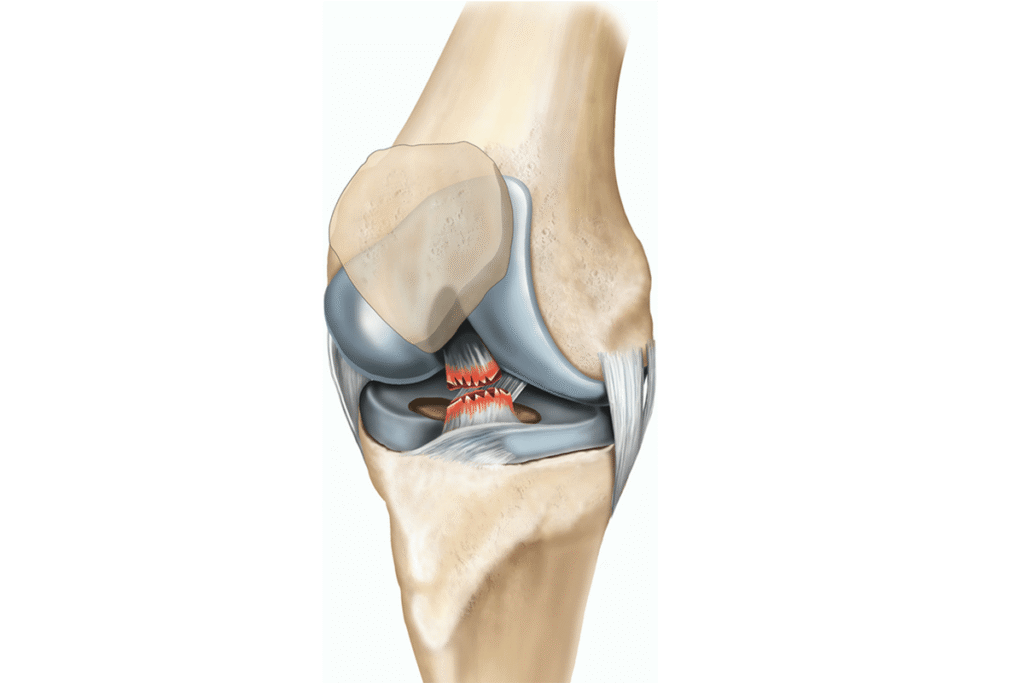
- Ligament and tendon injuries
- Joint degeneration
- Bone and joint inflammation
- Shoulder and knee disorders
- Hip problems
- Mobility-related conditions
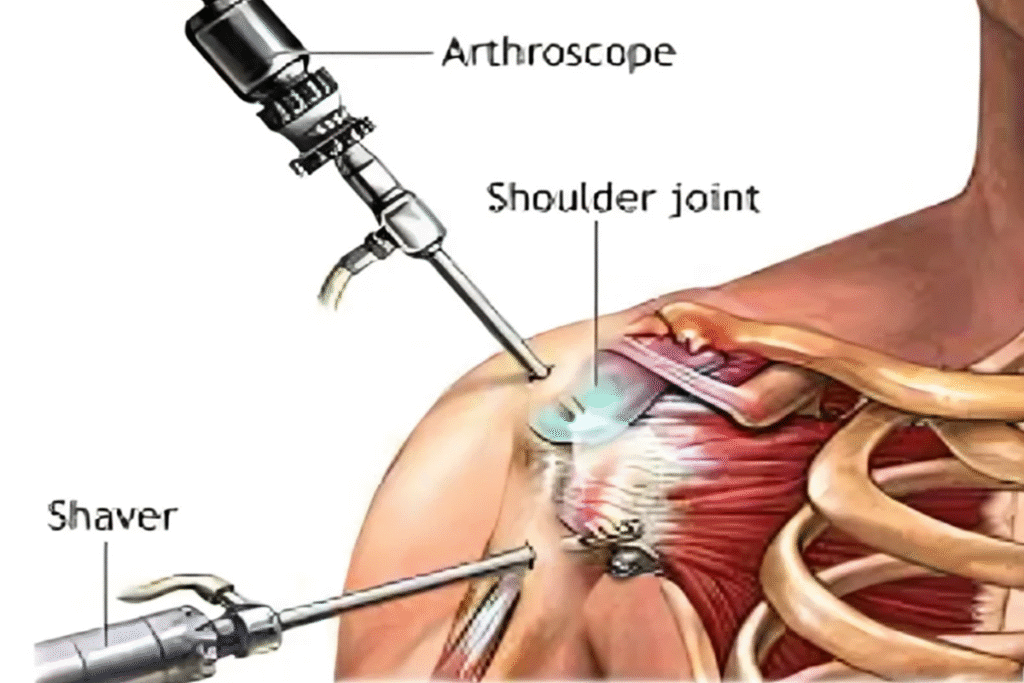
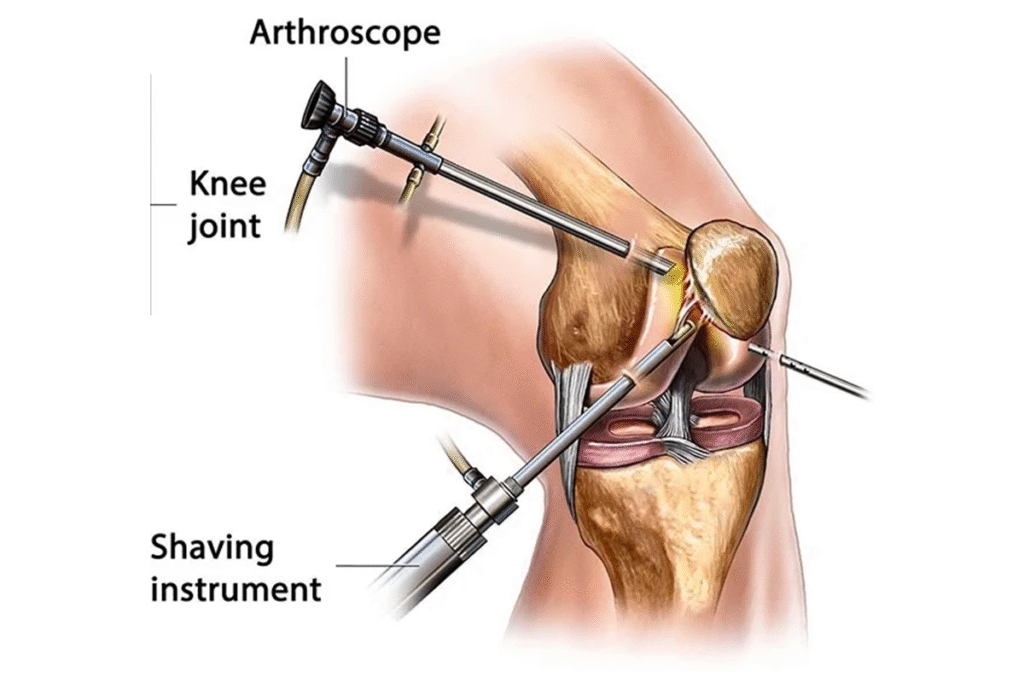
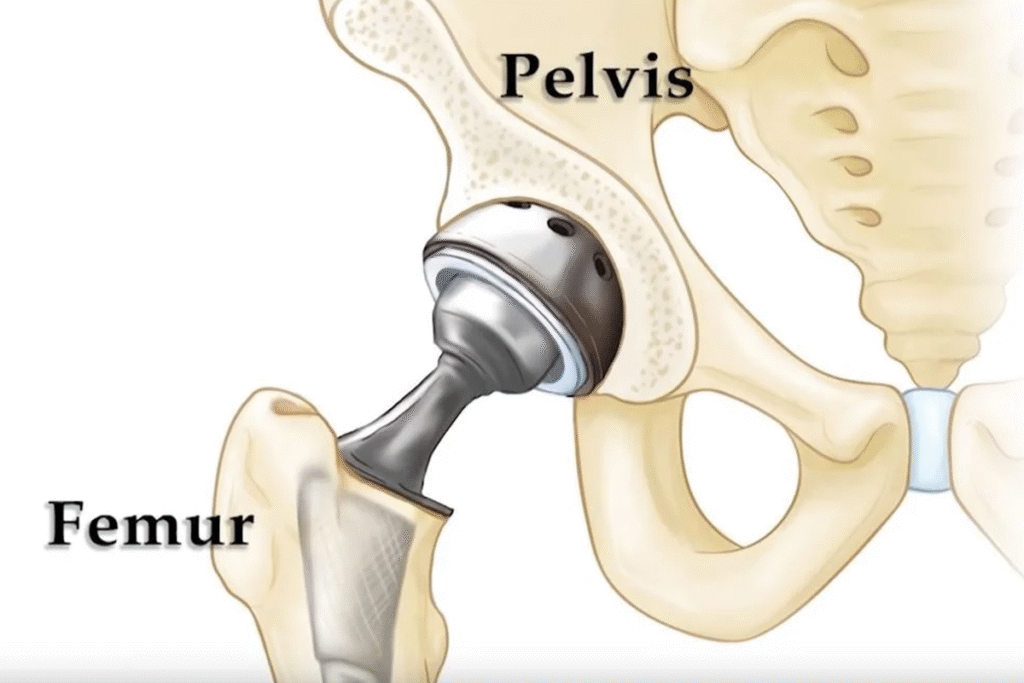
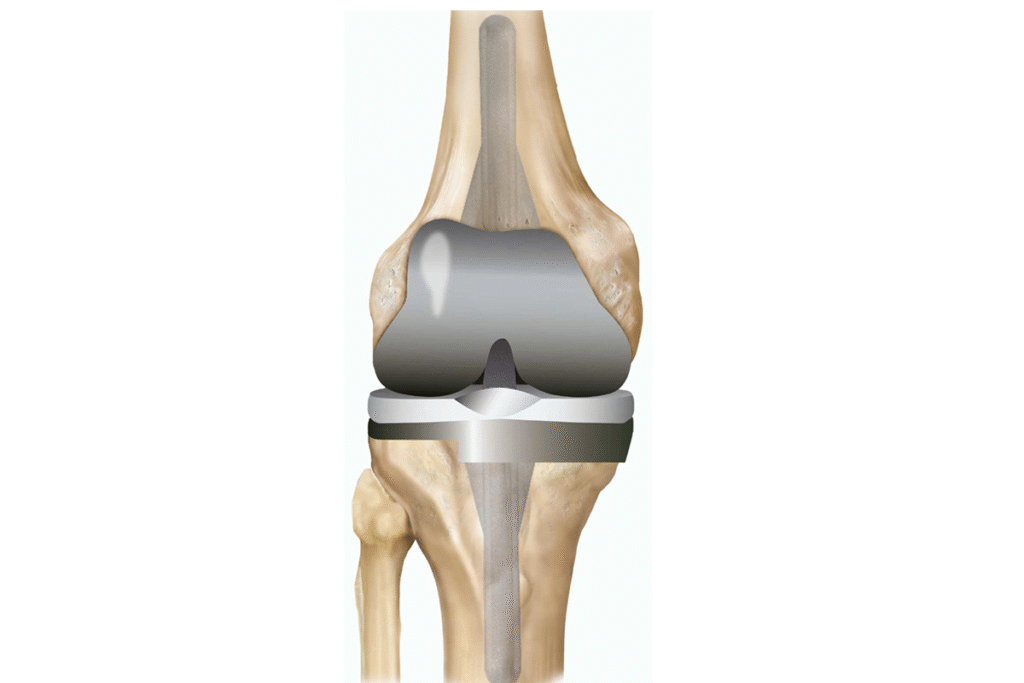
Dr. Guruditta Khurana provides orthopaedic care for fractures, sports injuries, arthritis, ligament conditions, and complex musculoskeletal problems. His clinical expertise also includes arthroscopy and joint replacement procedures.
Step 1: Understanding Your Symptoms and Medical History
The diagnostic process usually begins with a detailed discussion. The doctor asks questions about your symptoms and how they developed.
You may be asked:
- Where exactly do you feel pain?
- When did the pain begin?
- Did an injury or fall cause it?
- Does the pain increase during movement?
- Do you experience swelling or stiffness?
- Have you had a previous fracture or surgery?
- Have you already tried medicines or physiotherapy?
Your medical history can provide important clues. For example, pain after a sports injury may suggest a ligament or bone injury. In contrast, gradually increasing stiffness may be associated with arthritis or other degenerative changes.
Step 2: Physical Examination of the Affected Area
After discussing your symptoms, the Best Bone Specialist in Gurugram performs a physical examination.
The doctor may examine the affected bone or joint for swelling, tenderness, stiffness, instability, deformity, and restricted movement. The specialist may also compare the affected side with the healthy side.
Movement tests can help determine whether the problem is related to the bone, joint, ligament, tendon, or surrounding soft tissue.
This step is important because imaging results should always be interpreted alongside your symptoms and clinical examination.
Step 3: X-Ray for Bone and Joint Problems
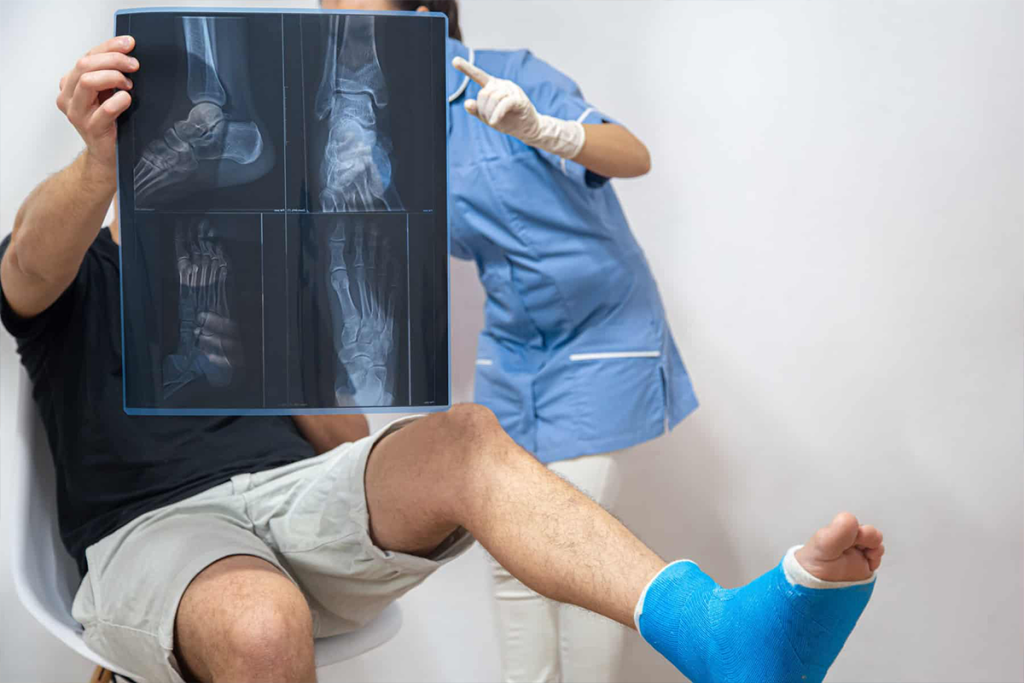
An X-ray is one of the most commonly used imaging tests for bone-related conditions. It can help identify fractures, changes in bone alignment, joint-space narrowing, and certain degenerative changes.
For example, if you have severe pain after a fall, an X-ray may help determine whether a fracture is present.
However, an X-ray may not provide enough information for every condition. Therefore, your doctor may recommend additional imaging when necessary.
Step 4: MRI for Soft Tissue and Detailed Assessment
When a specialist needs a more detailed view of soft tissues or certain internal structures, an MRI may be recommended.
MRI can help evaluate conditions involving ligaments, cartilage, tendons, muscles, and other structures around a joint. It can be particularly useful when symptoms continue despite an initial evaluation or when a more detailed assessment is required.
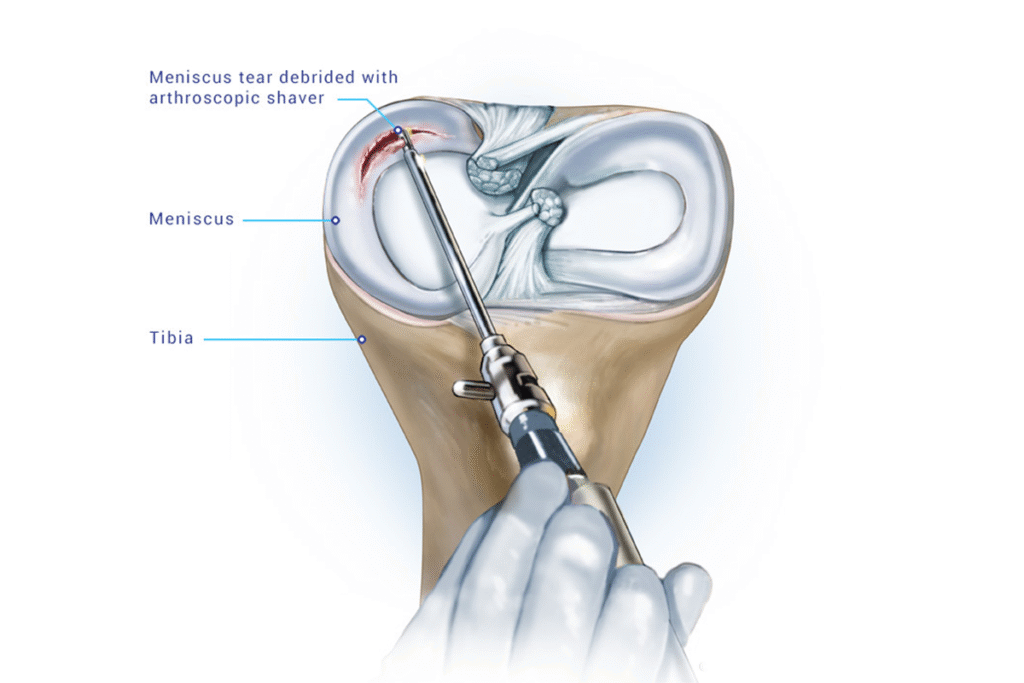
For example, patients with suspected ligament injuries, meniscus tears, or certain shoulder conditions may require advanced imaging.
The Best Bone Specialist in Gurugram does not necessarily recommend every available test. Instead, the choice of imaging depends on your symptoms, examination findings, and suspected condition.
Step 5: CT Scans for Complex Bone Conditions
A CT scan can provide detailed cross-sectional images of bones and joints. It may be useful for evaluating complex fractures or areas where a standard X-ray does not provide sufficient detail.
In trauma cases, CT imaging can help the orthopaedic surgeon understand the location and complexity of a fracture. This information can be valuable when deciding between conservative treatment and surgical management.
The goal is always to select the diagnostic test that provides useful information for the specific condition.
Step 6: Additional Tests When Required
Sometimes, imaging alone is not enough. Depending on your symptoms and medical history, the doctor may recommend blood tests or other investigations.
These tests can help evaluate certain inflammatory, metabolic, or systemic conditions that may contribute to bone or joint symptoms.
Importantly, not every patient requires extensive testing. A good diagnostic process avoids unnecessary investigations and focuses on tests that can answer specific clinical questions.
Why Accurate Diagnosis Matters
Bone and joint pain should not always be treated in the same way. A fracture, ligament injury, arthritis, and inflammatory condition may produce similar symptoms but require very different treatment approaches.
An accurate diagnosis helps the doctor decide whether you may benefit from:
- Rest and activity modification
- Medicines
- Physiotherapy and rehabilitation
- Injections when appropriate
- Bracing or supportive treatment
- Arthroscopic procedures
- Fracture management
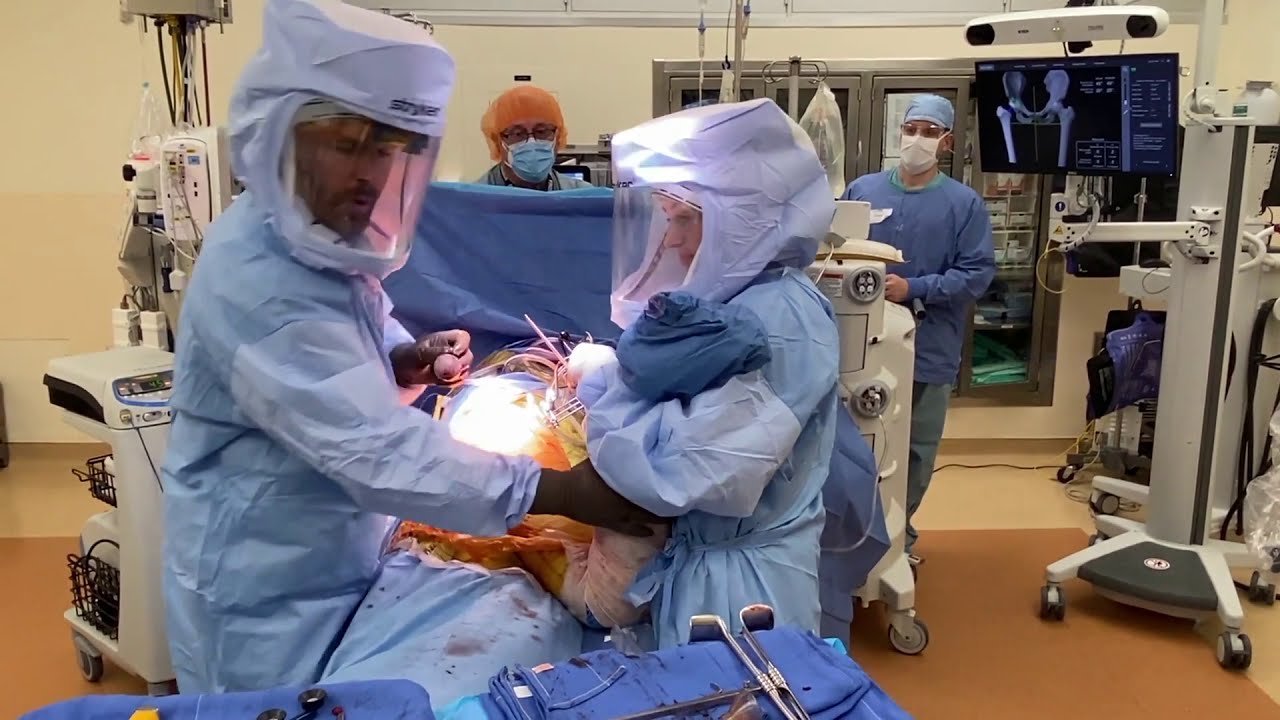
- Joint replacement surgery in selected cases
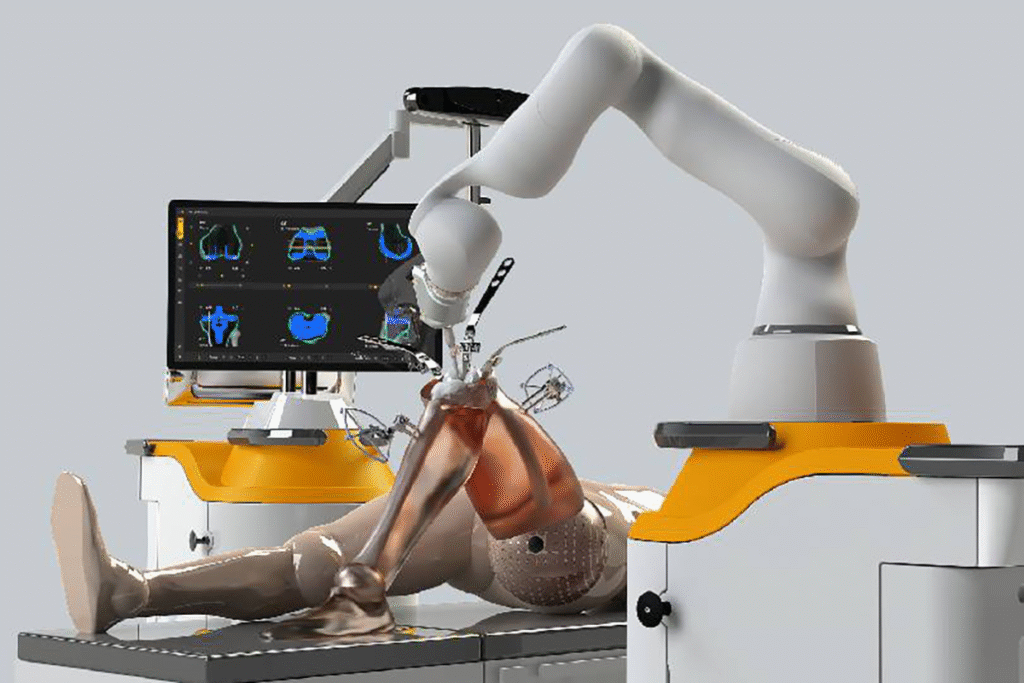
Dr. Guruditta Khurana’s practice includes fracture management, sports injury care, arthroscopy, robotic joint replacement, and treatment of arthritis and complex orthopaedic conditions.
When Should You See a Bone Specialist?
Do not ignore persistent or worsening bone and joint symptoms. Consider an orthopaedic evaluation if you experience ongoing pain, repeated swelling, difficulty walking, reduced joint movement, pain after an injury, visible deformity, or difficulty performing everyday activities.
Early evaluation can help identify the cause before the condition becomes more difficult to manage.
If pain follows a significant accident or injury, prompt medical assessment is especially important. Some fractures and soft-tissue injuries may not be obvious from symptoms alone.
A Personalized Approach to Bone Diagnosis
Every patient is different. Therefore, diagnosis should not rely on a single symptom or test result.
The Best Bone Specialist in Gurugram combines your medical history, physical examination, imaging, and other relevant investigations to develop a clearer understanding of the condition. This approach allows treatment to be planned according to the patient’s age, lifestyle, activity level, severity of symptoms, and overall health.
Dr. Guruditta Khurana follows a patient-focused approach to orthopaedic care and provides treatment for knee and hip conditions, fractures, sports injuries, arthritis, and other musculoskeletal problems.
Conclusion
Diagnosing a bone problem involves much more than simply taking an X-ray. A detailed medical history, physical examination, appropriate imaging, and additional tests when necessary can help identify the actual cause of pain or restricted movement.
The Best Bone Specialist in Gurugram focuses on understanding the complete condition before recommending treatment. With an accurate diagnosis, patients can receive a treatment plan that is appropriate for their specific problem and recovery goals.
If you have persistent bone or joint pain, an orthopaedic evaluation can help you understand what may be causing your symptoms and what treatment options may be suitable for you.