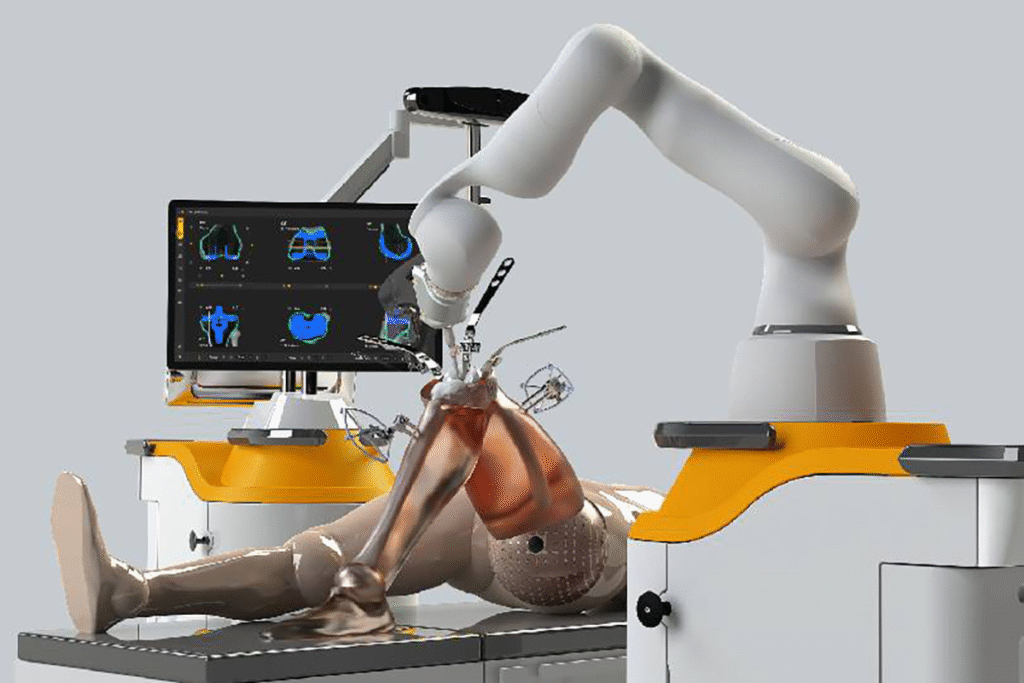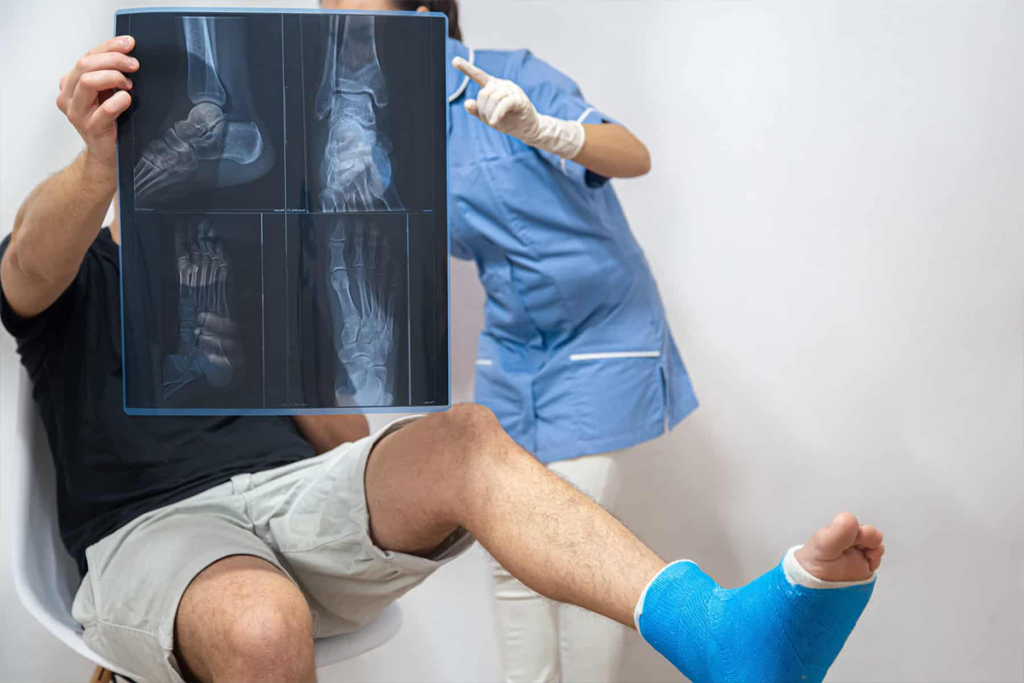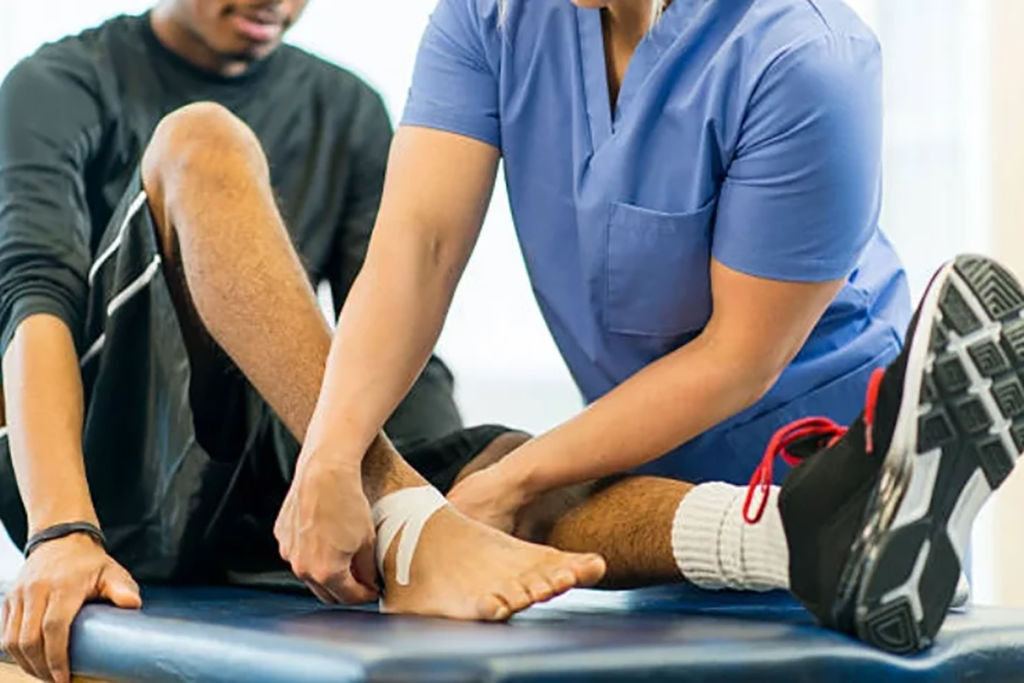
Joint pain can make everyday activities difficult. Walking, climbing stairs, exercising, and even resting may become uncomfortable. When medication and physiotherapy do not provide enough relief, surgery may be considered. Arthroscopy Surgery in Gurugram is a minimally invasive surgical option that helps doctors diagnose and treat certain joint problems through small incisions.
Unlike traditional open surgery, arthroscopy uses a small camera and specialised instruments to examine and treat the affected joint. This approach can reduce disruption to surrounding tissues in suitable cases. However, the right surgical method depends on the type of injury, its severity, and the patient’s overall health.
Understanding the differences between arthroscopic and open surgery can help patients make informed decisions with their orthopaedic specialist.
Join our online community! Follow us on: https://www.youtube.com/@RoboticOrthodoc_Guruditta
What Is Arthroscopic Surgery?
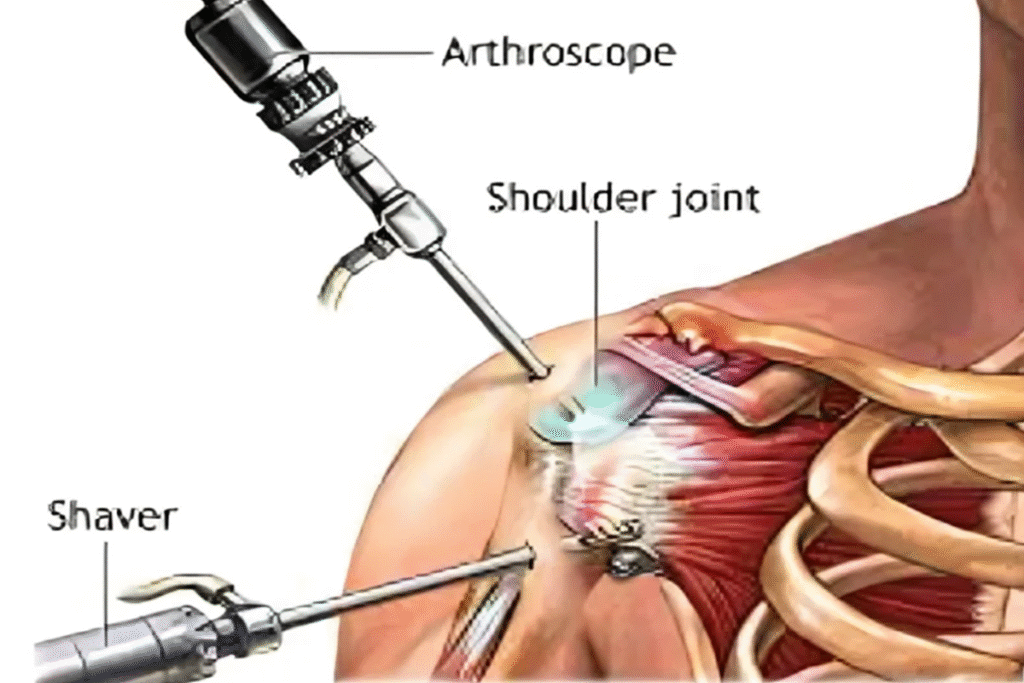
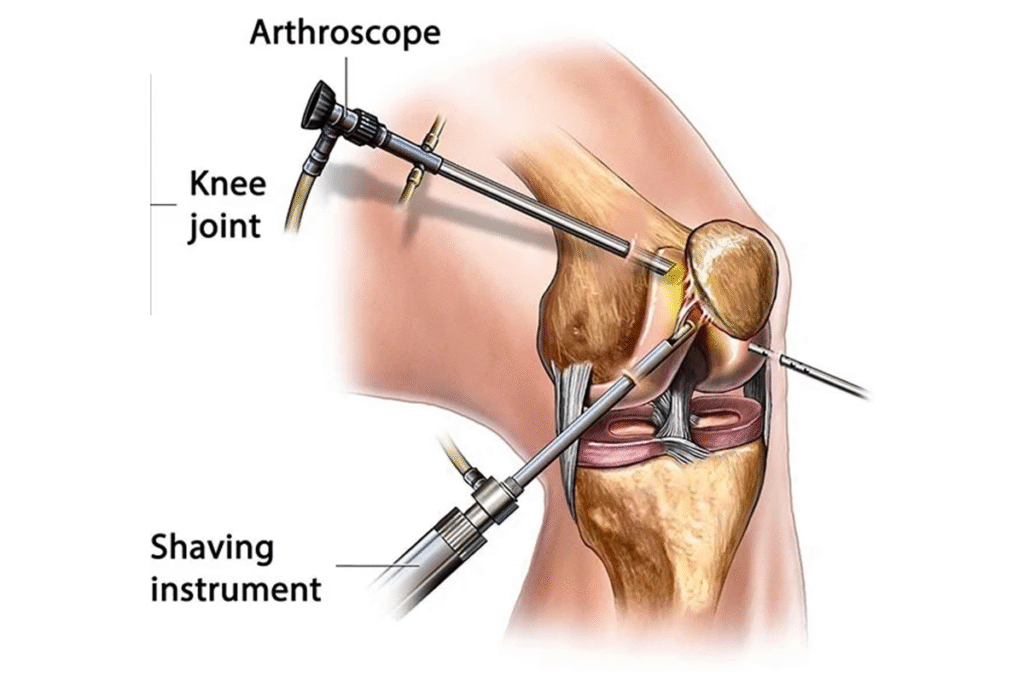
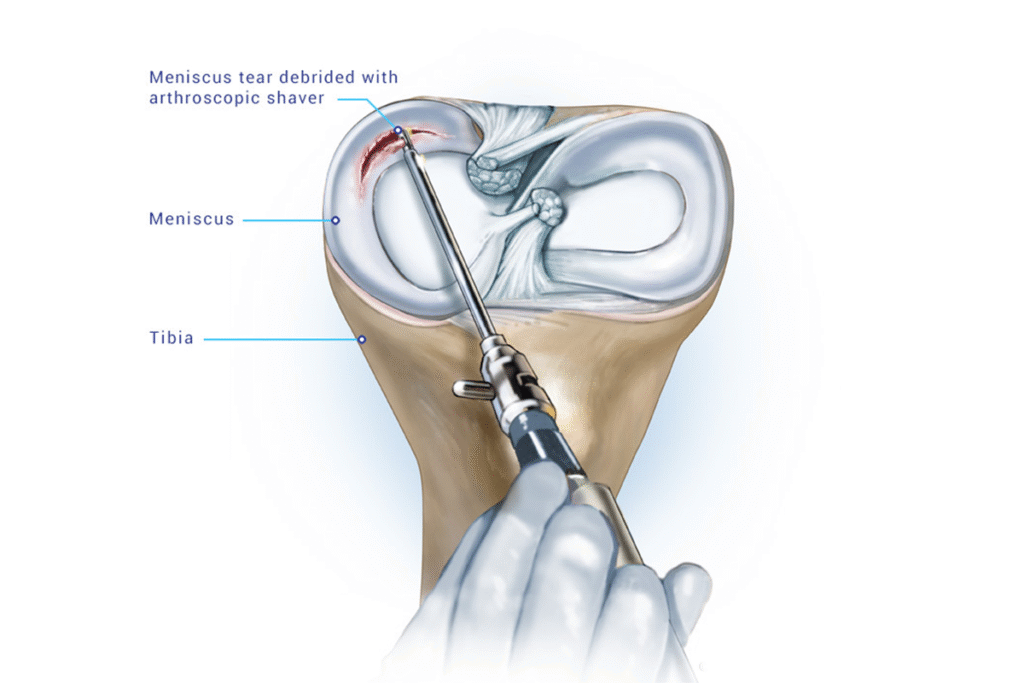
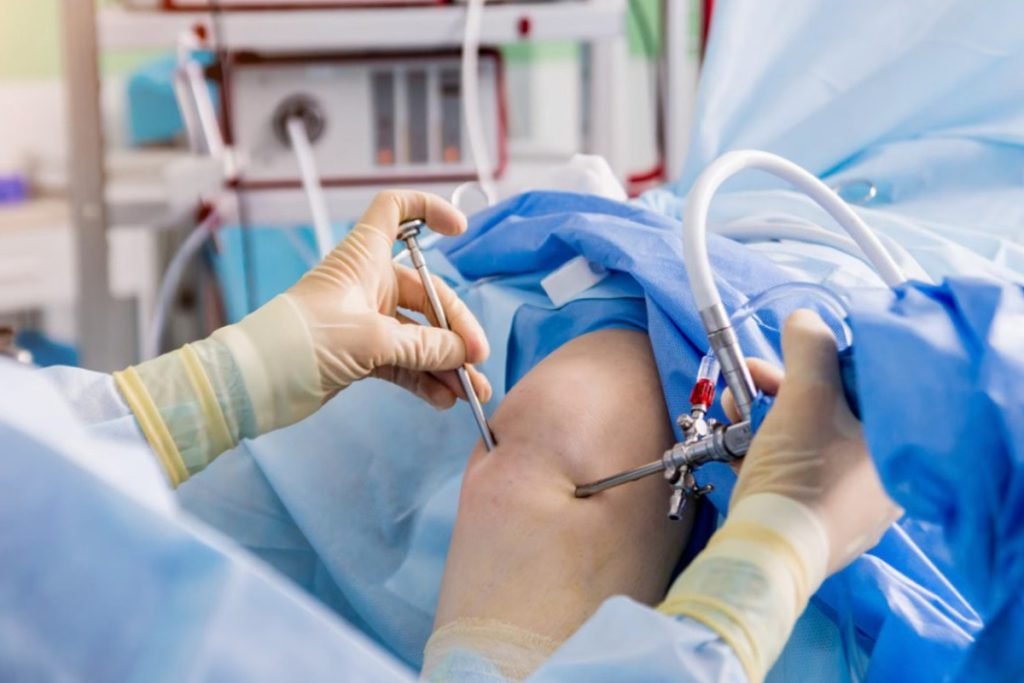
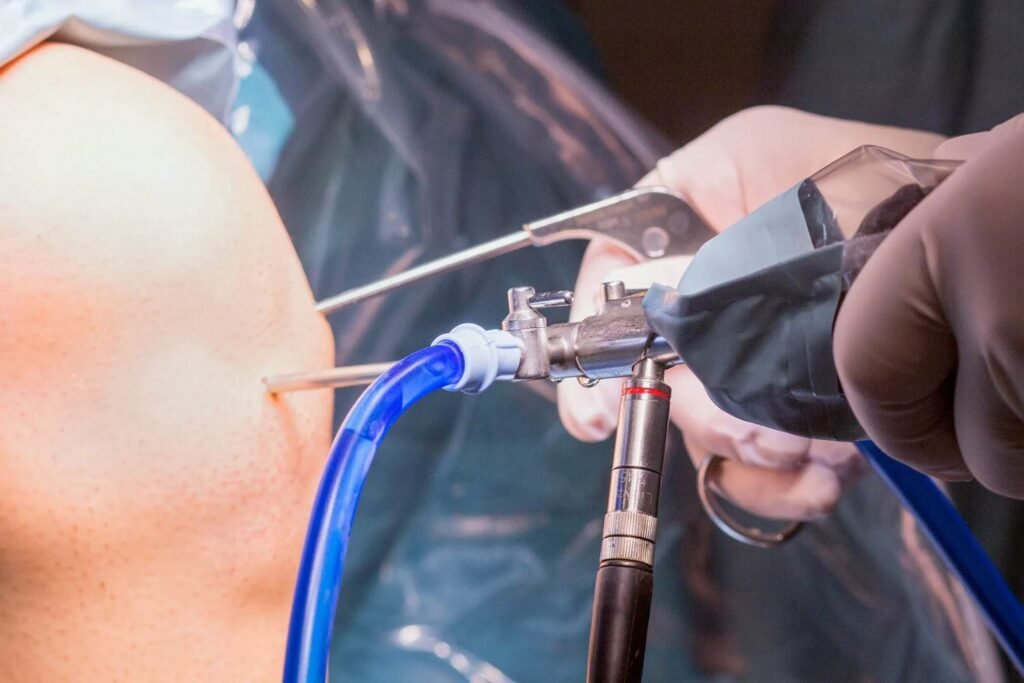
Arthroscopic surgery is a minimally invasive procedure used to diagnose and treat problems inside a joint. The surgeon inserts a thin instrument called an arthroscope through a small incision. The arthroscope contains a camera that displays images of the joint on a monitor.
Other small instruments may be inserted through additional incisions to repair or remove damaged tissue.
Arthroscopy is commonly performed on the knee, shoulder, ankle, elbow, and wrist. It may be used to treat selected ligament injuries, cartilage damage, meniscus tears, and certain shoulder conditions.
A specialist offering Arthroscopy Surgery in Gurugram first evaluates the patient’s symptoms and imaging results to determine whether this procedure is appropriate.
What Is Open Surgery?
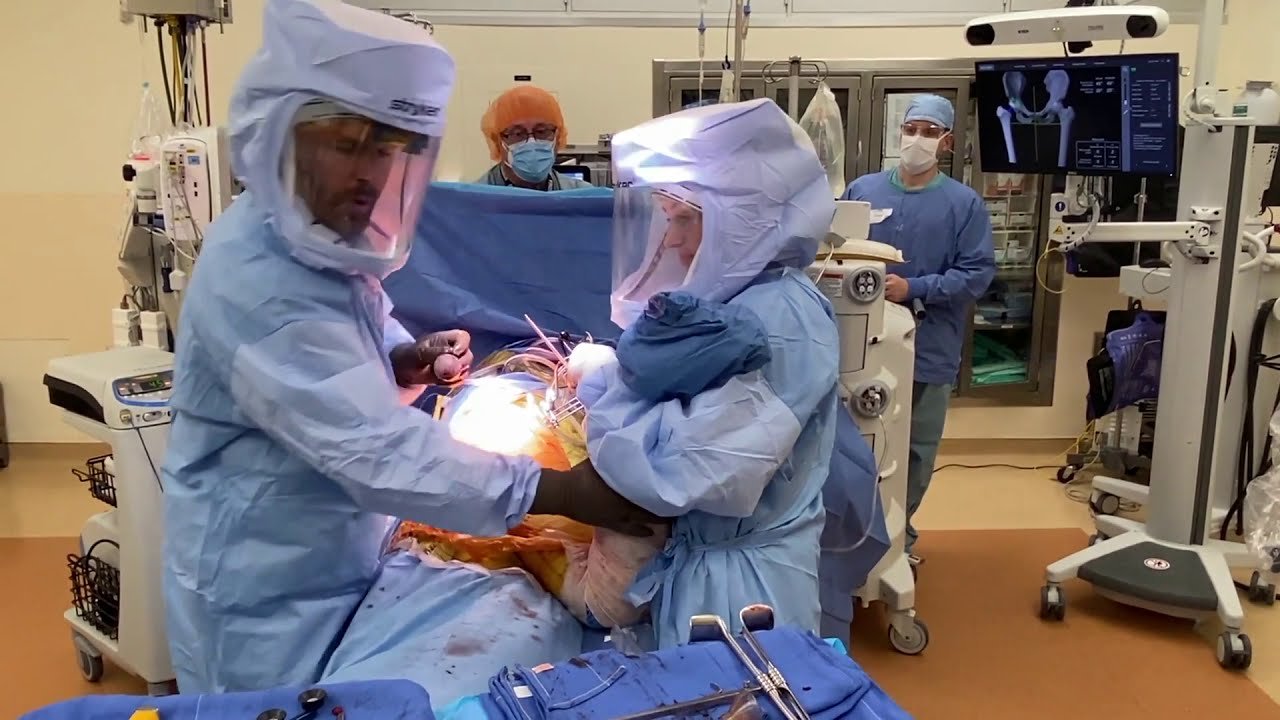
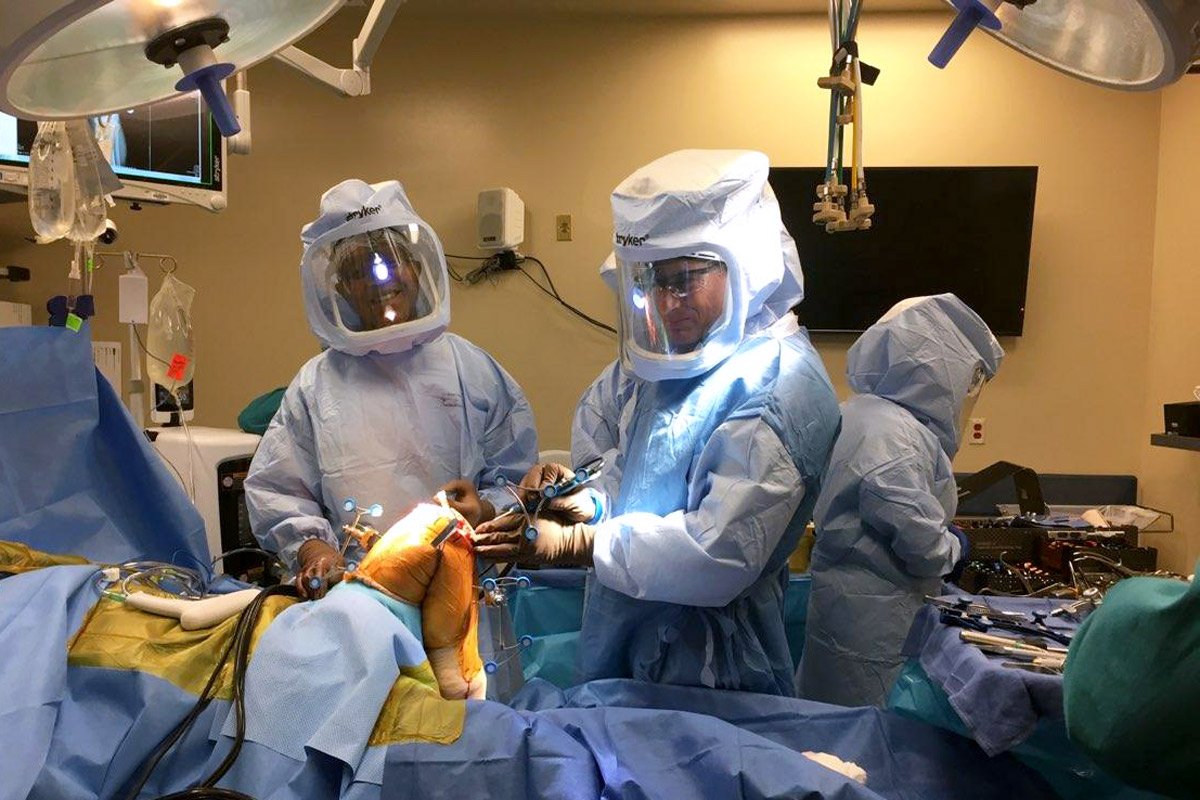
Open surgery involves making a larger incision to access the affected joint directly. This approach allows the surgeon to view the surgical area and work with the surrounding structures.
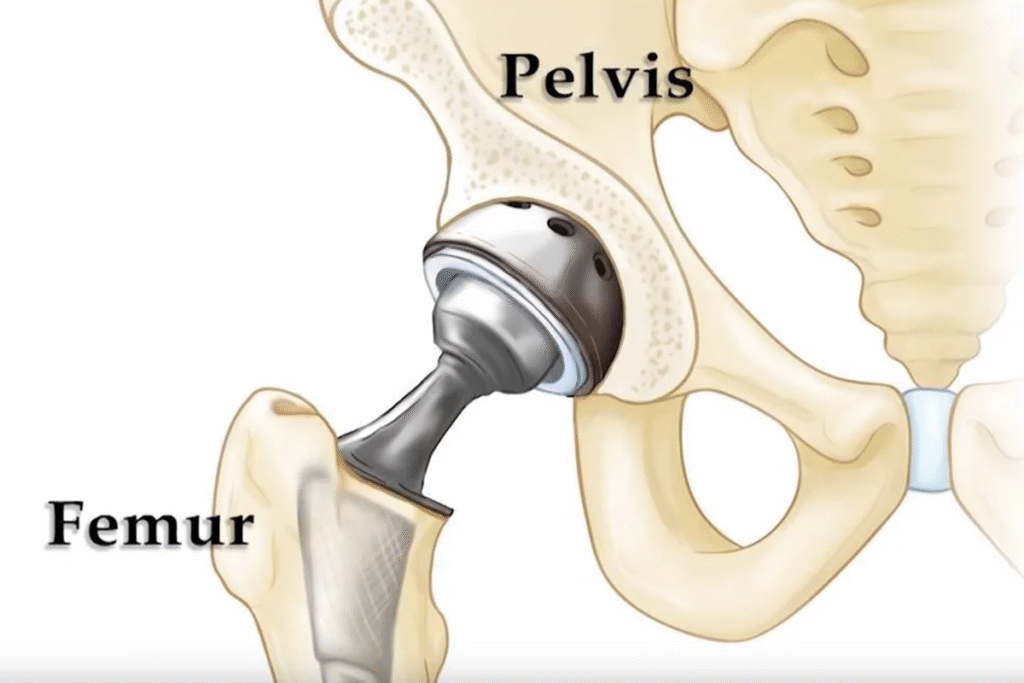
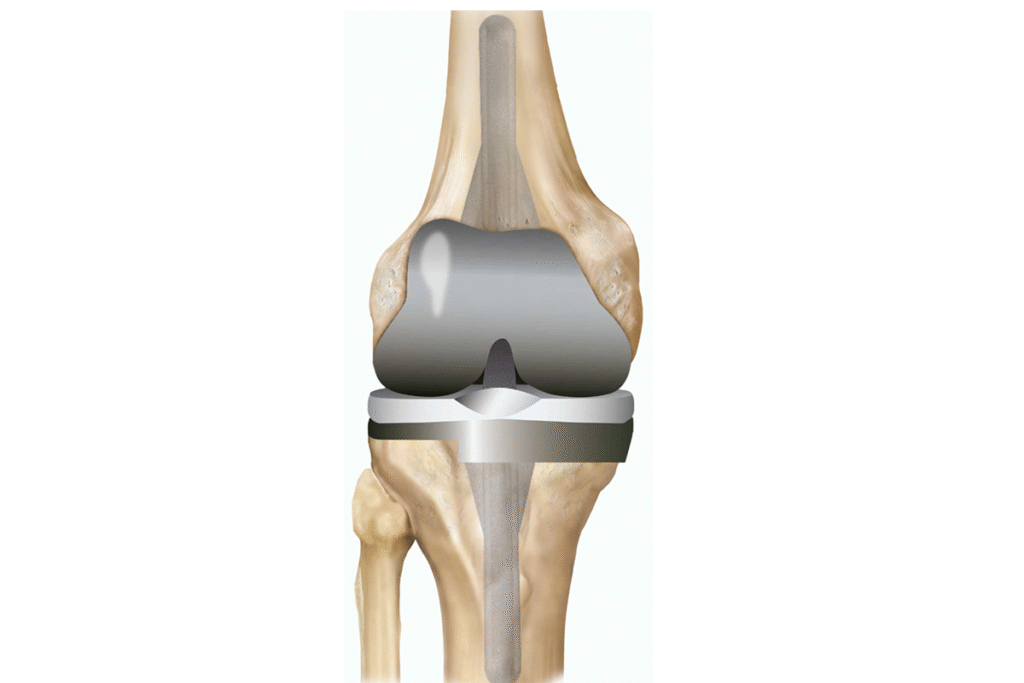
Open surgery remains necessary for many orthopaedic conditions. For example, complex fractures, certain joint replacements, and some extensive injuries may require an open procedure.
Although arthroscopy offers several advantages in suitable cases, it cannot replace open surgery for every condition. The decision depends on which technique can provide the safest and most effective treatment.
Benefits of Arthroscopic Surgery Compared to Open Surgery
1. Smaller Surgical Incisions
One of the main benefits of arthroscopy is the use of smaller incisions. The surgeon inserts a camera and specialised instruments through small openings rather than creating a larger surgical incision.
Smaller incisions may result in less disruption to the skin and surrounding soft tissues. They can also leave smaller scars after healing.
For patients considering Arthroscopy Surgery in Gurugram, this minimally invasive approach may be suitable for certain knee and shoulder conditions. The final incision size depends on the procedure and the complexity of the injury.
2. Less Damage to Surrounding Tissues
Traditional open surgery may require greater exposure of the joint. In contrast, arthroscopy allows the surgeon to work through small openings with the help of a camera.
This can reduce disruption to surrounding tissues in appropriate procedures. Less tissue disruption may also help some patients experience less postoperative discomfort.
However, the amount of tissue damage depends on the condition being treated and the specific surgical technique. Arthroscopic surgery is not automatically less painful in every case.
3. Potentially Faster Recovery
Recovery time is an important concern for people undergoing joint surgery. Many patients want to return to work, household activities, and exercise as soon as it is safe.
Because arthroscopy generally uses smaller incisions, recovery may be faster than with some comparable open procedures. However, recovery also depends on the type of repair performed.
For example, removing a small piece of damaged tissue may require a different recovery period from repairing a major ligament. Following medical advice and completing rehabilitation are essential for a safe return to activity.
4. Reduced Risk of Certain Wound Complications
Smaller incisions can reduce the size of the surgical wound. This may help lower the risk of some wound-related complications compared with certain open procedures.
However, arthroscopy still carries risks, including infection, bleeding, blood clots, and complications related to anaesthesia. The level of risk depends on the patient’s health and the operation being performed.
Choosing an experienced surgical team and following postoperative instructions can help support safe recovery.
5. Better Visualisation Inside the Joint
An arthroscope provides magnified images of structures inside the joint. This allows the surgeon to examine areas that may be difficult to view directly through a limited surgical opening.
The camera can help identify certain cartilage injuries, meniscus tears, and ligament problems. Specialised instruments can then be used to treat the identified condition when appropriate.
This direct visualisation is one reason Arthroscopy Surgery in Gurugram may be recommended for selected joint problems that require both diagnosis and treatment.
6. Earlier Movement in Suitable Cases
Early movement can help prevent stiffness and support joint function after surgery. Some arthroscopic procedures allow patients to begin gentle movement sooner than comparable open procedures.
However, the rehabilitation plan depends on what the surgeon repairs. A patient who undergoes a simple procedure may progress differently from someone whose ligament or tendon requires healing.
Physiotherapy may include range-of-motion exercises, muscle strengthening, balance training, and gradual functional activities. Patients should follow their prescribed plan rather than return to strenuous activity too early.
7. Smaller Scars and Cosmetic Benefits
Arthroscopy usually leaves smaller scars because it requires small incisions. This may be an advantage for patients concerned about the appearance of surgical scars.
Nevertheless, scars vary according to skin type, healing ability, and the procedure performed. Some arthroscopic operations also require additional incisions or a larger opening to complete a repair safely.
The primary goal of surgery remains to improve joint function and treat the underlying problem.
Which Conditions Can Arthroscopic Surgery Treat?
Arthroscopy can be useful for several joint conditions, depending on the diagnosis and severity.
Common examples include:
- Meniscus tears in the knee
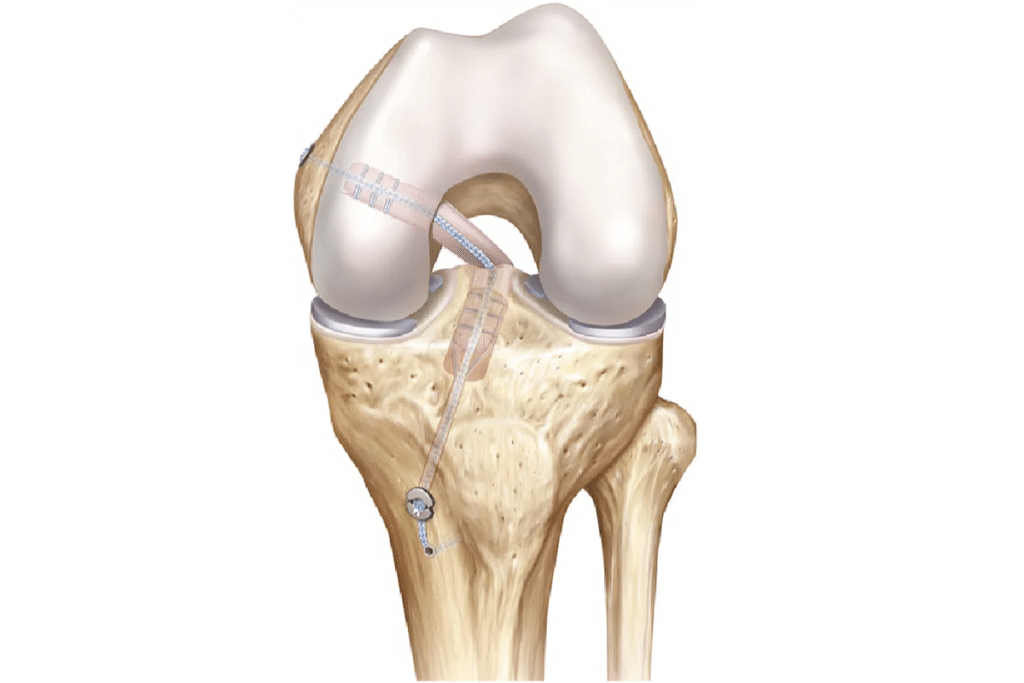
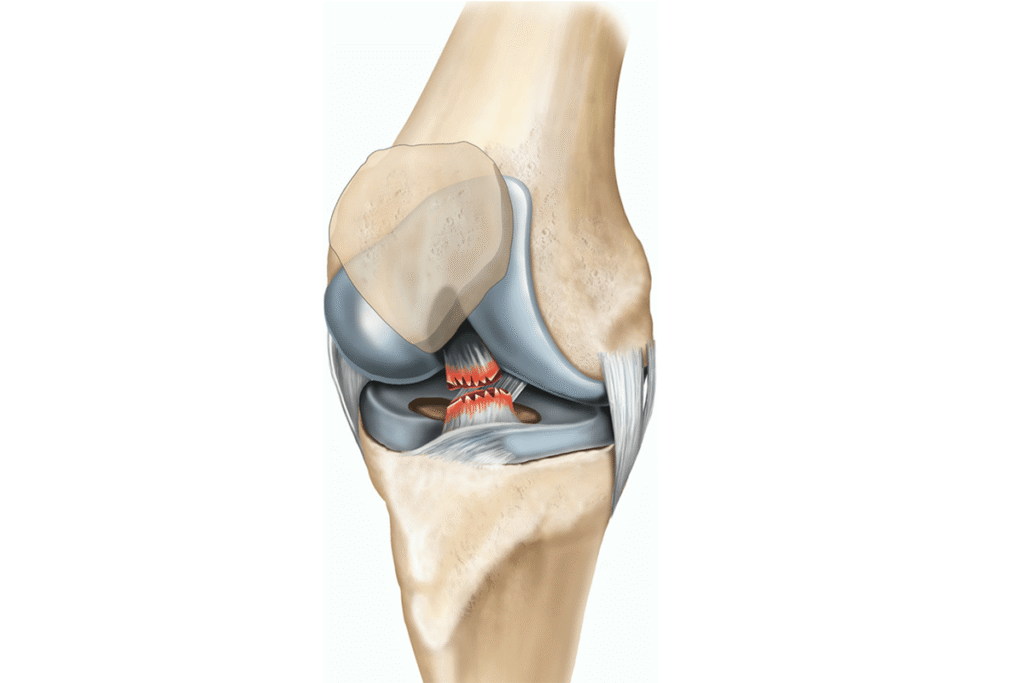
- Selected anterior cruciate ligament (ACL) injuries
- Certain cartilage injuries
- Shoulder instability
- Some rotator cuff injuries
- Selected cases of loose fragments inside a joint
- Certain ankle and elbow problems
Not every joint condition benefits from arthroscopy. For example, advanced knee osteoarthritis may require other treatment options, depending on symptoms and joint damage.
A thorough orthopaedic examination helps determine whether arthroscopy, open surgery, physiotherapy, or another treatment is most appropriate.
Arthroscopic Surgery vs. Open Surgery: Which Is Better?
Neither technique is universally better. Arthroscopy may offer smaller incisions and a quicker recovery for certain procedures. Open surgery may provide better access when the injury is complex or requires extensive reconstruction.
The surgeon considers several factors before recommending a procedure:
- The location and severity of the injury
- The patient’s age and activity level
- Existing medical conditions
- Previous treatments and surgeries
- Expected benefits and possible complications
- Rehabilitation requirements
Patients should discuss these factors with their orthopaedic specialist before making a decision.
What to Expect After Arthroscopic Surgery
Recovery begins with following the surgeon’s instructions for wound care, pain management, and physical activity. Some patients can return home on the same day, while others may require observation or a longer hospital stay.
Swelling and discomfort may occur during the initial recovery period. These symptoms should gradually improve according to the expected healing process.
Physiotherapy may be recommended to restore movement, rebuild strength, and improve joint stability. Patients should attend follow-up appointments and report unusual symptoms, such as increasing redness, fever, severe pain, or significant swelling.
The recovery timeline varies depending on the procedure and the patient’s individual circumstances.
Conclusion
Arthroscopic surgery has become an important option for treating selected joint injuries and conditions. Its potential benefits include smaller incisions, less disruption to surrounding tissues, improved visualisation inside the joint, and a potentially faster recovery in suitable cases.
However, the best surgical approach depends on the patient’s diagnosis and treatment goals. Arthroscopy Surgery in Gurugram may be appropriate for certain knee, shoulder, and other joint problems, while open surgery remains necessary for some complex conditions.
Dr. Guruditta Khurana recommends discussing all available treatment options with an orthopaedic specialist before proceeding. A personalised treatment plan, followed by appropriate rehabilitation, can help patients work towards better joint function and a safe return to daily activities.
Frequently Asked Questions
1. Is arthroscopic surgery better than open surgery?
Arthroscopic surgery may offer smaller incisions and faster recovery for certain conditions. However, open surgery may be more suitable for complex injuries. The best option depends on the diagnosis and the procedure required.
2. How long does it take to recover from arthroscopic surgery?
Recovery may take a few weeks for some procedures and several months for more complex repairs. The timeline depends on the joint, the type of surgery, and the patient’s rehabilitation progress.
3. Is arthroscopic surgery painful?
Some pain and swelling are expected after surgery. Medication, appropriate rest, and a guided rehabilitation programme can help manage discomfort. Pain levels vary between patients and procedures.
4. Which joint problems can be treated with arthroscopy?
Arthroscopy may be used to treat selected meniscus tears, ligament injuries, cartilage problems, shoulder instability, and other joint conditions. An orthopaedic specialist can determine whether it is suitable for a particular case.
5. Is physiotherapy necessary after arthroscopic surgery?
Physiotherapy is often an important part of recovery. It can help restore movement, strengthen muscles, and improve joint stability. The exercises and timing depend on the procedure and the surgeon’s instructions.