Sports and physical activities are excellent for maintaining fitness, strength, and flexibility. However, sudden movements, incorrect exercise techniques, and excessive training can sometimes lead to injuries. If you experience persistent pain, swelling, or difficulty moving after playing sports, consulting the Best Orthopaedic Doctor in Gurugram can help you understand the injury and receive appropriate treatment.
Sports injuries may affect athletes, gym enthusiasts, runners, and people who participate in recreational activities. Some injuries improve with rest, while others require medical evaluation to prevent complications. Knowing when to seek professional care is an important step towards protecting your joints, muscles, and bones.
Join our online community! Follow us on: https://www.youtube.com/@RoboticOrthodoc_Guruditta
What Are the Most Common Sports Injuries?
Sports injuries can occur during training, competitions, or everyday exercise. They may develop suddenly or gradually due to repetitive movements.
Some common sports injuries include:
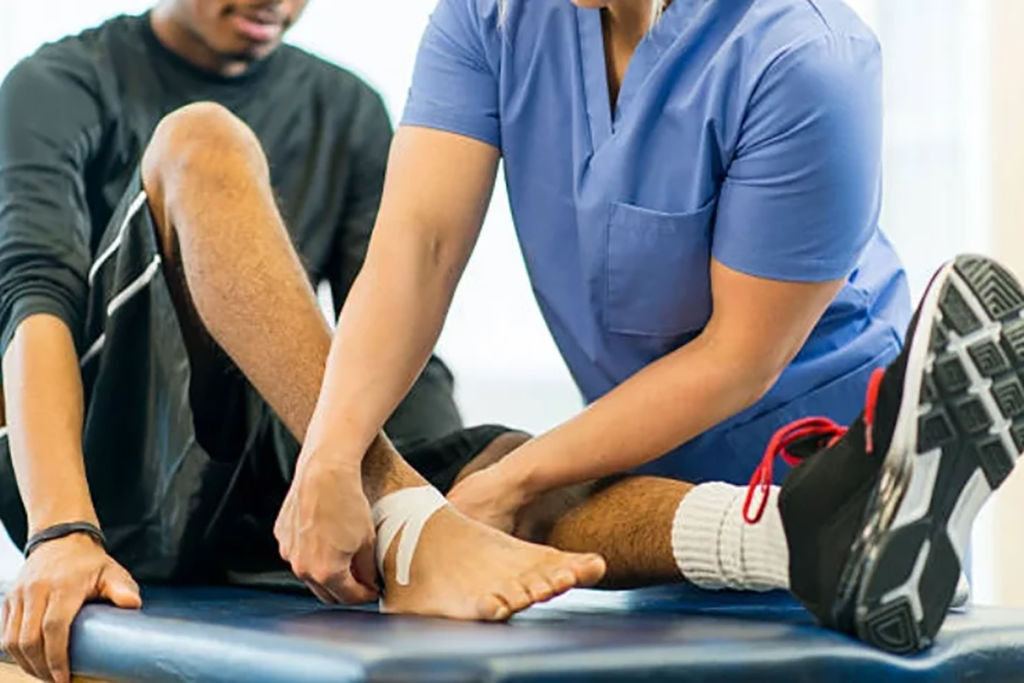
- Ankle sprains: Twisting the ankle during running, jumping, or landing.
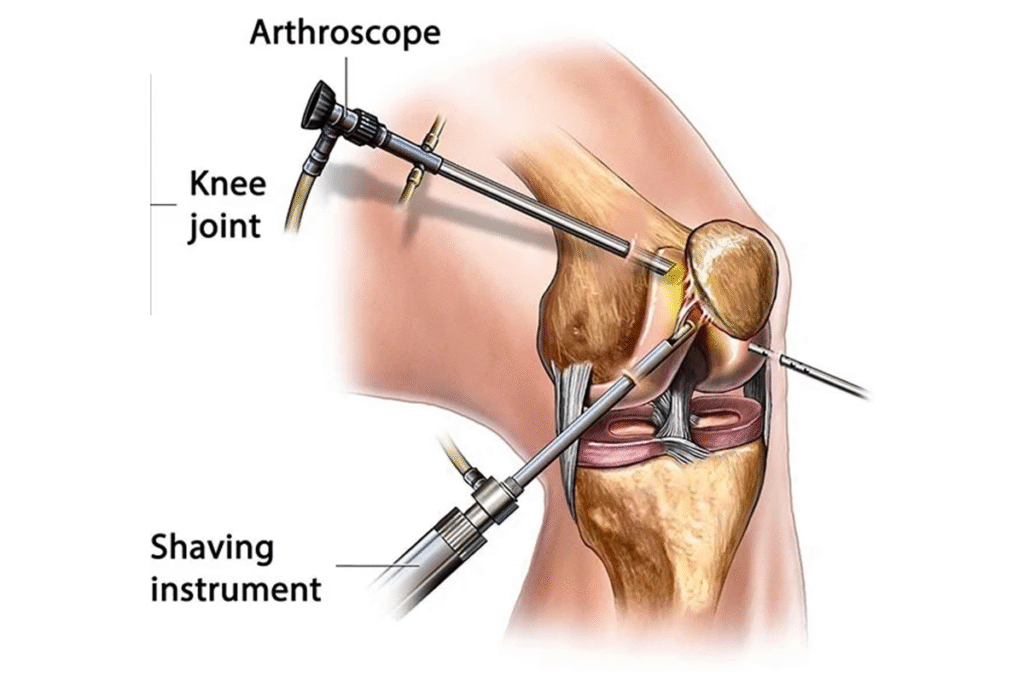
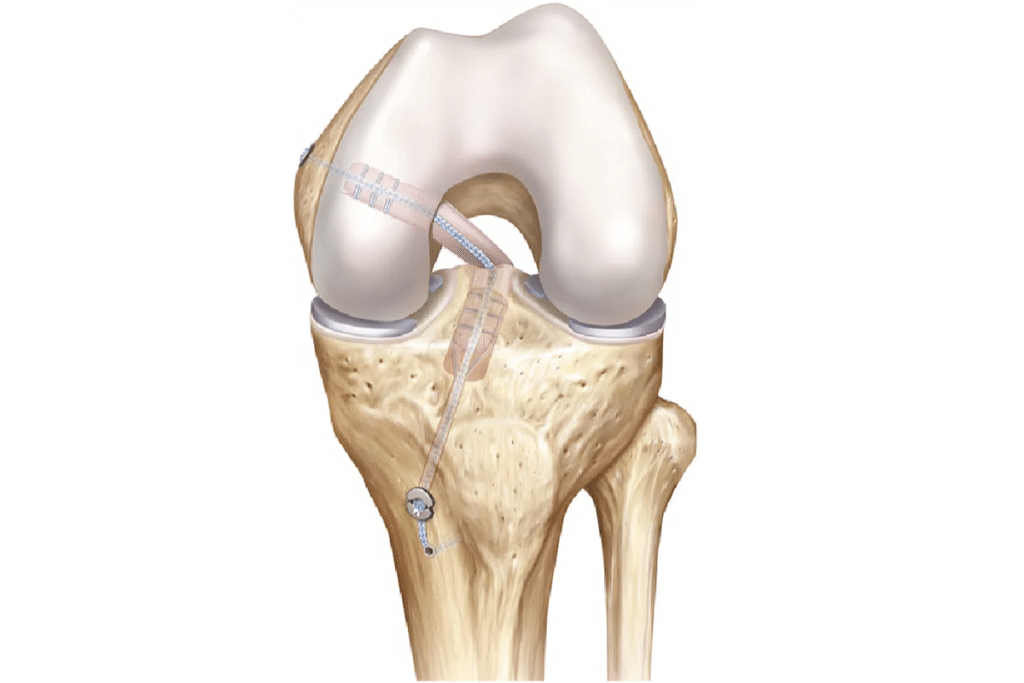
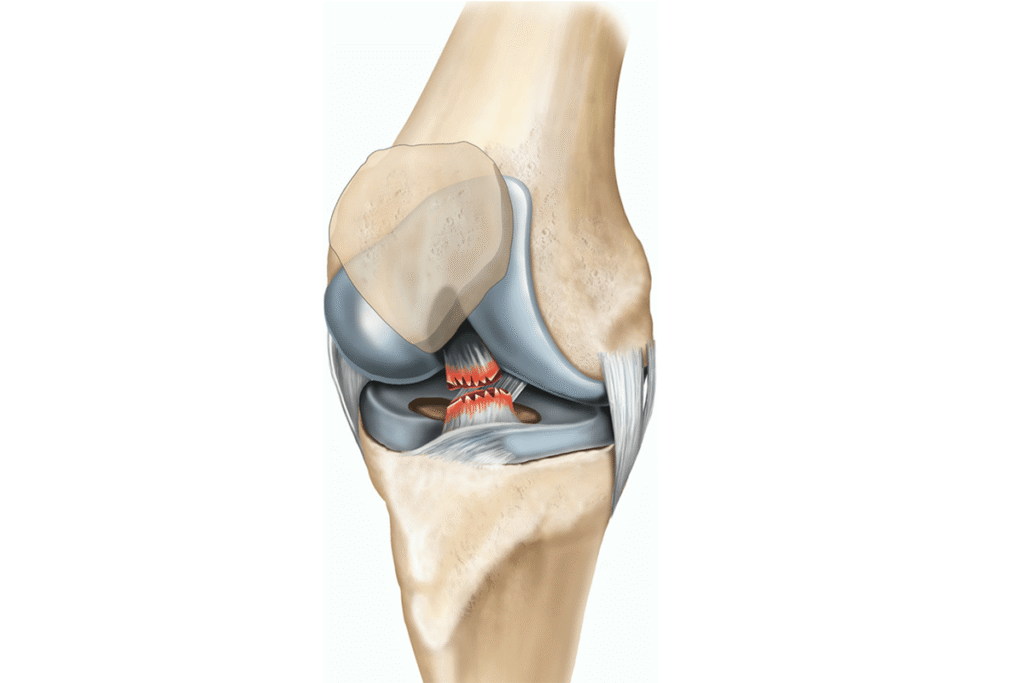
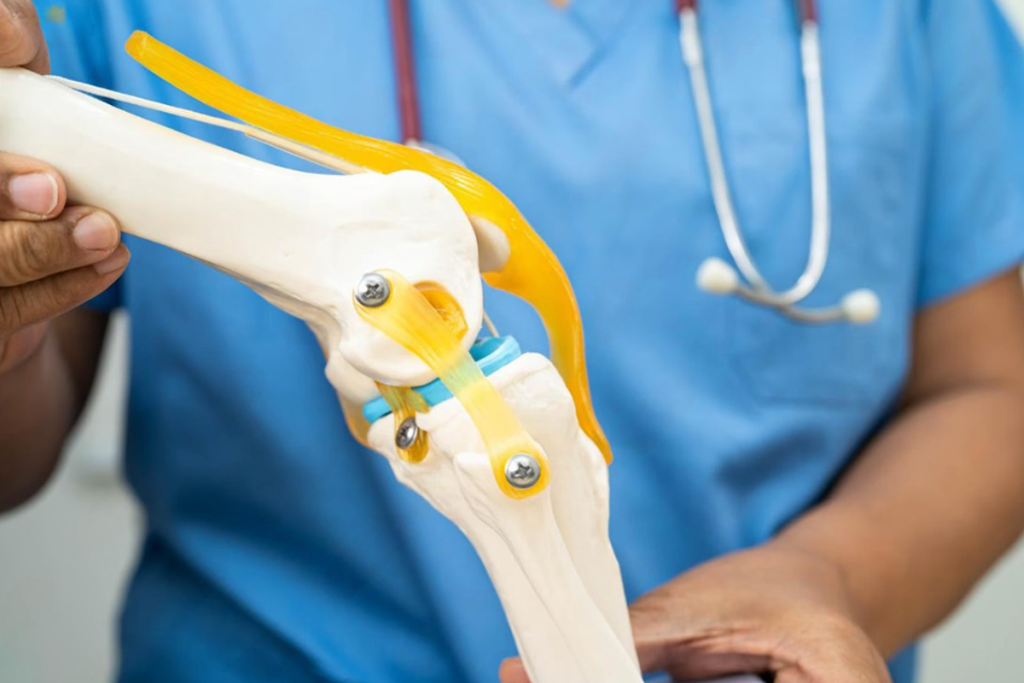
- Knee ligament injuries: Damage to ligaments such as the ACL during sudden turns or direction changes.
- Muscle strains: Stretching or tearing muscles during intense physical activity.
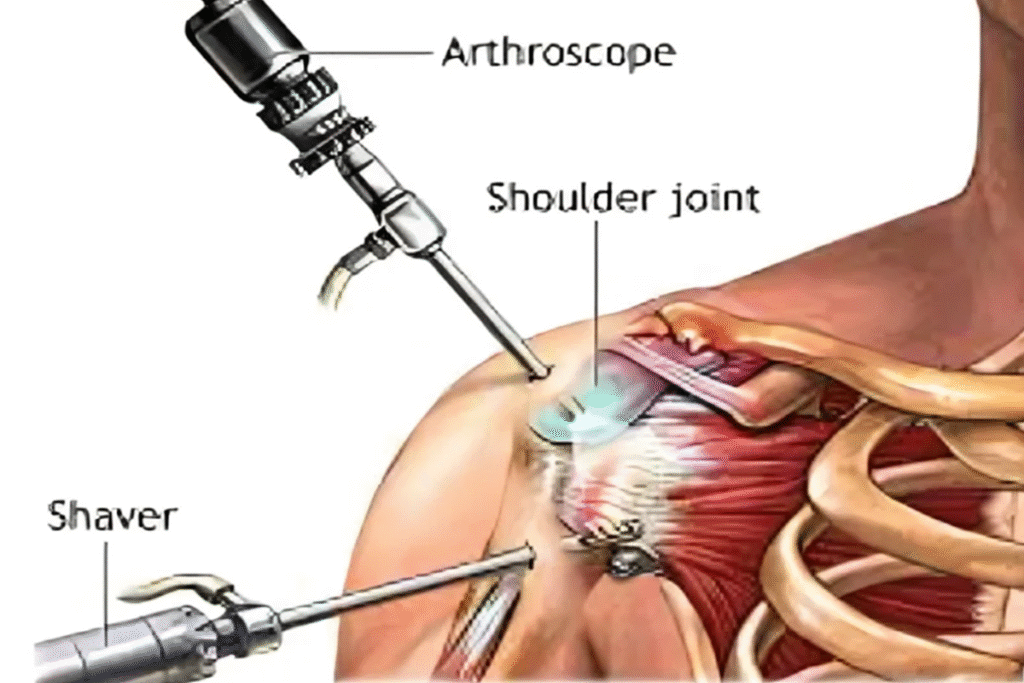
- Shoulder injuries: Rotator cuff problems or shoulder instability caused by repetitive movements.
- Tennis elbow: Pain around the elbow due to repetitive arm movements.
- Stress fractures: Small cracks in bones caused by repeated impact or excessive training.
Understanding the type of injury helps determine the appropriate treatment and recovery plan.
When Should You Consult the Best Orthopaedic Doctor in Gurugram?
Not every sports injury requires surgery or extensive treatment. However, certain symptoms should never be ignored.
1. Persistent Pain After Playing Sports
Pain that continues for several days or repeatedly returns during exercise may indicate an underlying injury.
For example, knee pain after running or shoulder pain after weightlifting may result from muscle strain, tendon irritation, or ligament damage.
Consulting the Best Orthopaedic Doctor in Gurugram can help identify the cause and prevent further injury.
2. Swelling or Bruising Around a Joint
Swelling often develops after an injury because of inflammation or tissue damage.
Significant swelling, especially when it develops rapidly after a knee or ankle injury, may indicate a serious ligament injury or fracture.
Early medical assessment helps determine the severity of the injury.
3. Difficulty Walking or Moving Normally
If you cannot put weight on your injured leg, walk comfortably, or move a joint normally, medical evaluation is important.
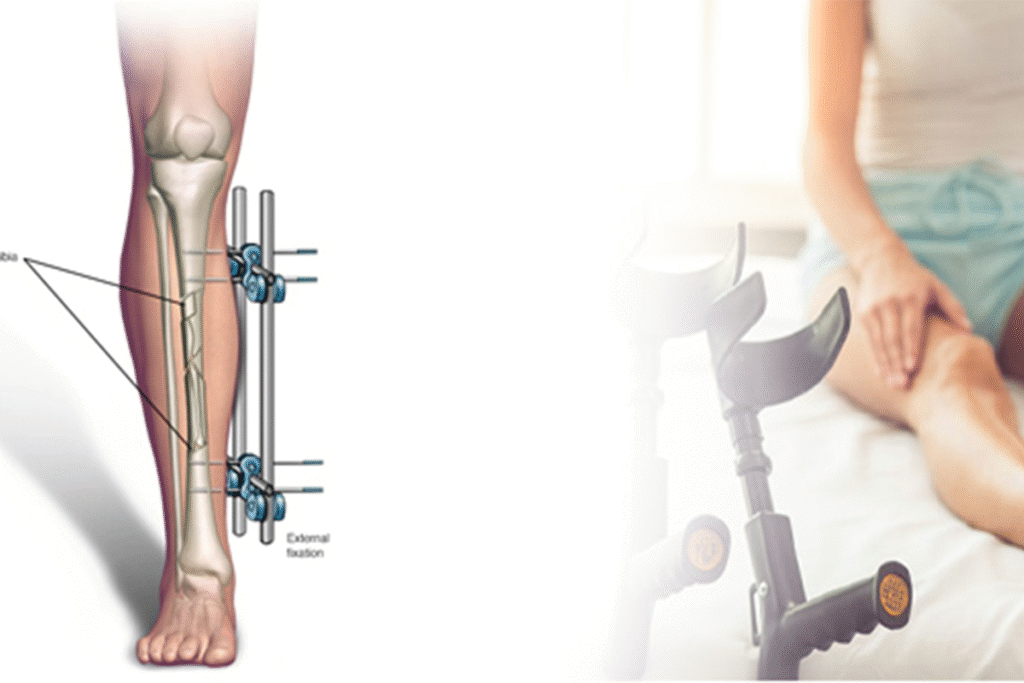
These symptoms may indicate a fracture, severe sprain, or significant ligament injury.
Avoid forcing movement or continuing sports until the injury has been assessed.
4. Repeated Sports Injuries
Repeated ankle sprains, knee pain, or shoulder injuries may indicate weakness, instability, or incomplete recovery.
Returning to sports before healing properly can increase the risk of another injury.
An orthopaedic assessment can help identify contributing factors and guide rehabilitation.
5. Sudden Pain During Exercise
Sudden pain during running, jumping, or weightlifting may indicate a muscle tear, tendon injury, or ligament damage.
If the pain is severe, accompanied by swelling, or prevents normal movement, seek medical attention promptly.
Why Early Treatment Matters for Sports Injuries
Ignoring sports injuries may lead to prolonged discomfort and difficulty returning to physical activities.
Early diagnosis offers several important advantages.
- Helps identify the actual cause of pain.
- Reduces the risk of worsening an injury.
- Supports appropriate treatment and rehabilitation.
- Helps restore joint movement and muscle strength.
- Encourages a safer return to sports.
The Best Orthopaedic Doctor in Gurugram can evaluate your symptoms and recommend treatment according to the type and severity of your injury.
How Are Sports Injuries Diagnosed?
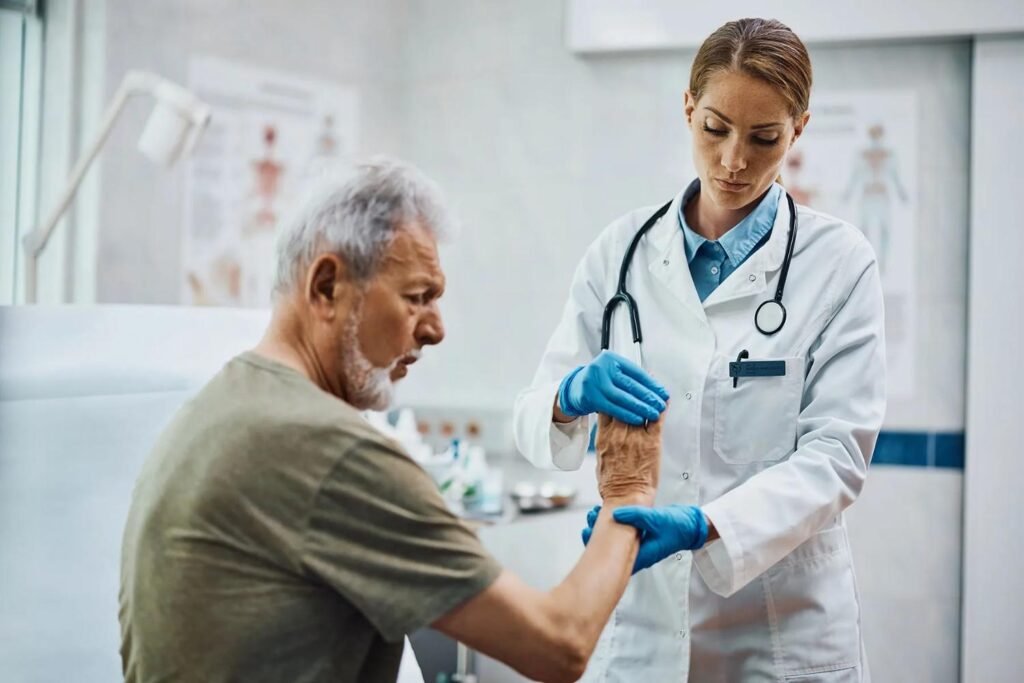
An orthopaedic evaluation usually begins with a detailed discussion about the injury.
The doctor may ask about your sport, training routine, pain location, and how the injury occurred.
A physical examination helps assess swelling, tenderness, joint movement, and stability.
Depending on the suspected injury, diagnostic tests may include:
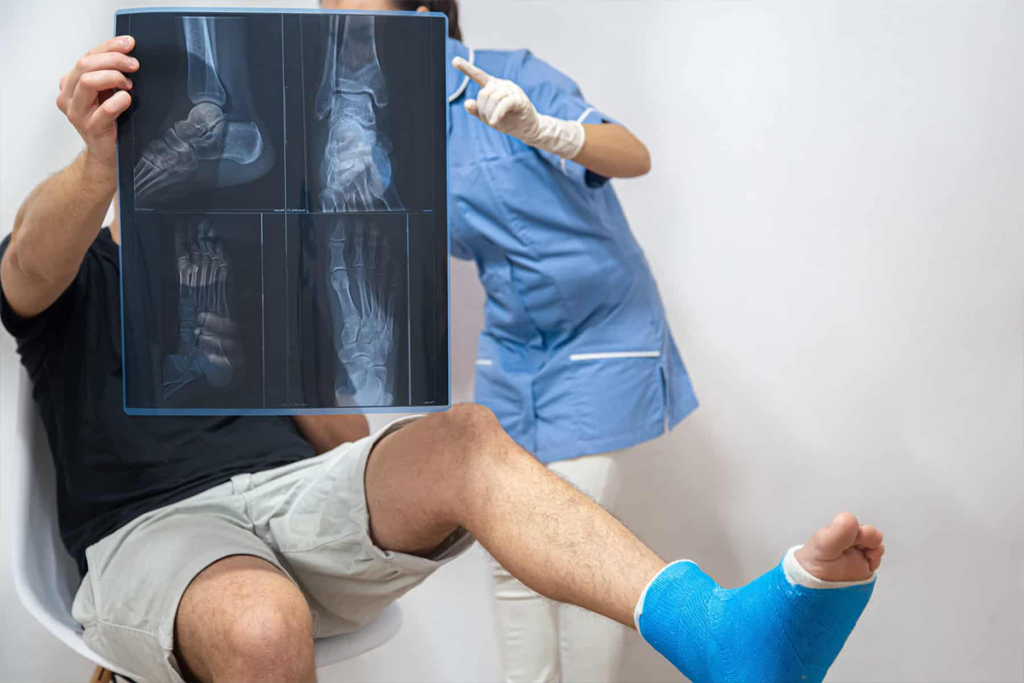
- X-ray: Helps identify fractures and certain bone abnormalities.
- MRI: Provides detailed images of ligaments, muscles, tendons, and other soft tissues.
- Ultrasound: May help evaluate selected muscle and tendon injuries.
Not every sports injury requires imaging. The doctor recommends tests based on clinical findings and individual needs.
What Treatment Options Are Available for Sports Injuries?
Treatment depends on the affected body part, injury severity, and the patient’s physical activity requirements.
Conservative Treatment
Many sports injuries improve without surgery.
Treatment may include:
- Rest and temporary activity modification.
- Ice application to help manage swelling.
- Appropriate pain relief when recommended.
- Braces or supports for selected injuries.
- Physiotherapy and rehabilitation exercises.
Physiotherapy and Rehabilitation
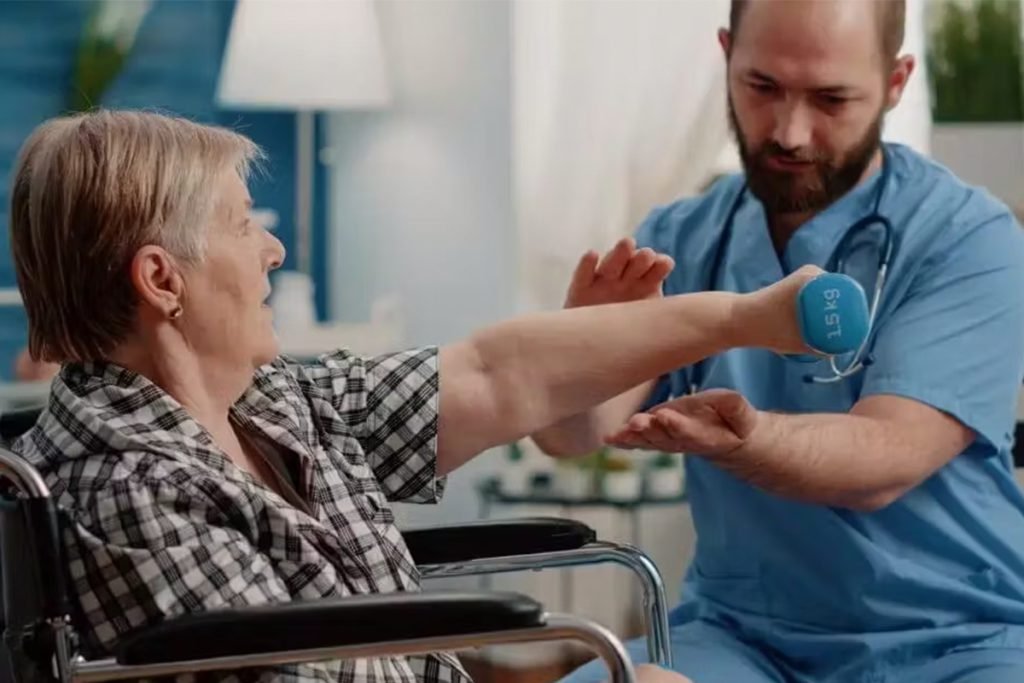
Rehabilitation plays an important role in sports injury recovery.
It helps improve flexibility, strength, balance, and joint stability.
A structured rehabilitation programme can also help patients regain confidence before returning to sports.
Surgical Treatment
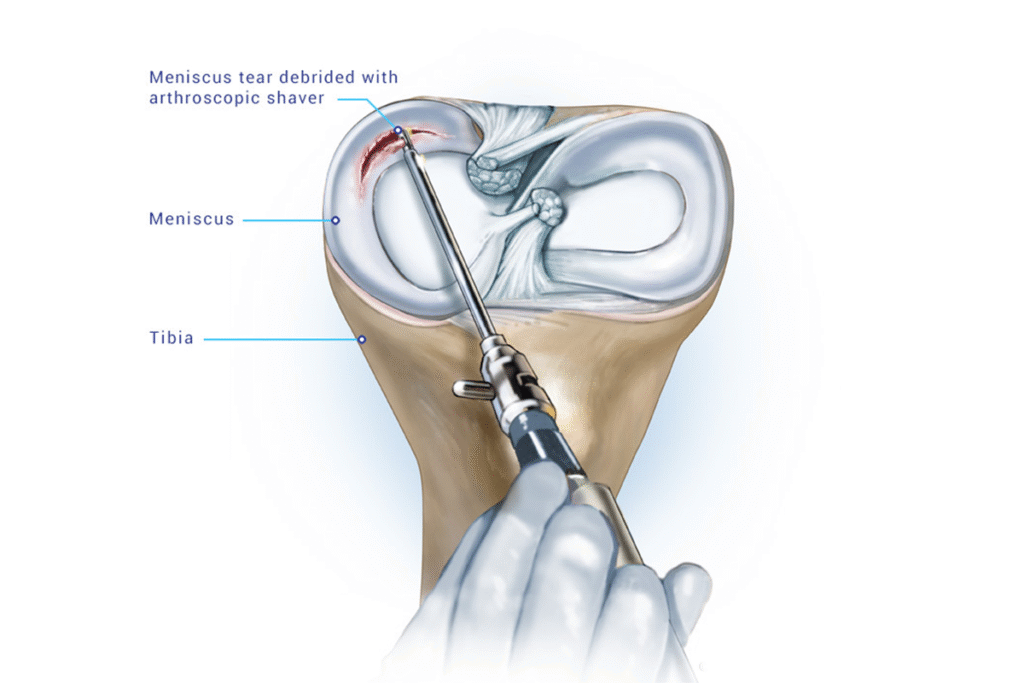
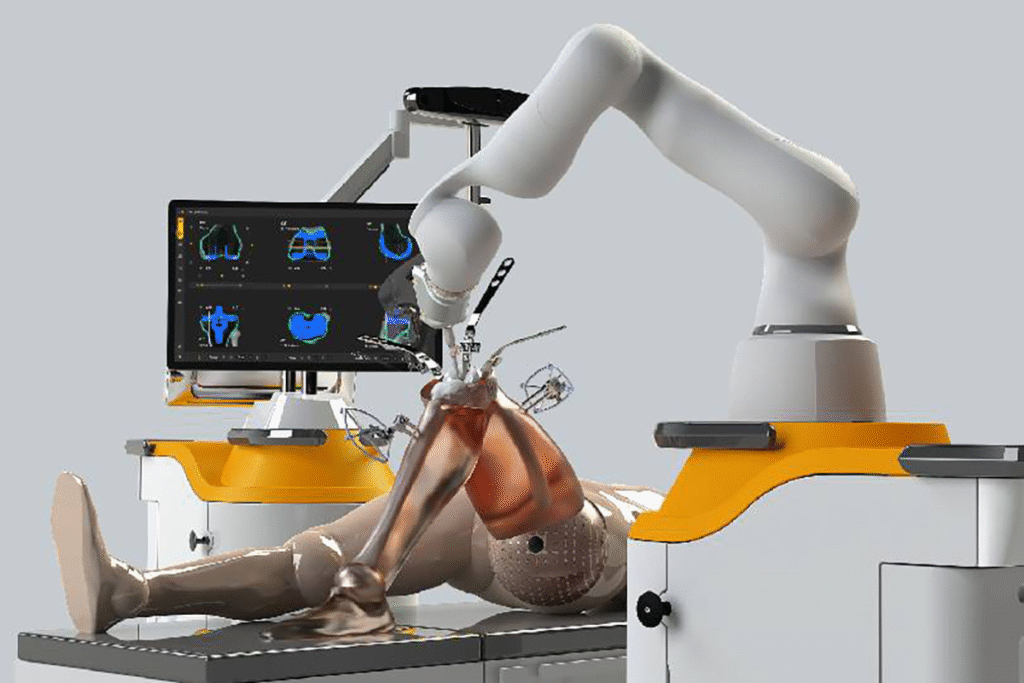
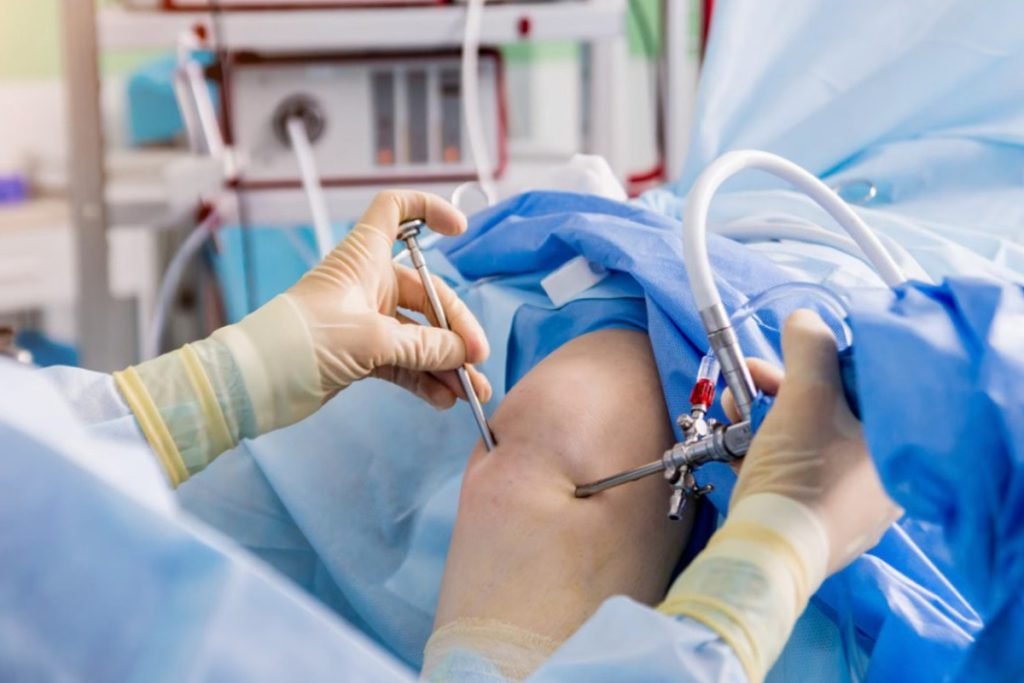
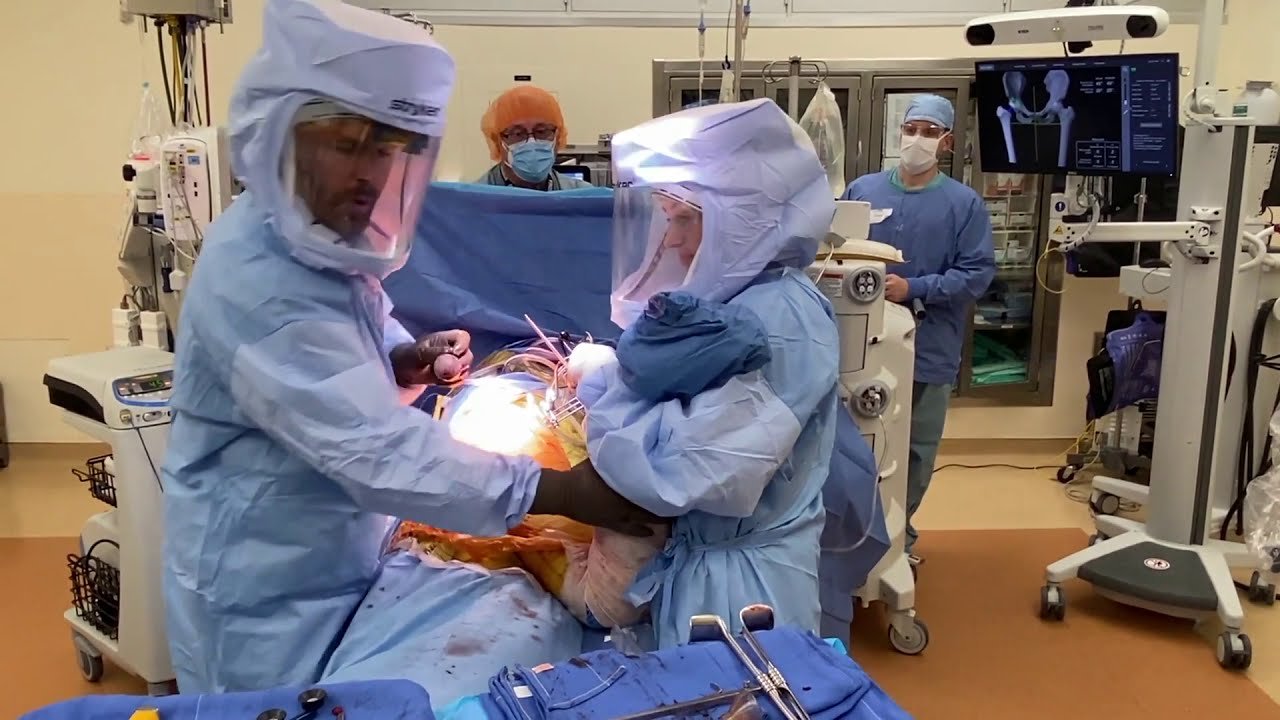
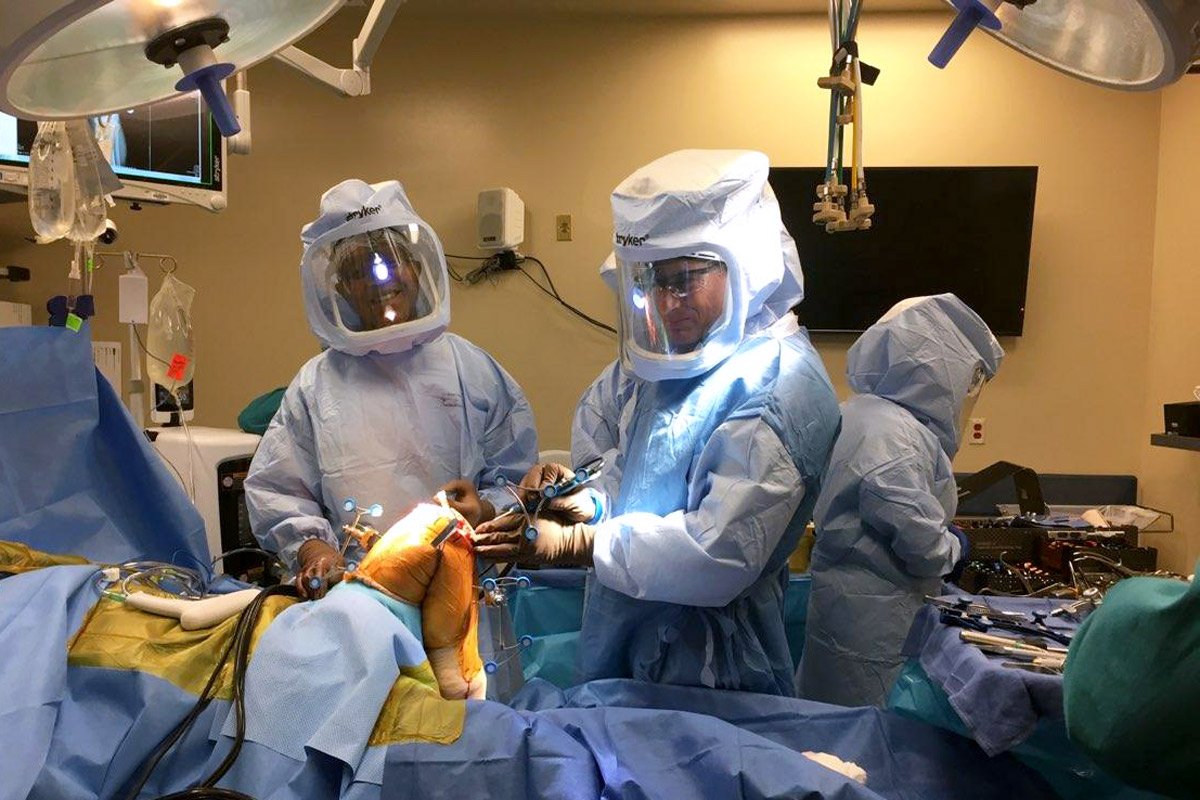
Some severe injuries, including selected ligament tears, unstable fractures, and certain tendon injuries, may require surgery.
The decision depends on the injury, functional limitations, and individual treatment goals.
How Can You Prevent Sports Injuries?
Preventing sports injuries requires consistent preparation and responsible training.
Here are some useful practices:
- Warm up before exercise or sports.
- Increase training intensity gradually.
- Use proper sports equipment and footwear.
- Maintain muscle strength and flexibility.
- Follow correct exercise techniques.
- Allow sufficient recovery between workouts.
- Avoid playing through significant pain.
- Complete rehabilitation before returning to intense activities.
These habits can help reduce injury risk and support long-term physical fitness.
How to Choose the Best Orthopaedic Doctor in Gurugram for Sports Injuries?
Choosing the right orthopaedic specialist is an important part of your recovery journey.
Consider the following factors when selecting a doctor:
- Relevant qualifications and clinical experience.
- Experience in evaluating sports-related injuries.
- Ability to explain diagnosis and treatment clearly.
- Access to appropriate diagnostic facilities.
- Guidance regarding rehabilitation and recovery.
- Individualised treatment recommendations.
Dr. Guruditta Khurana provides orthopaedic consultation and guidance for patients experiencing musculoskeletal concerns. Individuals with sports injuries can seek professional evaluation to understand their condition and discuss suitable treatment options.
Conclusion
Sports injuries can affect anyone, regardless of age or fitness level. While minor injuries may improve with appropriate rest, persistent pain, swelling, instability, and difficulty moving require professional attention.
Consulting the Best Orthopaedic Doctor in Gurugram at the right time can help identify the injury, guide treatment, and support a safer recovery.
Remember, returning to sports too early can increase the risk of reinjury. Give your body enough time to heal and follow medical advice before resuming intense physical activities.
Frequently Asked Questions (FAQs)
1. When should I visit an orthopaedic doctor after a sports injury?
Consult an orthopaedic doctor if you experience severe pain, significant swelling, difficulty walking, joint instability, or symptoms that are not improving.
2. Can sports injuries heal without surgery?
Yes. Many sports injuries, including mild sprains and muscle strains, improve with rest, activity modification, and physiotherapy. Severe injuries may require surgical treatment.
3. How long does it take to recover from a sports injury?
Recovery depends on the injury type and severity. Minor injuries may improve within days or weeks, while ligament tears and fractures can require several months.
4. Should I continue exercising if I have sports-related pain?
Avoid activities that worsen pain. Continuing intense exercise without understanding the injury may increase tissue damage and delay recovery.
5. How can I prevent sports injuries from happening again?
Proper warm-ups, strength training, correct exercise techniques, adequate rest, and completing rehabilitation can help reduce the risk of recurrent injuries.