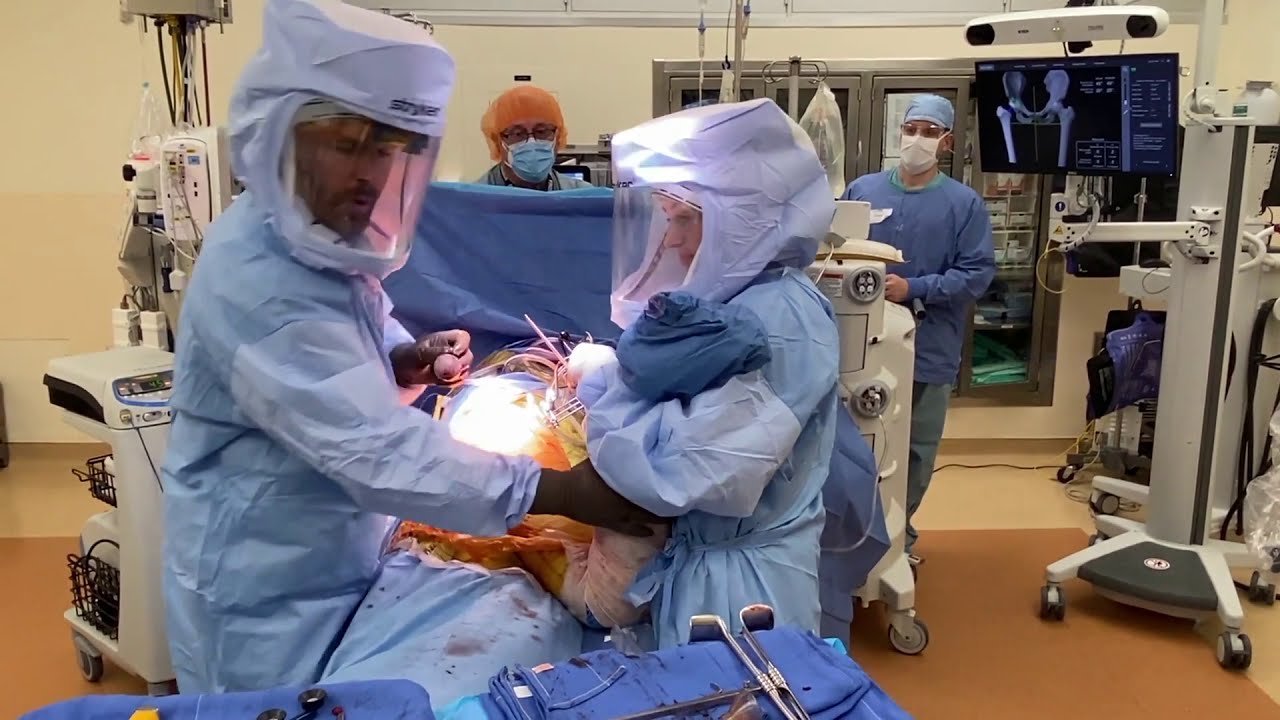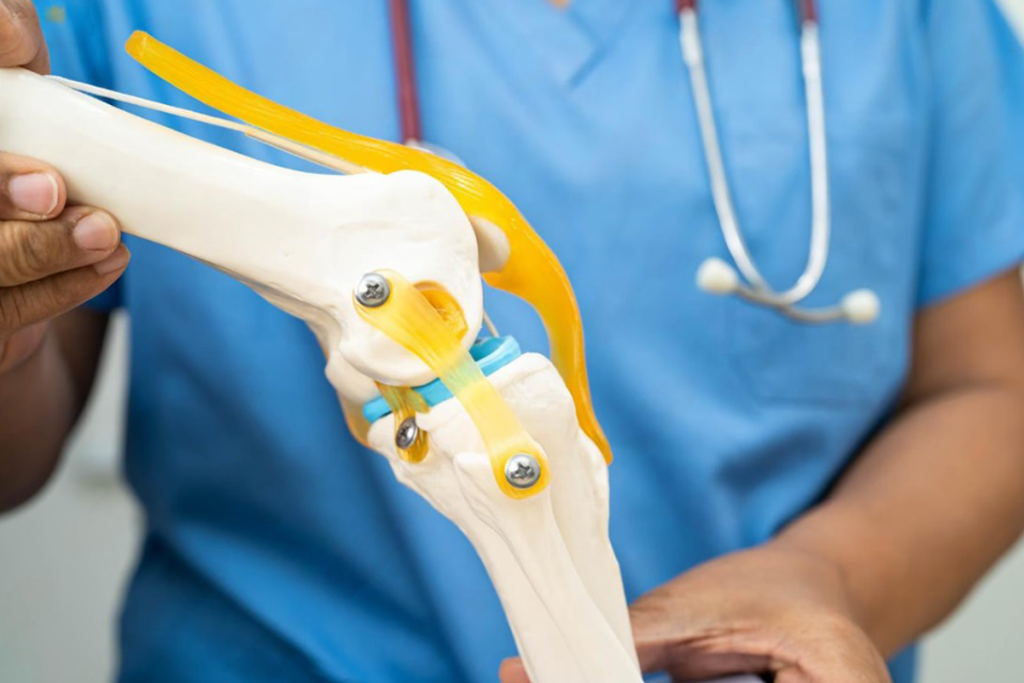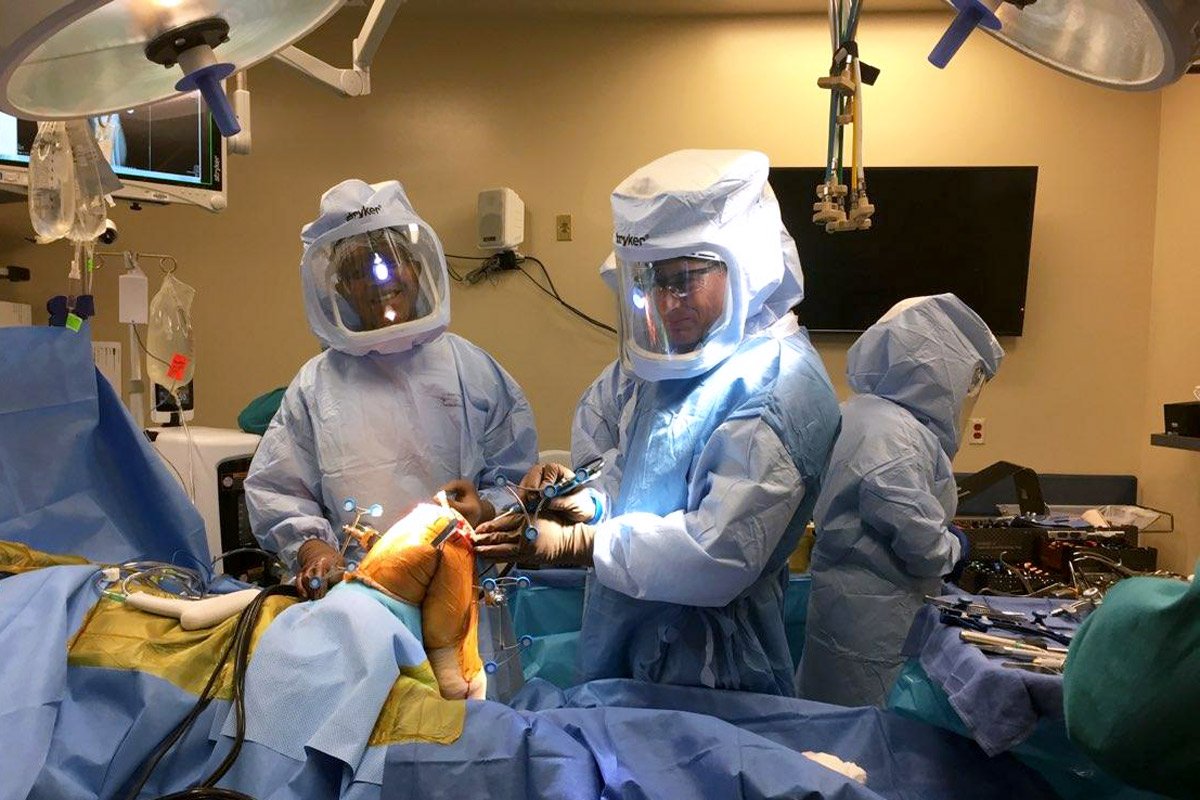
An ACL injury can make simple movements such as walking, climbing stairs, or turning difficult. For athletes and active individuals, it can also affect their ability to return to sports. ACL Reconstruction Surgery in Gurugram may be recommended when a torn anterior cruciate ligament causes persistent knee instability or prevents a person from safely returning to their desired activities.
However, not every person with an ACL tear needs surgery. The decision depends on several factors, including the severity of the injury, knee stability, activity level, age, associated injuries, and response to rehabilitation.
Join our online community! Follow us on: https://www.youtube.com/@RoboticOrthodoc_Guruditta
Understanding who may benefit from ACL reconstruction can help patients make a more informed decision about their knee treatment.
What Is ACL Reconstruction Surgery?
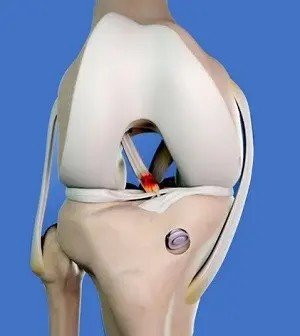
The anterior cruciate ligament, commonly called the ACL, is an important ligament inside the knee. It helps control forward movement and rotational stability of the knee.
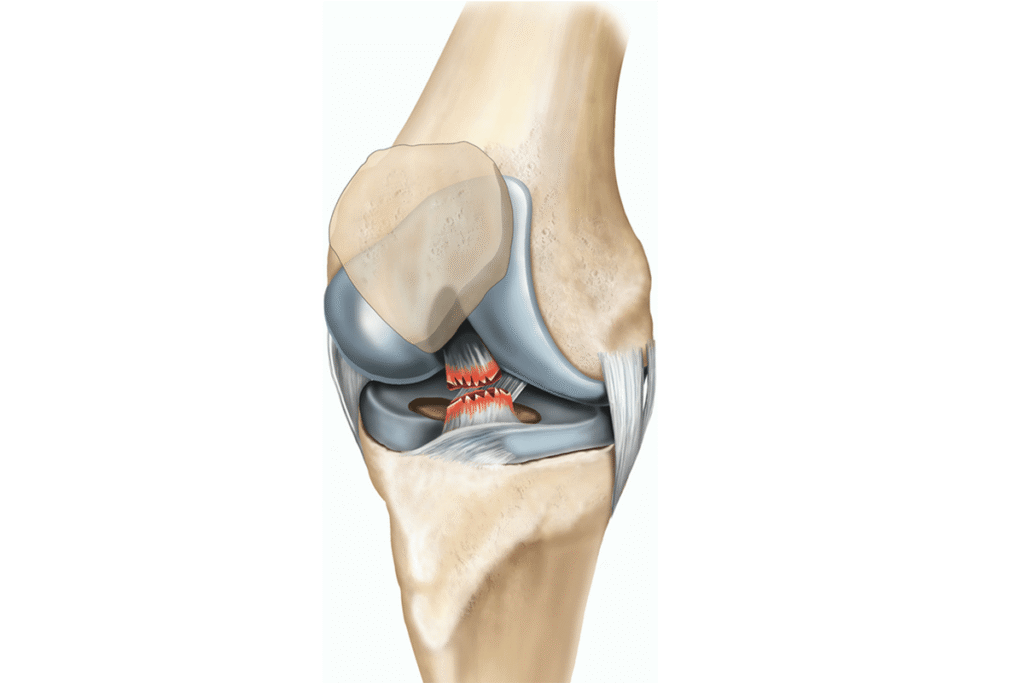
When the ACL is completely torn, it usually does not heal in the same way as many other soft tissues. If the knee remains unstable, a person may experience repeated episodes of the knee giving way. Over time, this instability can contribute to additional meniscus or cartilage problems.
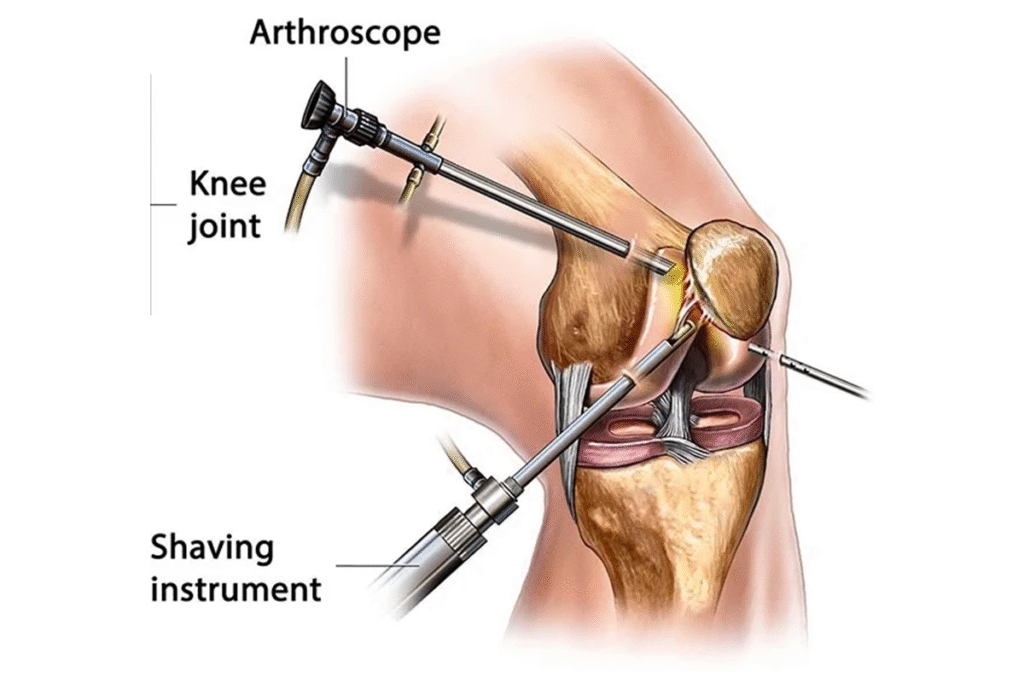
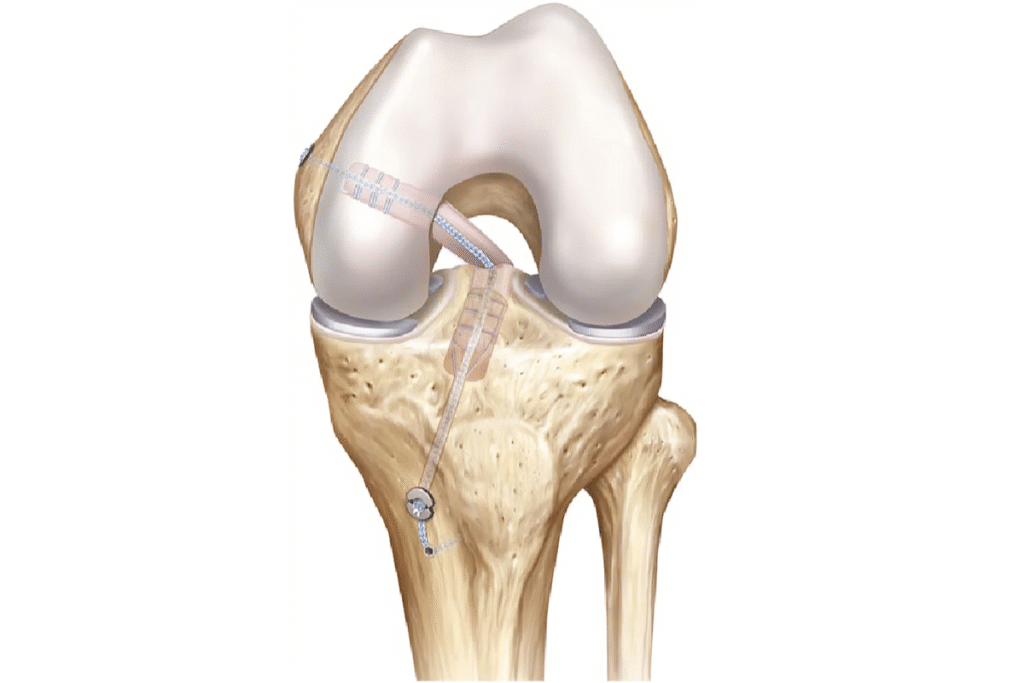
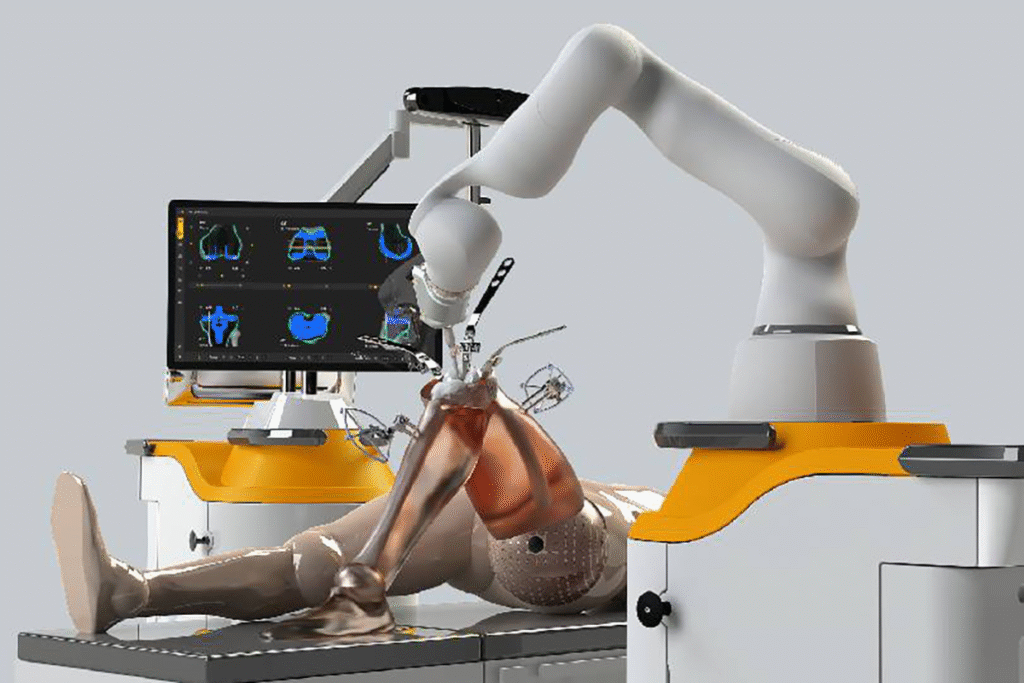
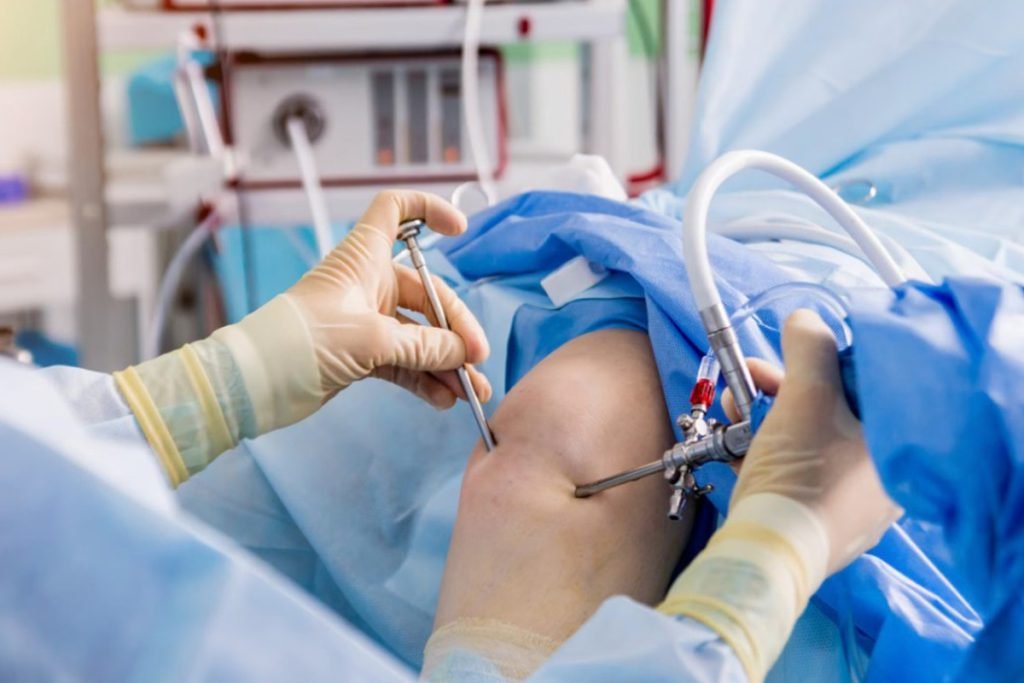
ACL reconstruction involves replacing the damaged ligament with a suitable graft. The graft may be taken from the patient’s own tendon or, in selected situations, from donor tissue. The choice depends on individual factors and the surgeon’s assessment.
Who Is a Suitable Candidate for ACL Reconstruction Surgery?
There is no single age or profile that automatically makes someone suitable for surgery. Instead, an orthopaedic specialist evaluates the complete clinical picture.
1. People With a Complete ACL Tear and Knee Instability
A complete ACL tear with functional instability is one of the most common reasons to consider reconstruction.
Patients may feel that their knee is:
- Giving way during walking
- Unstable while changing direction
- Weak during physical activity
- Unable to support them during sports
- Unpredictable on stairs or uneven surfaces
If instability continues despite appropriate treatment and rehabilitation, ACL Reconstruction Surgery in Gurugram may be considered.
2. Athletes Who Want to Return to Pivoting Sports
ACL injuries are particularly important for people involved in sports that require sudden stopping, turning, jumping, or changing direction.
Examples include:
- Football
- Basketball
- Tennis
- Badminton
- Kabaddi
- Cricket
- Skiing and similar activities
An unstable knee can make these movements difficult and may increase the risk of further injury. Active individuals who want to return to demanding sports may therefore benefit from reconstruction after proper evaluation.
3. People With Physically Demanding Jobs
ACL reconstruction is not limited to professional athletes.
People whose jobs involve heavy lifting, climbing, frequent squatting, kneeling, or sudden movements may also experience problems with an unstable ACL-deficient knee.
For such individuals, restoring knee stability can be important for safely performing their work. Activity level and functional requirements are therefore important considerations when discussing ACL Reconstruction Surgery in Gurugram.
4. Patients With Associated Meniscus or Cartilage Injuries
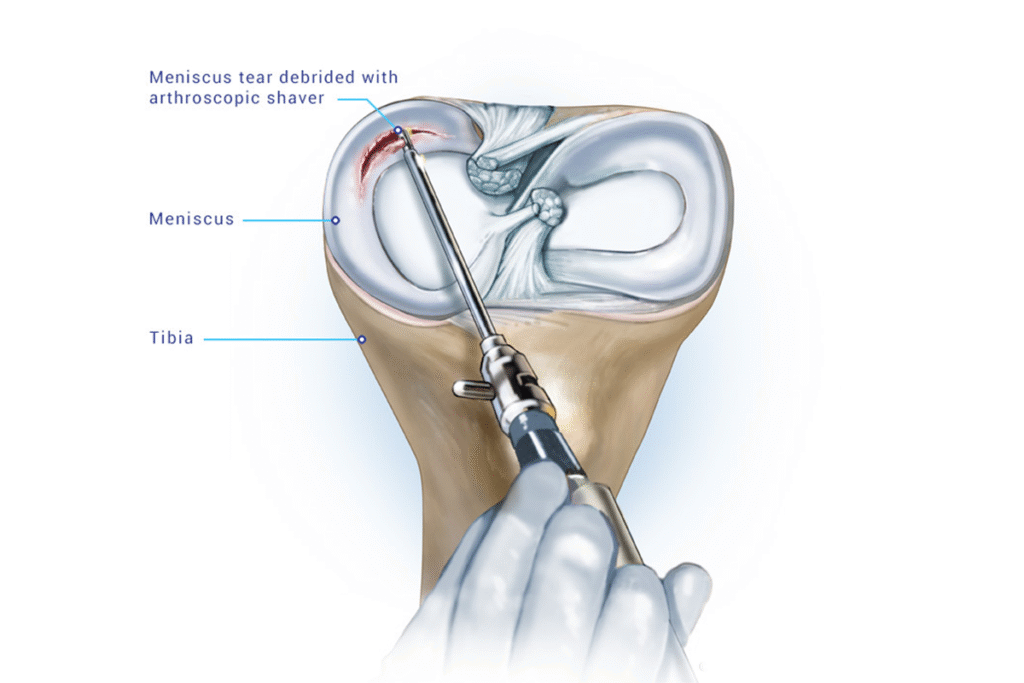
ACL injuries can occur along with other knee injuries. These may include meniscus tears, cartilage damage, or injuries to other ligaments.
When an ACL tear occurs together with additional knee damage, surgery may be considered more strongly in appropriate patients. Meniscus preservation is also an important part of protecting long-term knee function.
5. Patients Who Continue to Have Problems After Rehabilitation
Surgery is not always the first treatment after an ACL injury.
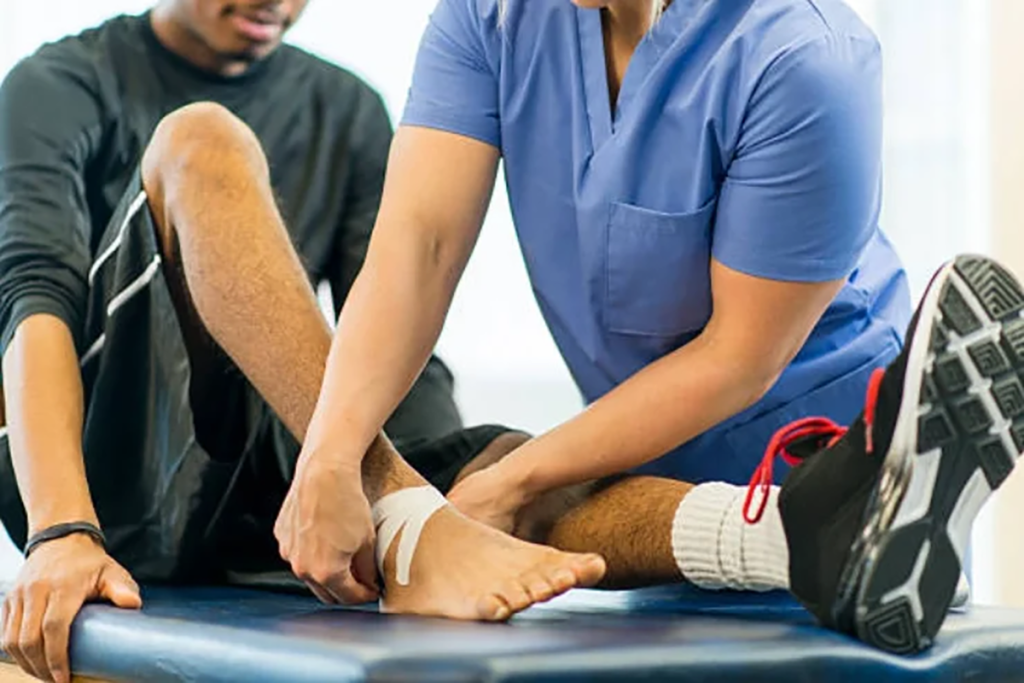
Some patients, particularly those with lower activity demands and a stable knee, may manage their symptoms with physiotherapy, strengthening exercises, activity modification, and rehabilitation.
However, if a patient continues to experience instability despite appropriate rehabilitation, surgical reconstruction may become an option.
This is why a proper assessment is important before deciding on ACL Reconstruction Surgery in Gurugram.
Is Age a Deciding Factor?
Age alone does not determine whether ACL reconstruction is appropriate.
A younger, active patient who wants to return to sports may have different treatment goals from an older person who mainly wants to walk comfortably and perform daily activities.
Older adults can also be candidates for ACL reconstruction when they are physically active and have appropriate overall health. Conversely, a younger person may not automatically require surgery if the knee remains stable and their activity demands are low.
The decision should therefore focus on activity level, knee stability, symptoms, associated injuries, and individual goals, rather than age alone.
Why Pre-Surgery Rehabilitation Matters
Having surgery immediately after an ACL injury is not always ideal.
Before reconstruction, the knee should generally have good range of motion, minimal swelling, and adequate quadriceps control. If the knee is significantly swollen or stiff, surgery may be postponed while these issues are addressed.
Pre-surgery physiotherapy can help:
- Reduce swelling
- Restore knee movement
- Improve muscle strength
- Prepare the knee for surgery
- Support postoperative rehabilitation
This preparation can be an important part of the overall treatment plan.
When Should ACL Reconstruction Be Considered?
When surgery is indicated for an acute isolated ACL tear, current AAOS guidance favors early reconstruction because the risk of additional meniscus and cartilage injury begins to increase within approximately three months.
The exact timing still depends on the patient’s condition. Swelling, range of motion, associated injuries, physical readiness, and overall health all need to be considered.
Therefore, patients should not decide the timing of ACL Reconstruction Surgery in Gurugram based only on the calendar. A clinical examination and appropriate imaging can help determine the next step.
When May Surgery Not Be Necessary?
Not every ACL tear requires reconstruction.
Non-surgical treatment may be suitable for some patients who:
- Have lower physical activity demands
- Do not experience significant instability
- Are comfortable modifying certain activities
- Respond well to physiotherapy
- Do not have injuries requiring surgical treatment
A partial ACL tear may also be managed without surgery in selected cases. However, persistent instability can change the treatment plan.
The goal is not simply to repair an MRI finding. The goal is to provide a stable, functional, and comfortable knee that matches the patient’s lifestyle.
What Happens Before ACL Reconstruction?
Before recommending surgery, an orthopaedic specialist may evaluate:
- The history of the injury
- Knee stability and physical examination findings
- Range of motion and swelling
- Muscle strength
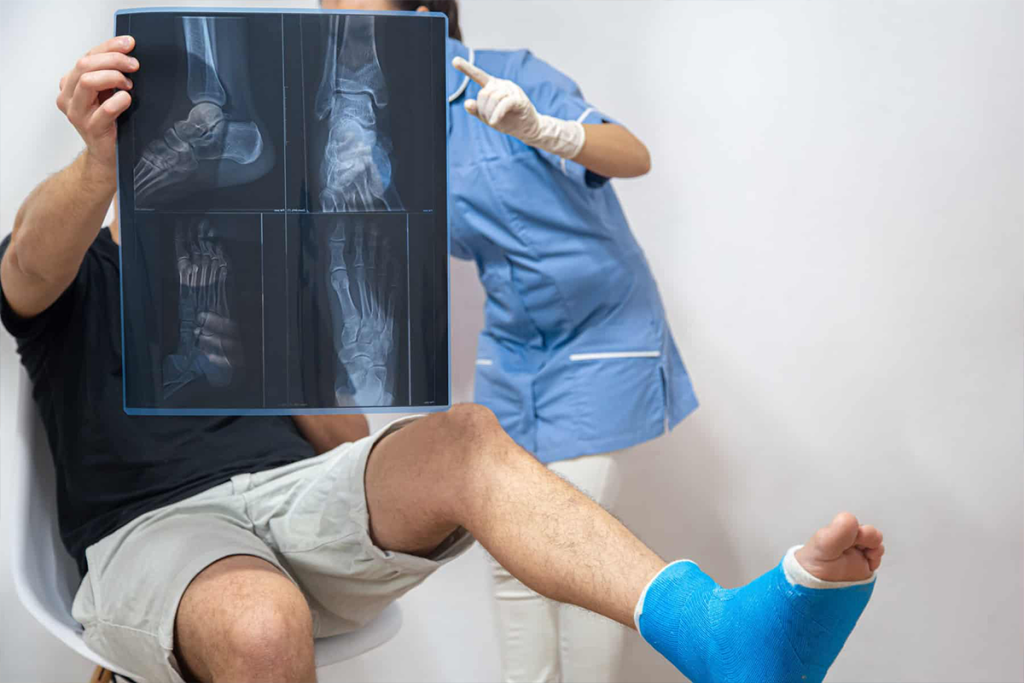
- MRI or other imaging findings
- Meniscus and cartilage condition
- Patient’s activity and sports requirements
- General health and ability to complete rehabilitation
This complete evaluation helps determine whether ACL Reconstruction Surgery in Gurugram is appropriate.
What Can Patients Expect After Surgery?
ACL reconstruction is only one part of recovery. Rehabilitation plays a major role in regaining strength, movement, balance, and confidence.
Postoperative rehabilitation generally focuses on gradually restoring knee movement, weight-bearing ability, muscle strength, and functional control. Return to sports should be based on functional recovery rather than simply assuming that a certain number of weeks has passed.
Patients should follow their surgeon’s and physiotherapist’s rehabilitation plan carefully.
Conclusion
ACL reconstruction is not automatically required for every person with an ACL tear. The most suitable candidates are generally those with significant knee instability, higher activity demands, sports-related goals, physically demanding occupations, or associated injuries that make reconstruction beneficial.
At the same time, some patients may achieve good function through structured rehabilitation and activity modification.
A detailed orthopaedic evaluation is the best way to understand whether ACL Reconstruction Surgery in Gurugram is right for you. The treatment plan should be based on your knee condition, lifestyle, goals, and long-term joint health.
Frequently Asked Questions
1. Who is usually considered a good candidate for ACL reconstruction?
Patients with a complete ACL tear and ongoing functional instability are common candidates. Surgery may also be considered for active individuals who want to return to pivoting sports or physically demanding activities.
2. Can an older person undergo ACL reconstruction surgery?
Yes. Age alone does not rule out ACL reconstruction. An active older adult with an unstable knee may benefit from surgery if they are otherwise suitable and have appropriate treatment goals.
3. Does every complete ACL tear require surgery?
No. Treatment depends on symptoms, activity level, knee stability, associated injuries, and patient goals. Some less-active patients may manage successfully with rehabilitation and activity modification.
4. Is physiotherapy required before ACL reconstruction?
In many cases, preoperative rehabilitation is useful. Improving knee movement, reducing swelling, and restoring quadriceps control can help prepare the knee for surgery and rehabilitation.
5. How do I know whether I need ACL Reconstruction Surgery in Gurugram?
A specialist should assess your symptoms, knee stability, physical activity, imaging results, and associated injuries. A personalised evaluation can determine whether surgery or non-surgical treatment is more appropriate for you.