Many children complain of pain in their legs, especially at night. Parents often get worried, wondering whether something is wrong. In most cases, this discomfort is known as growing pains, and it is generally harmless. However, recognizing what’s normal and what isn’t is important for your child’s health. If symptoms seem concerning, consulting the Best Growing Pains treatment in Gurugram Sector 51 with Dr. Guruditta Khurana can provide clarity and proper guidance.
Join our online community! Follow us on: https://www.youtube.com/@RoboticOrthodoc_Guruditta
Growing pains may sound alarming, but they are a natural part of many children’s growth journey. Let’s understand why they happen, when to relax, and when to seek a doctor’s help.
What Are Growing Pains?
Growing pains are aching or throbbing sensations usually felt in both legs, particularly in the thighs, calves, or behind the knees. These pains most commonly affect children between the ages of 3 and 12. The pain typically:
- Occurs in the evening or at night
- May wake the child from sleep
- Disappears by morning
- Does not cause swelling, redness, or difficulty in walking
Despite their name, growing pains are not directly caused by growth, but they are associated with physical activities children engage in throughout the day. Dr. Guruditta Khurana emphasizes that proper observation and care are key.
Why Do Growing Pains Occur in Children?
Doctors believe growing pains are linked to many physical and developmental factors, such as:
✔ Muscle Fatigue
Children are constantly active—running, jumping, playing sports, and being curious explorers. This overuse may cause temporary muscle fatigue, leading to discomfort at night.
✔ Low Pain Threshold
Some children are more sensitive to pain than others. In such kids, even a normal strain may feel more uncomfortable.
✔ Rapid Bone Growth
Although growing pains are not purely due to growth, rapid development during childhood can put stress on muscles and tendons, increasing soreness.
✔ Joint Flexibility
Kids with flexible joints (hypermobile joints) may strain their muscles more easily, contributing to growing pains.
If symptoms persist, a consultation with the Best Growing Pains treatment in Gurugram Sector 51 by Dr. Guruditta Khurana helps rule out other conditions and ensures peace of mind.
What’s Normal and What Isn’t?
Understanding the difference between normal growing pains and abnormal pain is crucial.
🟢 Normal Symptoms
- Pain occurs at night and improves by morning
- Affects both legs (not just one)
- No swelling, redness, or fever
- The child walks normally during the day
- Pain improves with massage or rest
These signs indicate harmless growing pains and generally do not require medical tests. Dr. Guruditta Khurana confirms that most cases can be managed with simple home care.
🔴 Abnormal Symptoms (Warning Signs)
Seek medical attention if your child experiences:
- Persistent pain during the day
- Pain in only one leg
- Swelling, redness, or warmth in a joint
- Trouble walking or limping
- Fever or weight loss
- Loss of appetite or fatigue
These symptoms may signal a different condition, such as injury, infection, arthritis, or vitamin deficiency. Early diagnosis at the Best Growing Pains treatment in Gurugram Sector 51 with Dr. Guruditta Khurana ensures timely and proper care.

How Are Growing Pains Diagnosed?
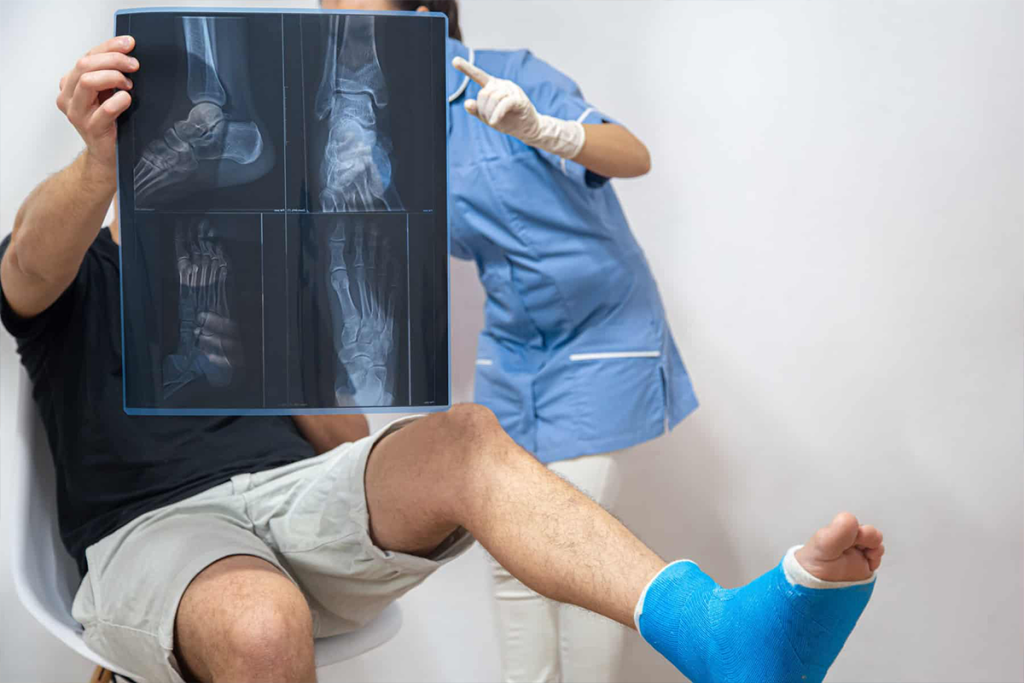
There is no special test for growing pains. Diagnosis is based on your child’s symptoms, daily activities, and physical examination. Most children do not require X-rays or blood tests unless abnormal signs are present.
Dr. Guruditta Khurana evaluates whether the pain:
- Matches typical growing pain symptoms
- Are there any red flags
- Requires additional assessment
This approach avoids unnecessary investigations and reassures parents.
Home Care Tips to Soothe Growing Pains
While growing pains are harmless, the discomfort can disturb your child’s sleep. These simple measures help:
🟡 Gentle Massage
A light leg massage can relax muscles and provide immediate comfort.
🟡 Warm Compress
Placing a warm cloth or heating pad on painful areas helps reduce soreness.
🟡 Stretching Exercises
Simple stretches recommended by Dr. Guruditta Khurana can reduce recurring pain.
🟡 Maintain Hydration
Kids who are dehydrated may experience more intense muscle discomfort. Proper hydration is essential.
🟡 Balanced Nutrition
A diet rich in calcium, Vitamin D, and iron keeps bones and muscles strong.
If symptoms persist despite home care, consider guidance from the Best Growing Pains treatment in Gurugram Sector 51 by Dr. Guruditta Khurana for a personalized plan.

When Should You Visit a Doctor?
While most growing pains resolve naturally, consult a pediatric specialist if:
- The pain worsens over time
- Your child experiences daytime discomfort
- Pain interferes with normal activities
- You notice changes in walking or posture
A professional evaluation not only treats discomfort but also eliminates the fear of serious illness. Dr. Guruditta Khurana stresses that early consultation ensures your child remains healthy and active.
Conclusion
Growing pains are a common and harmless part of childhood development. They typically occur at night, affect both legs, and disappear by morning. While they may worry parents, understanding what’s normal and what isn’t makes it easier to manage your child’s discomfort.
Remember, pain that is persistent, accompanied by swelling, redness, fever, or difficulty walking should never be ignored. Early evaluation ensures your child remains active, healthy, and pain-free.
Consult Dr. Guruditta Khurana at the Best Growing Pains treatment in Gurugram Sector 51 for expert guidance, accurate diagnosis, and effective management tailored to your child’s needs.