Best Joint Replacement Surgeon in Gurugram

What are the benefits of joint replacement surgery?

Joint pain can make even the simplest daily activities difficult. Walking, climbing stairs, sitting for long hours, or enjoying your favorite hobbies may become painful when your joints are damaged due to arthritis, injury, or age-related wear and tear. If non-surgical treatments no longer provide relief, joint replacement surgery can be a life-changing solution.

Join our online community! Follow us on: https://www.youtube.com/@RoboticOrthodoc_Guruditta

Consulting the Best Joint Replacement Surgeon in Gurugram ensures that you receive accurate diagnosis, personalized treatment, and advanced surgical care for long-lasting results. Dr. Guruditta Khurana has extensive experience in performing joint replacement procedures using modern techniques that help patients regain mobility, reduce pain, and improve their overall quality of life.

Understanding Joint Replacement Surgery

Joint replacement surgery is an orthopedic procedure in which a damaged or worn-out joint is replaced with an artificial implant (prosthesis). These implants are designed to restore the normal movement of the joint while significantly reducing pain.

The procedure is commonly performed for:

  • Knee replacement
  • Hip replacement
  • Shoulder replacement
  • Elbow replacement (in selected cases)

Patients suffering from severe osteoarthritis, rheumatoid arthritis, fractures, or joint deformities often benefit from this surgery.

Choosing the Best Joint Replacement Surgeon in Gurugram is essential because surgical expertise directly impacts recovery, implant positioning, and long-term success.

Who May Need Joint Replacement Surgery?

Not every patient with joint pain requires surgery. However, surgery may be recommended if you experience:

  • Persistent joint pain despite medication
  • Difficulty walking or climbing stairs
  • Stiffness that limits movement
  • Pain even while resting
  • Reduced quality of life
  • Severe joint damage visible on X-rays

When conservative treatments such as physiotherapy, injections, weight management, and medications fail to provide relief, joint replacement becomes an effective option.

Benefits of Joint Replacement Surgery

1. Significant Pain Relief

One of the biggest advantages of joint replacement surgery is long-term pain relief.

Damaged cartilage causes bones to rub against each other, leading to chronic pain. Replacing the damaged joint removes this source of pain, allowing patients to enjoy daily life comfortably.

Many patients notice dramatic improvement within a few weeks after surgery.

2. Improved Mobility

Limited movement often affects independence.

After successful joint replacement surgery and rehabilitation, patients can:

  • Walk comfortably
  • Climb stairs
  • Sit and stand easily
  • Perform household activities
  • Resume outdoor activities

Under the care of the Best Joint Replacement Surgeon in Gurugram, patients receive customized rehabilitation plans that maximize mobility.

3. Better Quality of Life

Living with constant joint pain affects both physical and emotional well-being.

Joint replacement surgery helps patients:

  • Sleep better
  • Travel comfortably
  • Return to work
  • Participate in family activities
  • Enjoy hobbies again

Regaining independence often improves confidence and overall happiness.

4. Long-Lasting Results

Modern joint implants are highly durable.

With proper care and regular follow-up, many knee and hip replacements can last 15–25 years or even longer.

Advancements in implant materials and surgical techniques have significantly improved long-term outcomes.

5. Enhanced Joint Function

Joint replacement restores smoother movement by replacing damaged surfaces with artificial components.

Patients often experience:

  • Better flexibility
  • Increased joint stability
  • Improved balance
  • Reduced stiffness

These improvements make everyday activities easier and more comfortable.

6. Better Physical Fitness

Chronic joint pain often limits exercise.

After recovery, many patients are able to participate in low-impact activities such as:

  • Walking
  • Swimming
  • Cycling
  • Light yoga

Regular exercise helps maintain a healthy weight, strengthens muscles, and supports overall health.

7. Reduced Dependence on Pain Medications

Long-term use of painkillers may cause unwanted side effects.

Joint replacement surgery often reduces or eliminates the need for daily pain medications, helping patients avoid complications associated with prolonged medication use.

8. Improved Mental Well-Being

Living with chronic pain can lead to:

  • Stress
  • Anxiety
  • Depression
  • Poor sleep

Pain relief and improved mobility often result in better emotional health and greater confidence.

Many patients report feeling more energetic and optimistic after successful surgery.

Modern Advances in Joint Replacement Surgery

Today’s orthopedic technology has made joint replacement safer and more effective than ever.

Modern advancements include:

  • Minimally invasive surgical techniques
  • Computer-assisted joint replacement
  • High-quality implant materials
  • Faster recovery protocols
  • Better pain management
  • Personalized rehabilitation programs

These innovations reduce hospital stays, minimize blood loss, and help patients recover more quickly.

Recovery After Joint Replacement Surgery

Recovery varies depending on the patient’s age, overall health, and the joint involved.

Most patients can expect:

During the First Few Days

  • Pain management
  • Early walking with assistance
  • Physiotherapy begins

Within 6 Weeks

  • Improved walking ability
  • Reduced swelling
  • Better range of motion

Within 3 to 6 Months

Most patients resume normal daily activities with significantly less pain and greater mobility.

Following your surgeon’s rehabilitation instructions plays an important role in achieving the best possible outcome.

Tips for a Successful Recovery

Patients can improve recovery by:

  • Following physiotherapy regularly
  • Maintaining a healthy weight
  • Staying physically active
  • Eating a balanced diet
  • Attending follow-up appointments
  • Avoiding high-impact activities unless advised

These healthy habits help protect the new joint and improve long-term results.

Why Choose Dr. Guruditta Khurana?

When considering joint replacement surgery, experience matters.

Dr. Guruditta Khurana is known for providing patient-focused orthopedic care with advanced surgical techniques and personalized treatment plans. Every patient receives a detailed evaluation to determine the most suitable treatment based on their condition, lifestyle, and expectations.

Patients seeking the Best Joint Replacement Surgeon in Gurugram benefit from comprehensive care that includes accurate diagnosis, modern surgical methods, structured rehabilitation, and continuous follow-up to ensure optimal recovery.

Conclusion

Joint replacement surgery has transformed the lives of millions of people by relieving chronic pain, restoring mobility, and improving overall quality of life. Whether you are struggling with severe arthritis, joint degeneration, or long-term injury, timely treatment can help you regain independence and return to an active lifestyle.

Choosing the Best Joint Replacement Surgeon in Gurugram is one of the most important decisions for achieving successful, long-lasting results. With extensive orthopedic expertise, advanced surgical techniques, and patient-centered care, Dr. Guruditta Khurana is committed to helping patients move comfortably, live pain-free, and enjoy a healthier future.

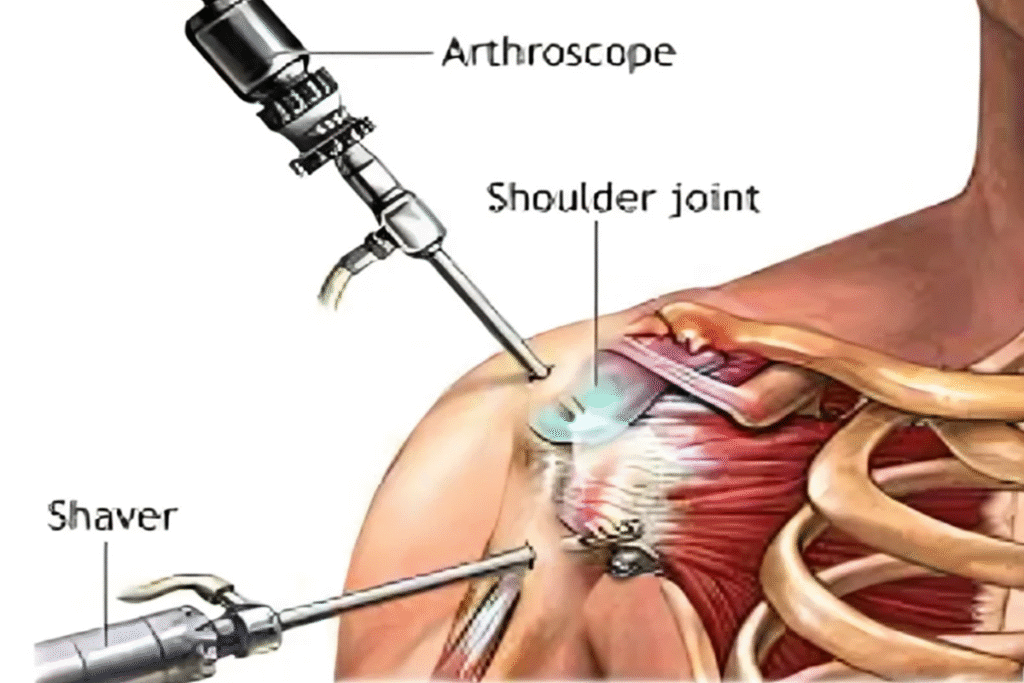
Table of Contents

Scroll to Top

Best Shoulder Arthroscopy in Gurugram

Shoulder Arthroscopy is a minimally invasive surgical procedure used to diagnose and treat shoulder joint problems using a small camera called an arthroscope. The camera provides a clear, magnified view inside the shoulder, allowing surgeons to repair damaged tissues through tiny incisions instead of traditional open surgery. This leads to less pain, smaller scars, and faster recovery.

When is Shoulder Arthroscopy Recommended?


Shoulder arthroscopy is advised when pain, stiffness, or weakness does not improve with medications, physiotherapy, or injections.

Common Shoulder Problems Treated


  • Rotator Cuff Tears – Repairing torn tendons

  • Shoulder Impingement – Removing inflamed tissue or bone spurs

  • Labral Tears – Repairing the cartilage around the socket

  • Shoulder Instability / Dislocation – Tightening or repairing ligaments

  • Frozen Shoulder – Releasing tight tissues

  • Arthritis & Cartilage Damage – Cleaning or smoothing rough surfaces

  • Removal of Loose Fragments – Bone or cartilage pieces inside the joint

Best Knee Arthroscopy in Gurugram

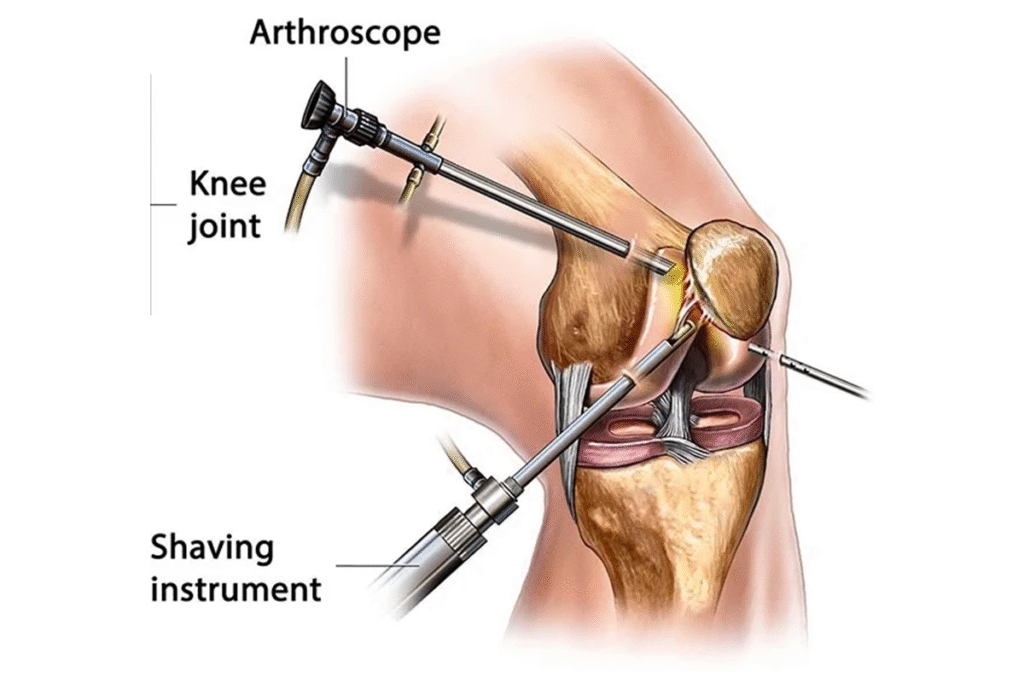
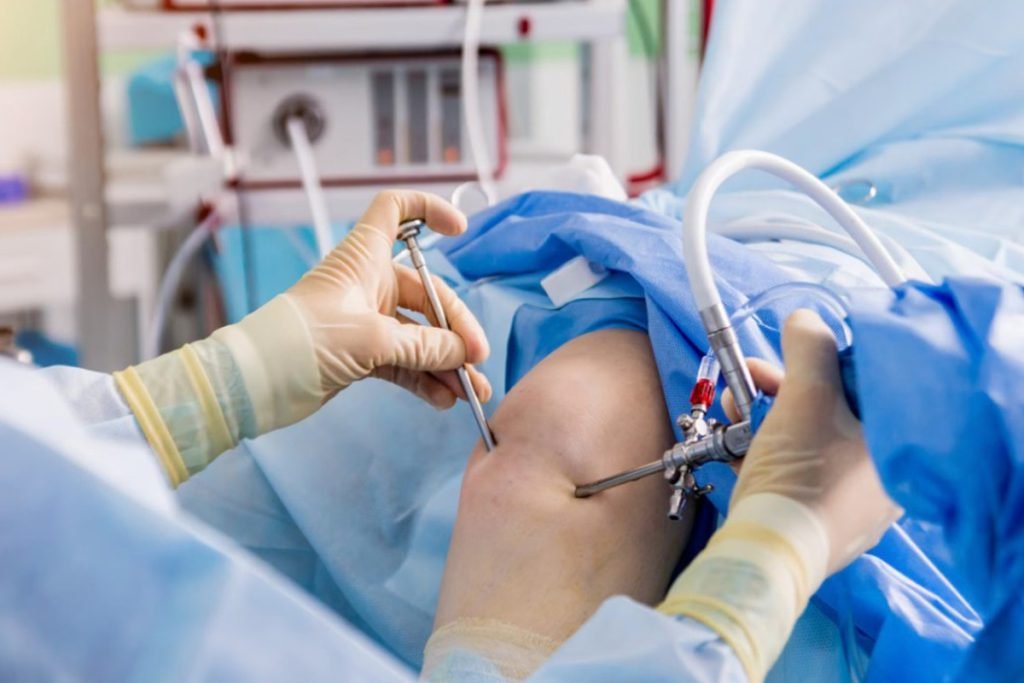
Knee Arthroscopy is a minimally invasive surgical procedure used to diagnose and treat knee joint problems using a tiny camera called an arthroscope. The camera provides a clear view of the inside of the knee, allowing surgeons to accurately detect damage and perform precise treatments through small incisions, causing less pain and enabling faster recovery compared to traditional open surgery.

When is Knee Arthroscopy Recommended?


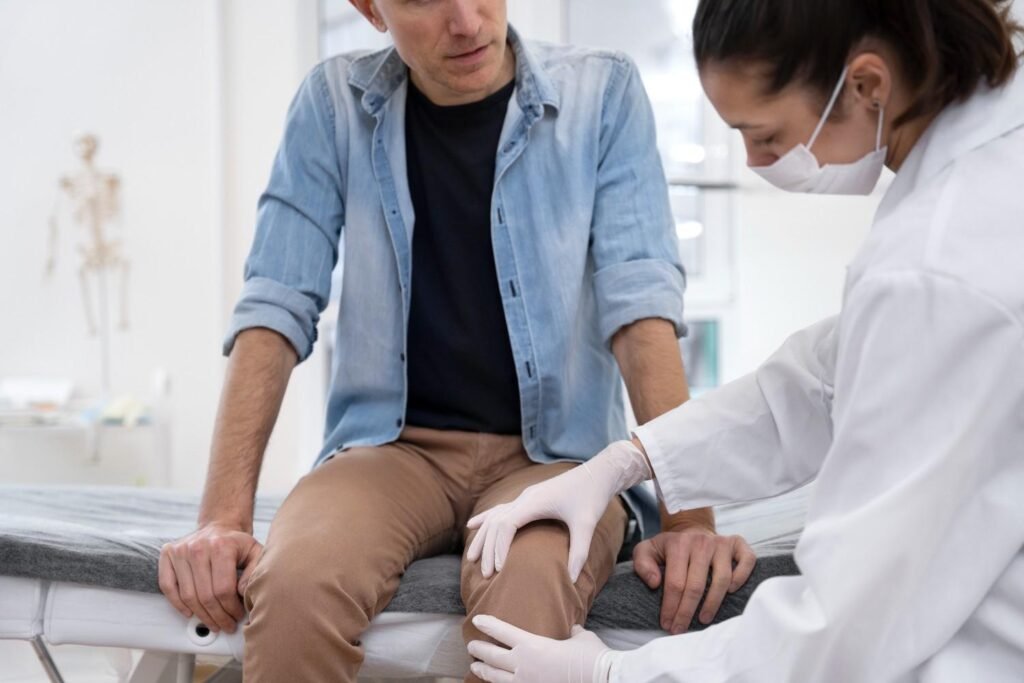
Knee arthroscopy is advised when there is persistent knee pain, swelling, stiffness, or locking that does not improve with medication, physiotherapy, or lifestyle changes.

Common Conditions Treated


  • Meniscus Tears – Repair or removal of torn cartilage

  • Ligament Injuries – Including ACL and PCL reconstruction

  • Loose Bone or Cartilage Fragments – Removal of debris inside the joint

  • Synovitis – Inflammation of the joint lining

  • Knee Cap (Patella) Problems – Maltracking or instability

  • Early Osteoarthritis – Debridement or cartilage smoothing

Best Hip Replacement in Gurugram

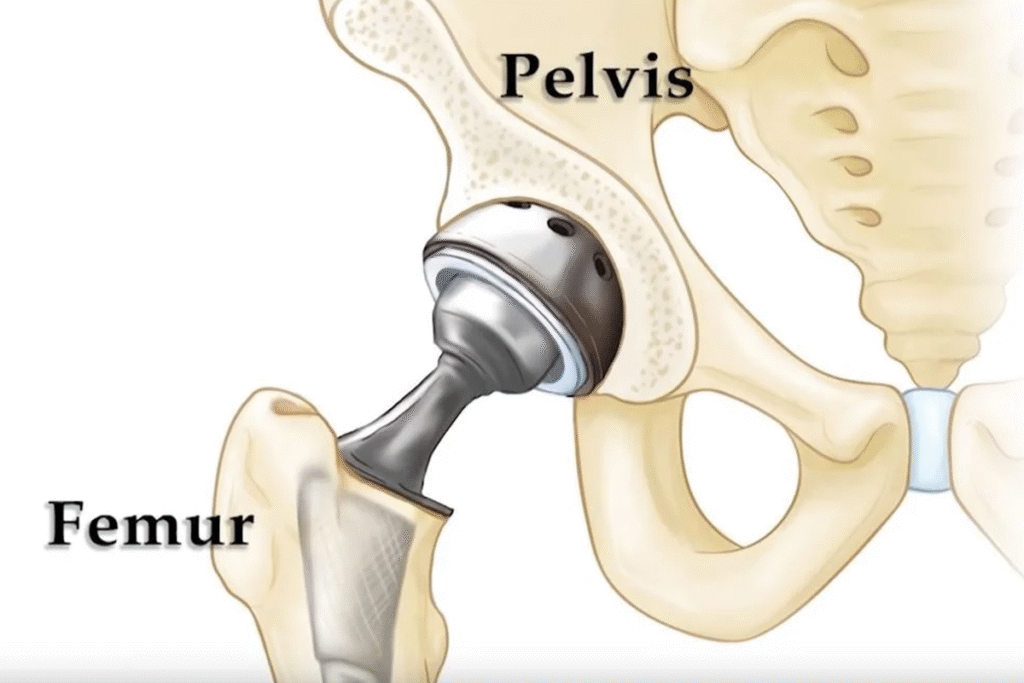
Hip Replacement — also called Total Hip Replacement (THR) or Hip Arthroplasty — is a surgical procedure where a damaged or diseased hip joint is replaced with an artificial implant made of metal, ceramic, or high-grade plastic. The goal is to relieve pain, restore mobility, and improve overall quality of life.

It’s most commonly recommended when severe arthritis, injury, or degeneration makes daily activities like walking, climbing stairs, or even sitting painful and difficult.

Who Needs Hip Replacement?


Hip replacement is advised when non-surgical treatments like medications, physiotherapy, or injections no longer provide relief.

Common Conditions Requiring Hip Replacement


  • Osteoarthritis – Wear-and-tear arthritis causing cartilage loss

  • Rheumatoid Arthritis – Inflammatory arthritis damaging the joint

  • Avascular Necrosis – Bone collapse due to poor blood flow

  • Post-Traumatic Arthritis – Arthritis after hip injury or fractures

  • Hip Dysplasia – Abnormal hip development leading to degeneration

  • Persistent hip stiffness, pain, and mobility loss

Best Knee Replacement ​in Gurugram

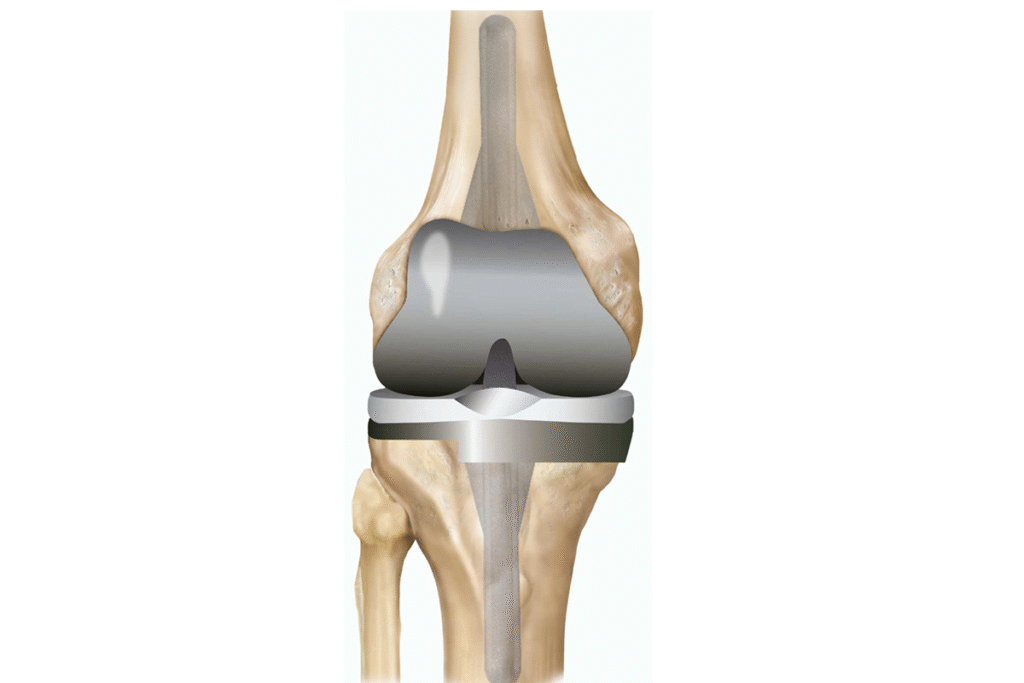
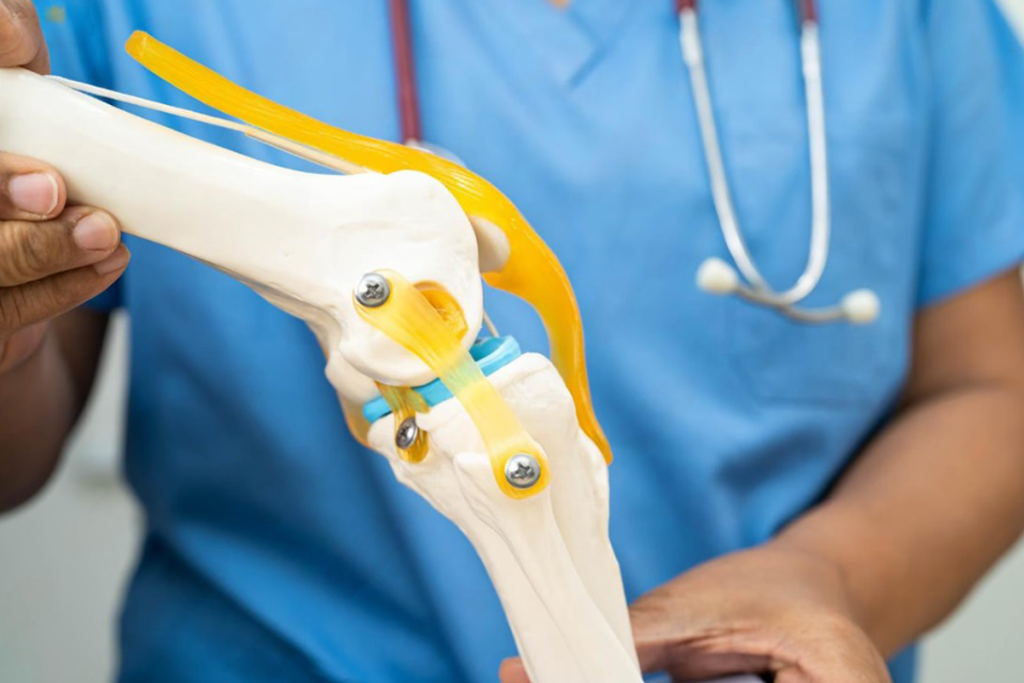
Knee Replacement — also known as Total Knee Replacement (TKR) or Knee Arthroplasty — is a surgical procedure where a damaged or worn-out knee joint is replaced with an artificial implant to relieve pain, restore mobility, and improve quality of life. It is most commonly performed for severe arthritis or knee injuries when other treatments like medicines, physiotherapy, and injections no longer provide relief.

Who Needs Knee Replacement?


Knee replacement is recommended when knee damage causes persistent pain, stiffness, and difficulty in daily activitiesdespite conservative treatment.

Common Conditions Requiring Knee Replacement


  • Osteoarthritis – Wear-and-tear arthritis causing cartilage loss

  • Rheumatoid Arthritis – Autoimmune inflammation damaging joints

  • Post-Traumatic Arthritis – Knee degeneration after injuries or fractures

  • Avascular Necrosis – Bone damage due to poor blood supply

  • Severe knee deformities (knock knees or bowlegs

Best Fracture Treatment ​in Gurugram

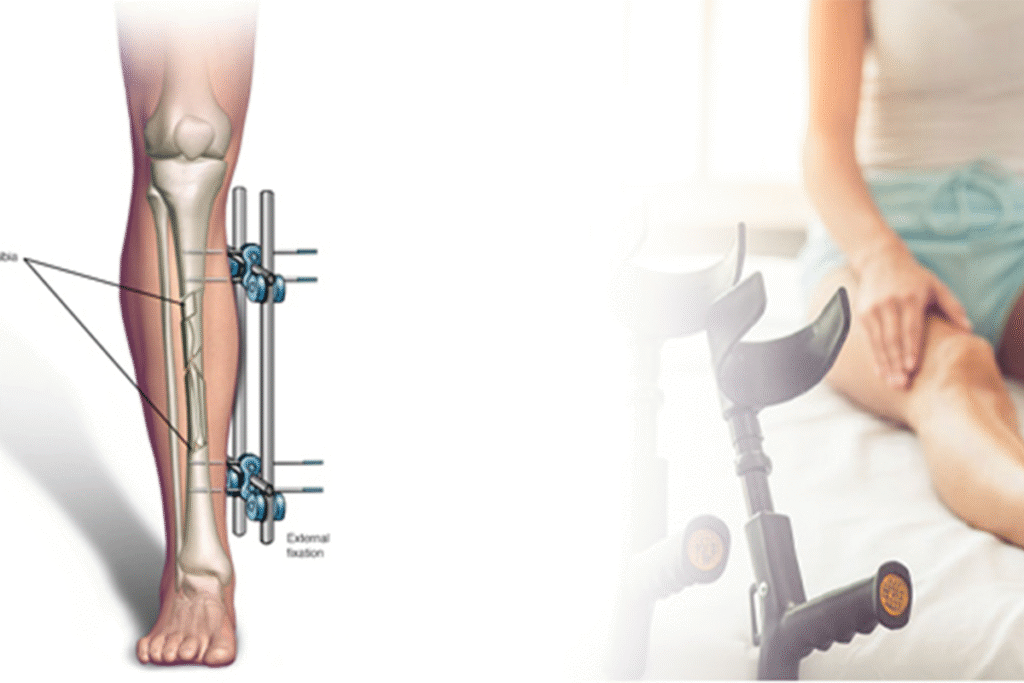
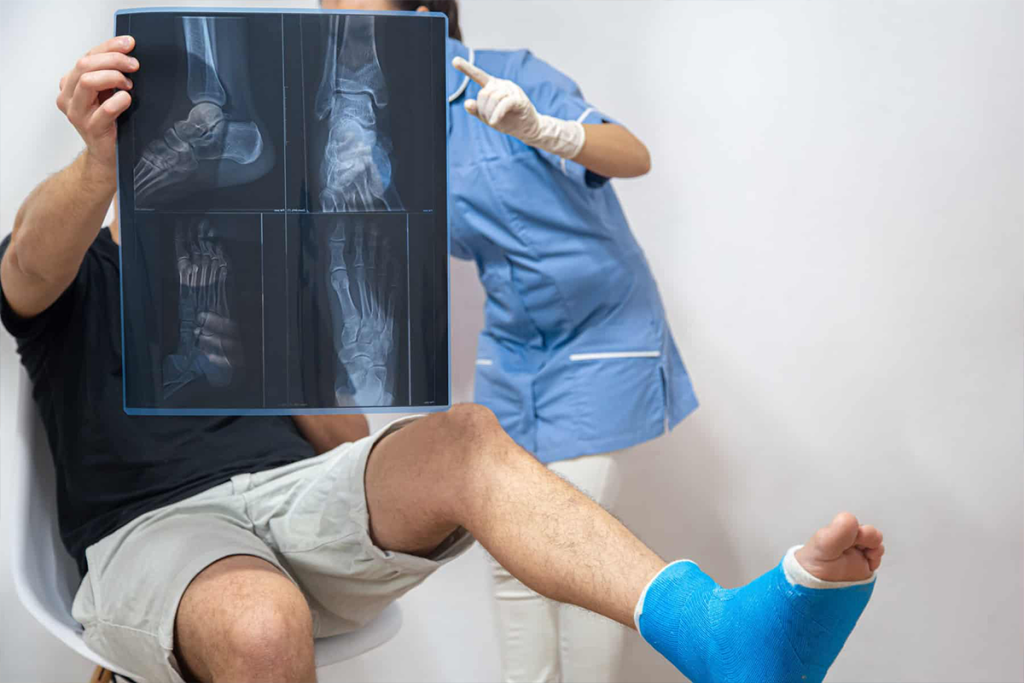
Fracture Treatment involves the diagnosis, management, and healing of broken bones caused by trauma, accidents, sports injuries, falls, or underlying medical conditions like osteoporosis. The goal is to restore bone alignment, promote healing, relieve pain, and regain full function of the affected limb or joint. Treatment varies depending on the type, location, and severity of the fracture.

Types of Fractures


Fractures are classified based on how the bone breaks:

  1. Closed (Simple) Fracture – Bone breaks but does not pierce the skin.

  2. Open (Compound) Fracture – Bone breaks and comes through the skin, requiring urgent care.

  3. Hairline (Stress) Fracture – Small crack caused by overuse or repetitive stress.

  4. Comminuted Fracture – Bone shatters into several pieces.

  5. Greenstick Fracture – Common in children; bone bends and cracks but doesn’t break completely.

  6. Pathological Fracture – Bone breaks due to weakness from diseases like osteoporosis or cancer.

Best Meniscus Repair ​in Gurugram

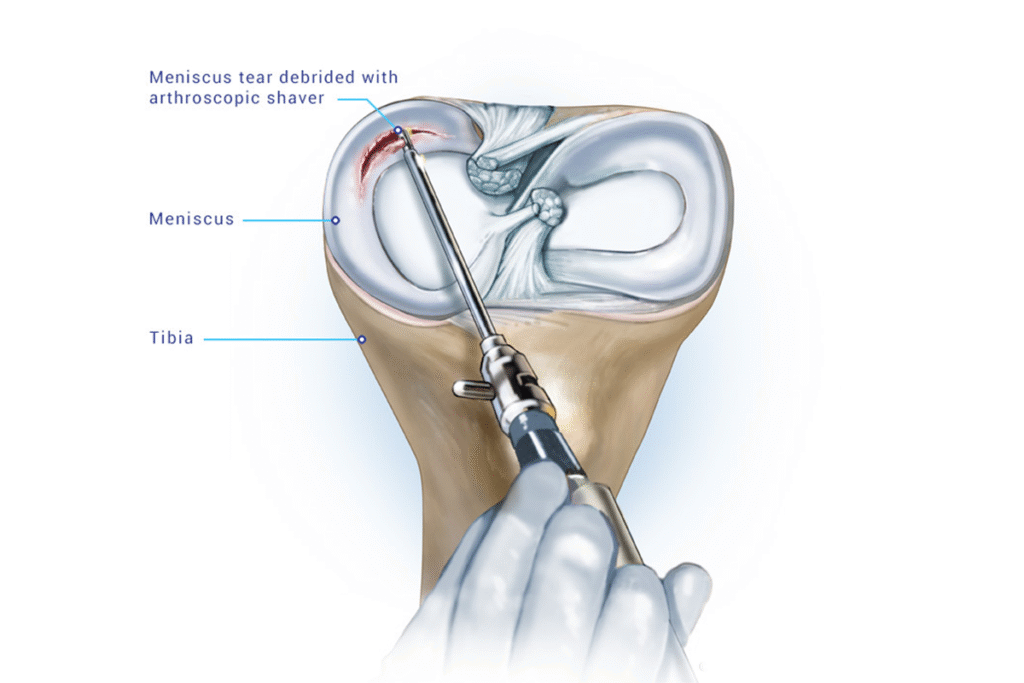
Meniscus Repair is a surgical procedure to treat tears in the meniscus, which is a C-shaped cartilage in the knee joint acting as a shock absorber between the thigh bone (femur) and shin bone (tibia). The meniscus plays a critical role in stabilizing the knee, distributing weight, and preventing early arthritis.

When the meniscus is torn due to injury or degeneration, repairing it rather than removing it (meniscectomy) is often preferred, as it helps preserve knee function and reduces the risk of long-term joint damage.

When is Meniscus Repair Recommended?


  • Acute meniscus tears in younger, active patients

  • Tears in the outer third (“red zone”) where blood supply is better and healing potential is high

  • Combined injuries with ACL reconstruction

  • Patients aiming to preserve natural knee cartilage and avoid arthritis

  • Persistent knee pain despite non-surgical treatments


Best PCL Reconstruction​ ​in Gurugram

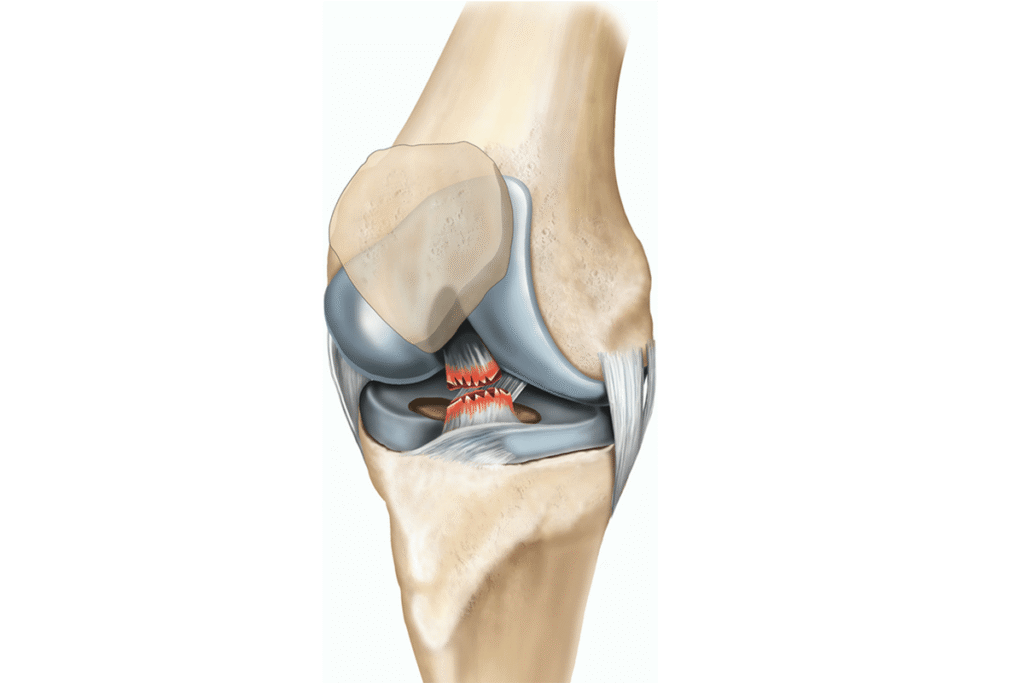
The Posterior Cruciate Ligament (PCL) is located inside the knee joint and works with the Anterior Cruciate Ligament (ACL) to stabilize the knee. While PCL injuries are less common than ACL injuries, they are often more complex and sometimes occur in combination with multi-ligament knee injuries.

When is PCL Reconstruction Recommended?


  • Complete PCL tears (Grade III injuries)

  • Persistent knee instability despite physiotherapy

  • Combined injuries with ACL, MCL, or meniscus damage

  • Young, active individuals involved in sports or heavy physical activity

  • Cases where non-surgical treatments fail

Best ACL Reconstruction ​in Gurugram

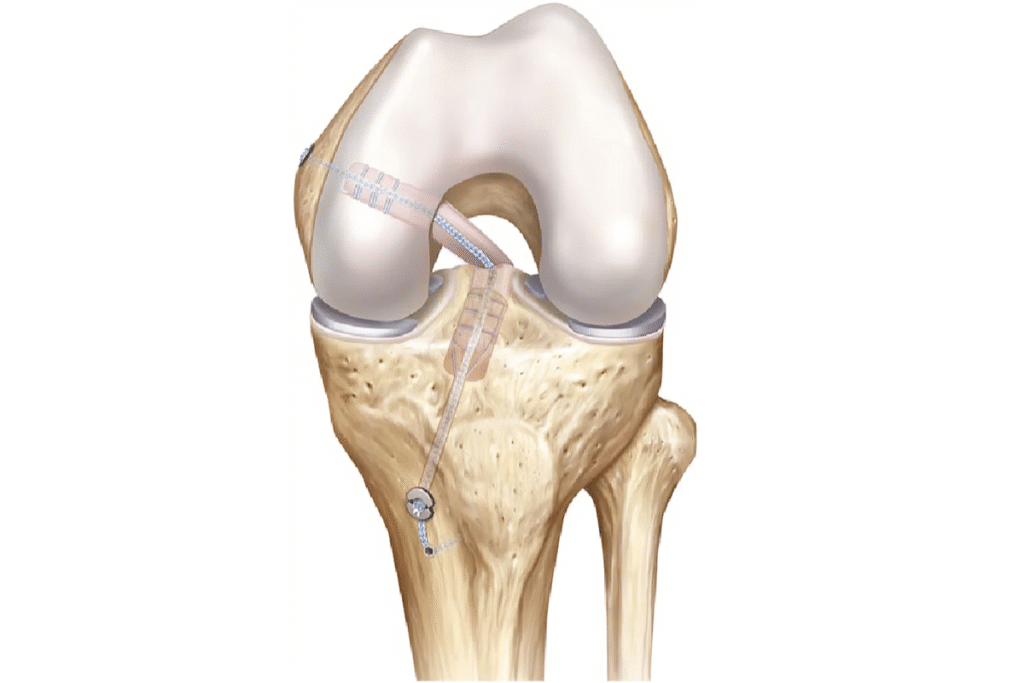
The Anterior Cruciate Ligament (ACL) is one of the main stabilizing ligaments in the knee. It connects the thigh bone (femur) to the shin bone (tibia) and helps maintain knee stability, especially during twisting, pivoting, or sudden movements.

An ACL injury—often caused by sports, accidents, or sudden knee trauma—can lead to knee instability, pain, and difficulty performing daily or athletic activities.

When is ACL Reconstruction Needed?


  • Persistent knee instability (giving way during walking or sports)

  • Severe ACL tear confirmed on MRI/clinical exam

  • Active lifestyle requiring pivoting, running, or jumping

  • Associated knee injuries (meniscus, cartilage damage)

  • Failed non-surgical treatments (physiotherapy, bracing)

Best Robotic Joint Replacement in Gurugram

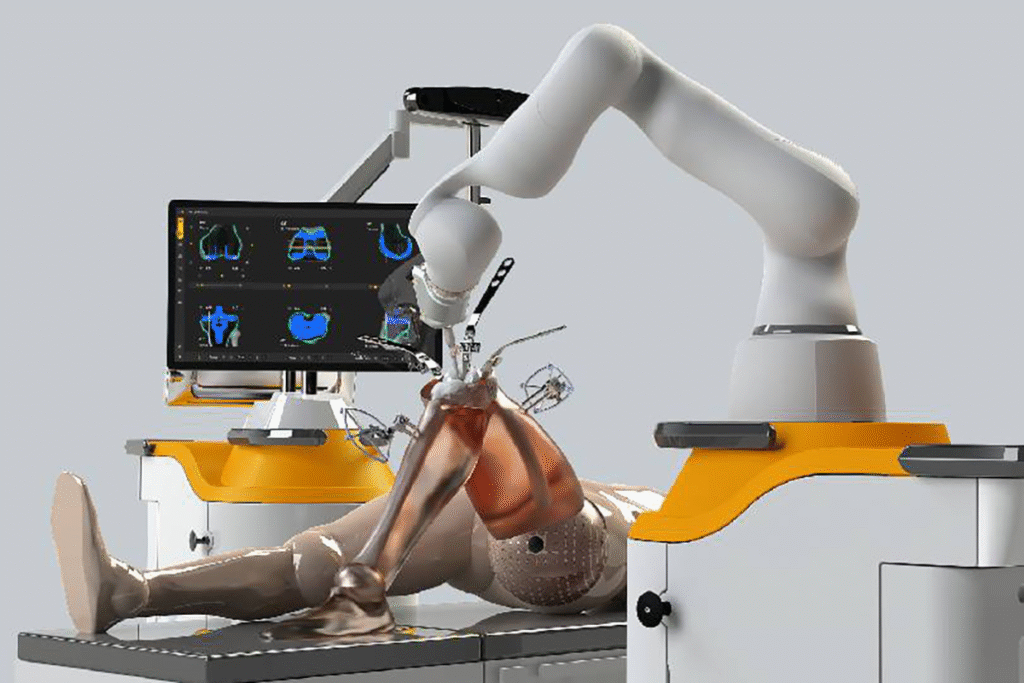
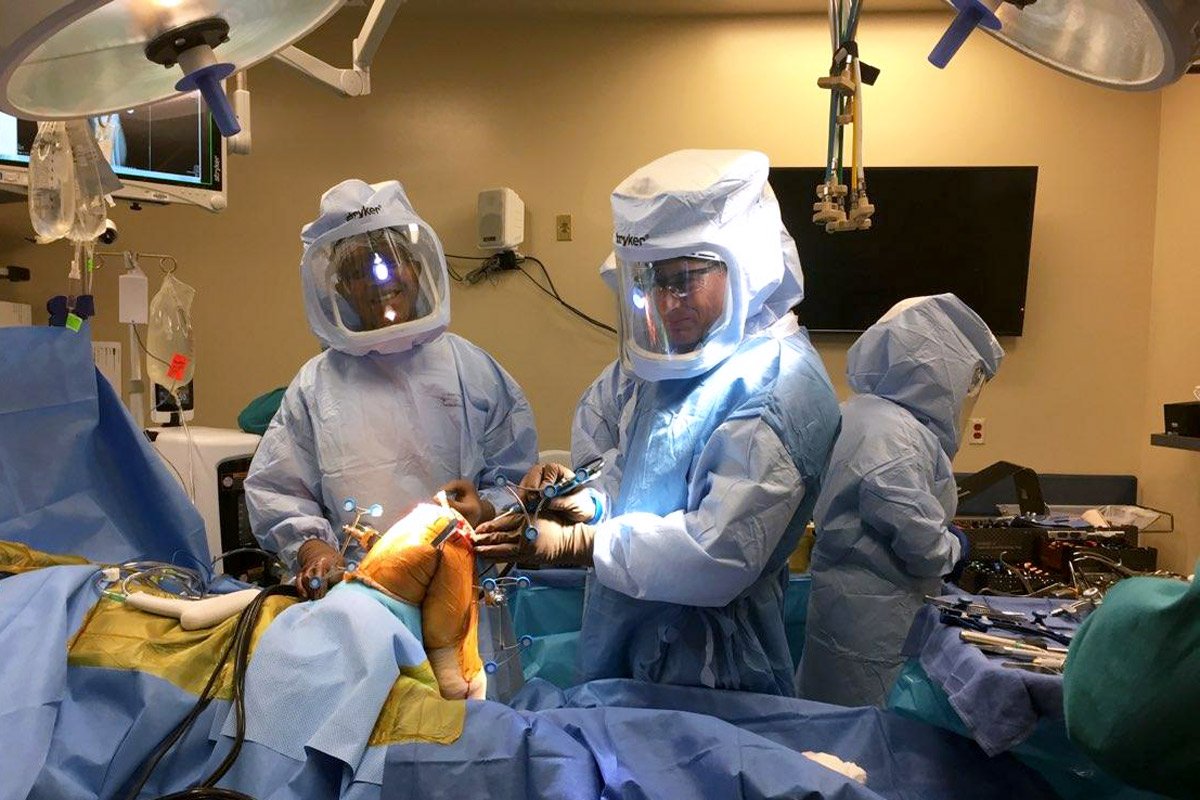
Robotic joint replacement uses a computer-assisted robotic system to create a 3D virtual model of the patient’s joint. This allows the surgeon to plan the surgery accurately, position the implant with sub-millimeter precision, and ensure natural joint movement post-surgery.

Unlike traditional joint replacement, the robot does not perform the surgery independently. The surgeon controls the entire procedure, while the robotic system acts as a guide for accuracy and safety.

Types of Robotic Joint Replacement


  1. Robotic Total Knee Replacement (TKR)

    • Complete replacement of the knee joint using robotic assistance.

  2. Robotic Partial Knee Replacement (PKR)

    • Only the damaged compartment of the knee is replaced, preserving healthy bone and ligaments.

  3. Robotic Total Hip Replacement (THR)

    • Replacement of the hip joint with robotic-assisted accuracy for implant placement and alignment.

Osteoarthritis and Rheumatoid Arthritis Management

Osteoarthritis (OA) and Rheumatoid Arthritis (RA) Management focuses on the diagnosis, treatment, and rehabilitation of these chronic joint conditions to relieve pain, improve mobility, and enhance quality of life. While both conditions affect the joints, they have different causes and treatment approaches, making early and accurate diagnosis crucial.

Osteoarthritis (OA)


  • A degenerative joint disease caused by gradual wear and tear of cartilage.

  • Commonly affects the knees, hips, spine, and hands.

  • Symptoms:

    • Joint pain and stiffness (worse after activity)

    • Reduced flexibility

    • Bone spurs and swelling

Rheumatoid Arthritis (RA)


  • An autoimmune disease where the immune system attacks joint linings.

  • Affects multiple joints symmetrically, including hands, wrists, knees, and ankles.

  • Symptoms:

    • Persistent joint pain and swelling

    • Morning stiffness lasting more than 30 minutes

    • Fatigue, fever, and overall weakness

Complex Fractures and Trauma Care

Complex Fractures and Trauma Care involves the diagnosis, surgical management, and rehabilitation of severe bone injuries caused by high-impact accidents, falls, or other traumatic events. Unlike simple fractures, complex fractures often involve multiple bone fragments, joint involvement, surrounding tissue damage, or open wounds, making their management highly challenging.

Effective trauma care requires a multidisciplinary approach involving orthopedic surgeons, trauma specialists, physiotherapists, and rehabilitation experts to ensure optimal recovery and restore mobility.

Types of Complex Fractures


  • Comminuted Fracture – Bone breaks into multiple fragments

  • Open (Compound) Fracture – Bone pierces through the skin, increasing infection risk

  • Segmental Fracture – Bone breaks at two distinct levels

  • Intra-Articular Fracture – Fracture extends into the joint surface

  • Pathological Fracture – Caused by underlying conditions like osteoporosis or tumors

  • Periprosthetic Fracture – Occurs around joint replacement implants

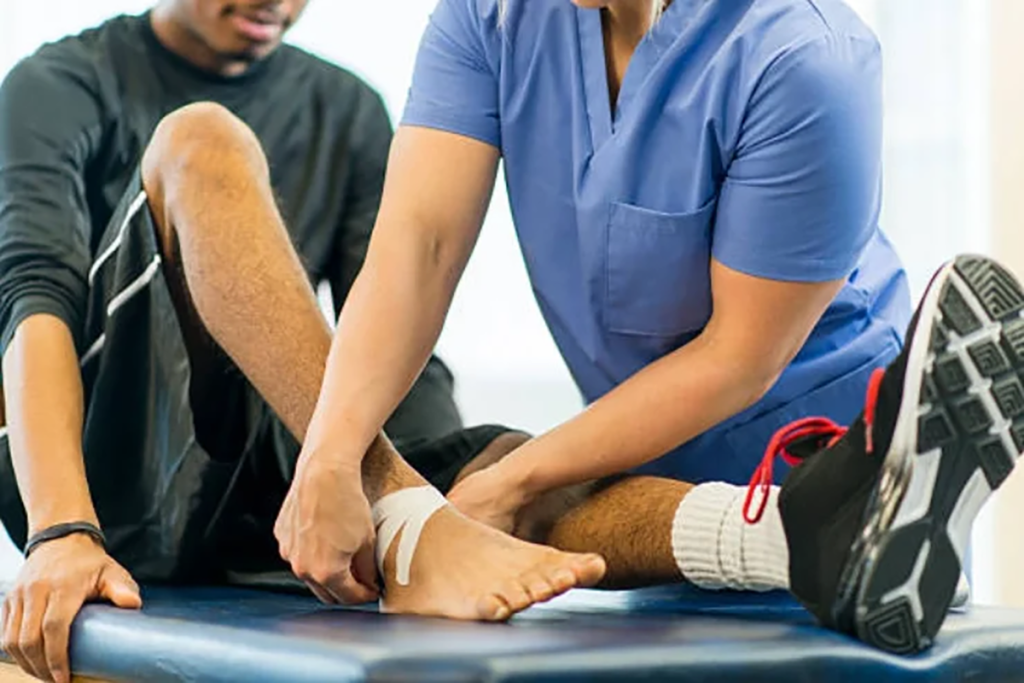
Sports Injury Management

Sports Injury Management focuses on the prevention, diagnosis, treatment, and rehabilitation of injuries sustained during sports or physical activities. It aims to help athletes and active individuals recover quickly, restore function, and return safely to their sport or fitness routine while minimizing the risk of re-injury.

This specialized approach combines advanced medical techniques, physiotherapy, and rehabilitation programs tailored to the type and severity of the inju

Common Types of Sports Injuries


Acute Injuries


  • Sprains – Ligament tears, common in ankle, knee, and wrist

  • Strains – Muscle or tendon injuries

  • Fractures – Bone breaks due to high-impact trauma

  • Dislocations – Joints forced out of position

  • Contusions (Bruises) – From direct impact

Chronic / Overuse Injuries


  • Tendinitis – Inflammation of tendons due to repetitive stress

  • Stress Fractures – Micro-cracks in bones from overtraining

  • Runner’s Knee – Knee pain caused by repetitive movement

  • Tennis Elbow / Golfer’s Elbow – Tendon damage from repeated motions

  • Shin Splints – Pain along the shinbone due to strain

Arthroscopic Surgery

Arthroscopic Surgery is a minimally invasive surgical procedure used to diagnose and treat problems inside a joint. It involves inserting a thin, flexible tube called an arthroscope — equipped with a camera and light — through a small incision to visualize the inside of the joint on a screen. Surgeons can then repair, remove, or reconstruct damaged tissues without making large incisions, leading to faster recovery, less pain, and minimal scarring

Advantages of Arthroscopic Surgery

  • Minimally Invasive – Smaller incisions, less tissue damage.

  • Faster Recovery – Patients return to normal activities sooner.

  • Less Pain & Scarring – Minimal disruption of muscles and tissues.

  • Lower Infection Risk – Smaller wounds reduce complications.

  • Day-Care Procedure – Many surgeries are performed on an outpatient basis.

maxresdefault

Robotic Total Hip Replacement (THR)

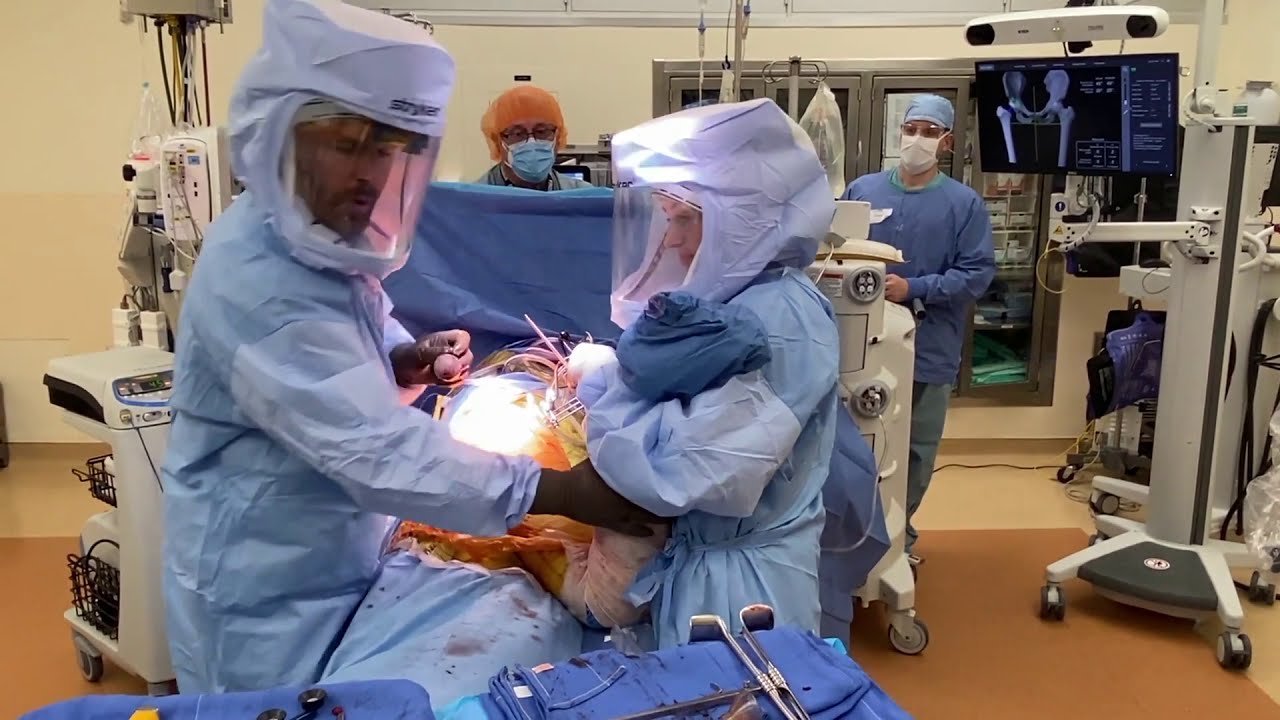
Robotic Total Hip Replacement (THR) is an advanced surgical procedure that combines cutting-edge robotic technology with the expertise of an orthopedic surgeon to replace a damaged or arthritic hip joint with extreme precision. Compared to conventional hip replacement, robotic-assisted THR ensures greater accuracy, better implant positioning, reduced tissue damage, faster recovery, and improved long-term outcomes.

Advantages of Robotic THR


  • Unmatched Precision – Sub-millimeter accuracy for implant placement.

  • Personalized Surgical Planning – Customized based on your unique hip anatomy.

  • Less Tissue & Muscle Damage – Minimally invasive approach reduces trauma.

  • Faster Recovery – Quicker return to normal activities compared to conventional THR.

  • Improved Joint Function – Natural movement and better range of motion.

  • Longer Implant Lifespan – Optimal positioning enhances durability.

  • Reduced Pain & Blood Loss – Smaller incisions and precise techniques lower post-op discomfort.


Revision Joint Replacement Surgery​

Revision Joint Replacement Surgery is a specialized orthopedic procedure performed when a previously replaced joint — such as the knee or hip — fails or develops complications. Unlike the initial (primary) replacement, a revision surgery is more complex because it involves removing the old implant, addressing bone loss or damage, and placing a new prosthesis for better function and stability.

Benefits of Revision Joint Replacement


  • Restores joint stability and mobility

  • Relieves chronic pain caused by implant failure

  • Corrects deformities or alignment issues

  • Improves overall quality of life

  • Extends the functional lifespan of the joint

kauai surgeon introduces robotic assisted total knee replacement to ucla web

Robotic Total Knee Replacement (TKR)


Robotic Total Knee Replacement (TKR) is an advanced surgical technique used to treat severe knee arthritis, deformity, or damage when non-surgical treatments no longer provide relief. It combines the precision of robotic-assisted technology with the expertise of an orthopedic surgeon to ensure accurate implant placement, better alignment, and improved overall outcomes compared to conventional knee replacement surgery.

Benefits of Robotic-Assisted TKR


  • Higher Accuracy – Ensures optimal alignment and positioning of the implant.

  • Personalized Planning – Customizes the procedure based on the patient’s knee anatomy.

  • Less Tissue Damage – Minimally invasive technique leads to reduced soft tissue trauma.

  • Faster Recovery – Patients often regain mobility quicker compared to traditional TKR.

  • Better Joint Function – More natural movement and improved long-term outcomes.

  • Reduced Post-Operative Pain – Smaller incisions and precise techniques minimize discomfort.

Call Now Button