Best Knee Replacement Surgeon in Gurugram

What can patients expect before, during, and after knee replacement surgery with Dr. Guruditta Khurana?

Living with constant knee pain can make even simple daily activities difficult. Walking, climbing stairs, or standing for long periods may become uncomfortable. If medications, physiotherapy, and lifestyle changes no longer provide relief, knee replacement surgery may be the right option. Consulting the Best Knee Replacement Surgeon in Gurugram helps you understand the complete treatment journey and ensures you receive personalized care. Dr. Guruditta Khurana is committed to helping patients regain mobility, reduce pain, and improve their quality of life through advanced knee replacement procedures.

Join our online community! Follow us on: https://www.youtube.com/@RoboticOrthodoc_Guruditta

Whether you are preparing for surgery or simply exploring your options, understanding what happens before, during, and after the procedure can help you feel more confident and informed.

Understanding Knee Replacement Surgery

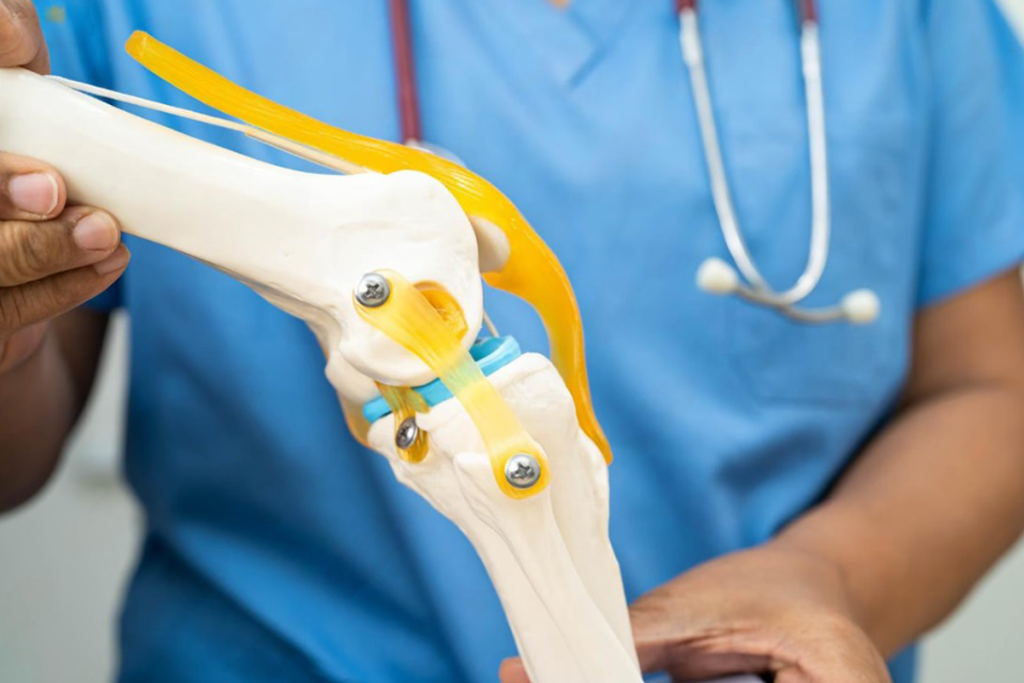
Knee replacement surgery, also known as knee arthroplasty, is a procedure in which damaged cartilage and bone are replaced with artificial implants. The surgery is generally recommended for patients who experience severe knee pain caused by:

  • Advanced osteoarthritis
  • Rheumatoid arthritis
  • Post-traumatic arthritis
  • Severe knee deformities
  • Chronic pain affecting daily life

Choosing the Best Knee Replacement Surgeon in Gurugram ensures a comprehensive evaluation before deciding whether surgery is the most suitable treatment.

What to Expect Before Knee Replacement Surgery

Preparing for surgery is an essential part of achieving successful outcomes. Dr. Guruditta Khurana follows a patient-focused approach to ensure every individual is physically and mentally prepared.

Detailed Medical Evaluation

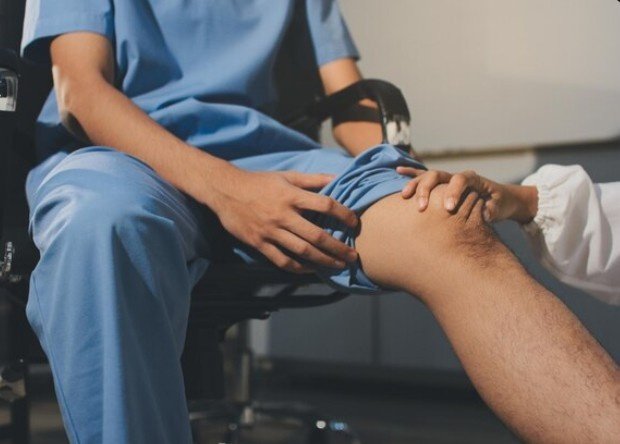
The first step involves a thorough examination of your knee. This may include:

  • Physical examination
  • Medical history review
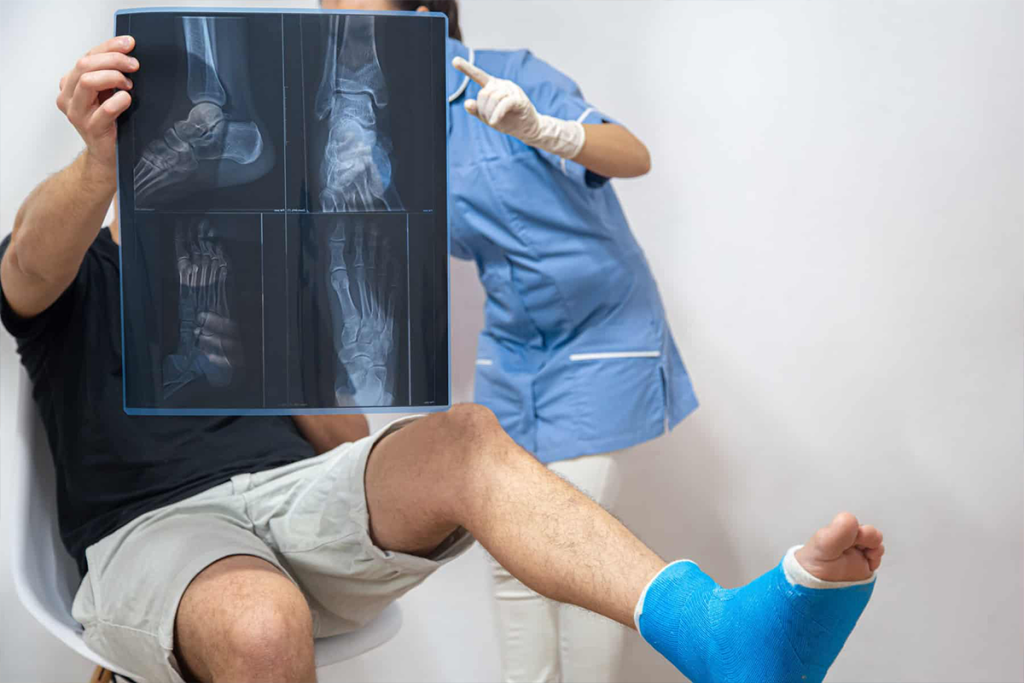
  • X-rays and imaging tests
  • Blood investigations
  • Assessment of overall health

The purpose is to understand the extent of joint damage and determine the most appropriate surgical plan.

Understanding the Procedure

Patients receive complete information about:

  • The type of knee replacement recommended
  • Expected benefits
  • Potential risks
  • Recovery timeline
  • Implant options

Open communication allows patients to make informed decisions with confidence.

Preparing Your Body for Surgery

To improve recovery, patients may be advised to:

  • Perform strengthening exercises
  • Maintain a healthy weight
  • Control blood sugar if diabetic
  • Stop smoking
  • Review current medications with the doctor

These preparations reduce surgical risks and support faster healing.

Planning for Recovery at Home

Before surgery, patients should prepare their home environment by:

  • Removing obstacles that increase fall risk
  • Arranging support from family members
  • Setting up comfortable seating
  • Keeping frequently used items within reach

Planning ahead makes recovery smoother after discharge.

What Happens During Knee Replacement Surgery?

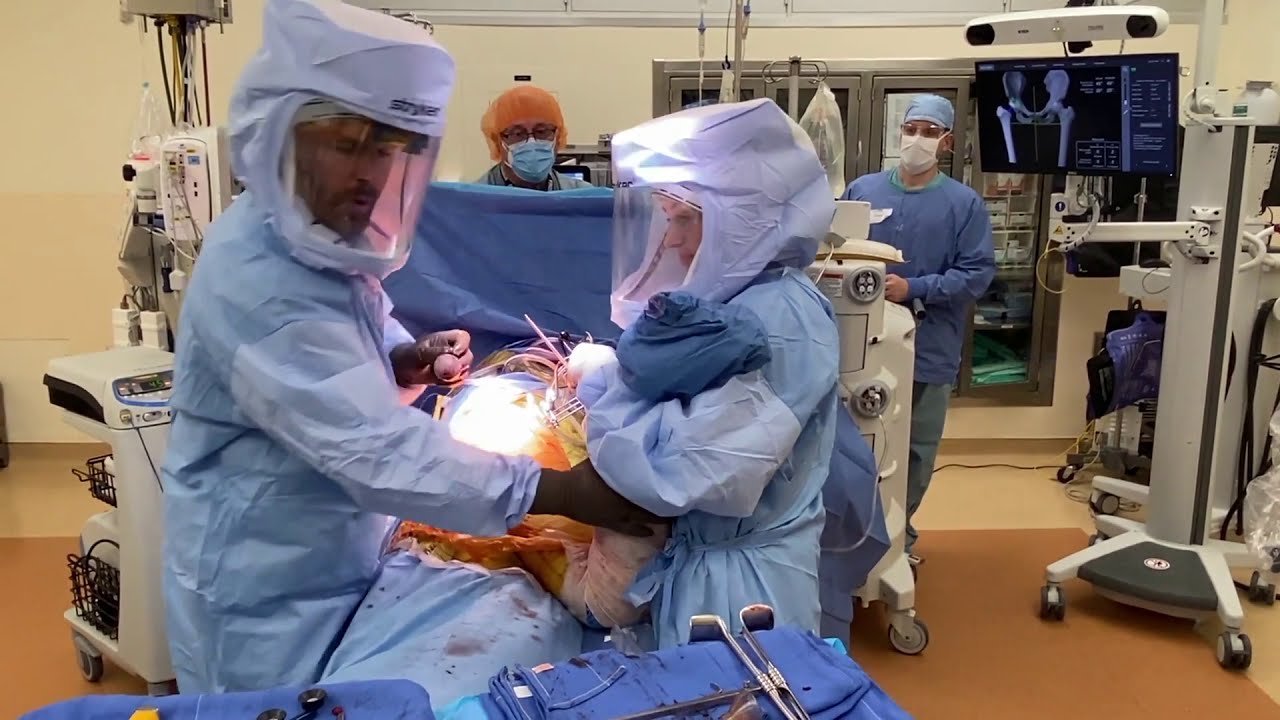
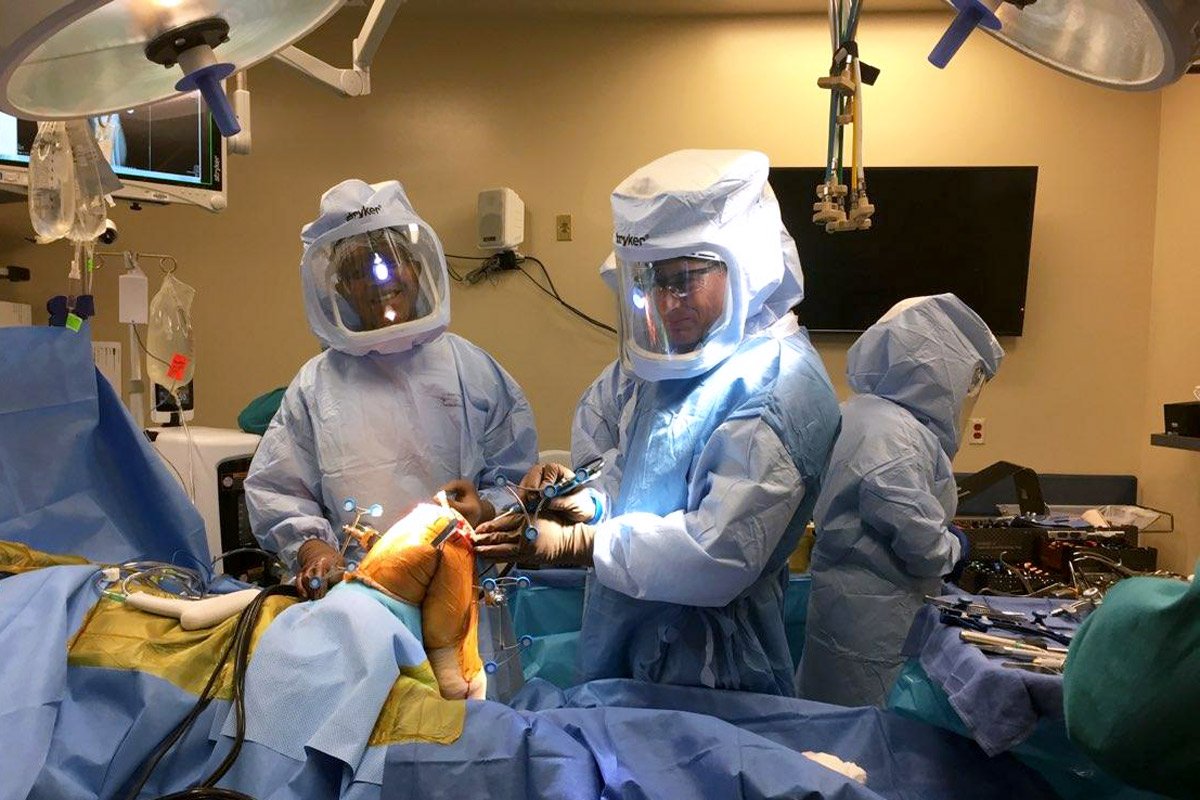
The surgery itself is carefully planned and performed using modern surgical techniques.

Anaesthesia

Depending on the patient’s condition, either spinal or general anaesthesia is administered to ensure comfort throughout the procedure.

Removing the Damaged Joint

The damaged cartilage and worn-out bone surfaces are carefully removed while preserving as much healthy bone as possible.

Implant Placement

Artificial components made from durable medical-grade materials are positioned to restore the knee’s natural movement. These implants are designed to improve stability, flexibility, and long-term function.

Final Alignment and Closure

After confirming proper alignment and movement, the surgical incision is closed using advanced techniques that promote healing and reduce complications.

The entire procedure generally takes around one to two hours, although the exact duration depends on individual circumstances.

Choosing the Best Knee Replacement Surgeon in Gurugram means benefiting from precision, careful planning, and modern surgical expertise.

What to Expect Immediately After Surgery

Recovery begins soon after the operation.

Patients are shifted to the recovery area where the medical team closely monitors:

  • Blood pressure
  • Heart rate
  • Oxygen levels
  • Pain management
  • Overall condition

Early movement is encouraged whenever medically appropriate.

Pain Management After Knee Replacement

Pain after surgery is expected, but it is carefully managed through personalized treatment plans.

Pain relief may include:

  • Oral medications
  • Injectable pain relievers
  • Ice therapy
  • Elevation of the leg

Proper pain management allows patients to participate actively in rehabilitation.

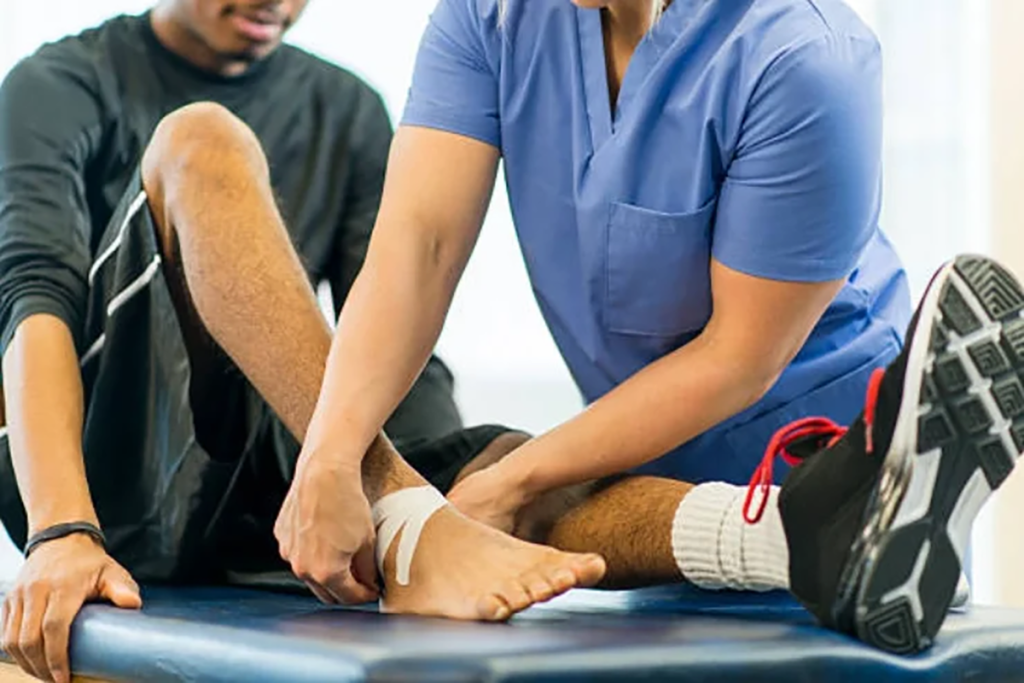
Physiotherapy Plays a Vital Role

Physiotherapy is one of the most important parts of successful recovery.

Patients usually begin gentle exercises within the first day after surgery.

Physiotherapy helps:

  • Improve knee flexibility
  • Increase muscle strength
  • Restore walking ability
  • Prevent stiffness
  • Reduce swelling

Following the recommended exercise program significantly improves long-term results.

Recovery Timeline After Knee Replacement

Every patient’s recovery is different, but the general timeline includes:

First Week

  • Walking with assistance
  • Controlled pain
  • Gentle knee exercises
  • Hospital discharge based on recovery

Two to Six Weeks

  • Increased walking distance
  • Better knee movement
  • Reduced swelling
  • Continued physiotherapy

Six Weeks to Three Months

  • Improved strength
  • Greater independence
  • Return to many normal daily activities

Beyond Three Months

Most patients continue experiencing gradual improvements in mobility and comfort for several months after surgery.

Patients treated by the Best Knee Replacement Surgeon in Gurugram receive regular follow-up care to monitor recovery and optimize outcomes.

Tips for a Smooth Recovery

Following medical advice helps achieve better surgical success.

Patients should:

  • Attend every follow-up appointment
  • Continue physiotherapy regularly
  • Maintain a healthy body weight
  • Eat a balanced, protein-rich diet
  • Avoid high-impact activities initially
  • Keep the surgical wound clean
  • Take medications as prescribed

Small daily efforts contribute to long-term joint function.

Why Choosing the Right Surgeon Matters

Knee replacement surgery is a major procedure that requires expertise, experience, and careful planning.

Dr. Guruditta Khurana focuses on:

  • Individualized treatment planning
  • Advanced surgical techniques
  • Comprehensive patient education
  • Modern rehabilitation guidance
  • Long-term follow-up care

Choosing the Best Knee Replacement Surgeon in Gurugram can improve both the surgical experience and the recovery process by ensuring every stage of treatment is managed with precision and compassion.

When Should You Consider Knee Replacement?

You should consult an orthopaedic specialist if you experience:

  • Persistent knee pain
  • Difficulty walking
  • Limited knee movement
  • Knee stiffness
  • Swelling that does not improve
  • Pain interfering with sleep
  • Reduced quality of life despite conservative treatment

Early consultation helps determine the most suitable treatment options before symptoms become more severe.

Conclusion

Knee replacement surgery is a well-established procedure that can significantly reduce pain and restore mobility for individuals with advanced knee joint damage. Understanding what happens before, during, and after surgery allows patients to approach treatment with greater confidence and realistic expectations.

Dr. Guruditta Khurana provides comprehensive care at every stage of the journey—from detailed evaluation and surgical planning to rehabilitation and long-term follow-up. If chronic knee pain is limiting your daily activities, consulting the Best Knee Replacement Surgeon in Gurugram can help you make informed decisions about your treatment. With expert guidance, personalized care, and advanced surgical techniques, you can regain comfort, improve mobility, and return to a more active lifestyle.

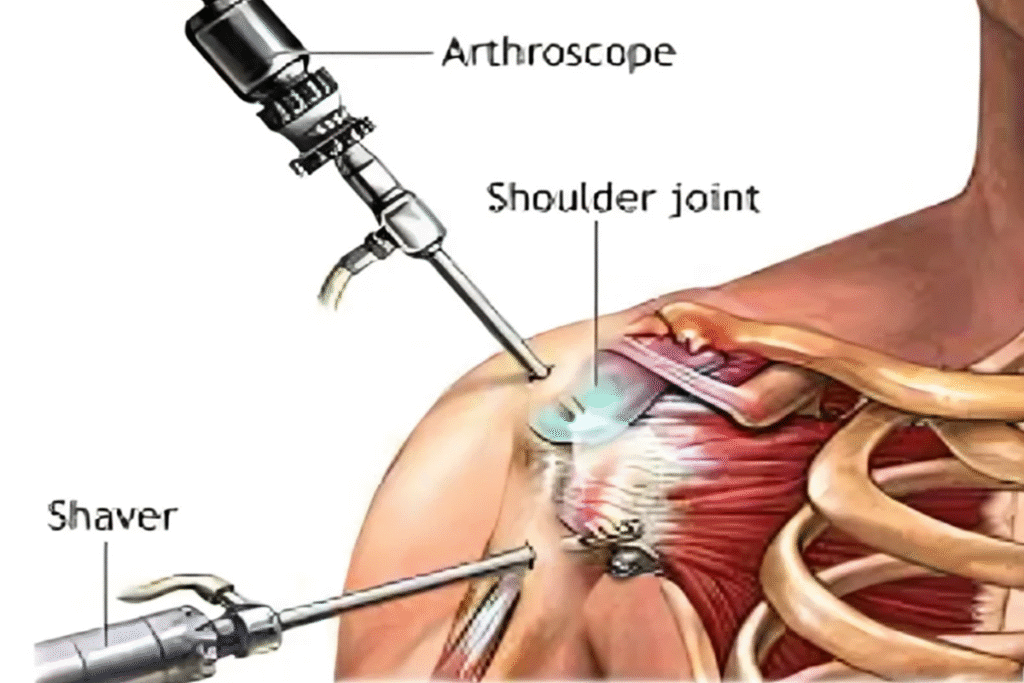
Table of Contents

Scroll to Top

Best Shoulder Arthroscopy in Gurugram

Shoulder Arthroscopy is a minimally invasive surgical procedure used to diagnose and treat shoulder joint problems using a small camera called an arthroscope. The camera provides a clear, magnified view inside the shoulder, allowing surgeons to repair damaged tissues through tiny incisions instead of traditional open surgery. This leads to less pain, smaller scars, and faster recovery.

When is Shoulder Arthroscopy Recommended?


Shoulder arthroscopy is advised when pain, stiffness, or weakness does not improve with medications, physiotherapy, or injections.

Common Shoulder Problems Treated


  • Rotator Cuff Tears – Repairing torn tendons

  • Shoulder Impingement – Removing inflamed tissue or bone spurs

  • Labral Tears – Repairing the cartilage around the socket

  • Shoulder Instability / Dislocation – Tightening or repairing ligaments

  • Frozen Shoulder – Releasing tight tissues

  • Arthritis & Cartilage Damage – Cleaning or smoothing rough surfaces

  • Removal of Loose Fragments – Bone or cartilage pieces inside the joint

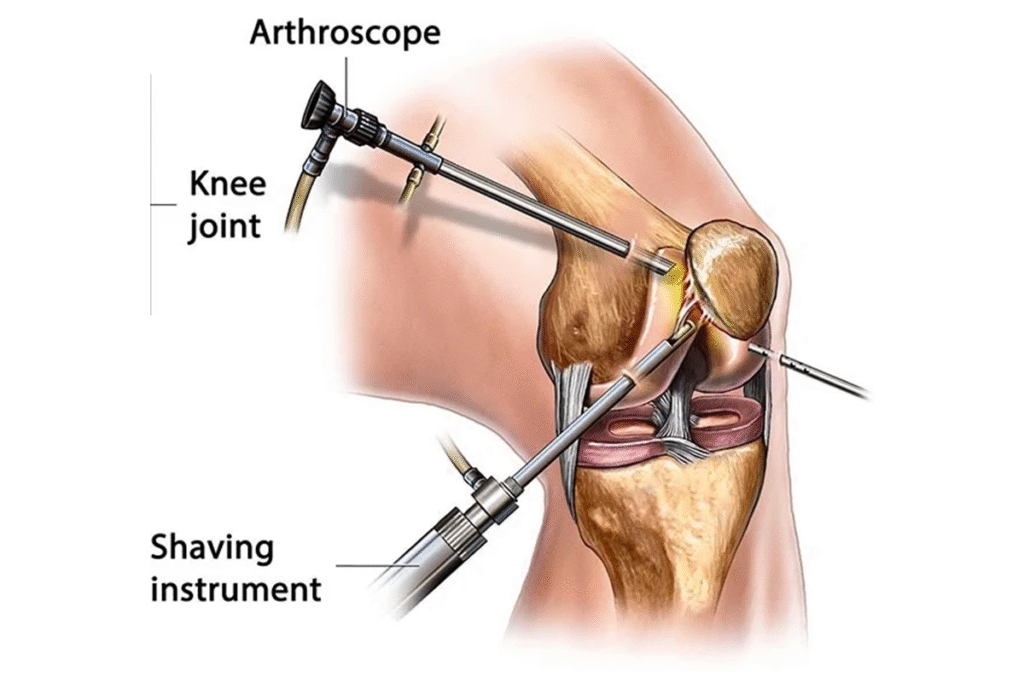
Best Knee Arthroscopy in Gurugram

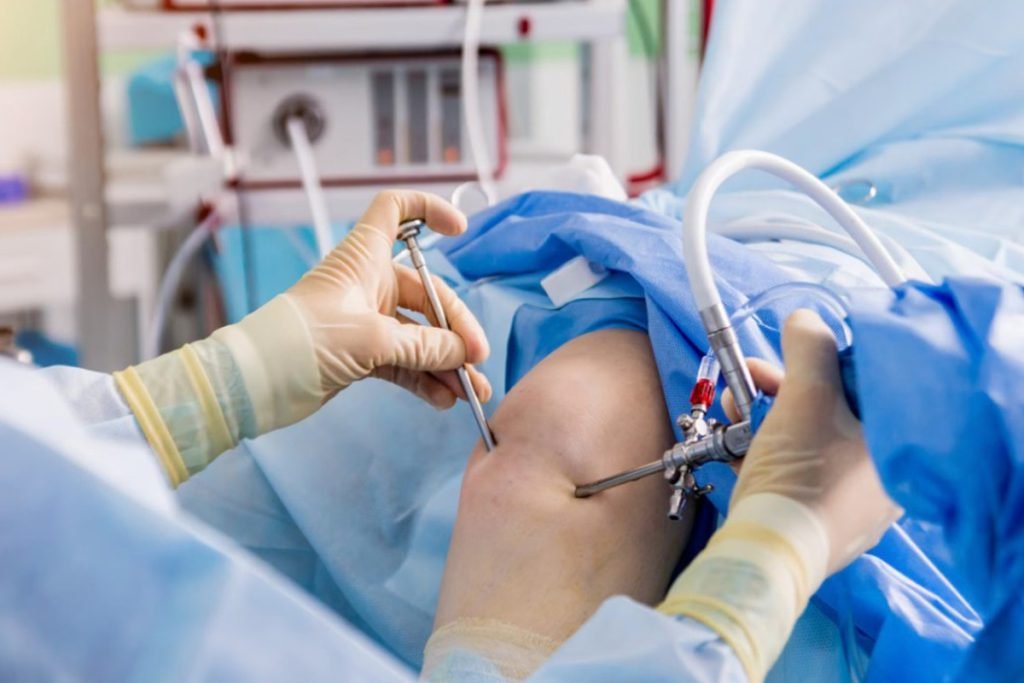
Knee Arthroscopy is a minimally invasive surgical procedure used to diagnose and treat knee joint problems using a tiny camera called an arthroscope. The camera provides a clear view of the inside of the knee, allowing surgeons to accurately detect damage and perform precise treatments through small incisions, causing less pain and enabling faster recovery compared to traditional open surgery.

When is Knee Arthroscopy Recommended?


Knee arthroscopy is advised when there is persistent knee pain, swelling, stiffness, or locking that does not improve with medication, physiotherapy, or lifestyle changes.

Common Conditions Treated


  • Meniscus Tears – Repair or removal of torn cartilage

  • Ligament Injuries – Including ACL and PCL reconstruction

  • Loose Bone or Cartilage Fragments – Removal of debris inside the joint

  • Synovitis – Inflammation of the joint lining

  • Knee Cap (Patella) Problems – Maltracking or instability

  • Early Osteoarthritis – Debridement or cartilage smoothing

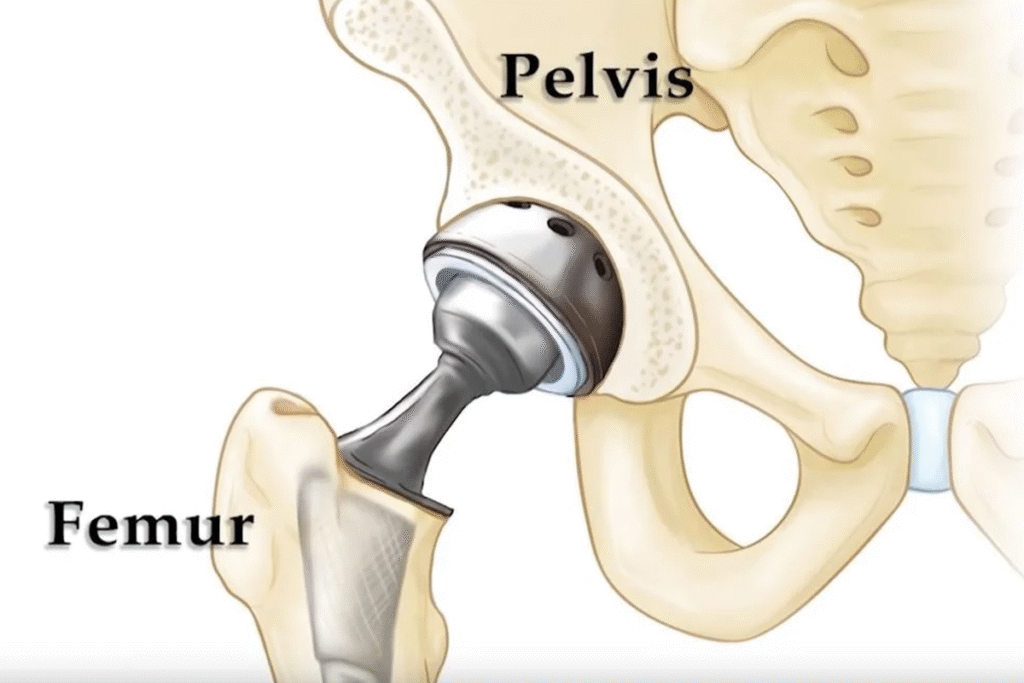
Best Hip Replacement in Gurugram

Hip Replacement — also called Total Hip Replacement (THR) or Hip Arthroplasty — is a surgical procedure where a damaged or diseased hip joint is replaced with an artificial implant made of metal, ceramic, or high-grade plastic. The goal is to relieve pain, restore mobility, and improve overall quality of life.

It’s most commonly recommended when severe arthritis, injury, or degeneration makes daily activities like walking, climbing stairs, or even sitting painful and difficult.

Who Needs Hip Replacement?


Hip replacement is advised when non-surgical treatments like medications, physiotherapy, or injections no longer provide relief.

Common Conditions Requiring Hip Replacement


  • Osteoarthritis – Wear-and-tear arthritis causing cartilage loss

  • Rheumatoid Arthritis – Inflammatory arthritis damaging the joint

  • Avascular Necrosis – Bone collapse due to poor blood flow

  • Post-Traumatic Arthritis – Arthritis after hip injury or fractures

  • Hip Dysplasia – Abnormal hip development leading to degeneration

  • Persistent hip stiffness, pain, and mobility loss

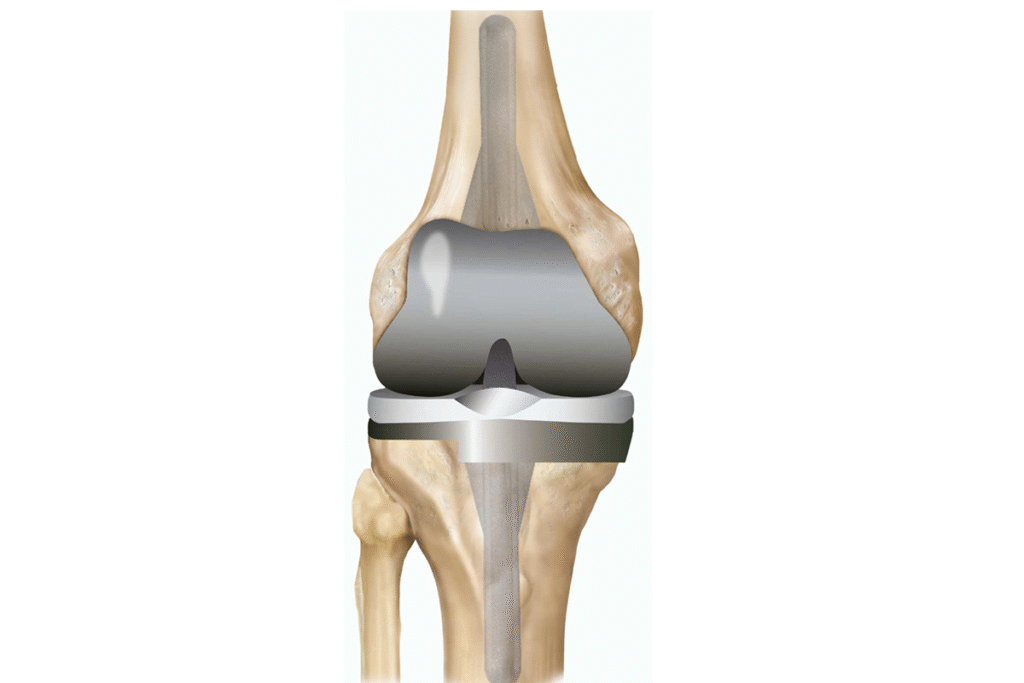
Best Knee Replacement ​in Gurugram

Knee Replacement — also known as Total Knee Replacement (TKR) or Knee Arthroplasty — is a surgical procedure where a damaged or worn-out knee joint is replaced with an artificial implant to relieve pain, restore mobility, and improve quality of life. It is most commonly performed for severe arthritis or knee injuries when other treatments like medicines, physiotherapy, and injections no longer provide relief.

Who Needs Knee Replacement?


Knee replacement is recommended when knee damage causes persistent pain, stiffness, and difficulty in daily activitiesdespite conservative treatment.

Common Conditions Requiring Knee Replacement


  • Osteoarthritis – Wear-and-tear arthritis causing cartilage loss

  • Rheumatoid Arthritis – Autoimmune inflammation damaging joints

  • Post-Traumatic Arthritis – Knee degeneration after injuries or fractures

  • Avascular Necrosis – Bone damage due to poor blood supply

  • Severe knee deformities (knock knees or bowlegs

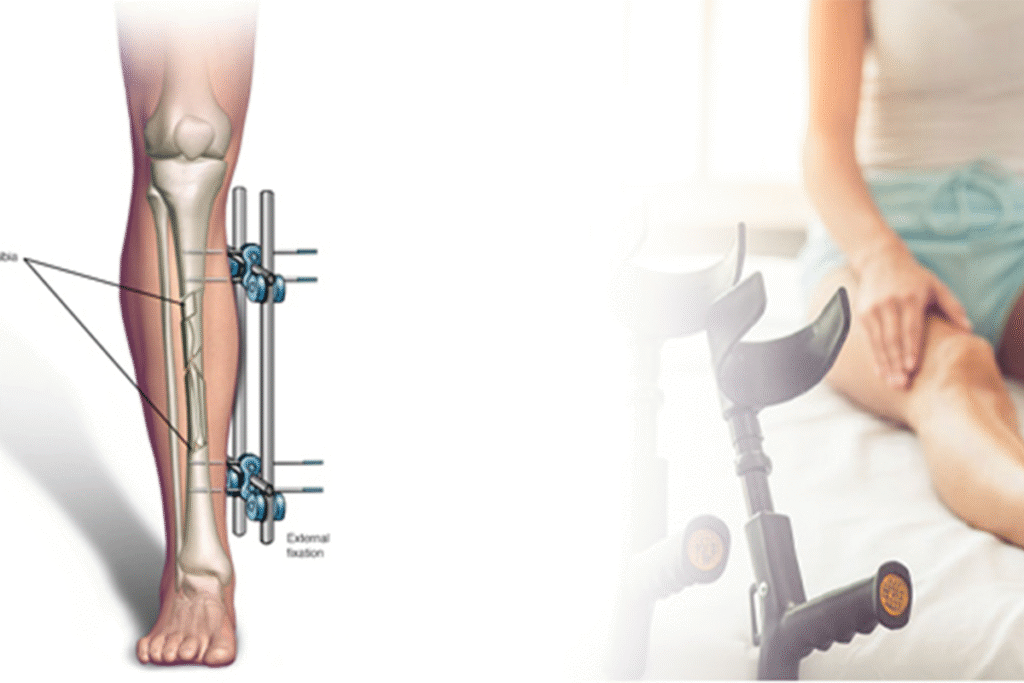
Best Fracture Treatment ​in Gurugram

Fracture Treatment involves the diagnosis, management, and healing of broken bones caused by trauma, accidents, sports injuries, falls, or underlying medical conditions like osteoporosis. The goal is to restore bone alignment, promote healing, relieve pain, and regain full function of the affected limb or joint. Treatment varies depending on the type, location, and severity of the fracture.

Types of Fractures


Fractures are classified based on how the bone breaks:

  1. Closed (Simple) Fracture – Bone breaks but does not pierce the skin.

  2. Open (Compound) Fracture – Bone breaks and comes through the skin, requiring urgent care.

  3. Hairline (Stress) Fracture – Small crack caused by overuse or repetitive stress.

  4. Comminuted Fracture – Bone shatters into several pieces.

  5. Greenstick Fracture – Common in children; bone bends and cracks but doesn’t break completely.

  6. Pathological Fracture – Bone breaks due to weakness from diseases like osteoporosis or cancer.

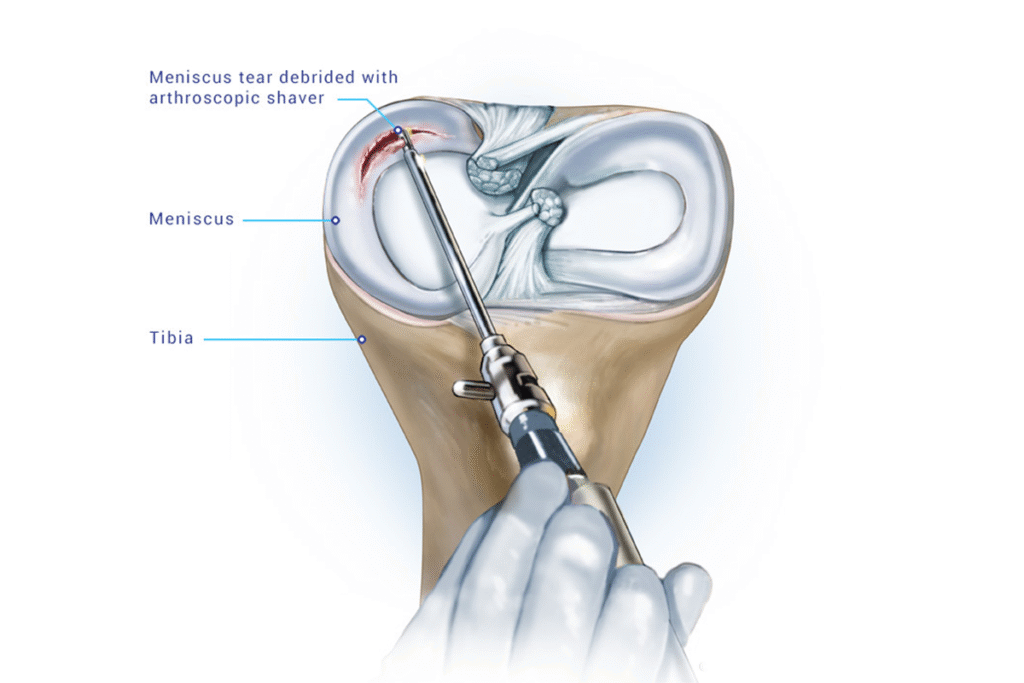
Best Meniscus Repair ​in Gurugram

Meniscus Repair is a surgical procedure to treat tears in the meniscus, which is a C-shaped cartilage in the knee joint acting as a shock absorber between the thigh bone (femur) and shin bone (tibia). The meniscus plays a critical role in stabilizing the knee, distributing weight, and preventing early arthritis.

When the meniscus is torn due to injury or degeneration, repairing it rather than removing it (meniscectomy) is often preferred, as it helps preserve knee function and reduces the risk of long-term joint damage.

When is Meniscus Repair Recommended?


  • Acute meniscus tears in younger, active patients

  • Tears in the outer third (“red zone”) where blood supply is better and healing potential is high

  • Combined injuries with ACL reconstruction

  • Patients aiming to preserve natural knee cartilage and avoid arthritis

  • Persistent knee pain despite non-surgical treatments


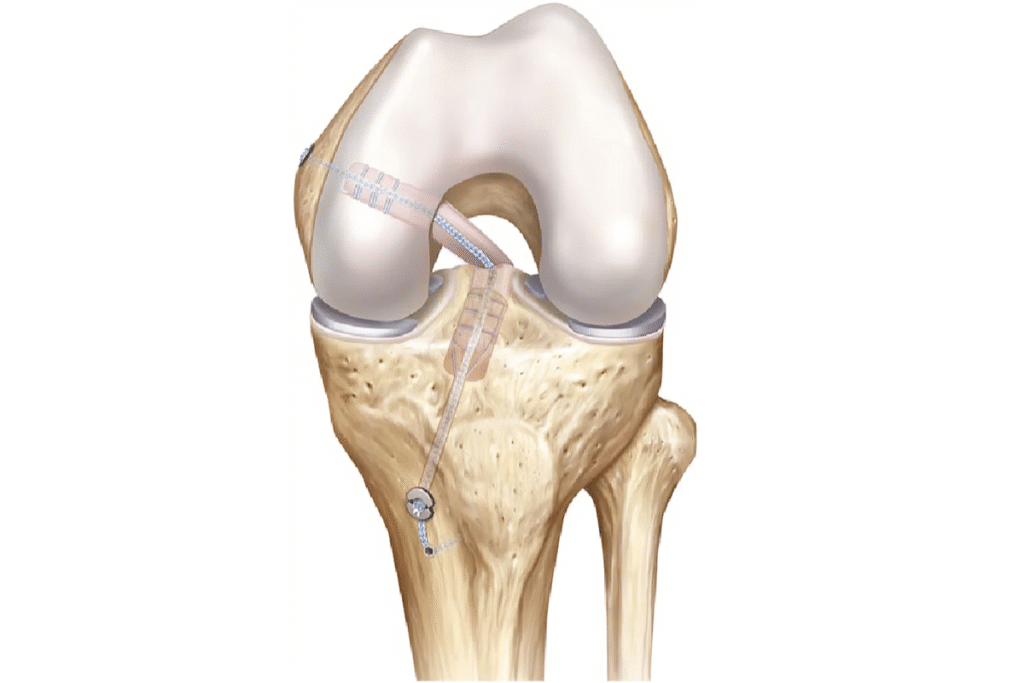
Best PCL Reconstruction​ ​in Gurugram

The Posterior Cruciate Ligament (PCL) is located inside the knee joint and works with the Anterior Cruciate Ligament (ACL) to stabilize the knee. While PCL injuries are less common than ACL injuries, they are often more complex and sometimes occur in combination with multi-ligament knee injuries.

When is PCL Reconstruction Recommended?


  • Complete PCL tears (Grade III injuries)

  • Persistent knee instability despite physiotherapy

  • Combined injuries with ACL, MCL, or meniscus damage

  • Young, active individuals involved in sports or heavy physical activity

  • Cases where non-surgical treatments fail

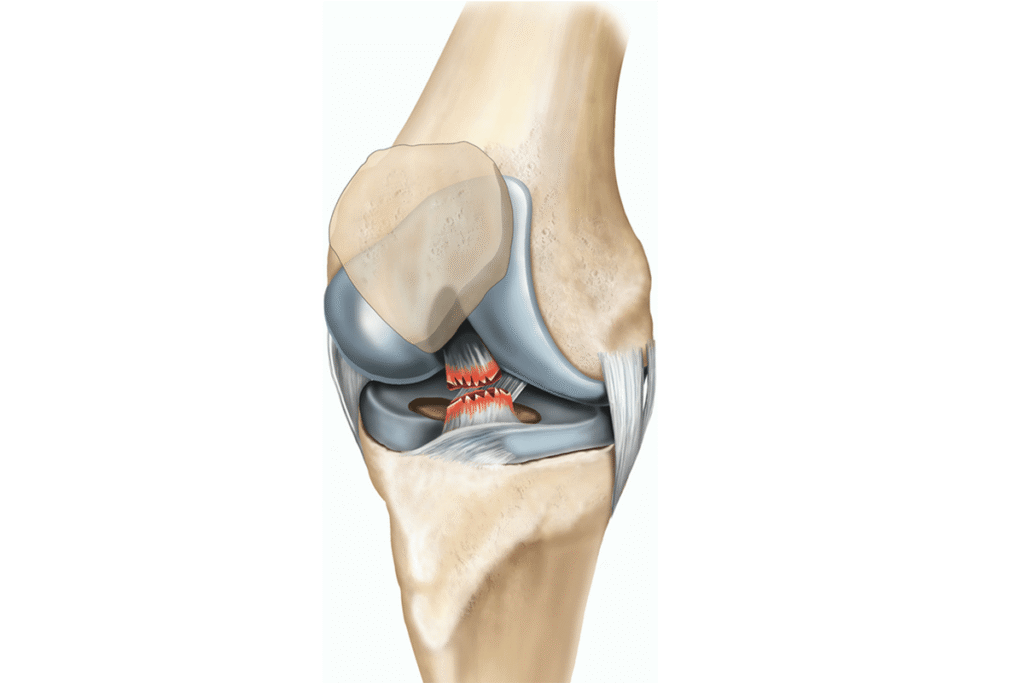
Best ACL Reconstruction ​in Gurugram

The Anterior Cruciate Ligament (ACL) is one of the main stabilizing ligaments in the knee. It connects the thigh bone (femur) to the shin bone (tibia) and helps maintain knee stability, especially during twisting, pivoting, or sudden movements.

An ACL injury—often caused by sports, accidents, or sudden knee trauma—can lead to knee instability, pain, and difficulty performing daily or athletic activities.

When is ACL Reconstruction Needed?


  • Persistent knee instability (giving way during walking or sports)

  • Severe ACL tear confirmed on MRI/clinical exam

  • Active lifestyle requiring pivoting, running, or jumping

  • Associated knee injuries (meniscus, cartilage damage)

  • Failed non-surgical treatments (physiotherapy, bracing)

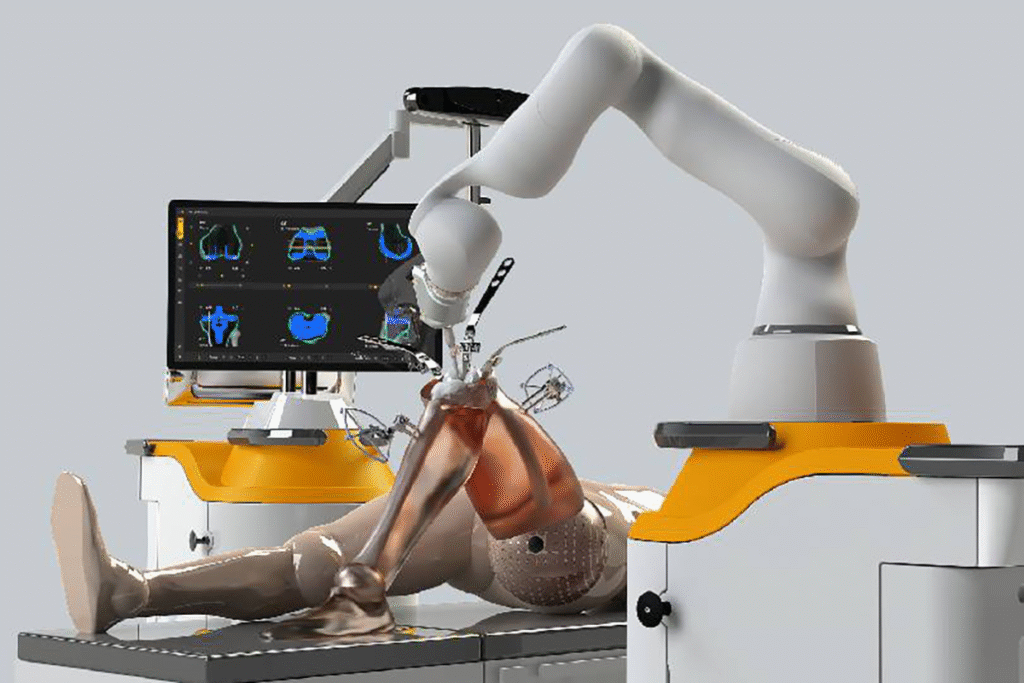
Best Robotic Joint Replacement in Gurugram

Robotic joint replacement uses a computer-assisted robotic system to create a 3D virtual model of the patient’s joint. This allows the surgeon to plan the surgery accurately, position the implant with sub-millimeter precision, and ensure natural joint movement post-surgery.

Unlike traditional joint replacement, the robot does not perform the surgery independently. The surgeon controls the entire procedure, while the robotic system acts as a guide for accuracy and safety.

Types of Robotic Joint Replacement


  1. Robotic Total Knee Replacement (TKR)

    • Complete replacement of the knee joint using robotic assistance.

  2. Robotic Partial Knee Replacement (PKR)

    • Only the damaged compartment of the knee is replaced, preserving healthy bone and ligaments.

  3. Robotic Total Hip Replacement (THR)

    • Replacement of the hip joint with robotic-assisted accuracy for implant placement and alignment.

Osteoarthritis and Rheumatoid Arthritis Management

Osteoarthritis (OA) and Rheumatoid Arthritis (RA) Management focuses on the diagnosis, treatment, and rehabilitation of these chronic joint conditions to relieve pain, improve mobility, and enhance quality of life. While both conditions affect the joints, they have different causes and treatment approaches, making early and accurate diagnosis crucial.

Osteoarthritis (OA)


  • A degenerative joint disease caused by gradual wear and tear of cartilage.

  • Commonly affects the knees, hips, spine, and hands.

  • Symptoms:

    • Joint pain and stiffness (worse after activity)

    • Reduced flexibility

    • Bone spurs and swelling

Rheumatoid Arthritis (RA)


  • An autoimmune disease where the immune system attacks joint linings.

  • Affects multiple joints symmetrically, including hands, wrists, knees, and ankles.

  • Symptoms:

    • Persistent joint pain and swelling

    • Morning stiffness lasting more than 30 minutes

    • Fatigue, fever, and overall weakness

Complex Fractures and Trauma Care

Complex Fractures and Trauma Care involves the diagnosis, surgical management, and rehabilitation of severe bone injuries caused by high-impact accidents, falls, or other traumatic events. Unlike simple fractures, complex fractures often involve multiple bone fragments, joint involvement, surrounding tissue damage, or open wounds, making their management highly challenging.

Effective trauma care requires a multidisciplinary approach involving orthopedic surgeons, trauma specialists, physiotherapists, and rehabilitation experts to ensure optimal recovery and restore mobility.

Types of Complex Fractures


  • Comminuted Fracture – Bone breaks into multiple fragments

  • Open (Compound) Fracture – Bone pierces through the skin, increasing infection risk

  • Segmental Fracture – Bone breaks at two distinct levels

  • Intra-Articular Fracture – Fracture extends into the joint surface

  • Pathological Fracture – Caused by underlying conditions like osteoporosis or tumors

  • Periprosthetic Fracture – Occurs around joint replacement implants

Sports Injury Management

Sports Injury Management focuses on the prevention, diagnosis, treatment, and rehabilitation of injuries sustained during sports or physical activities. It aims to help athletes and active individuals recover quickly, restore function, and return safely to their sport or fitness routine while minimizing the risk of re-injury.

This specialized approach combines advanced medical techniques, physiotherapy, and rehabilitation programs tailored to the type and severity of the inju

Common Types of Sports Injuries


Acute Injuries


  • Sprains – Ligament tears, common in ankle, knee, and wrist

  • Strains – Muscle or tendon injuries

  • Fractures – Bone breaks due to high-impact trauma

  • Dislocations – Joints forced out of position

  • Contusions (Bruises) – From direct impact

Chronic / Overuse Injuries


  • Tendinitis – Inflammation of tendons due to repetitive stress

  • Stress Fractures – Micro-cracks in bones from overtraining

  • Runner’s Knee – Knee pain caused by repetitive movement

  • Tennis Elbow / Golfer’s Elbow – Tendon damage from repeated motions

  • Shin Splints – Pain along the shinbone due to strain

Arthroscopic Surgery

Arthroscopic Surgery is a minimally invasive surgical procedure used to diagnose and treat problems inside a joint. It involves inserting a thin, flexible tube called an arthroscope — equipped with a camera and light — through a small incision to visualize the inside of the joint on a screen. Surgeons can then repair, remove, or reconstruct damaged tissues without making large incisions, leading to faster recovery, less pain, and minimal scarring

Advantages of Arthroscopic Surgery

  • Minimally Invasive – Smaller incisions, less tissue damage.

  • Faster Recovery – Patients return to normal activities sooner.

  • Less Pain & Scarring – Minimal disruption of muscles and tissues.

  • Lower Infection Risk – Smaller wounds reduce complications.

  • Day-Care Procedure – Many surgeries are performed on an outpatient basis.

maxresdefault

Robotic Total Hip Replacement (THR)

Robotic Total Hip Replacement (THR) is an advanced surgical procedure that combines cutting-edge robotic technology with the expertise of an orthopedic surgeon to replace a damaged or arthritic hip joint with extreme precision. Compared to conventional hip replacement, robotic-assisted THR ensures greater accuracy, better implant positioning, reduced tissue damage, faster recovery, and improved long-term outcomes.

Advantages of Robotic THR


  • Unmatched Precision – Sub-millimeter accuracy for implant placement.

  • Personalized Surgical Planning – Customized based on your unique hip anatomy.

  • Less Tissue & Muscle Damage – Minimally invasive approach reduces trauma.

  • Faster Recovery – Quicker return to normal activities compared to conventional THR.

  • Improved Joint Function – Natural movement and better range of motion.

  • Longer Implant Lifespan – Optimal positioning enhances durability.

  • Reduced Pain & Blood Loss – Smaller incisions and precise techniques lower post-op discomfort.


Revision Joint Replacement Surgery​

Revision Joint Replacement Surgery is a specialized orthopedic procedure performed when a previously replaced joint — such as the knee or hip — fails or develops complications. Unlike the initial (primary) replacement, a revision surgery is more complex because it involves removing the old implant, addressing bone loss or damage, and placing a new prosthesis for better function and stability.

Benefits of Revision Joint Replacement


  • Restores joint stability and mobility

  • Relieves chronic pain caused by implant failure

  • Corrects deformities or alignment issues

  • Improves overall quality of life

  • Extends the functional lifespan of the joint

kauai surgeon introduces robotic assisted total knee replacement to ucla web

Robotic Total Knee Replacement (TKR)


Robotic Total Knee Replacement (TKR) is an advanced surgical technique used to treat severe knee arthritis, deformity, or damage when non-surgical treatments no longer provide relief. It combines the precision of robotic-assisted technology with the expertise of an orthopedic surgeon to ensure accurate implant placement, better alignment, and improved overall outcomes compared to conventional knee replacement surgery.

Benefits of Robotic-Assisted TKR


  • Higher Accuracy – Ensures optimal alignment and positioning of the implant.

  • Personalized Planning – Customizes the procedure based on the patient’s knee anatomy.

  • Less Tissue Damage – Minimally invasive technique leads to reduced soft tissue trauma.

  • Faster Recovery – Patients often regain mobility quicker compared to traditional TKR.

  • Better Joint Function – More natural movement and improved long-term outcomes.

  • Reduced Post-Operative Pain – Smaller incisions and precise techniques minimize discomfort.

Call Now Button