Knee, hip, and shoulder pain can affect every part of your daily life. Whether it is climbing stairs, walking comfortably, lifting objects, or simply getting out of bed, persistent joint pain can reduce mobility and independence. Seeking timely care from the Best Orthopedic Surgeon in Gurugram helps identify the exact cause of your discomfort and ensures that you receive the most appropriate treatment before the condition worsens.
Join our online community! Follow us on: https://www.youtube.com/@RoboticOrthodoc_Guruditta
Modern orthopedic care has evolved significantly. Today, treatment is no longer limited to surgery. Depending on your diagnosis, age, activity level, and overall health, the Best Orthopedic Surgeon in Gurugram can recommend a personalized treatment plan that may include medications, physiotherapy, minimally invasive procedures, regenerative therapies, or advanced joint replacement surgery.
Why Joint Pain Should Never Be Ignored
Joint pain often develops gradually, making it easy to dismiss in the early stages. However, ignoring persistent pain may lead to increased joint damage, stiffness, reduced mobility, and long-term disability.
Common symptoms include:
- Persistent pain during movement
- Swelling around the joint
- Joint stiffness after resting
- Difficulty walking or climbing stairs
- Shoulder pain while lifting the arm
- Hip pain during sitting or standing
- Clicking or grinding sensations
- Reduced range of motion
Early consultation with the Best Orthopedic Surgeon in Gurugram allows accurate diagnosis and prevents minor problems from becoming severe orthopedic conditions.
Common Causes of Knee, Hip, and Shoulder Pain
Several conditions may contribute to chronic joint pain.
Knee Problems
- Osteoarthritis
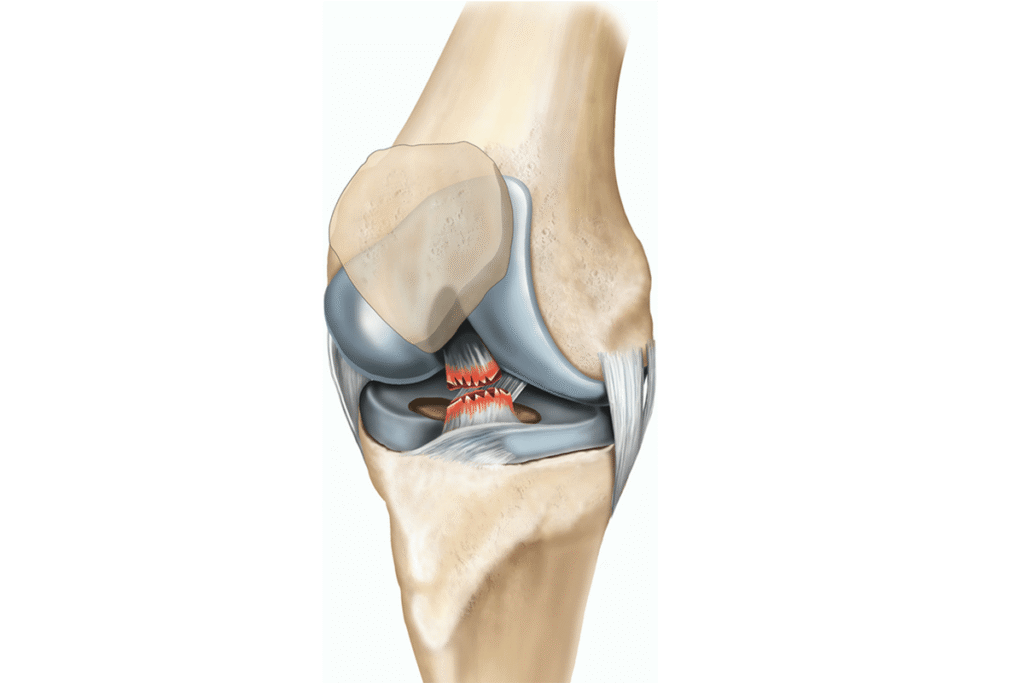
- Meniscus injuries
- Ligament tears (ACL/PCL)
- Patellar instability
- Cartilage damage
- Sports injuries
Hip Conditions
- Hip arthritis
- Hip labral tears
- Avascular necrosis
- Hip bursitis
- Muscle strain
- Femoroacetabular impingement
Shoulder Disorders
- Rotator cuff injuries
- Frozen shoulder
- Shoulder arthritis
- Shoulder dislocation
- Tendinitis
- Shoulder impingement syndrome
Proper imaging and clinical evaluation help determine the exact cause before treatment begins.
Comprehensive Diagnosis by the Best Orthopedic Surgeon in Gurugram
Successful treatment begins with a thorough diagnosis. Instead of treating only the symptoms, an experienced orthopedic specialist identifies the underlying problem.
The diagnostic process typically includes:
- Detailed medical history
- Physical examination
- Range of motion assessment
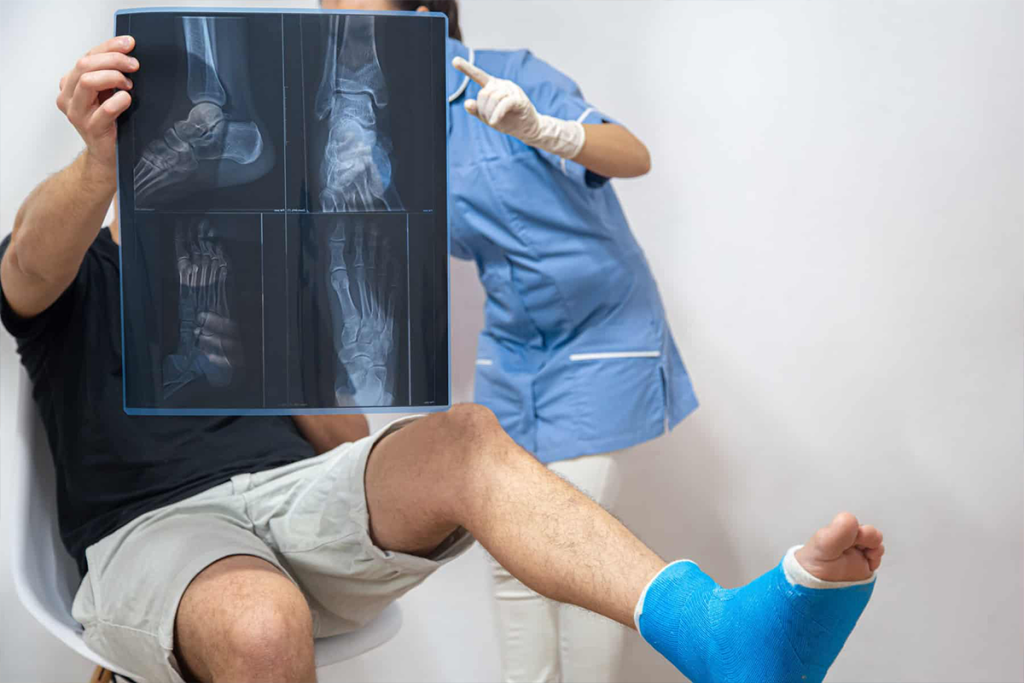
- Digital X-rays
- MRI when soft tissue injuries are suspected
- CT scan for complex bone conditions
- Blood investigations when inflammatory arthritis is suspected
An accurate diagnosis ensures that every patient receives a treatment plan tailored to their specific condition.
Non-Surgical Treatment Options
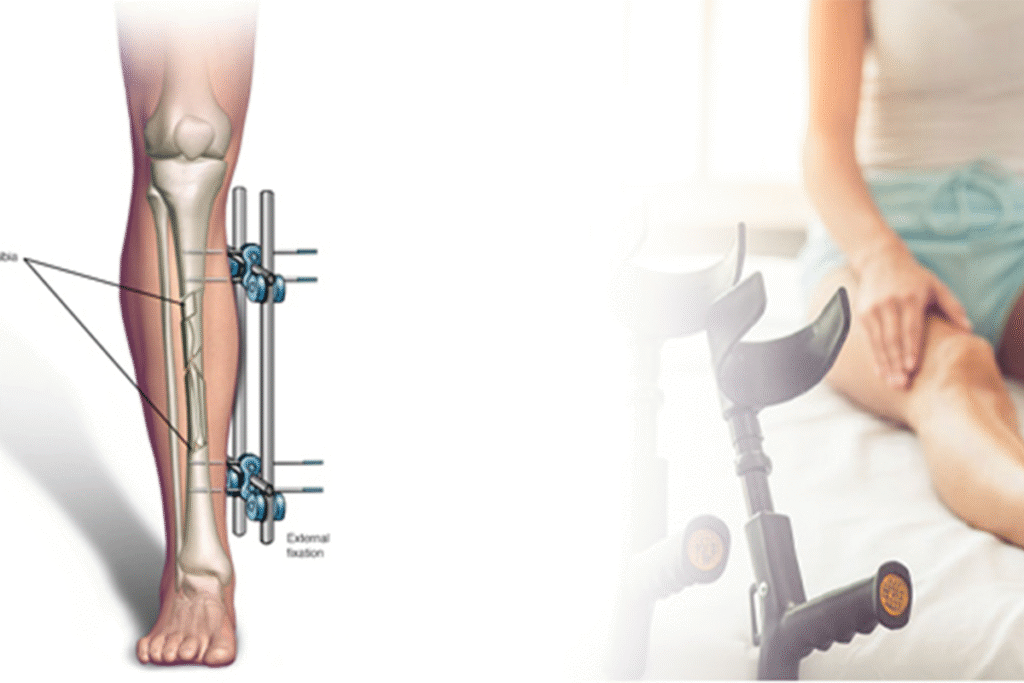
Many patients recover without surgery. Conservative treatment is often the first recommendation for mild to moderate orthopedic conditions.
Medications
Pain-relieving medicines and anti-inflammatory medications help reduce discomfort while supporting recovery.
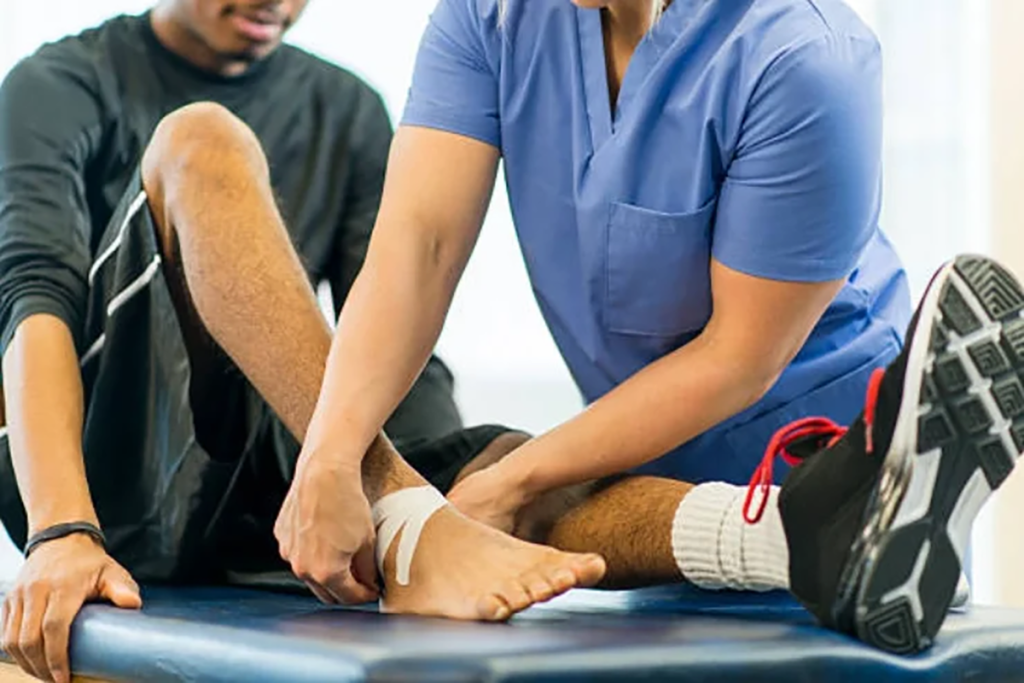
Physiotherapy
A customized physiotherapy program strengthens muscles surrounding the affected joint, improves flexibility, restores balance, and enhances mobility.
Lifestyle Modifications
Simple lifestyle changes often reduce joint stress.
These include:
- Weight management
- Regular low-impact exercise
- Posture correction
- Activity modification
- Joint protection techniques
These measures help slow disease progression while improving quality of life.
Knee Braces and Shoulder Supports
Supportive braces stabilize injured joints and reduce pain during movement.
Injection Therapy
Depending on the condition, your orthopedic surgeon may recommend:
- Corticosteroid injections
- Hyaluronic acid injections
- Platelet-Rich Plasma (PRP) therapy
These treatments may reduce inflammation and provide temporary pain relief in selected patients.
Advanced Minimally Invasive Orthopedic Procedures
When conservative treatments fail, minimally invasive procedures often provide effective results with shorter recovery periods.
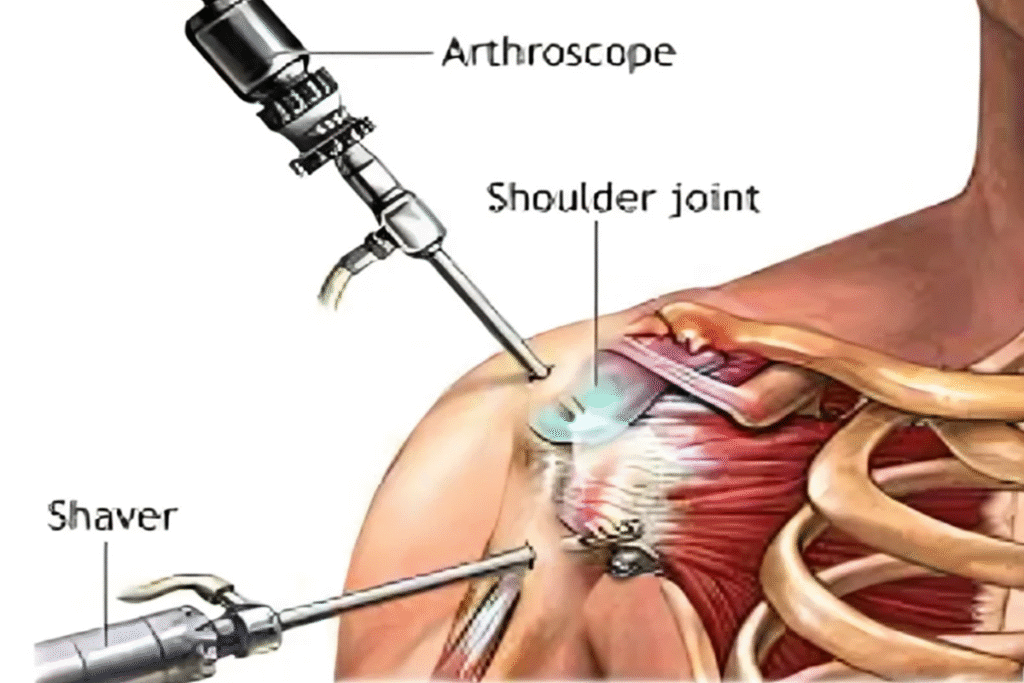
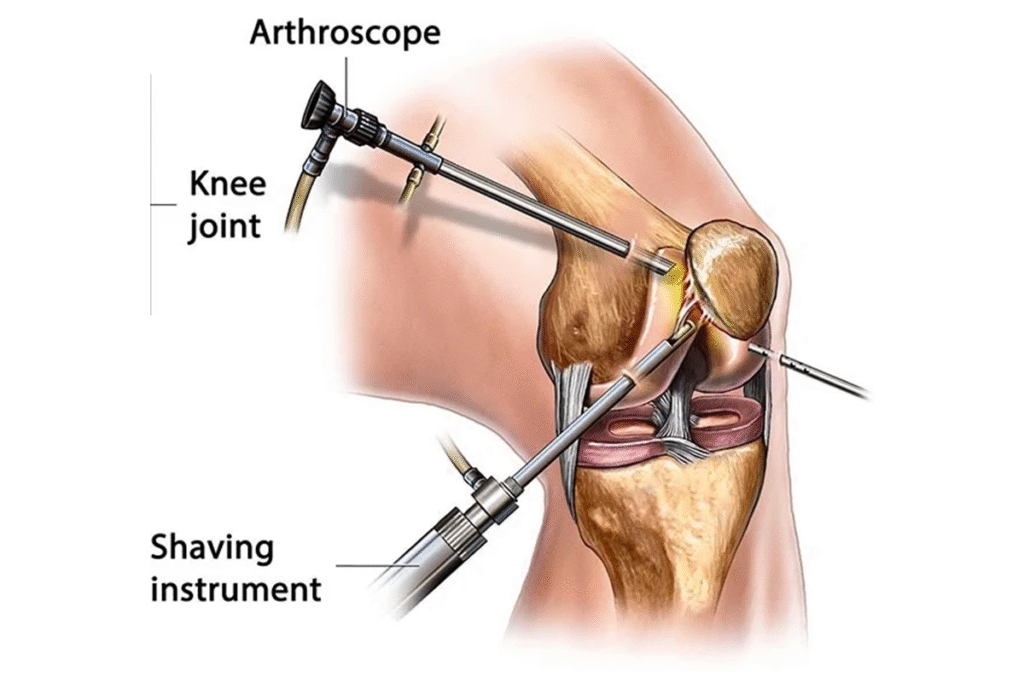
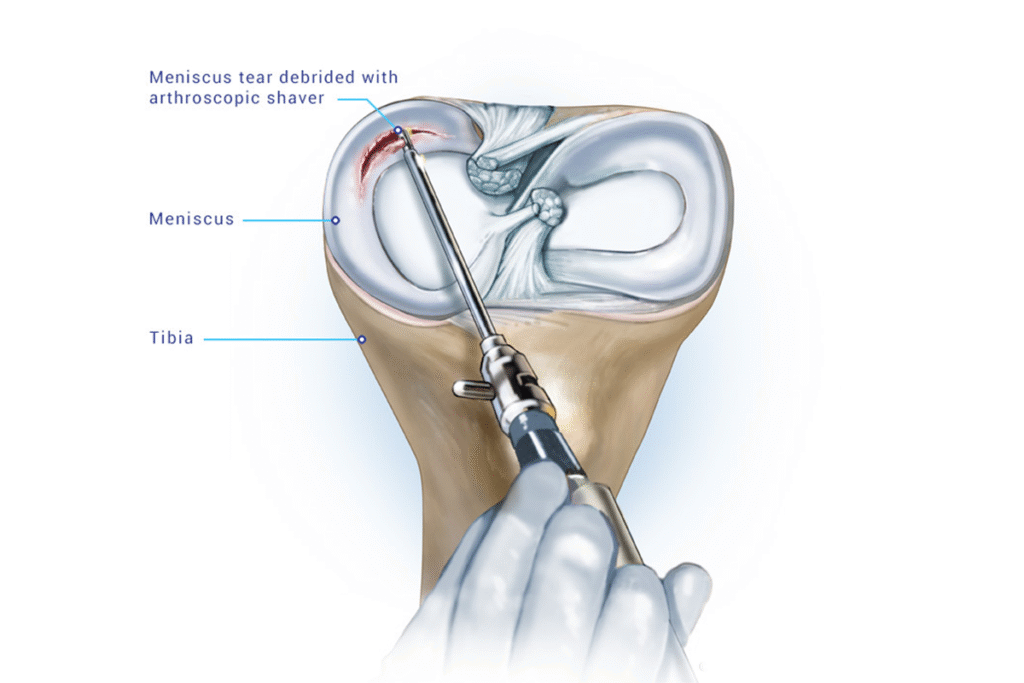
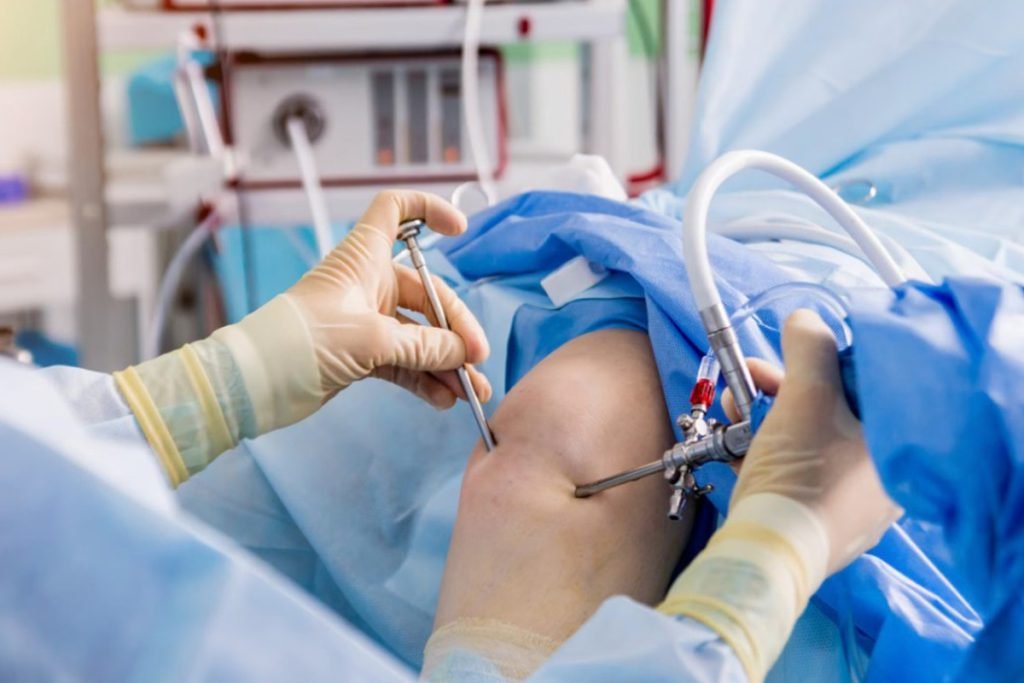
Arthroscopy
Arthroscopy is commonly used for knee and shoulder conditions.
During this procedure, tiny incisions and a small camera allow the surgeon to repair damaged tissues with minimal trauma.
It is frequently performed for:
- Meniscus repair
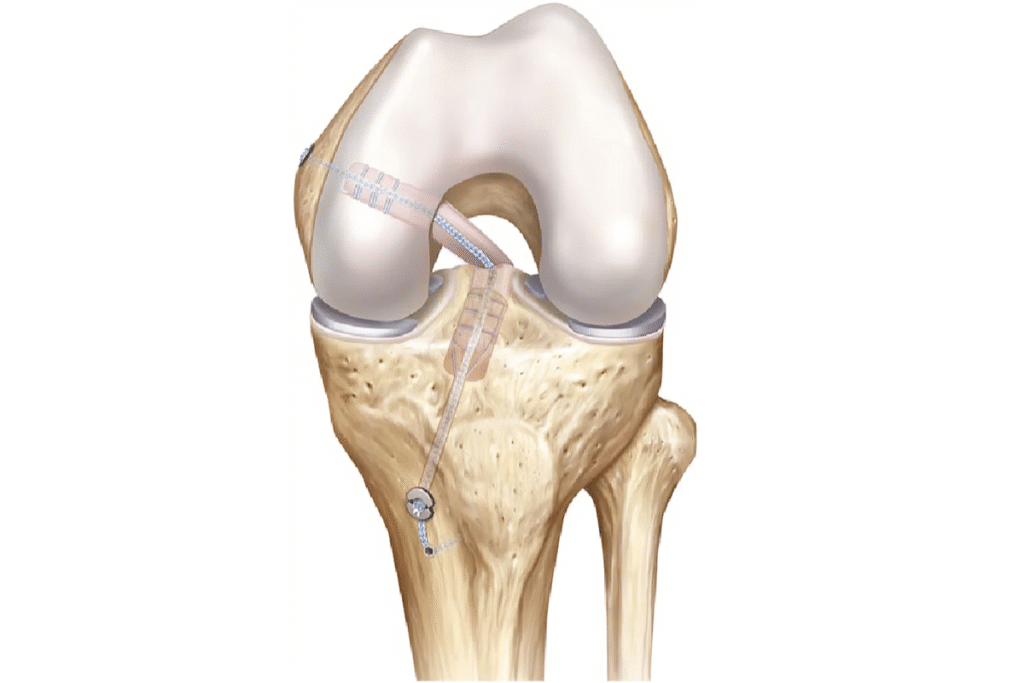
- ACL reconstruction
- Rotator cuff repair
- Cartilage treatment
- Shoulder instability
Patients generally experience:
- Smaller incisions
- Less pain
- Faster rehabilitation
- Reduced hospital stay
- Earlier return to normal activities
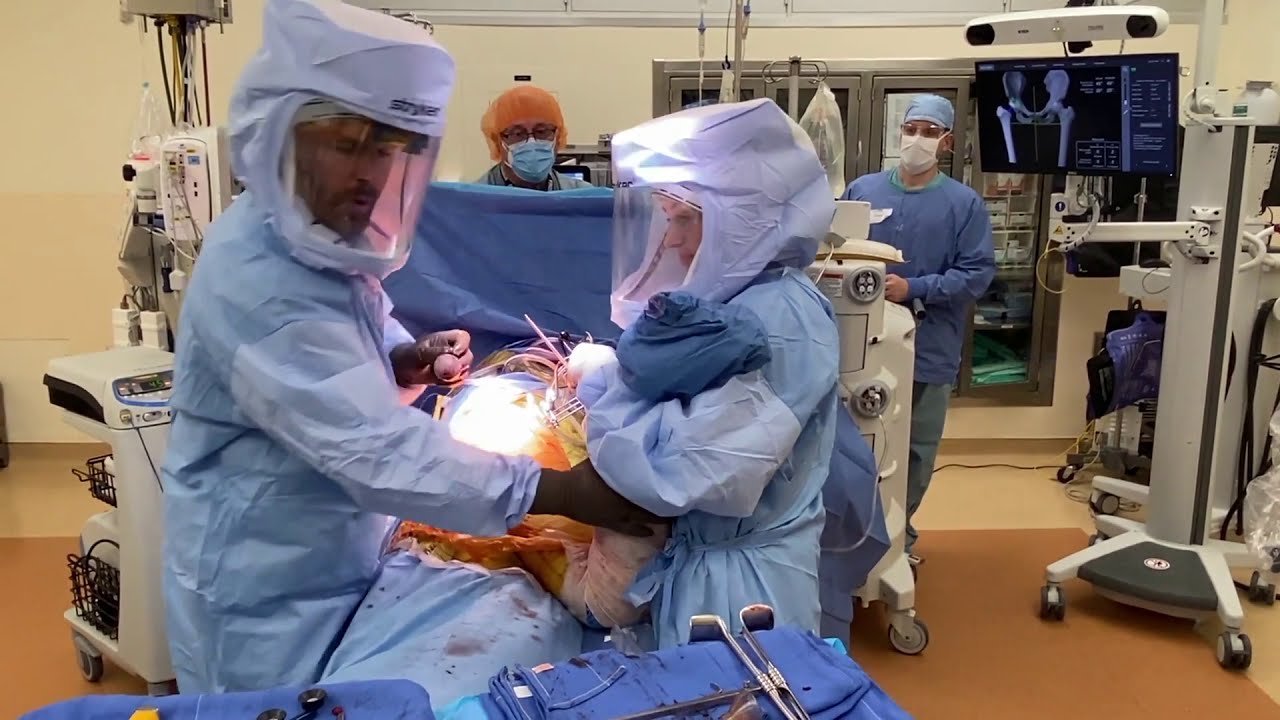
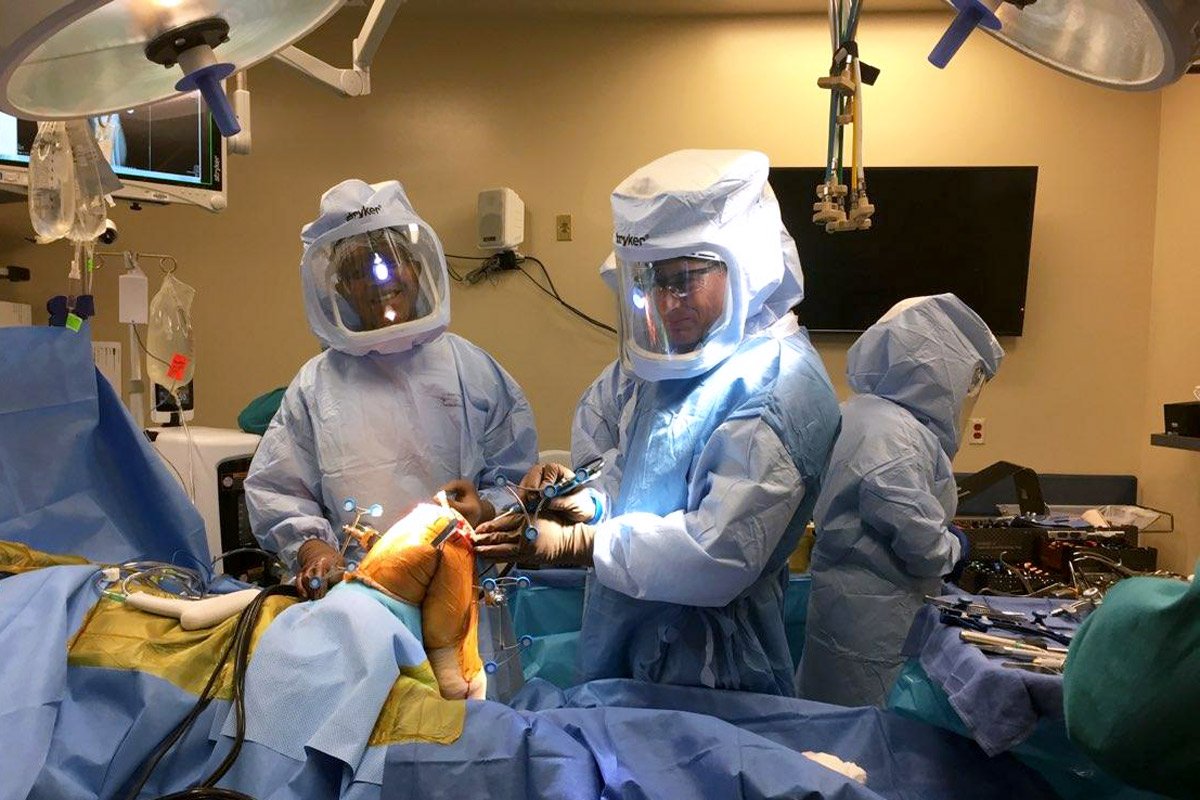
Joint Replacement Surgery for Advanced Arthritis
When joints become severely damaged, joint replacement surgery may be the most effective solution.
The Best Orthopedic Surgeon in Gurugram evaluates every patient carefully before recommending surgery.
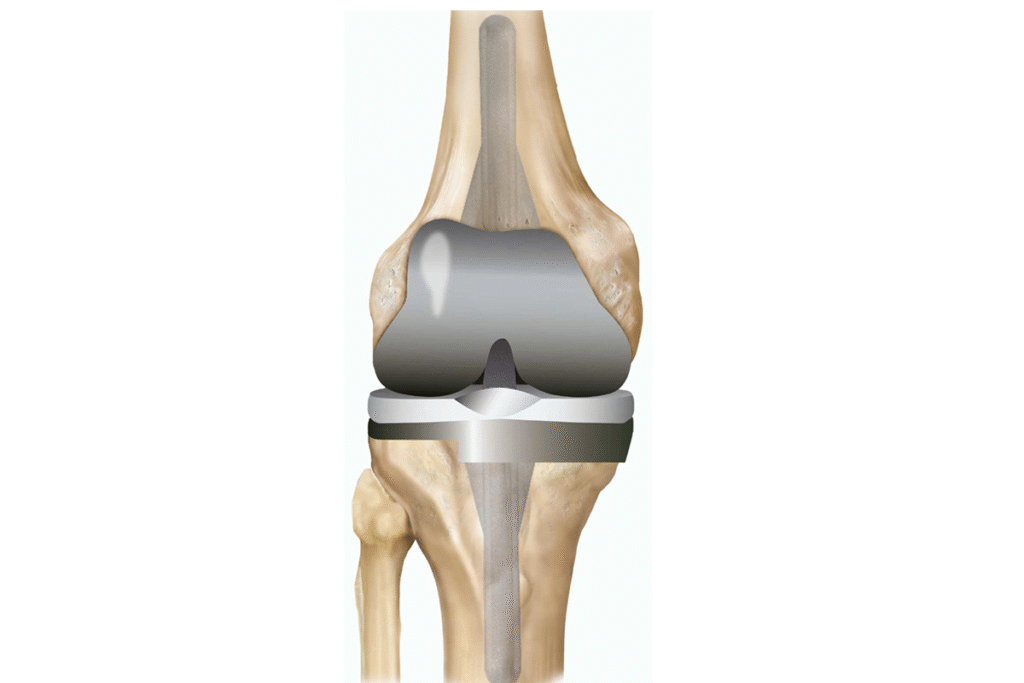
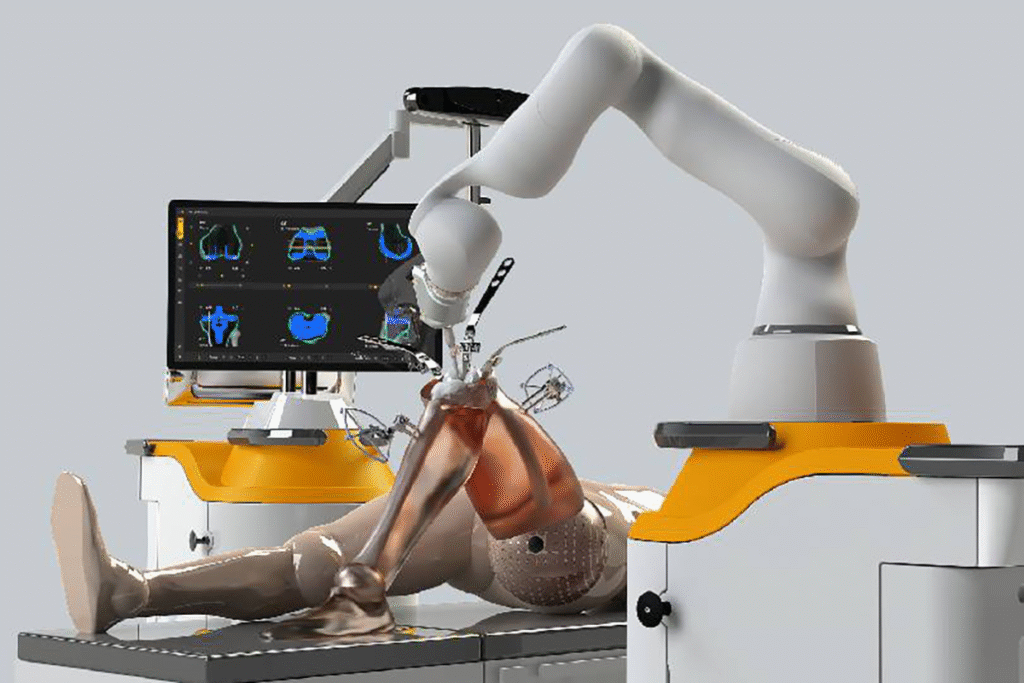
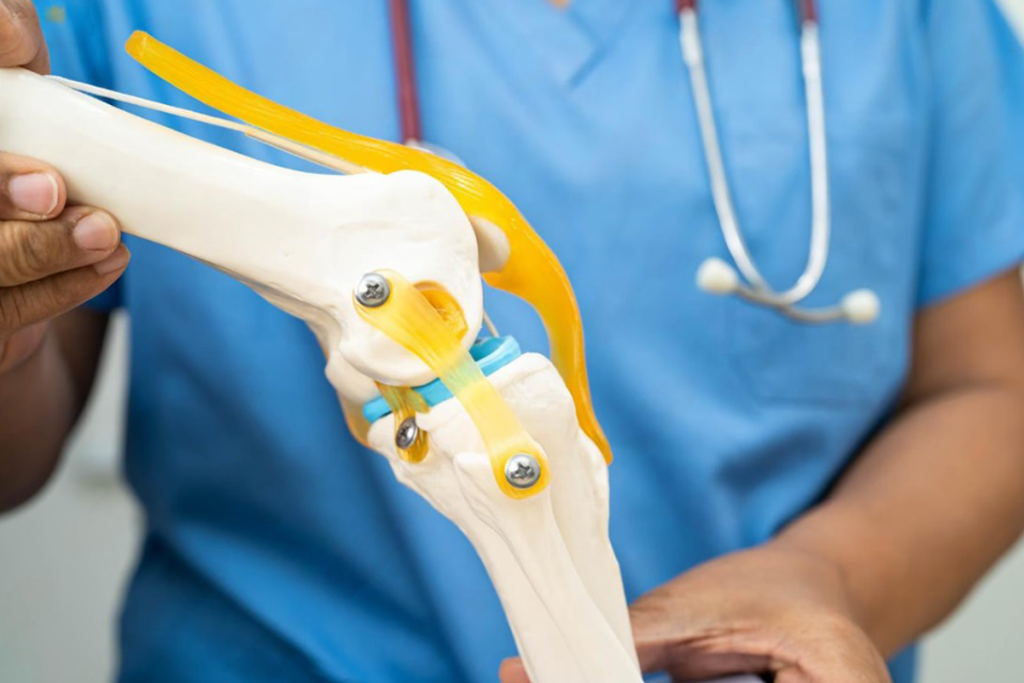
Knee Replacement
Knee replacement is advised when arthritis causes severe pain and stiffness that no longer responds to medication or physiotherapy.
Benefits include:
- Significant pain relief
- Better mobility
- Improved walking ability
- Enhanced quality of life
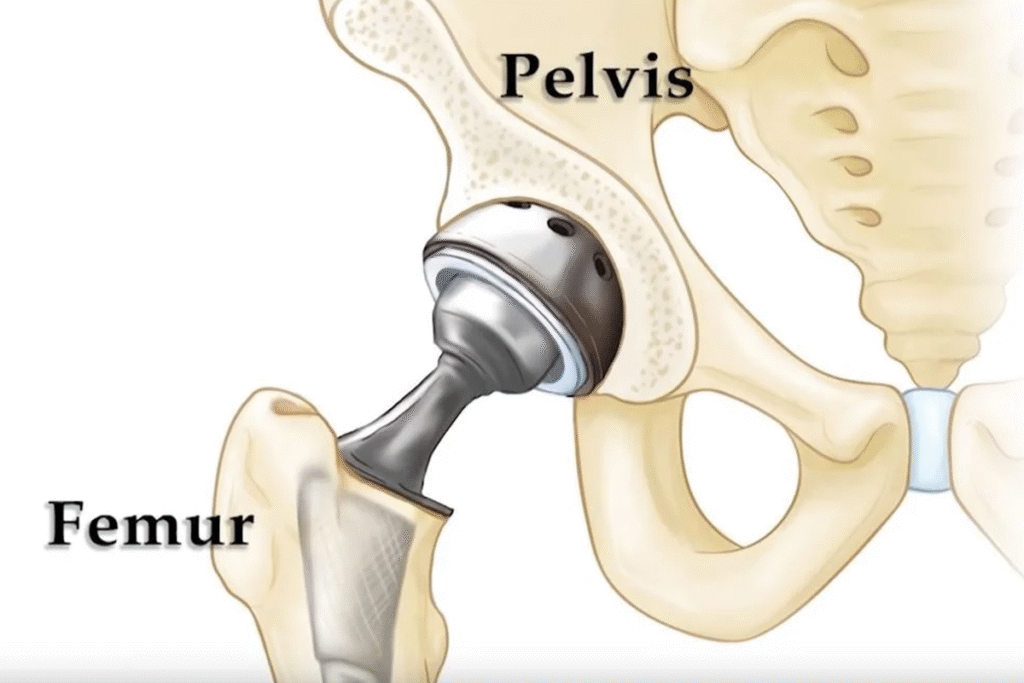
Hip Replacement
Hip replacement replaces the damaged hip joint with artificial components designed to restore movement and reduce pain.
Patients suffering from severe hip arthritis often regain independence after surgery.
Shoulder Replacement
Advanced shoulder arthritis or complex fractures sometimes require shoulder replacement surgery to restore function and relieve chronic pain.
Modern implants are durable and designed to provide long-term results.
Rehabilitation After Orthopedic Treatment
Treatment does not end after surgery or injections. Rehabilitation is equally important for successful recovery.
A structured rehabilitation program focuses on:
- Restoring joint movement
- Muscle strengthening
- Improving flexibility
- Balance training
- Pain management
- Safe return to daily activities
Patients who actively participate in rehabilitation generally recover faster and achieve better long-term outcomes.
Why Personalized Orthopedic Care Matters
No two patients experience joint pain in the same way. Factors such as age, occupation, activity level, severity of joint damage, and medical history influence treatment decisions.
The Best Orthopedic Surgeon in Gurugram develops an individualized treatment plan rather than following a one-size-fits-all approach.
This personalized strategy helps patients:
- Recover safely
- Avoid unnecessary surgery
- Return to work sooner
- Improve long-term joint health
- Maintain an active lifestyle
Preventing Future Joint Problems
Preventive care plays an essential role in maintaining healthy joints.
Healthy habits include:
- Maintaining a healthy body weight
- Exercising regularly
- Strengthening supporting muscles
- Stretching before physical activity
- Wearing appropriate footwear
- Avoiding repetitive joint strain
- Treating sports injuries promptly
- Following proper lifting techniques
Regular orthopedic evaluations can detect early joint problems before they become serious.
Conclusion
Joint pain should never become a permanent part of your life. Advances in orthopedic medicine now provide a wide range of treatment options, from medications and physiotherapy to minimally invasive arthroscopy and advanced joint replacement surgery. The right treatment depends on an accurate diagnosis, the severity of the condition, and your individual lifestyle needs.
If you are experiencing persistent knee, hip, or shoulder pain, consulting the Best Orthopedic Surgeon in Gurugram can help you receive timely diagnosis, expert guidance, and a personalized treatment plan. Under the expert care of Dr. Guruditta Khurana, patients receive comprehensive orthopedic treatment focused on pain relief, improved mobility, and long-term joint health, helping them return to an active and comfortable life.