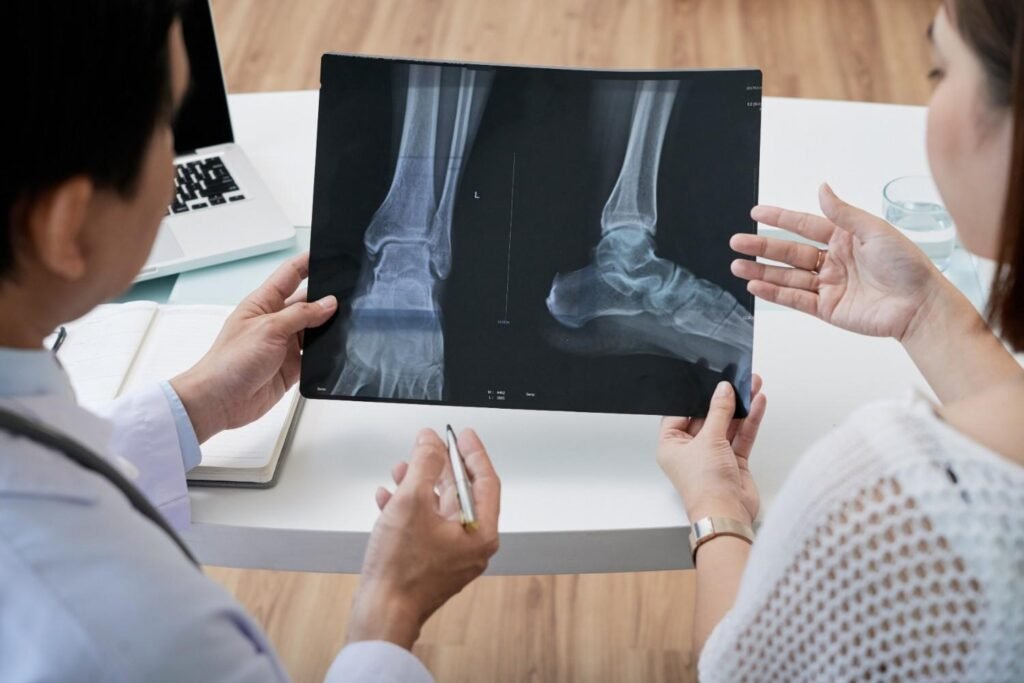
A fracture can be a stressful experience, but treatment is only the first step toward complete recovery. After the bone has been aligned and stabilized, the body begins the healing process. If you are seeking Fracture Treatment in Gurugram Sector 51, it is important to understand that recovery may involve follow-up appointments, rehabilitation, gradual movement, and lifestyle changes. The goal is not only to help the bone heal but also to restore strength, flexibility, and normal function.
At Fracture Treatment in Gurugram Sector 51, the recovery plan depends on factors such as the type and location of the fracture, the treatment used, your age, overall health, and how well you follow medical advice. Some fractures heal within several weeks, while complex injuries can take several months.
Join our online community! Follow us on: https://www.youtube.com/@RoboticOrthodoc_Guruditta
What Happens Immediately After Fracture Treatment?
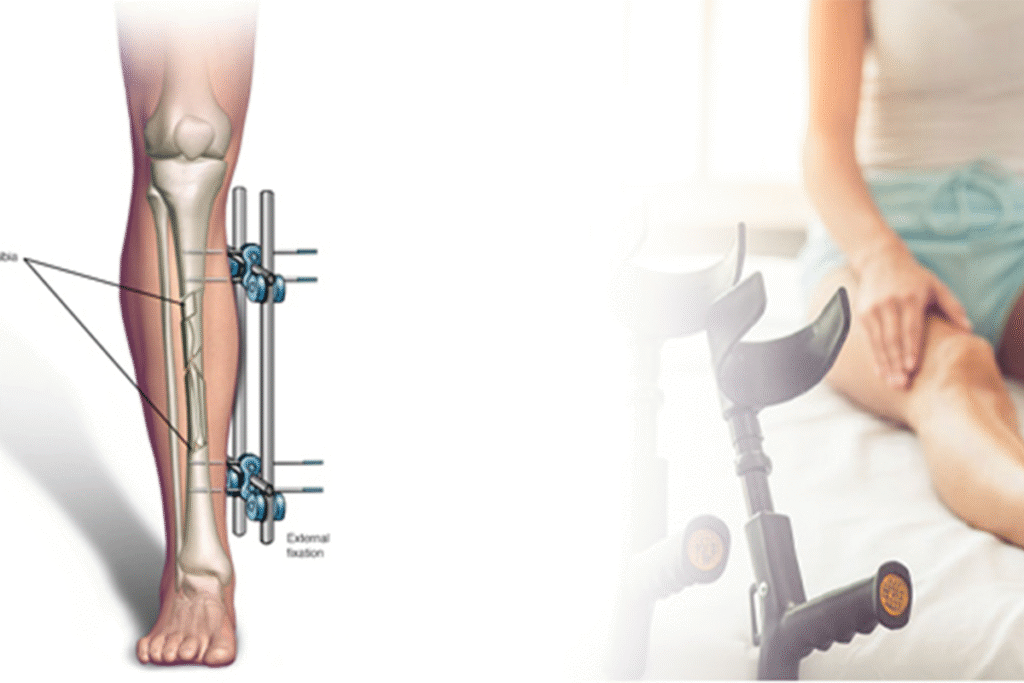
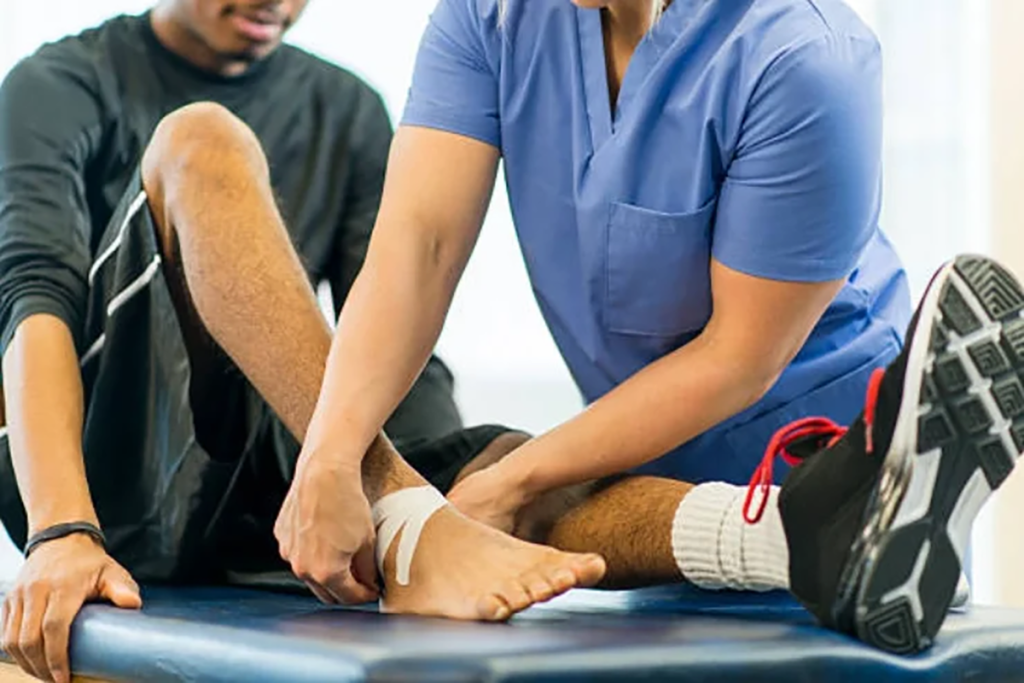
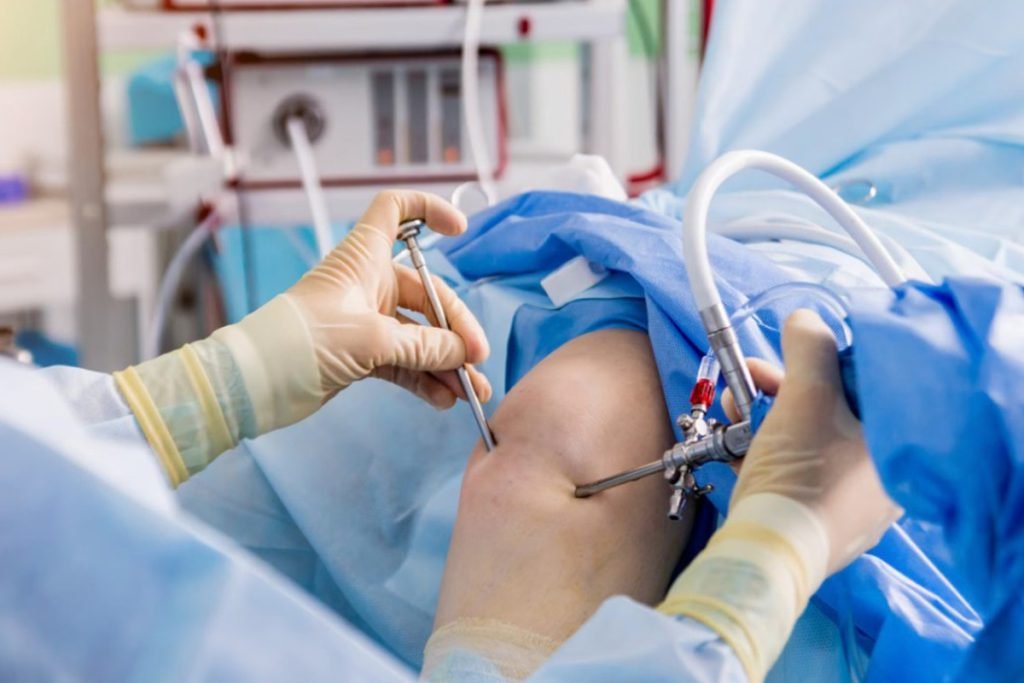
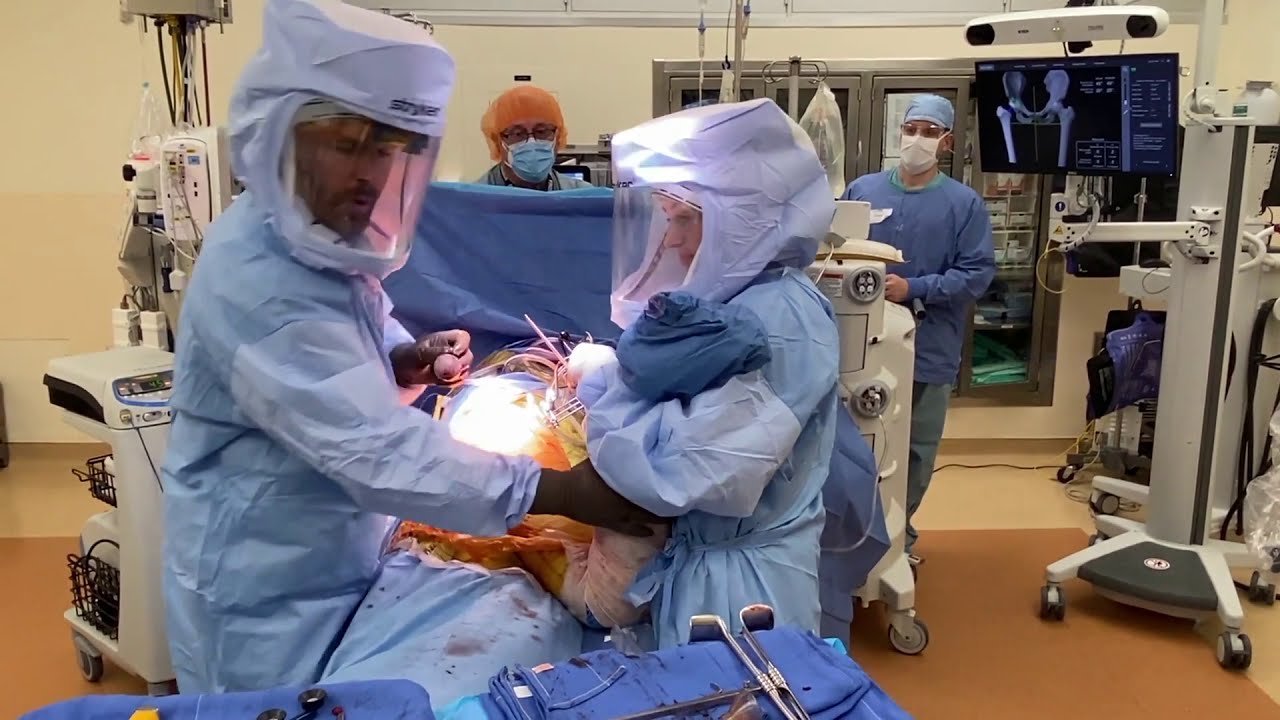
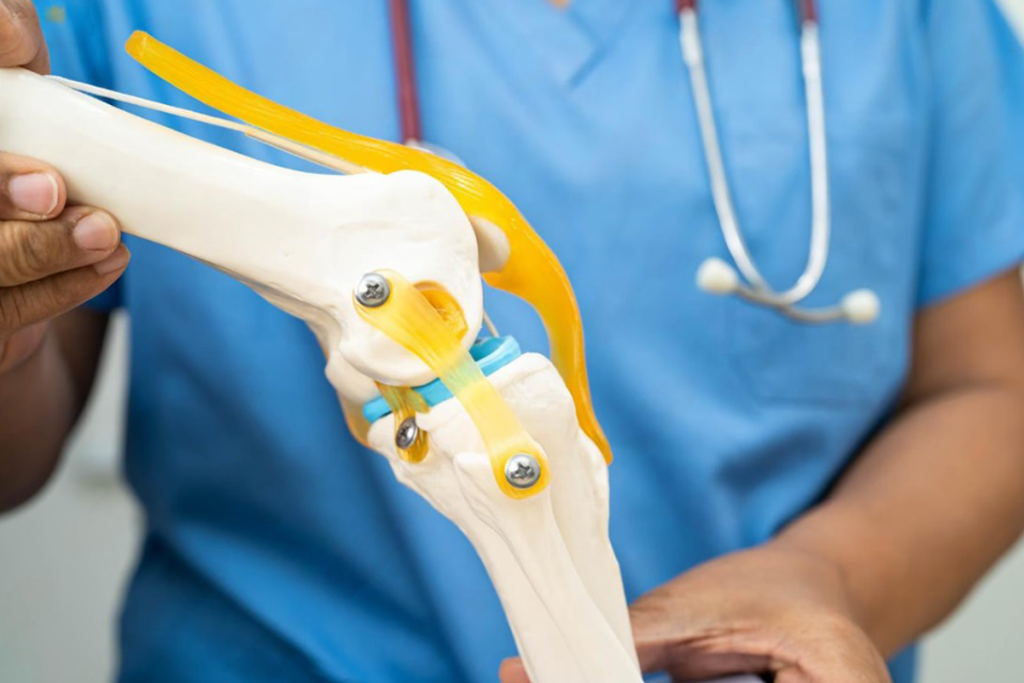
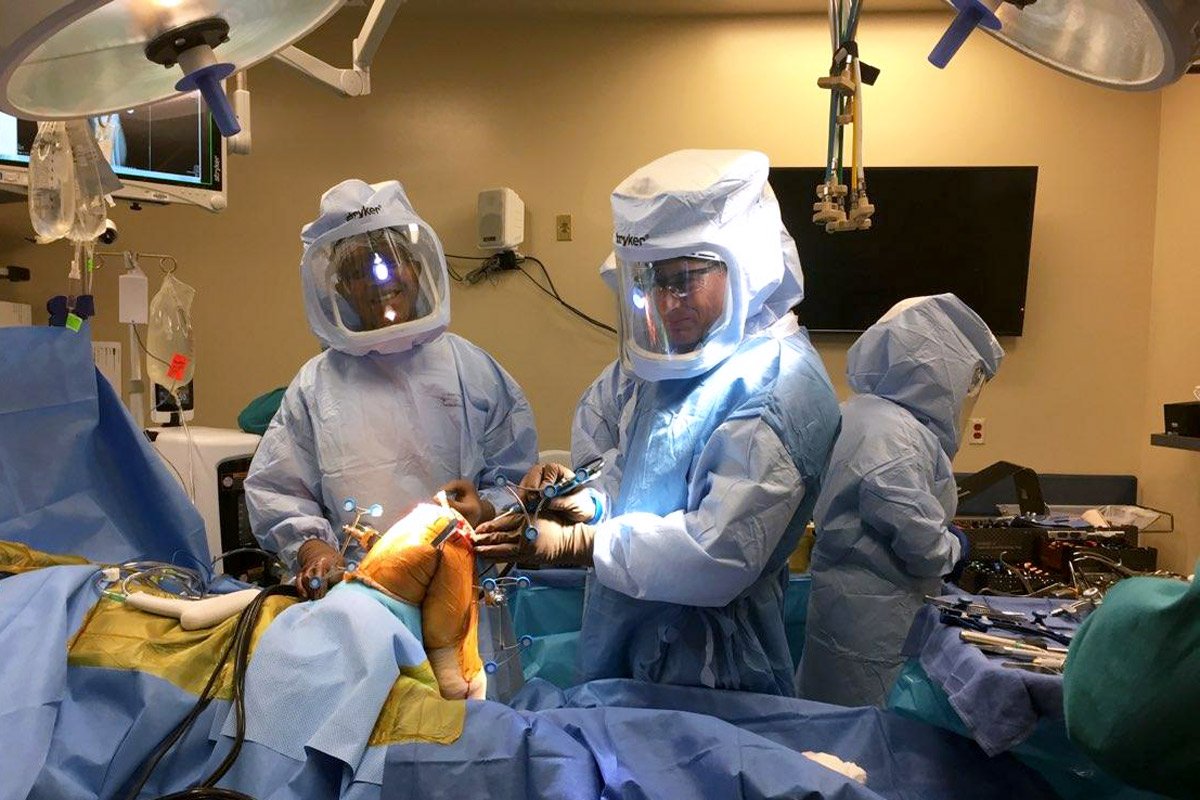
Once the fracture has been treated, the affected bone needs time to heal. Depending on the injury, treatment may involve a cast, brace, screws, plates, rods, or other methods of stabilization.
You may experience some pain, swelling, stiffness, or limited movement during the early recovery period. These symptoms do not necessarily mean something is wrong. However, worsening pain or unusual symptoms should be discussed with your orthopaedic specialist.
The most important step during this stage is following your doctor’s instructions regarding movement, weight-bearing, medication, wound care, and follow-up visits.
Bone Healing Takes Time
One of the most common questions patients ask after Fracture Treatment in Gurugram Sector 51 is, “When will my bone become normal?”
There is no single answer because fracture healing varies from person to person. Smaller fractures may heal within a few weeks, while larger or more complicated fractures can take several months. Pain may disappear before the bone has regained enough strength for normal activities.
For this reason, you should not return to heavy exercise, sports, lifting, or full weight-bearing simply because you feel better. Your doctor will assess your progress before increasing activity.
Follow-Up Visits Are Important
Follow-up appointments are an important part of Fracture Treatment in Gurugram Sector 51. During these visits, your orthopaedic doctor may assess your pain, movement, swelling, strength, and overall recovery.
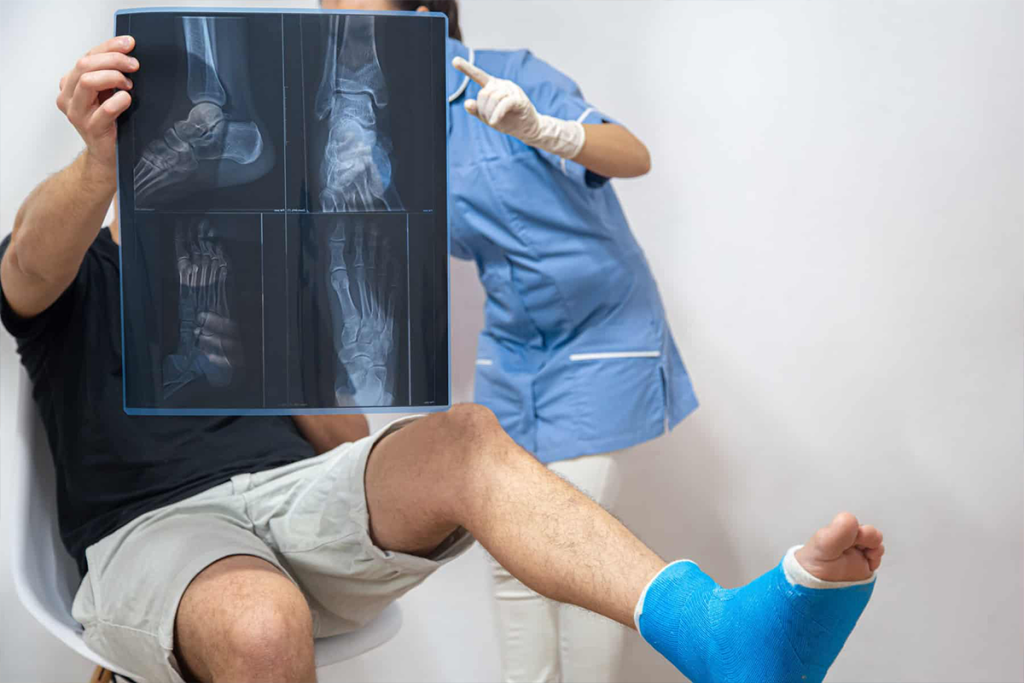
Imaging such as X-rays may also be recommended to check how the fracture is healing. In some situations, additional imaging may be needed.
These appointments help your doctor determine whether you can gradually increase movement or weight-bearing. They can also identify delayed healing or other complications at an early stage.
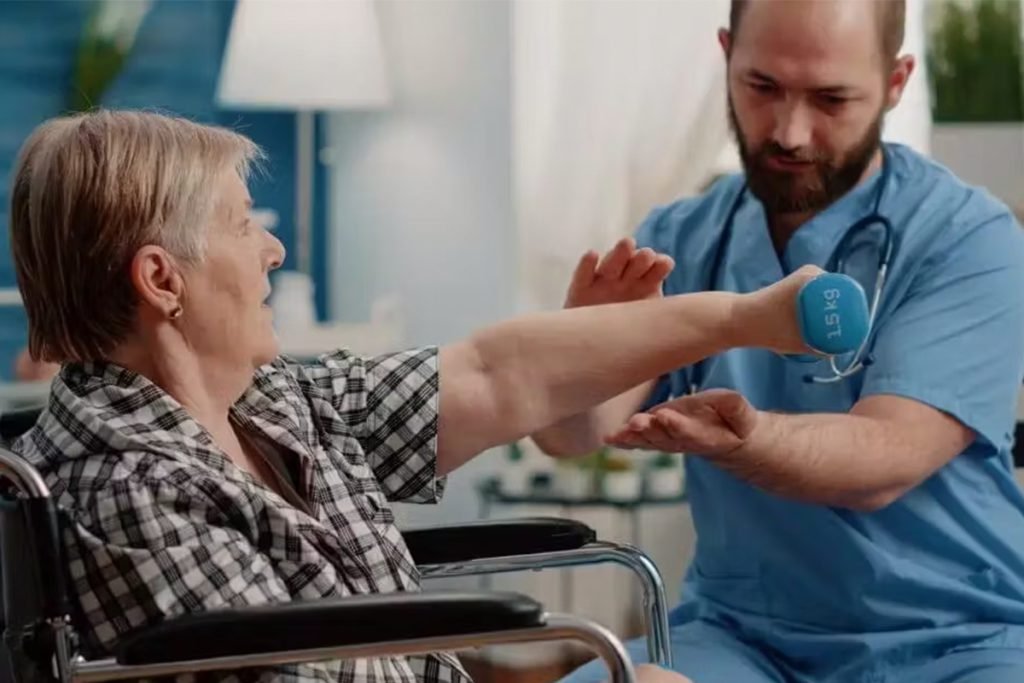
Physiotherapy After Fracture Treatment
After a period of immobilization, it is common for muscles around the injured area to become weaker. Joints may also feel stiff, and your range of motion may be reduced.
This is where physiotherapy and rehabilitation become important.
A personalized rehabilitation program may include:
- Gentle range-of-motion exercises
- Muscle-strengthening exercises
- Flexibility exercises
- Balance and coordination training
- Walking or weight-bearing exercises when appropriate
- Gradual return to normal activities
Physical therapy can help restore muscle strength, joint movement, and flexibility after a fracture.
However, exercises should be started at the appropriate stage. Doing too much too early can place unnecessary stress on the healing bone.
When Can You Walk After a Fracture?
The answer depends on the location and severity of the fracture and the type of treatment performed.
Some patients may be allowed limited movement soon after treatment, while others may need to avoid putting weight on the injured limb for a period of time. Crutches, walkers, or other support devices may be recommended during this stage.
Your doctor will tell you when and how much weight you can place on the affected limb. Following these instructions is essential for safe healing.
If you have received Fracture Treatment in Gurugram Sector 51, do not compare your recovery timeline with another patient’s. Two people with apparently similar fractures may have very different healing requirements.
Managing Pain and Swelling
Mild pain and swelling can occur during fracture recovery, particularly after movement or physiotherapy. Your doctor may recommend appropriate pain management, rest, elevation, ice, or other measures depending on your condition.
Medication should be taken only as advised by your healthcare professional. If pain is getting worse instead of gradually improving, seek medical advice.
A sudden increase in swelling, severe pain, numbness, unusual skin colour, fever, wound problems, or other concerning symptoms should not be ignored.
Returning to Daily Activities
Recovery does not end when the cast is removed or surgery is completed. You may need time to rebuild strength and confidence before returning to your normal routine.
Your return to activities should usually be gradual. Start with activities approved by your doctor and physiotherapist. As strength and mobility improve, your activity level can be increased.
Sports, running, gym workouts, heavy lifting, and physically demanding work may require additional recovery time. Returning too quickly can increase stress on a healing bone and may delay recovery.
Nutrition and Lifestyle During Recovery
Good nutrition supports overall bone health. A balanced diet containing adequate protein, calcium, vitamin D, fruits, vegetables, and other essential nutrients can support the body’s recovery process.
Lifestyle habits also matter. Smoking and excessive alcohol consumption can negatively affect bone health and healing.
If your fracture occurred because of a fall or a bone-strength problem, your doctor may also evaluate whether additional steps are needed to improve bone health and reduce future fracture risk.
Why Expert Follow-Up Matters
Choosing appropriate Fracture Treatment in Gurugram Sector 51 is important, but continued monitoring is equally valuable. A fracture may appear to be improving while strength and function are still recovering.
Dr. Guruditta Khurana provides orthopaedic care for fractures and trauma injuries, with treatment plans based on the nature and severity of the injury. The practice provides fracture and trauma care in Sector 51, Gurugram, including care through GS Care Multispeciality Clinic and CK Birla Hospital.
A personalized recovery plan can help patients understand when to move, when to rest, and how to progress toward normal activities.
How to Support a Safe Fracture Recovery
If you are recovering after Fracture Treatment in Gurugram Sector 51, keep these points in mind:
- Follow your doctor’s weight-bearing instructions.
- Attend scheduled follow-up appointments.
- Complete prescribed physiotherapy exercises.
- Do not return to sports or heavy activity without medical clearance.
- Take medicines only as prescribed.
- Maintain a balanced and nutritious diet.
- Avoid smoking and excessive alcohol.
- Report unusual or worsening symptoms promptly.
Most importantly, be patient with the healing process. Recovery is often gradual, and temporary stiffness or weakness can improve with appropriate rehabilitation.
Conclusion
Fracture treatment does not end when the bone is placed in a cast or fixed with surgery. Healing, follow-up care, physiotherapy, strengthening, and a gradual return to activity are all important parts of recovery. The exact timeline depends on the fracture and the individual patient.
If you are looking for Fracture Treatment in Gurugram Sector 51, professional orthopaedic evaluation can help you understand your injury and recovery requirements. With appropriate treatment, regular monitoring, and a structured rehabilitation plan, patients can work toward restoring mobility, strength, and confidence in their everyday activities.
Dr. Guruditta Khurana provides advanced orthopaedic and fracture care in Gurugram, focusing on personalized treatment and functional recovery.