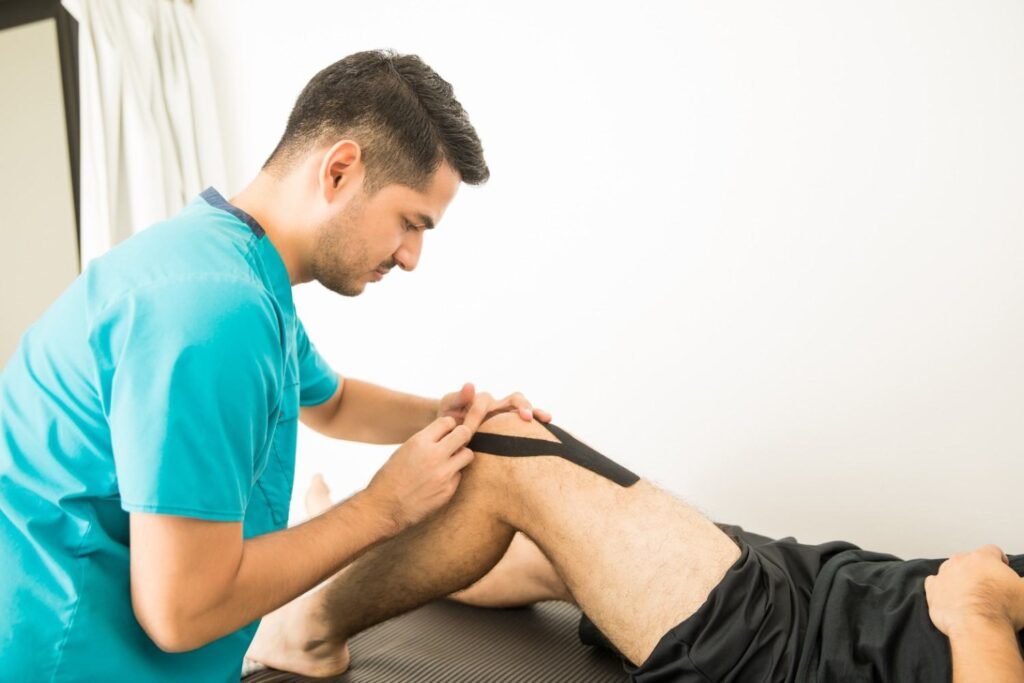
Ligament injuries can cause pain, swelling, instability, and difficulty performing everyday activities. Whether the injury happens during sports, exercise, a fall, or an accident, getting the right diagnosis is important for proper recovery. Ligament Tear Treatment in Sector 51 Gurugram includes a range of non-surgical and surgical options designed according to the type, severity, and location of the injury.
Join our online community! Follow us on: https://www.youtube.com/@RoboticOrthodoc_Guruditta
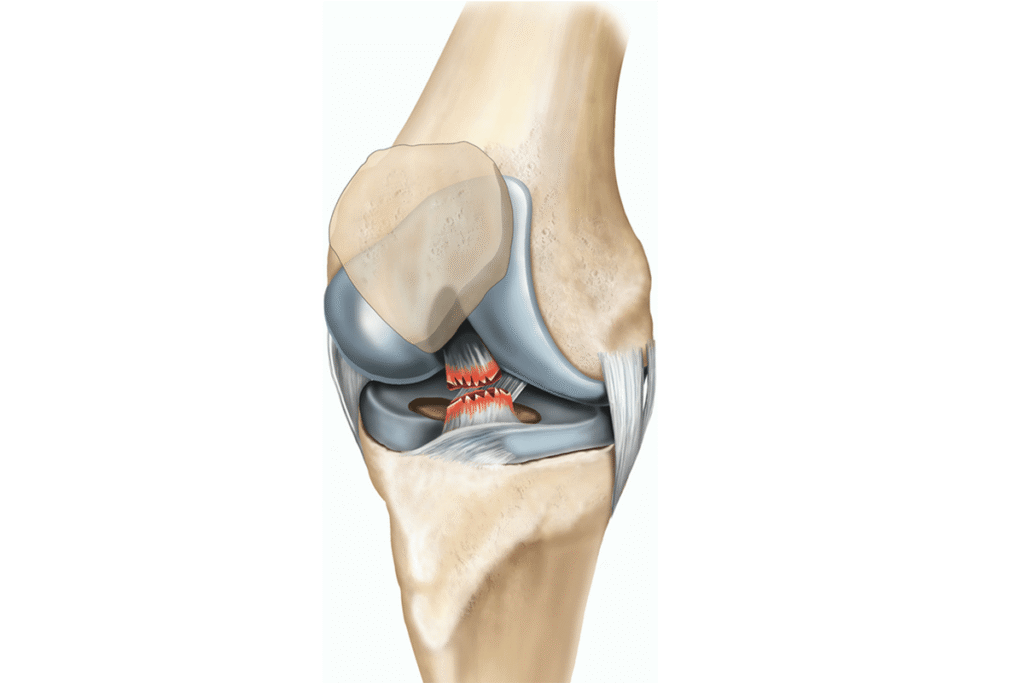
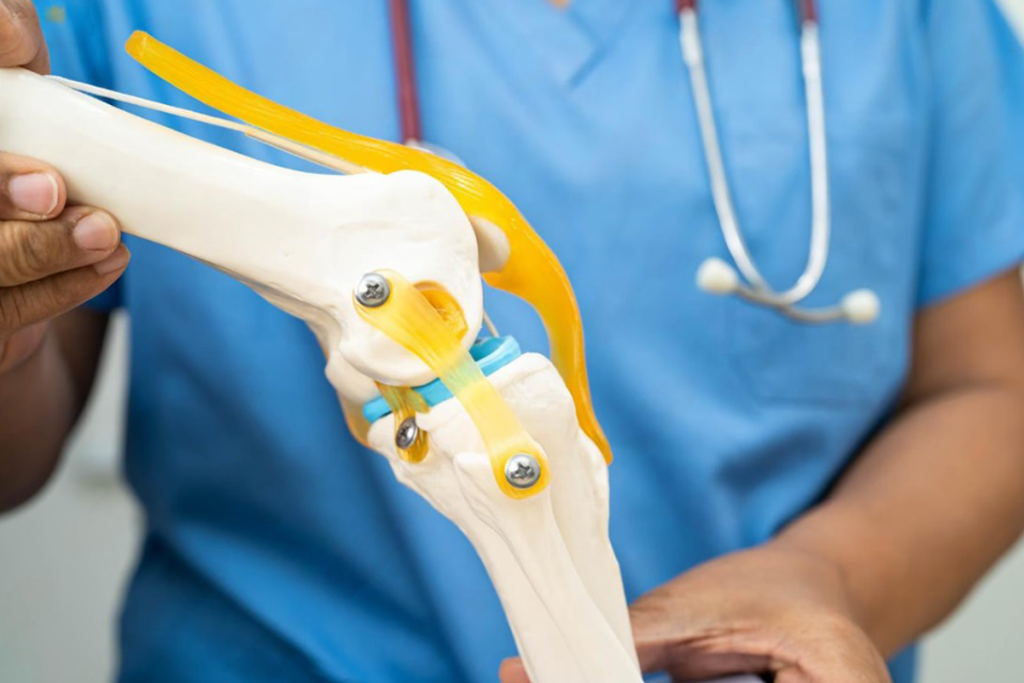
Ligaments are strong bands of tissue that connect bones and help stabilize joints. A tear can affect joints such as the knee, shoulder, ankle, or wrist. Some minor tears may heal with conservative care, while complete tears or injuries causing significant instability may require advanced treatment. The right approach depends on individual needs rather than following a one-size-fits-all plan.
Understanding Ligament Tears and Their Severity
A ligament can be stretched, partially torn, or completely torn. These injuries are often classified according to their severity:
- Grade I: Mild stretching or minor damage to the ligament
- Grade II: Partial tear with increased pain and instability
- Grade III: Complete tear that may significantly affect joint stability
Common symptoms include pain, swelling, bruising, a feeling of looseness in the joint, and difficulty moving or bearing weight. In knee injuries, some people may also experience a feeling that the knee is “giving way.”
Seeking timely Ligament Tear Treatment in Sector 51 Gurugram can help identify the extent of the injury and prevent further damage to the joint.
Accurate Diagnosis Before Starting Treatment
The first step in treating a ligament injury is understanding exactly which structure has been damaged. During an orthopedic consultation, the affected joint is carefully examined for pain, swelling, range of motion, and stability.
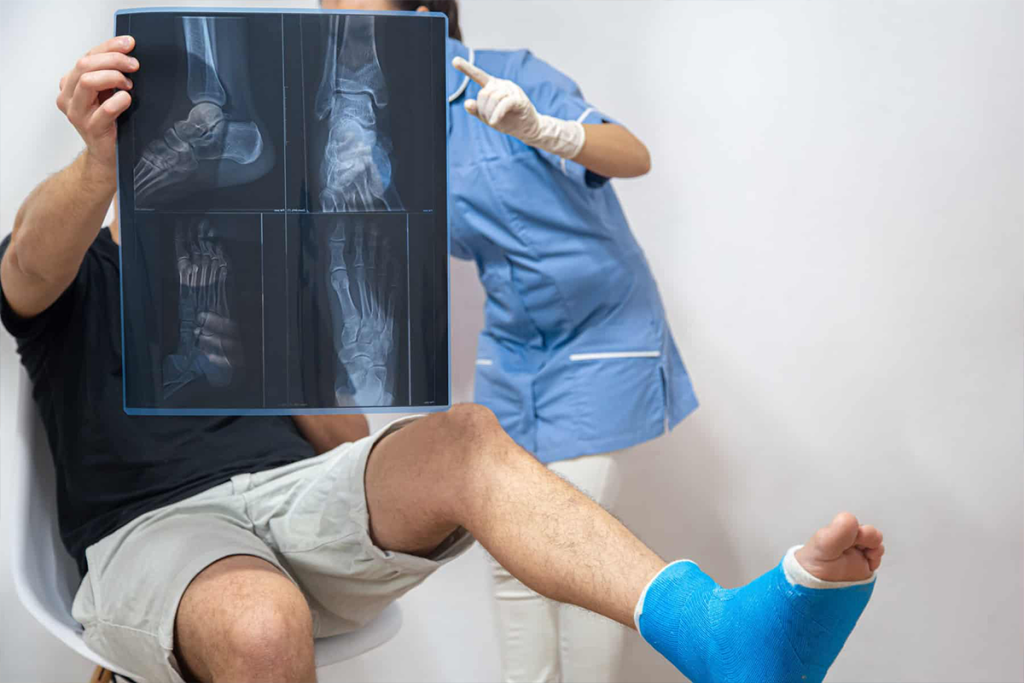
Depending on the injury, diagnostic tests such as X-rays or MRI scans may be recommended. These investigations can help assess ligament damage and identify associated problems involving the meniscus, cartilage, bones, or other soft tissues.
An accurate diagnosis helps determine whether conservative treatment is appropriate or whether a surgical procedure may provide better long-term stability and function.
Non-Surgical Ligament Tear Treatment in Sector 51 Gurugram
Not every ligament tear requires surgery. Many patients with mild injuries, partial tears, or stable joints can benefit from a structured non-surgical treatment plan.
Rest and Activity Modification
Avoiding activities that place excessive stress on the injured joint can support the healing process. Temporary modification of sports, exercise, or physically demanding activities may be advised.
However, prolonged inactivity is not always beneficial. A healthcare professional can guide patients on when and how to safely resume movement.
Medications for Pain and Swelling
Pain-relieving or anti-inflammatory medicines may be recommended when appropriate. These medicines can help manage symptoms during the early stages of recovery.
Medication should always be taken according to medical advice, particularly for patients with other health conditions or those taking regular medicines.
Bracing and Joint Support
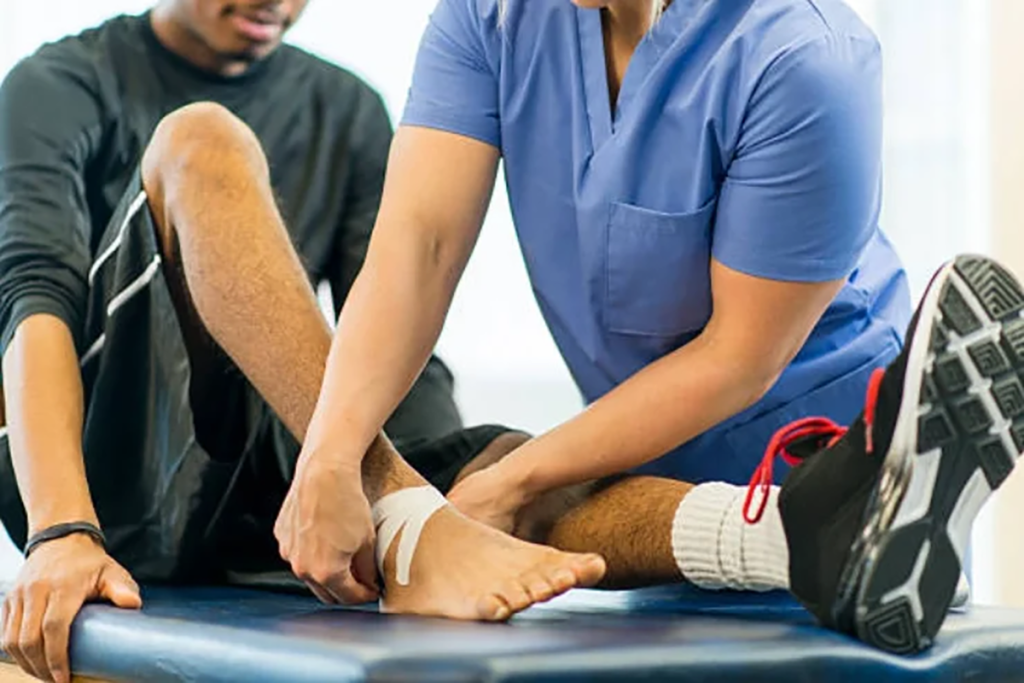
A brace may be used to provide additional support and protect the joint during recovery. The type and duration of bracing depend on the injured ligament and the severity of the tear.
For certain knee ligament injuries, bracing can be combined with rehabilitation to improve stability while the patient regains strength and confidence in movement.
The Importance of Physiotherapy and Rehabilitation
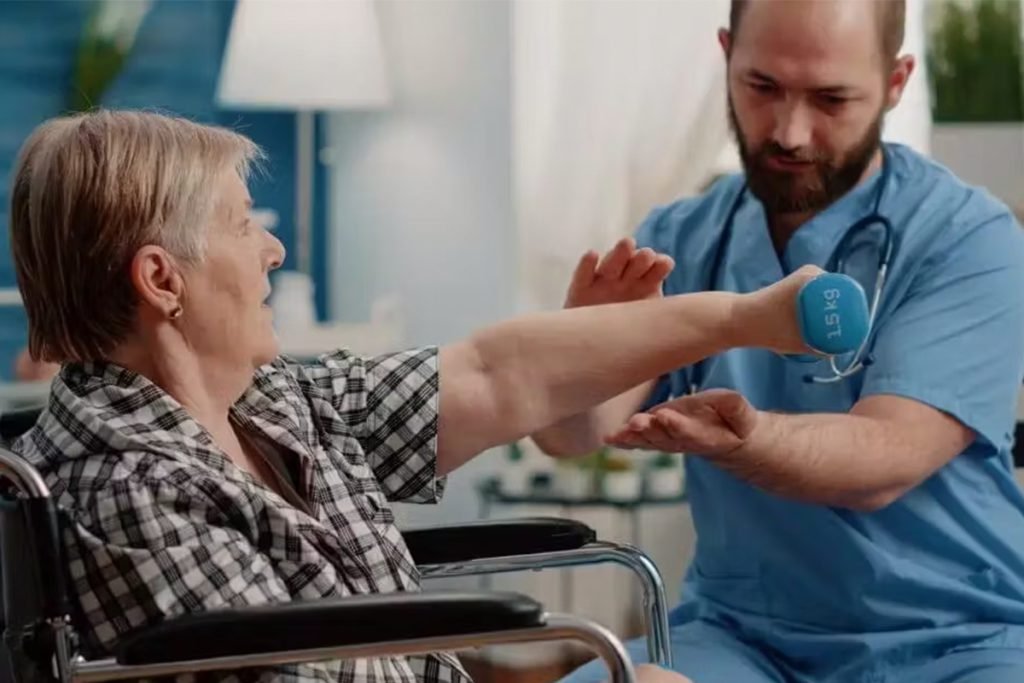
Physiotherapy plays a central role in Ligament Tear Treatment in Sector 51 Gurugram, whether or not surgery is required. A structured rehabilitation program focuses on restoring movement, strength, balance, and joint control.
The rehabilitation plan may include:
- Range-of-motion exercises
- Muscle-strengthening exercises
- Balance and coordination training
- Gradual functional training
- Sport-specific rehabilitation for athletes
The surrounding muscles are important for supporting an injured joint. For example, strengthening the muscles around the knee can improve stability and help patients return safely to daily activities.
Rehabilitation should progress gradually. Returning to demanding activities too early may increase the risk of reinjury.
When Is Surgery Considered for a Ligament Tear?
Surgery may be considered when a ligament is completely torn, the joint remains unstable despite rehabilitation, or the injury affects a person’s ability to perform important daily or sporting activities.
Surgical treatment may also be recommended when there are multiple injuries within the same joint. For example, a severe knee injury may involve the ACL along with damage to the meniscus or other ligaments.
The decision to undergo surgery depends on several factors, including:
- Severity and location of the ligament tear
- Degree of joint instability
- Age and activity level
- Occupation and lifestyle requirements
- Associated injuries
- Response to non-surgical treatment
A personalized assessment is essential before deciding on any surgical procedure.
Arthroscopic and Advanced Surgical Options
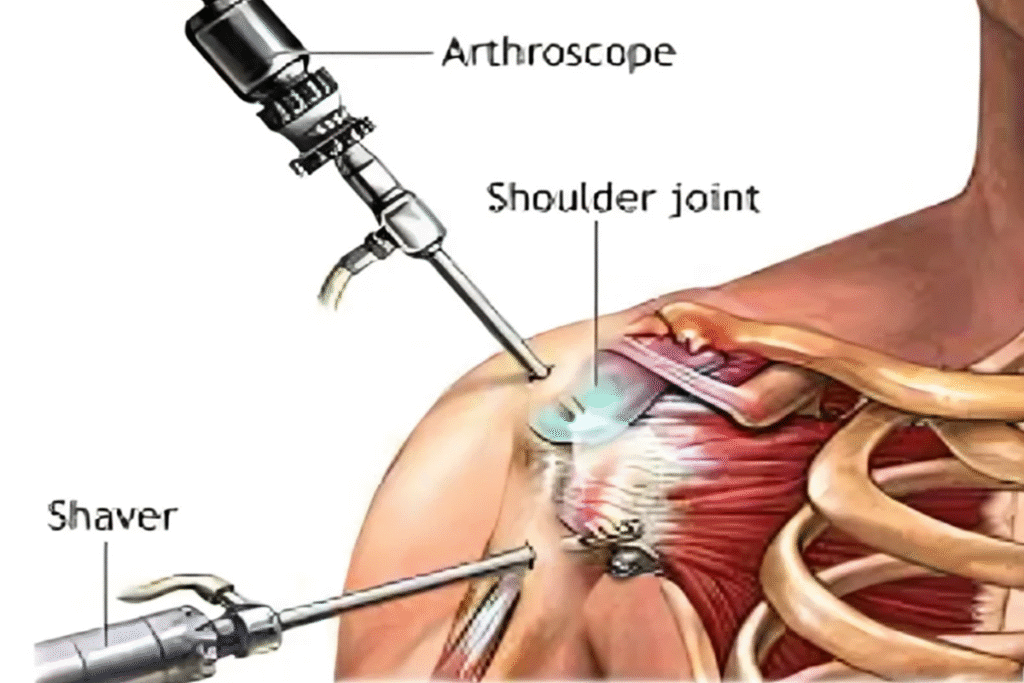
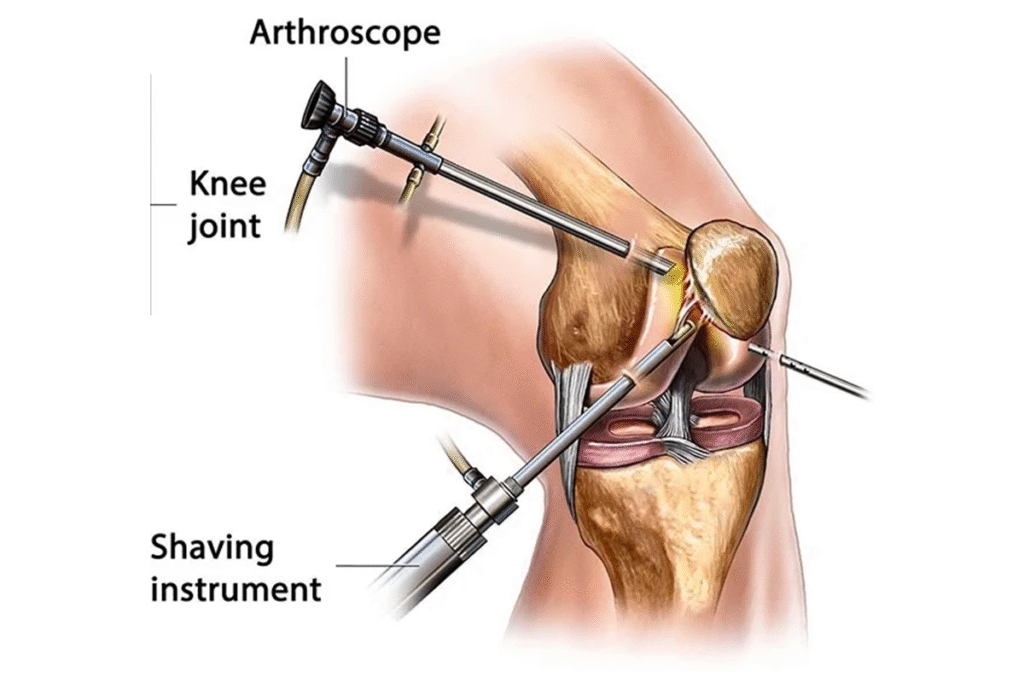
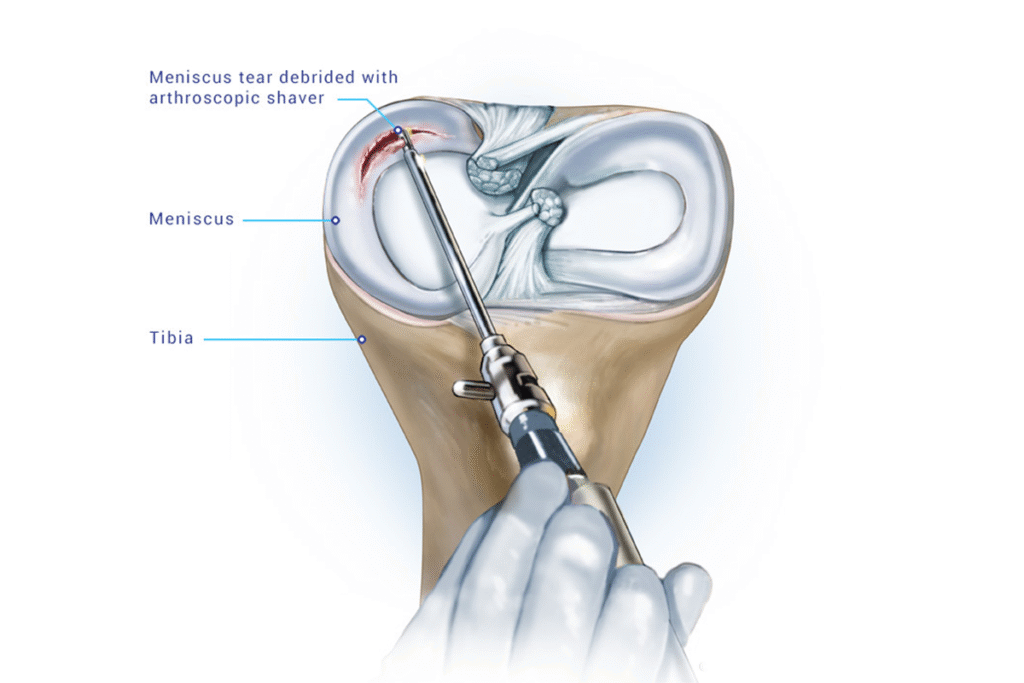
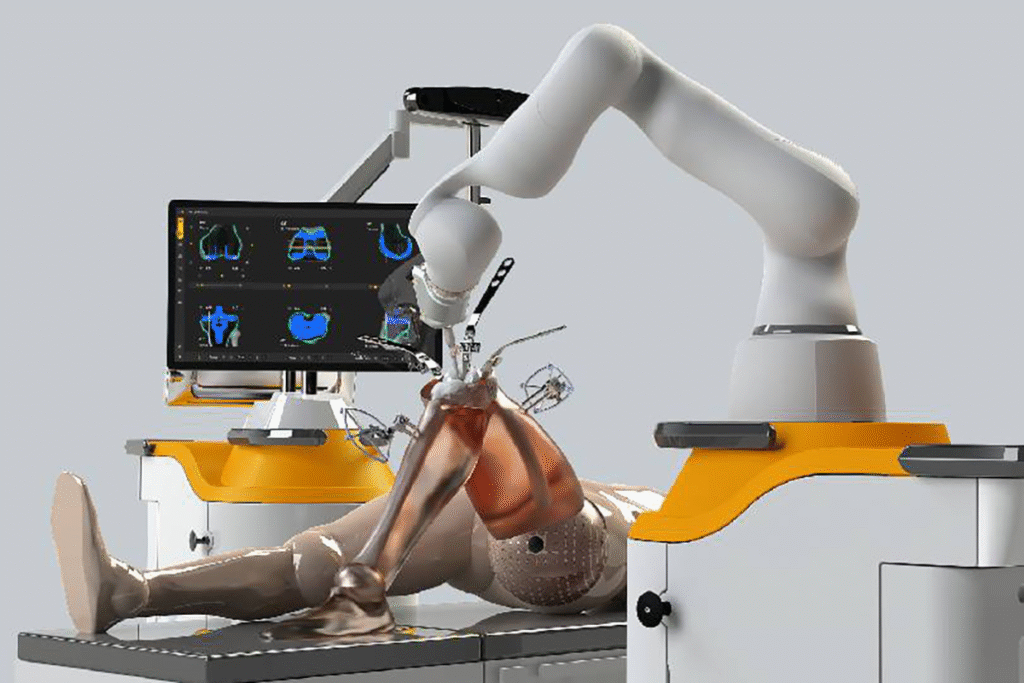
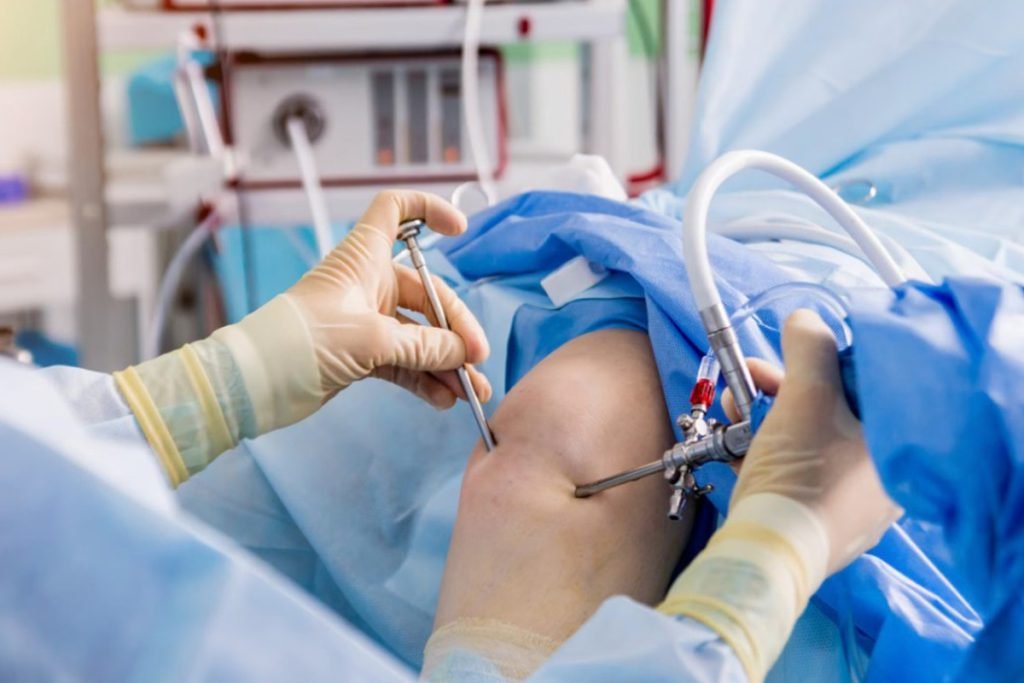
For selected joint injuries, minimally invasive procedures such as arthroscopy may be used. Arthroscopy allows the surgeon to examine and treat problems inside a joint using specialized instruments and small incisions.
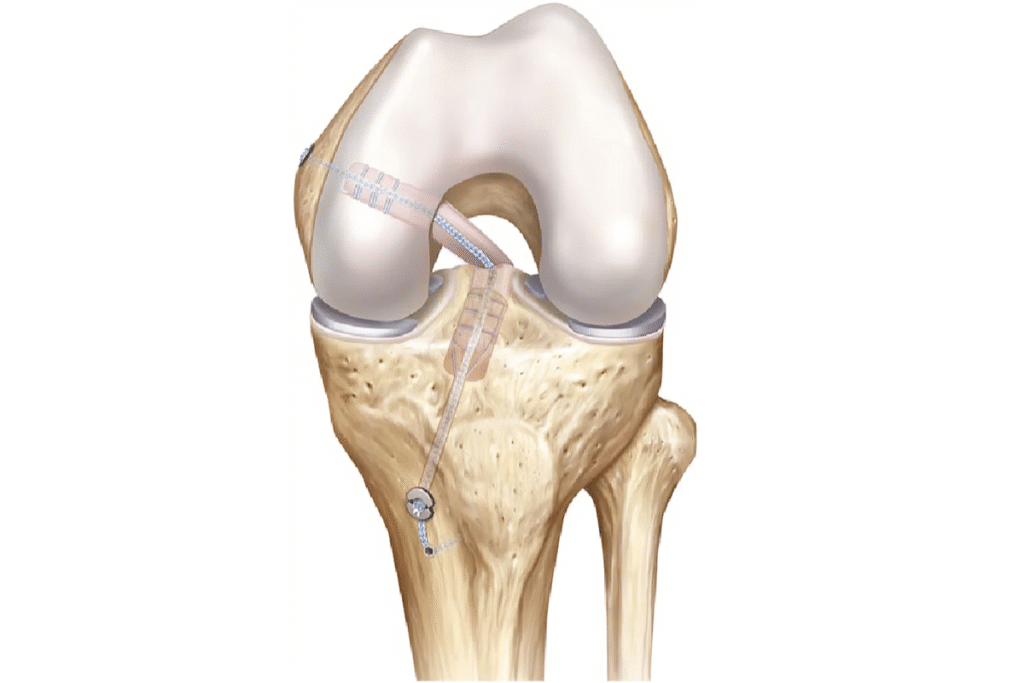
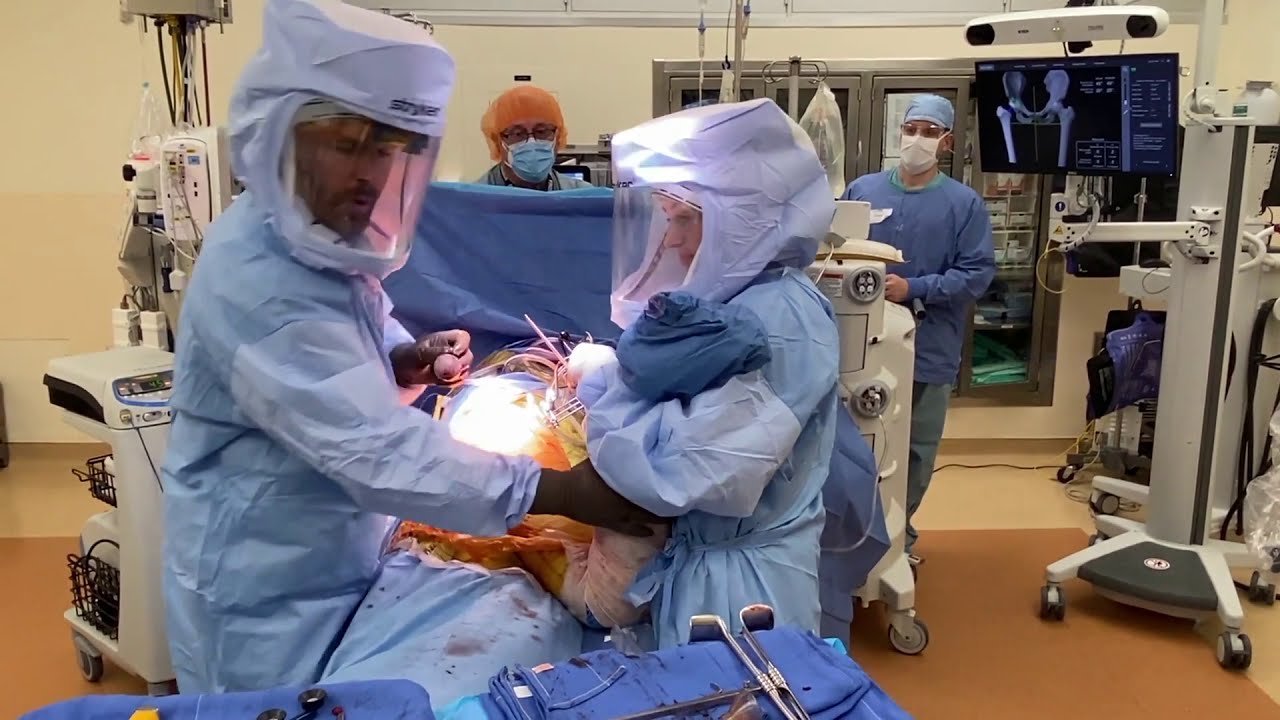
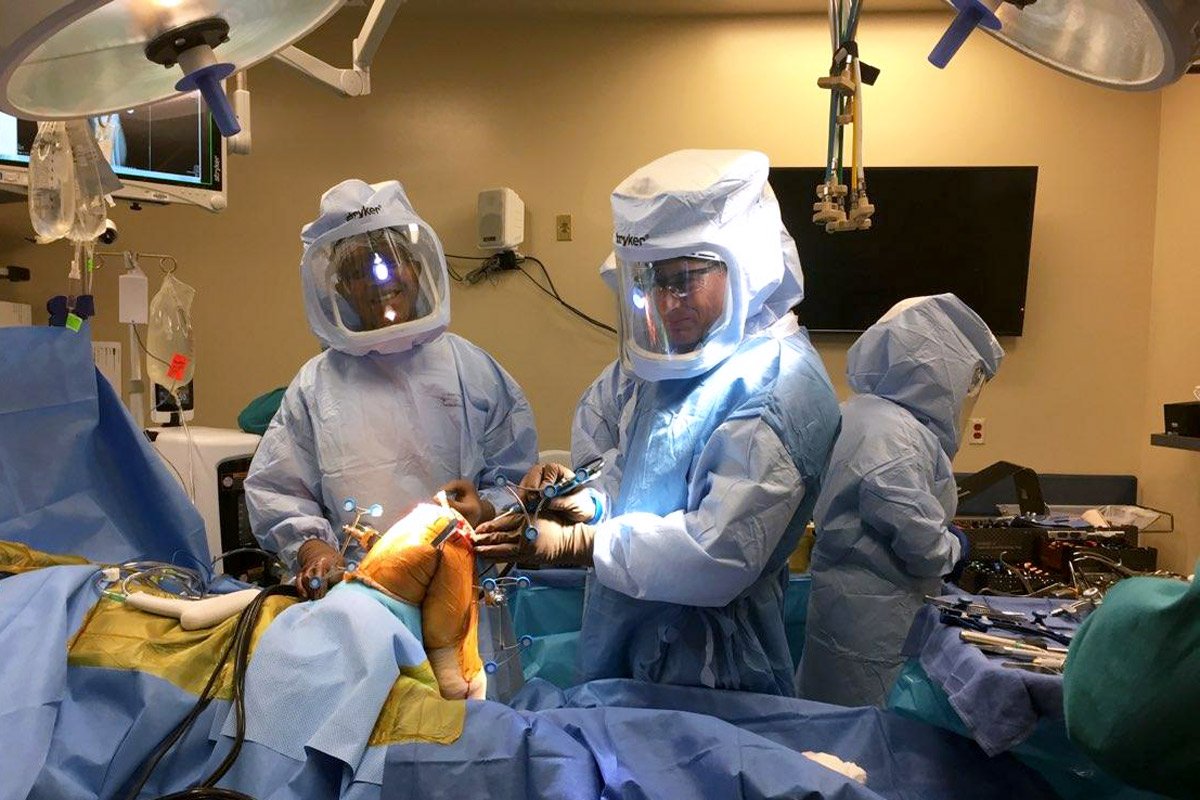
In cases such as complete ACL or PCL tears, ligament reconstruction may be recommended to restore stability. The procedure is planned according to the specific injury and the patient’s functional requirements.
Dr. Guruditta Khurana provides orthopedic care for sports injuries and ligament conditions, including ACL reconstruction, PCL reconstruction, and arthroscopic procedures. His approach focuses on careful diagnosis and selecting an appropriate treatment plan based on the patient’s condition.
Recovery After Ligament Tear Treatment
Recovery from a ligament injury is not limited to reducing pain. The goal is to restore strength, stability, mobility, and confidence in using the affected joint.
Recovery time varies depending on the type of injury and treatment. A minor ligament injury may improve within weeks, while recovery after ligament reconstruction can require several months of structured rehabilitation.
Following the prescribed rehabilitation plan is an important part of achieving the best possible outcome. Patients should also avoid returning to sports or strenuous activities until they have regained adequate strength and joint control.
Choosing the Right Approach for Your Ligament Injury
Every ligament tear is different. A young athlete with a complete ACL tear may require a different treatment approach from someone with a partial ligament injury and a less physically demanding lifestyle.
Therefore, Ligament Tear Treatment in Sector 51 Gurugram should begin with a detailed evaluation rather than assuming that surgery is always necessary. Conservative treatment can be effective for suitable injuries, while advanced surgical care may be beneficial when instability or severe damage affects long-term function.
Early assessment can also help patients understand their injury, treatment choices, and rehabilitation requirements more clearly.
Conclusion
A ligament tear can affect mobility and make even simple movements uncomfortable, but effective treatment options are available. From rest, bracing, and physiotherapy to arthroscopic procedures and ligament reconstruction, Ligament Tear Treatment in Sector 51 Gurugram can be tailored to the severity of the injury and the patient’s individual needs.
The most important step is obtaining an accurate diagnosis and following a structured treatment and rehabilitation plan. With appropriate orthopedic care and timely rehabilitation, many patients can work toward improved joint stability, better mobility, and a safe return to their daily activities.