Bone, joint, and muscle problems can affect people of all ages. From persistent knee pain to sports injuries and fractures, these conditions can make everyday activities difficult. Consulting an Orthopedic Doctor in Gurugram can help identify the cause of your symptoms and determine the right treatment.
Orthopedic doctors specialize in conditions affecting the musculoskeletal system, including bones, joints, muscles, ligaments, tendons, and cartilage. Depending on the diagnosis, treatment may involve medication, physiotherapy, lifestyle changes, or surgery.
Dr. Guruditta Khurana provides orthopedic care for joint problems, sports injuries, fractures, arthritis, and conditions that may require advanced surgical treatment. Understanding the conditions treated by an orthopedic specialist can help you recognize when professional medical advice is needed.
Join our online community! Follow us on: https://www.youtube.com/@RoboticOrthodoc_Guruditta
1. Knee Pain and Knee Joint Problems
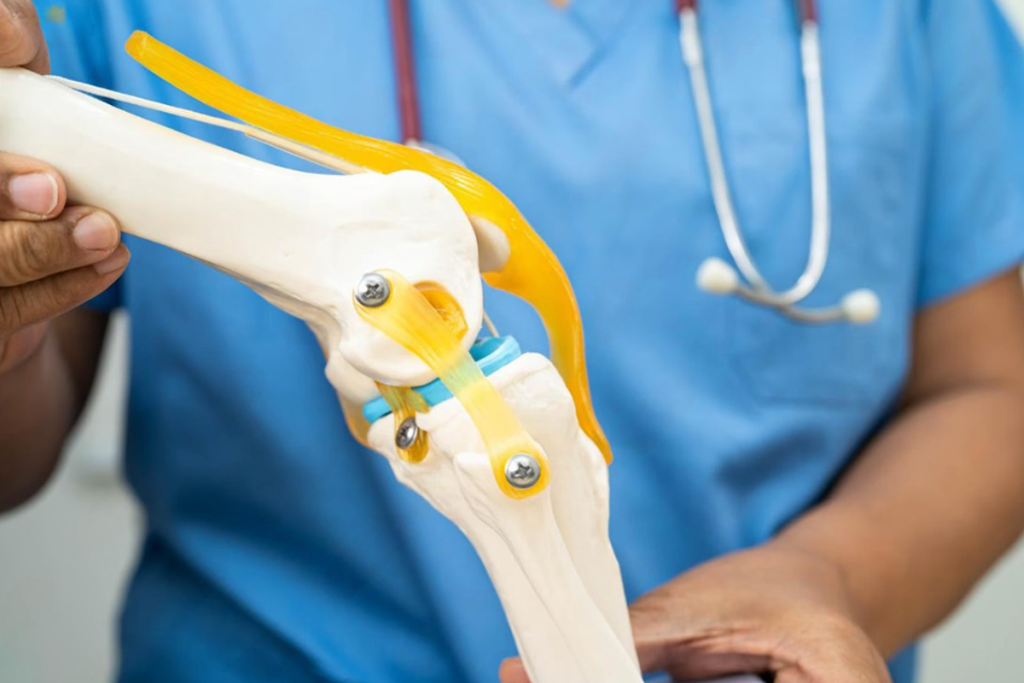
Knee pain is one of the most common reasons people seek orthopedic care. It can develop because of an injury, excessive physical activity, age-related changes, or joint conditions.
Common knee problems include:
- Osteoarthritis and cartilage damage
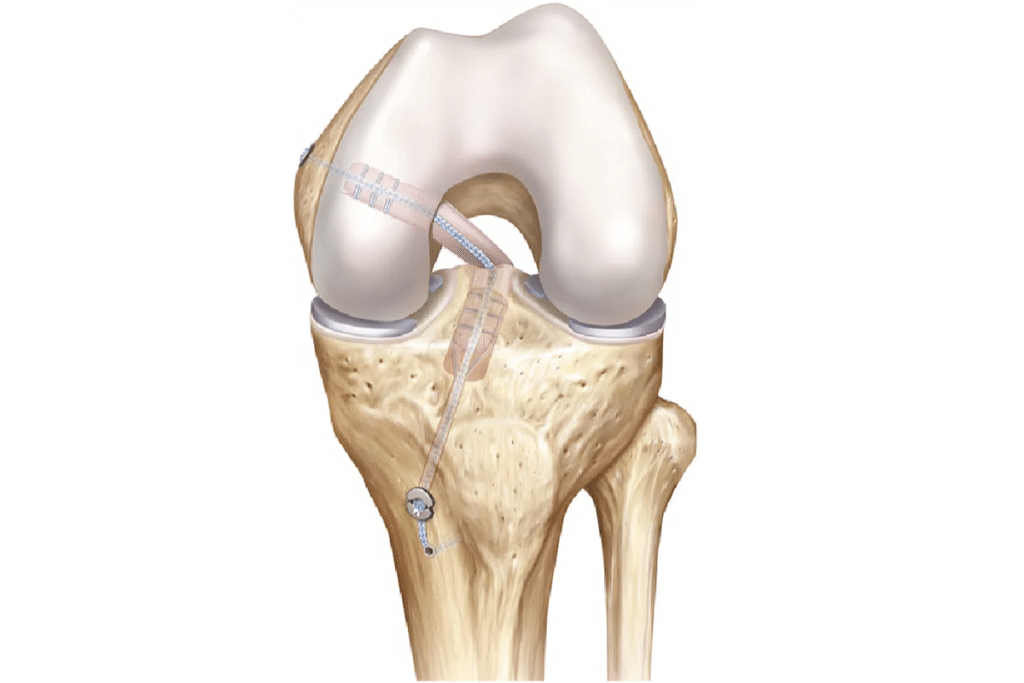
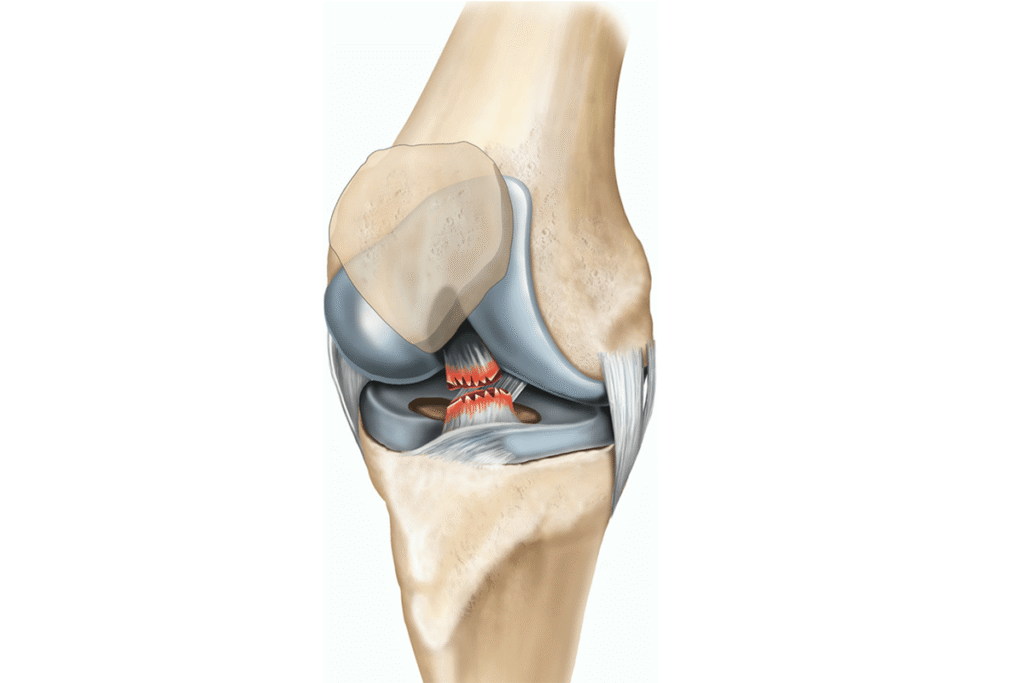
- Ligament injuries, including ACL and PCL tears
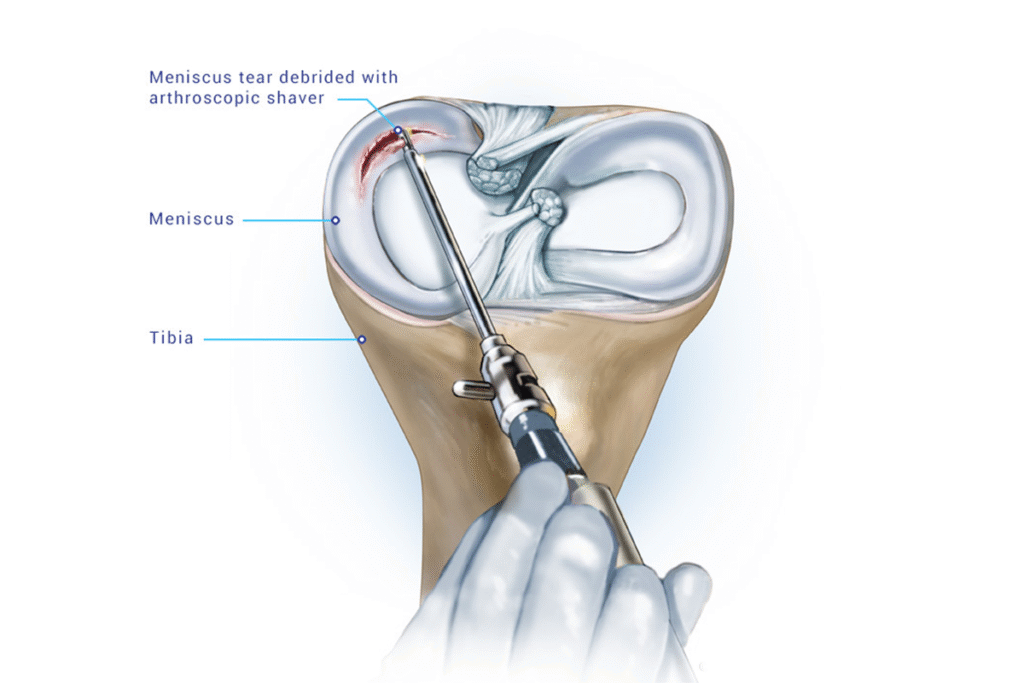
- Meniscus tears
- Knee swelling and stiffness
- Kneecap instability
Symptoms may include pain while walking, difficulty climbing stairs, swelling, or stiffness after sitting for long periods.
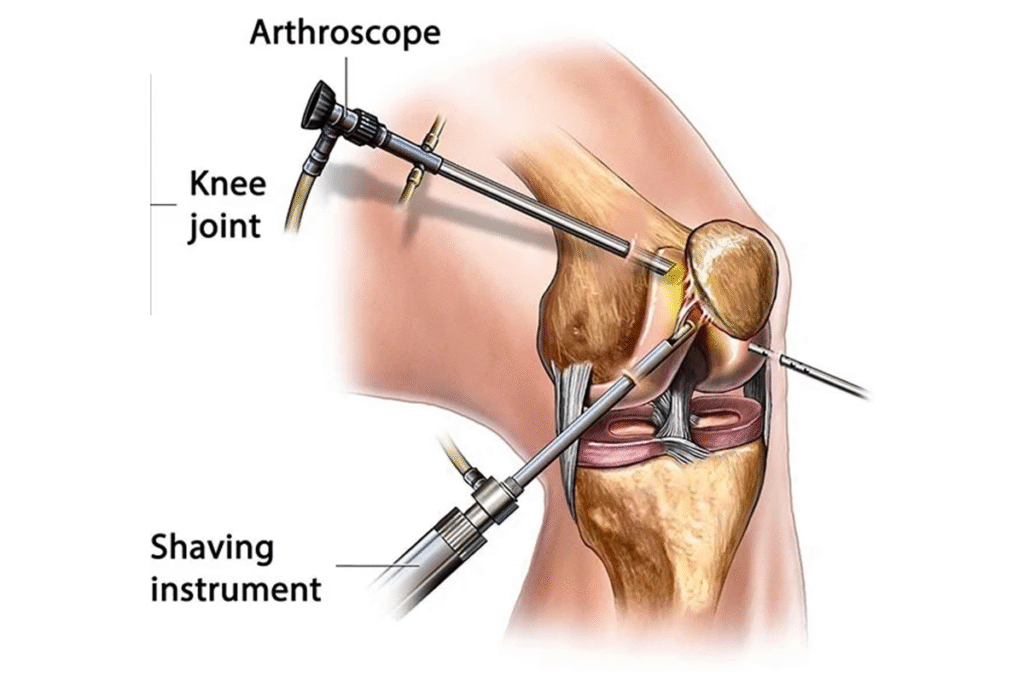
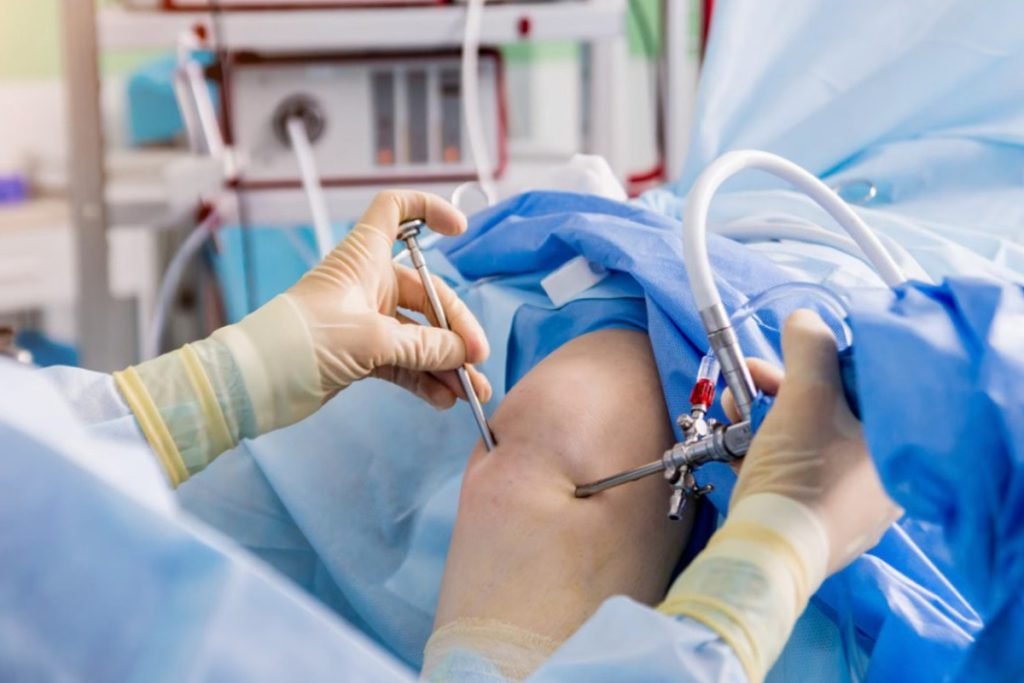
An orthopedic doctor evaluates these symptoms through a physical examination and, when necessary, imaging tests. Treatment depends on the underlying cause and may include physiotherapy, medication, activity modification, arthroscopy, or knee replacement surgery in selected cases.
2. Arthritis and Joint Degeneration
Arthritis can cause pain, swelling, stiffness, and reduced movement. It commonly affects the knees, hips, hands, and other joints.
Osteoarthritis develops when joint cartilage gradually wears down. Rheumatoid arthritis, in contrast, is an autoimmune condition that causes inflammation in the joints.
Early treatment can help manage symptoms and preserve joint function. Depending on the condition, treatment may involve prescribed medication, exercise, physiotherapy, weight management, or other medical interventions.
When joint damage becomes severe and conservative treatments no longer provide sufficient relief, joint replacement may be considered.
3. Hip Pain and Hip Joint Disorders
Hip problems can affect walking, sitting, sleeping, and other daily activities. Pain may occur around the groin, outer hip, or upper thigh.
Common hip conditions include:
- Hip osteoarthritis
- Cartilage damage
- Joint stiffness and restricted movement
- Certain fractures around the hip
- Avascular necrosis, which affects the blood supply to bone
An orthopedic specialist assesses the symptoms, medical history, and joint condition before recommending treatment.
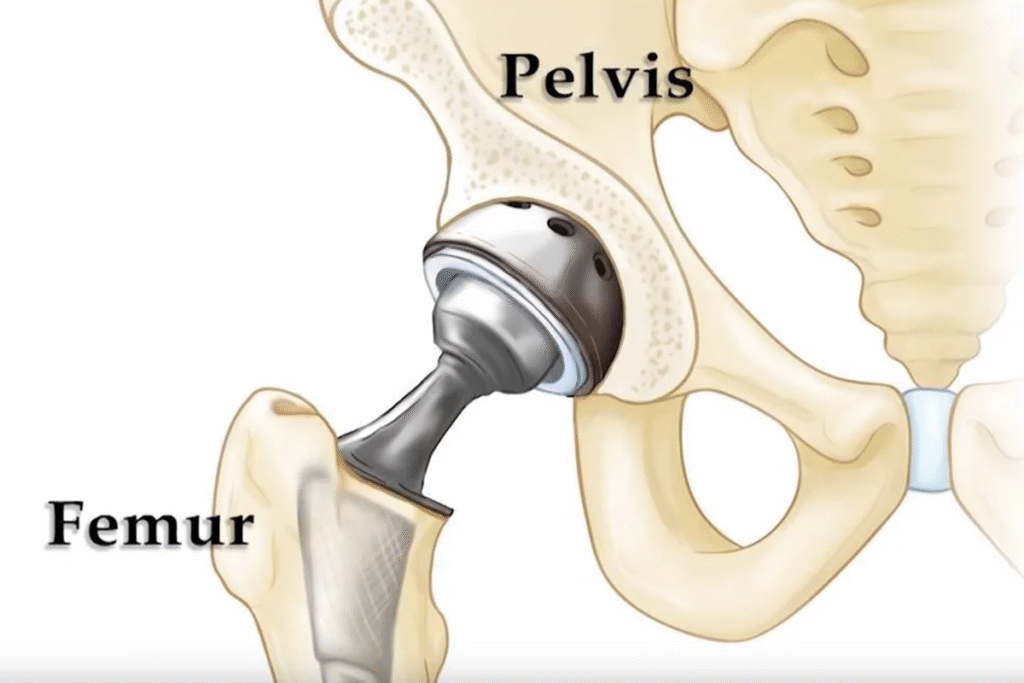
Early-stage problems may respond to medication, activity modification, and rehabilitation. For advanced joint damage, hip replacement surgery may be an appropriate option after careful evaluation.
4. Sports Injuries and Ligament Tears
Sports injuries can occur during running, gym workouts, football, cricket, or other physical activities. Sudden twisting movements, falls, and direct impacts may damage muscles, ligaments, tendons, or bones.
Common sports injuries include:
- ACL and PCL tears
- Meniscus injuries
- Muscle strains and ligament sprains
- Shoulder dislocations
- Tendon injuries and stress fractures
Symptoms may include sudden pain, swelling, instability, or difficulty putting weight on the affected limb.
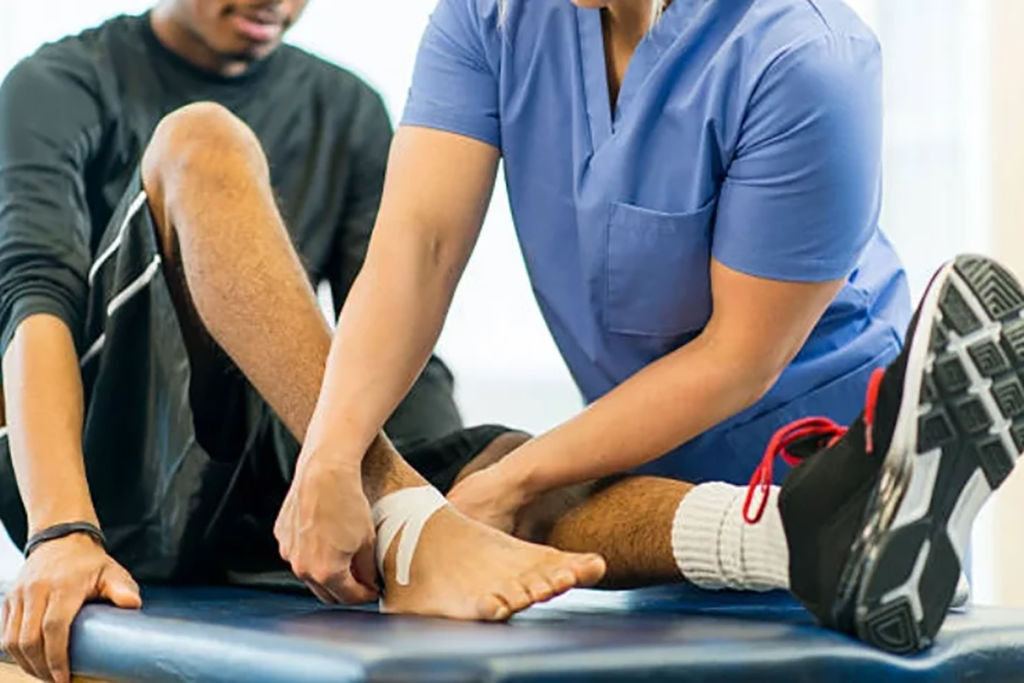
An Orthopedic Doctor in Gurugram can assess the injury and recommend appropriate treatment. Some injuries improve with rest, rehabilitation, and physiotherapy, while others may require arthroscopy or ligament reconstruction.
A gradual, supervised return to sports is important to reduce the risk of reinjury.
5. Fractures and Orthopedic Trauma
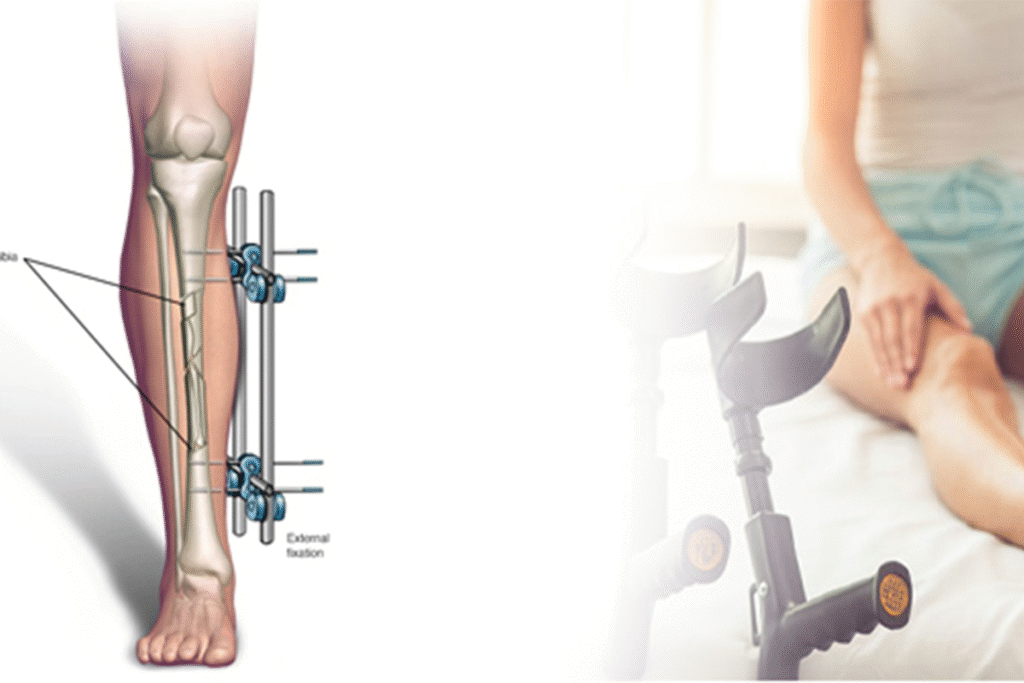
Fractures occur when a bone breaks because of an accident, fall, sports injury, or weakened bone structure. Some fractures are simple, while others involve multiple fragments, joint surfaces, or damage to surrounding tissues.
Common examples include wrist fractures, ankle fractures, hip fractures, and fractures involving the arms or legs.
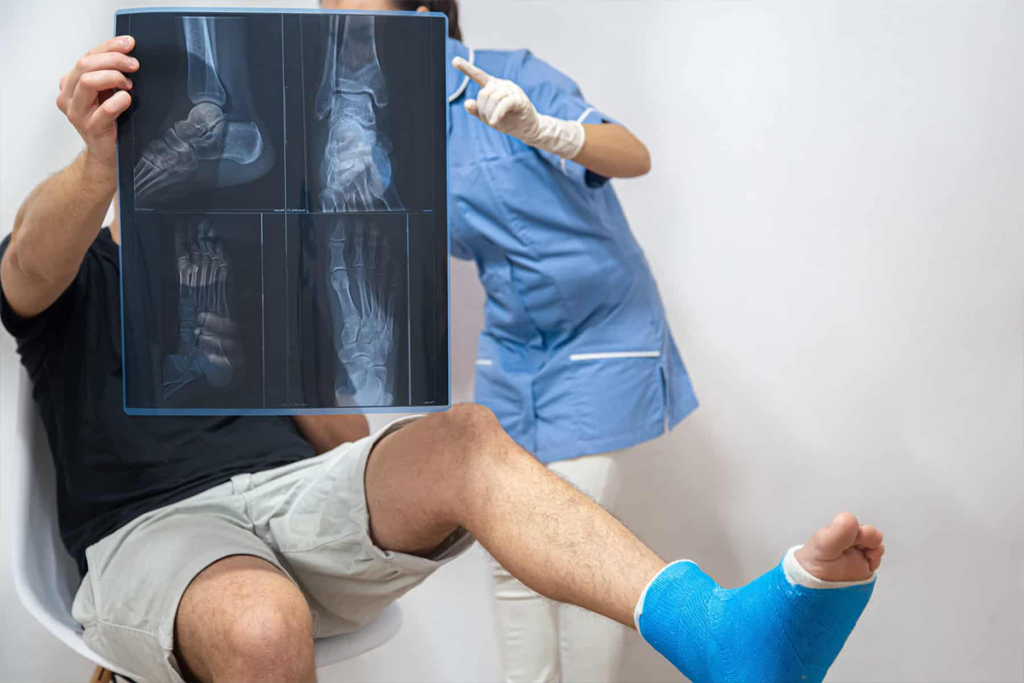
Treatment depends on the location, severity, and stability of the fracture. Options may include immobilization with a cast or brace, closed reduction, or surgery using plates, screws, or other fixation devices.
Complex fractures require careful assessment to restore bone alignment and support healing. Following the treatment plan and attending follow-up appointments are essential for recovery.
Seek emergency medical care for an open fracture, a visibly deformed limb, severe bleeding, or a suspected fracture accompanied by numbness or a cold extremity.
6. Shoulder Pain and Shoulder Disorders
Shoulder pain can interfere with dressing, lifting objects, exercising, and sleeping comfortably. It may result from repetitive movements, injuries, inflammation, or age-related changes.
Common shoulder conditions include:
- Rotator cuff tears
- Frozen shoulder
- Shoulder instability or dislocation
- Shoulder impingement
- Labral tears and cartilage damage
The appropriate treatment depends on the affected structures and the severity of the problem. Physiotherapy, medication, and activity modification may help many patients.
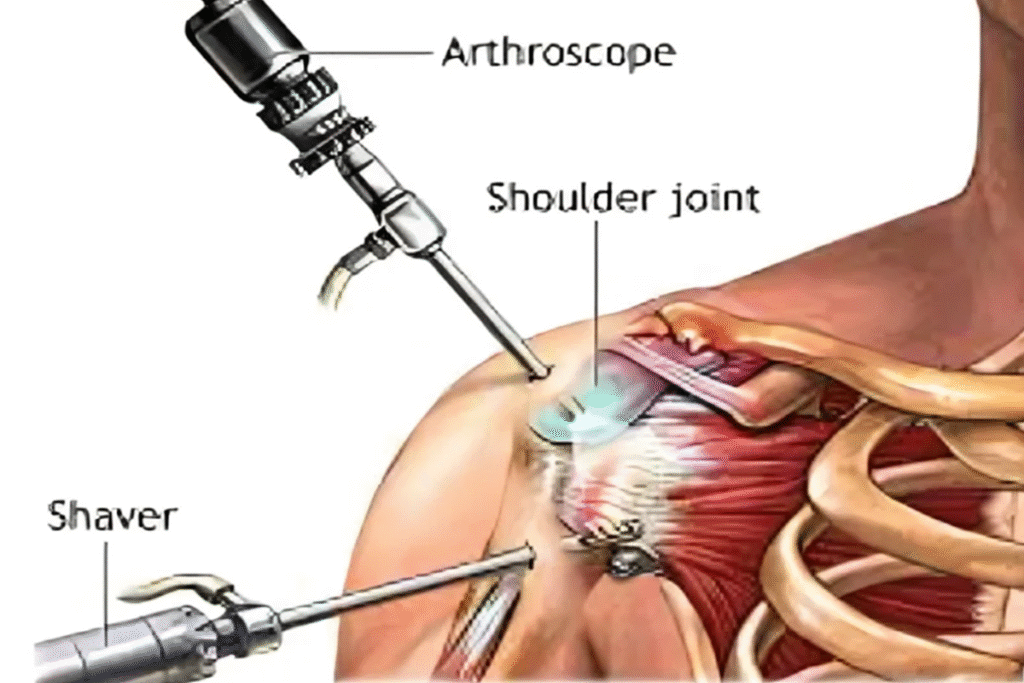
When symptoms persist or significant structural damage is present, shoulder arthroscopy may be recommended. This minimally invasive procedure allows a surgeon to examine and treat certain problems through small incisions.
7. Conditions Requiring Knee or Hip Replacement
Severe arthritis and advanced joint damage can make walking painful and reduce independence. When non-surgical treatments no longer provide adequate relief, joint replacement surgery may be considered.
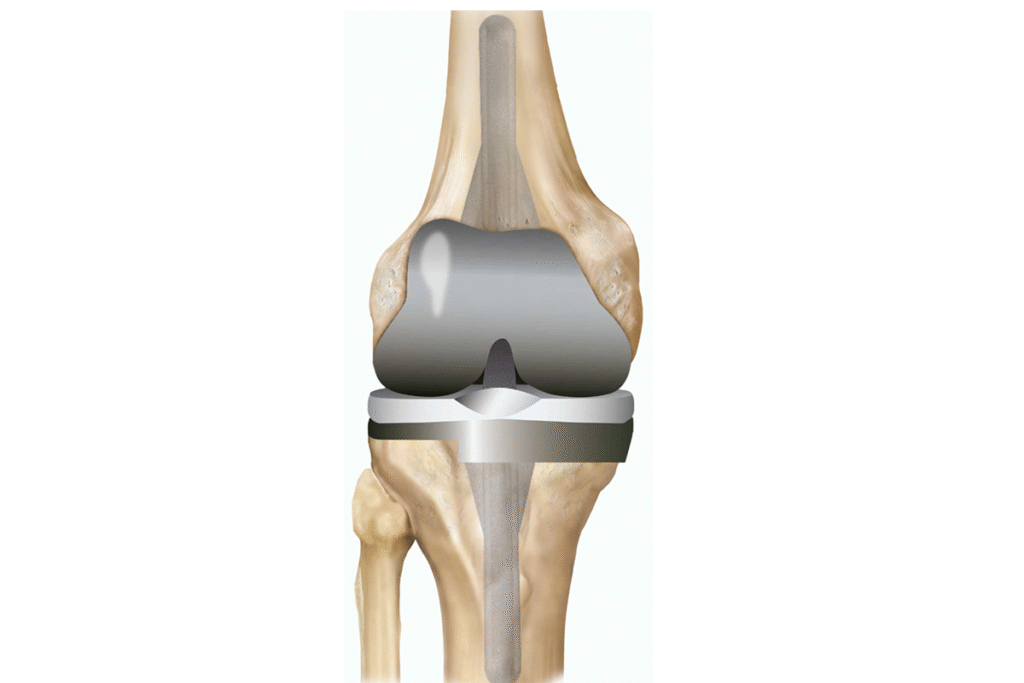
Knee replacement involves replacing damaged joint surfaces with artificial components. Hip replacement similarly replaces damaged parts of the hip joint.
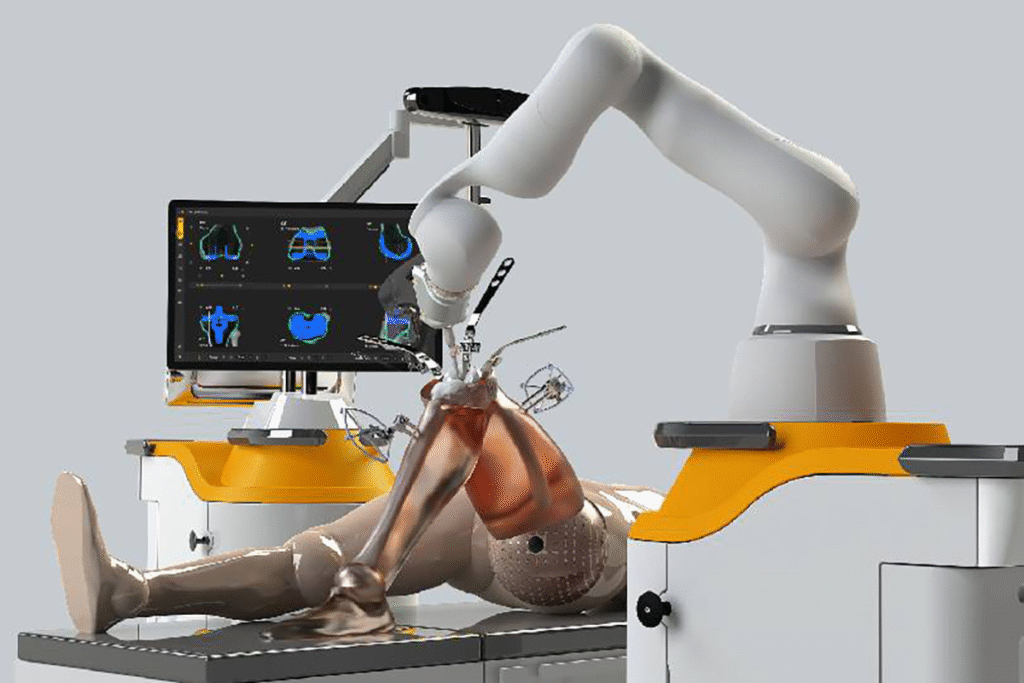
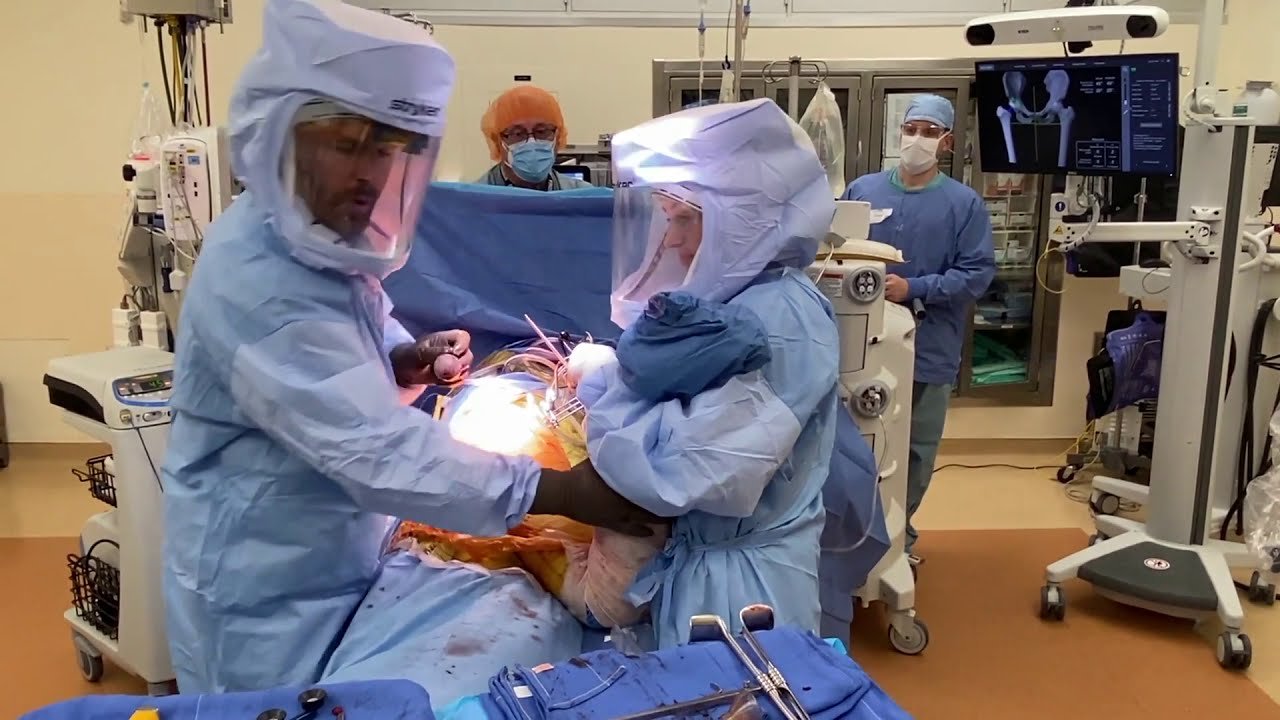
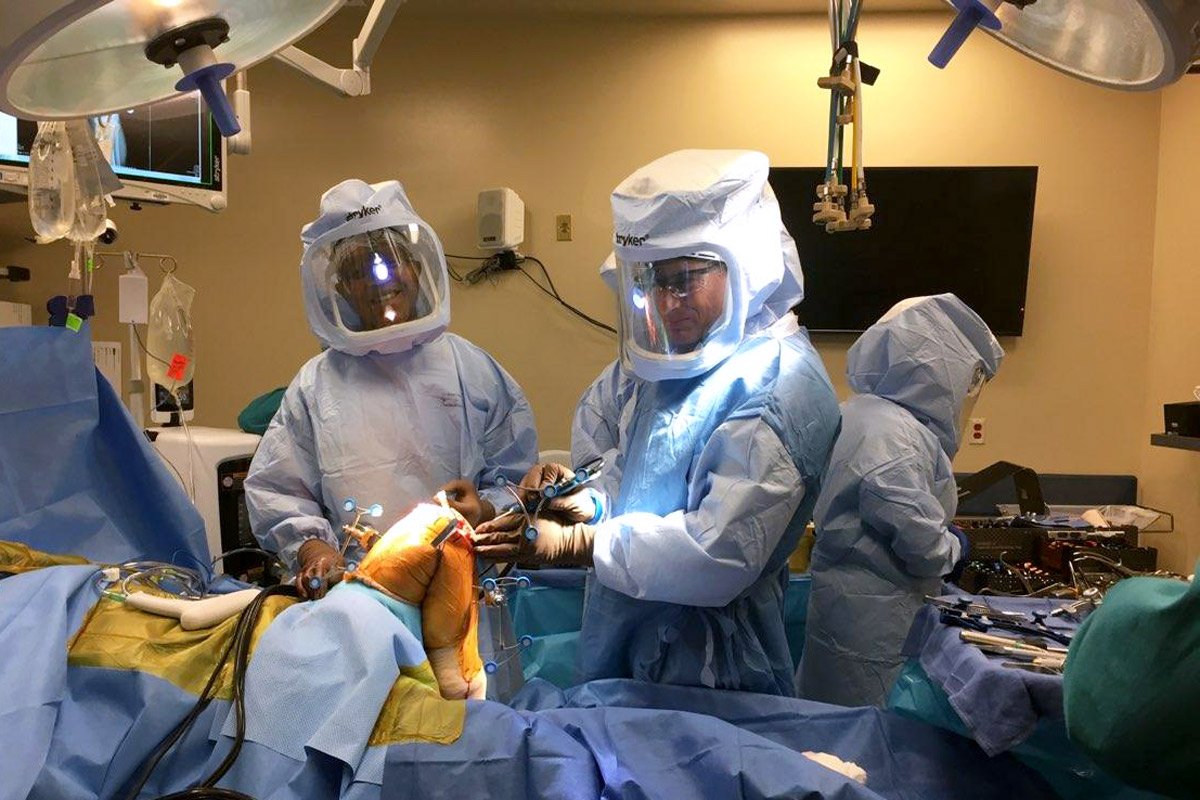
Dr. Guruditta Khurana specializes in robotic-assisted knee and hip replacement, as well as revision joint replacement surgery.
Robotic-assisted technology can help surgeons plan procedures and guide implant positioning. However, suitability depends on the patient’s condition, and robotic surgery does not guarantee a particular outcome.
An orthopedic specialist discusses the expected benefits, potential risks, recovery process, and alternative treatments before surgery.
8. Bone, Joint, and Movement-Related Problems
Orthopedic care also covers several other conditions that affect movement and physical function. These may include tendon disorders, joint deformities, cartilage injuries, and selected bone or joint complications following trauma.
Persistent back or neck pain may also require assessment, particularly when symptoms affect movement or are accompanied by nerve-related problems. Depending on the suspected cause, an orthopedic specialist may recommend further investigation or referral to another specialist.
Early assessment can help identify the source of symptoms and prevent patients from relying on unsuitable self-treatment.
When Should You Consult an Orthopedic Doctor in Gurugram?
Consider an orthopedic consultation if you experience:
- Joint or bone pain that persists or repeatedly returns
- Swelling, stiffness, or restricted movement
- Difficulty walking, standing, or climbing stairs
- Pain following a sports injury or accident
- Repeated joint instability or locking
- Reduced mobility that affects daily activities
Seek urgent medical attention for major injuries, suspected fractures, sudden severe pain, or a hot, swollen joint accompanied by fever.
Why Choose Dr. Guruditta Khurana for Orthopedic Care?
Dr. Guruditta Khurana provides orthopedic assessment and treatment for joint disorders, arthritis, fractures, sports injuries, and conditions requiring joint replacement or arthroscopic procedures.
His areas of expertise include robotic-assisted joint replacement, ligament reconstruction, arthroscopy, and complex fracture management.
Treatment recommendations depend on the patient’s symptoms, examination findings, medical history, and diagnostic results. The goal is to reduce pain, improve mobility, and help patients return to their daily activities as safely as possible.
Conclusion
An Orthopedic Doctor in Gurugram can help diagnose and manage a wide range of conditions, from knee pain and arthritis to fractures, shoulder disorders, and sports injuries. Early evaluation can clarify the cause of symptoms and help prevent avoidable complications.
The right treatment depends on the condition and its severity. While many orthopedic problems can be managed without surgery, others may require arthroscopy, fracture fixation, or joint replacement.
If pain, stiffness, or restricted movement is affecting your daily routine, consider consulting Dr. Guruditta Khurana for an appropriate assessment and personalized treatment plan.
Frequently Asked Questions
1. What conditions does an orthopedic doctor treat?
An orthopedic doctor treats conditions affecting bones, joints, muscles, ligaments, tendons, and cartilage. These include arthritis, fractures, sports injuries, ligament tears, and joint disorders.
2. When should I visit an orthopedic doctor for knee pain?
Consult an orthopedic specialist if knee pain persists, returns frequently, or causes swelling, stiffness, instability, or difficulty walking. Severe pain following an injury requires prompt assessment.
3. Can an orthopedic doctor treat sports injuries without surgery?
Yes. Many sports injuries can be managed with activity modification, rehabilitation, physiotherapy, and other appropriate treatments. Surgery may be necessary for certain severe ligament tears or structural injuries.
4. When is knee or hip replacement surgery recommended?
Joint replacement may be considered when advanced arthritis or joint damage causes significant pain and limited mobility despite appropriate non-surgical treatment. The decision depends on an individual assessment.
5. How can I consult an Orthopedic Doctor in Gurugram?
You can visit the official website of Dr. Guruditta Khurana at https://drgurudittakhurana.com/ to explore his orthopedic services and available consultation options.