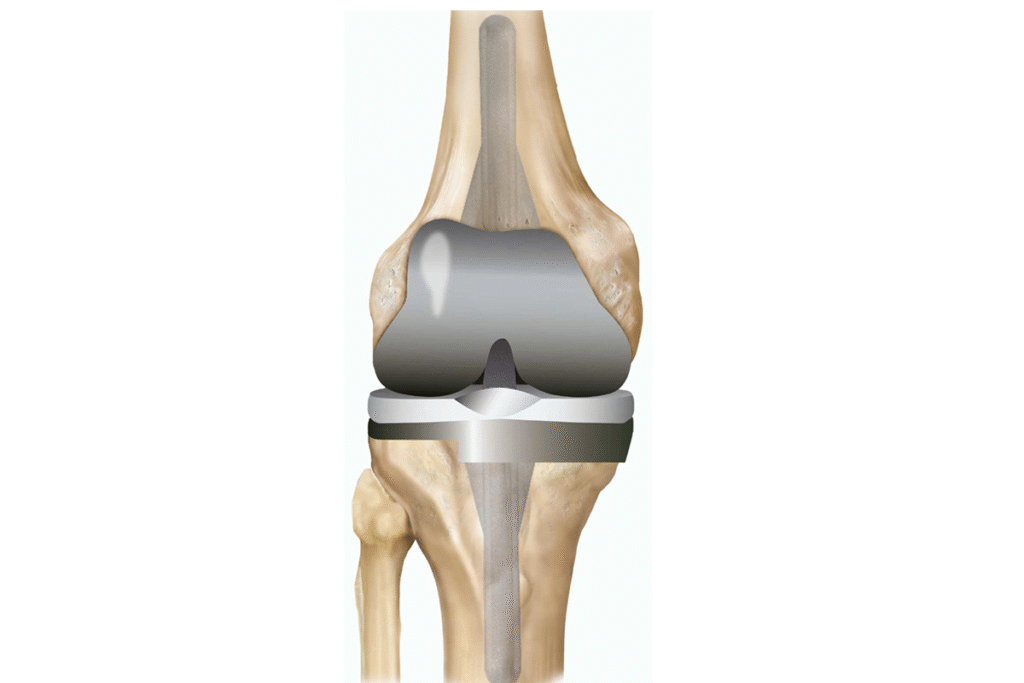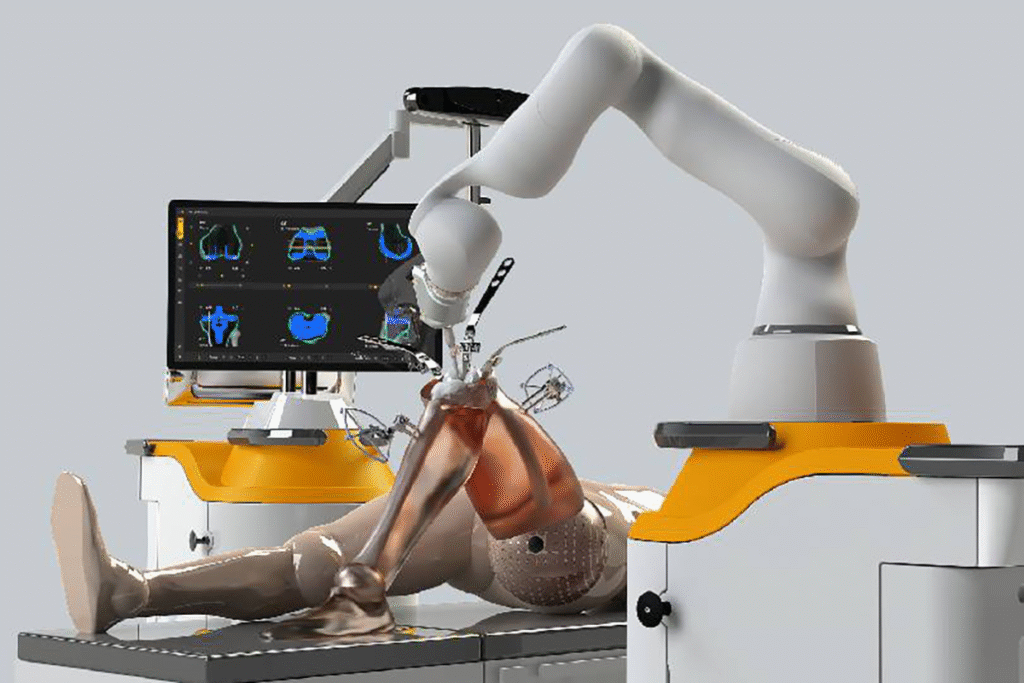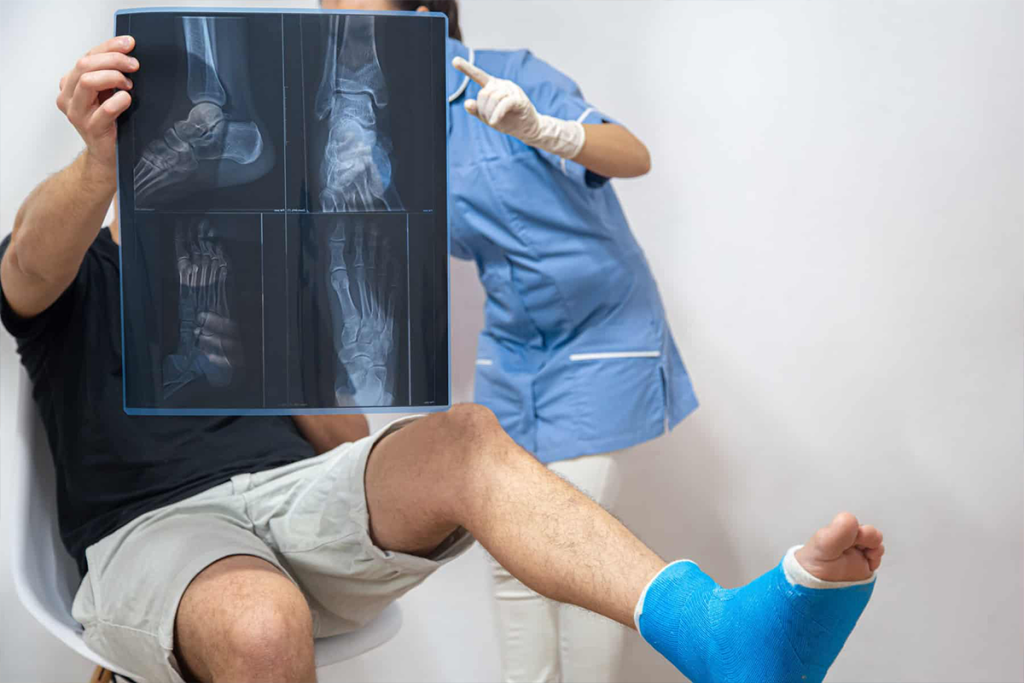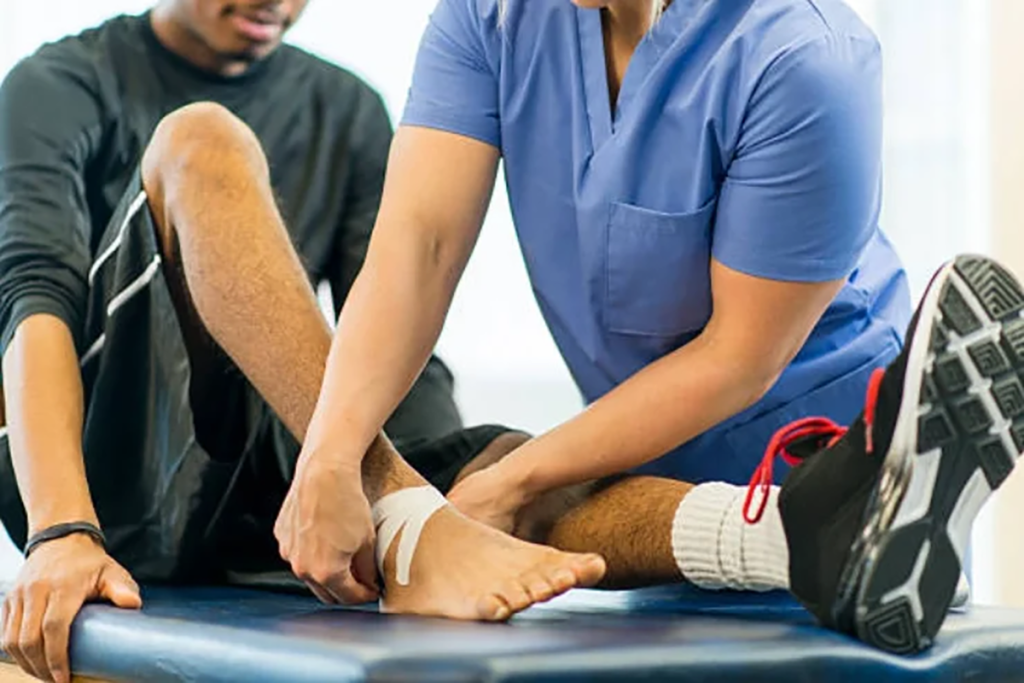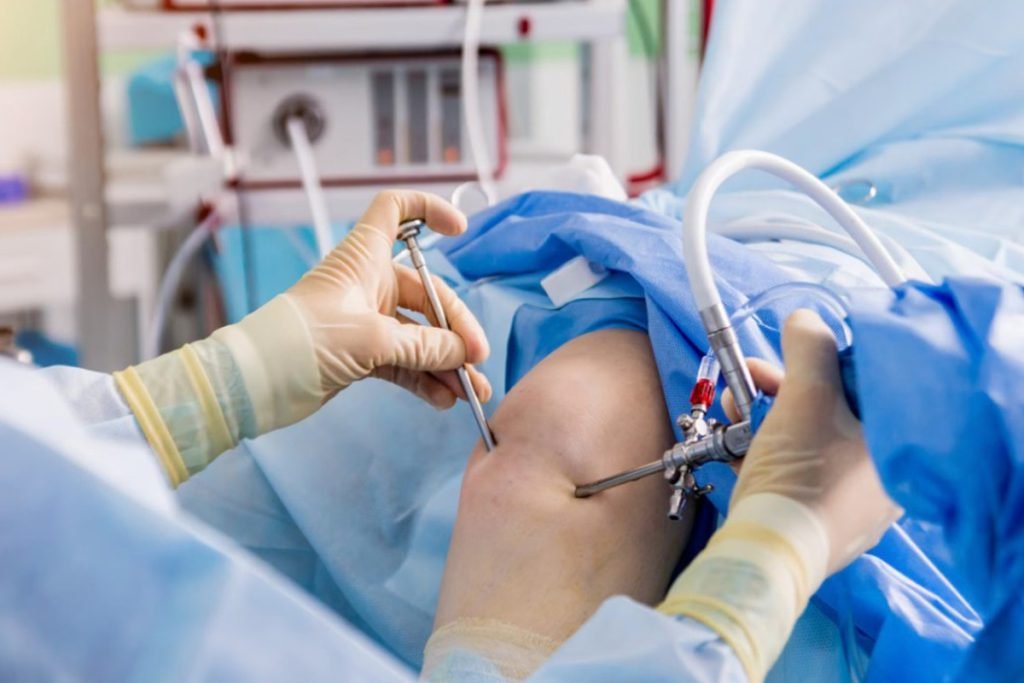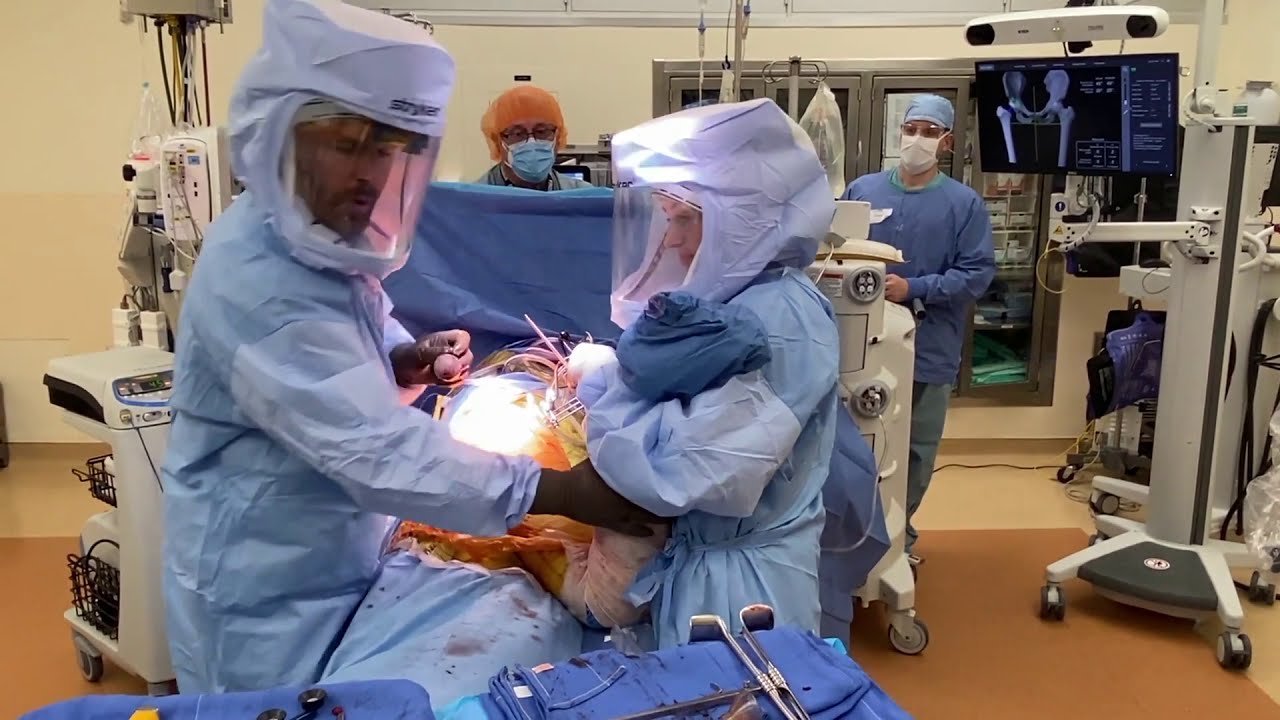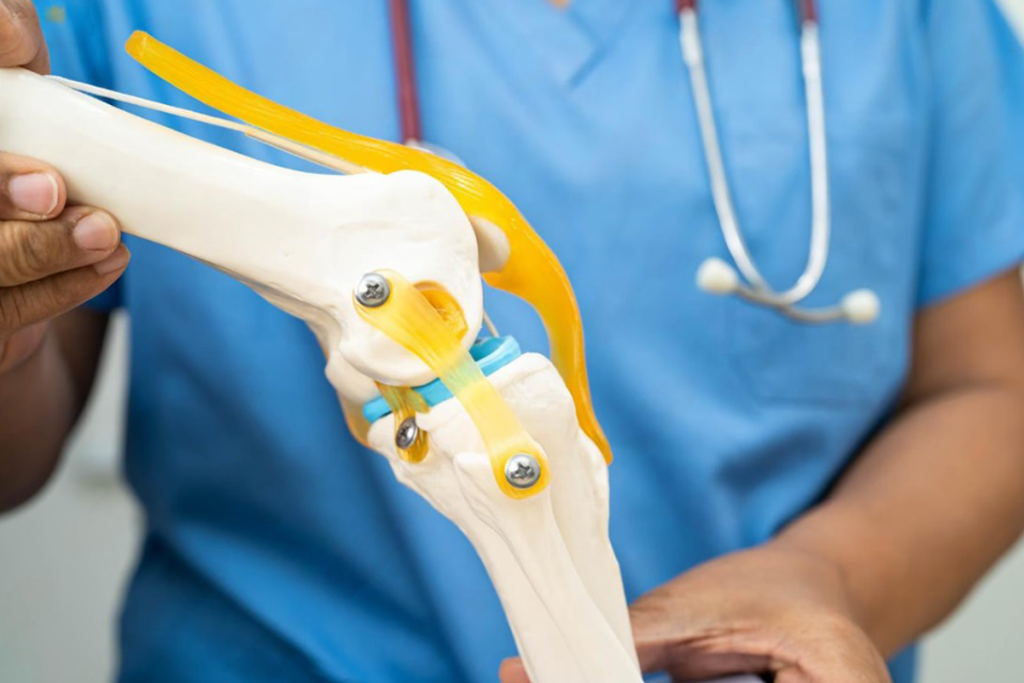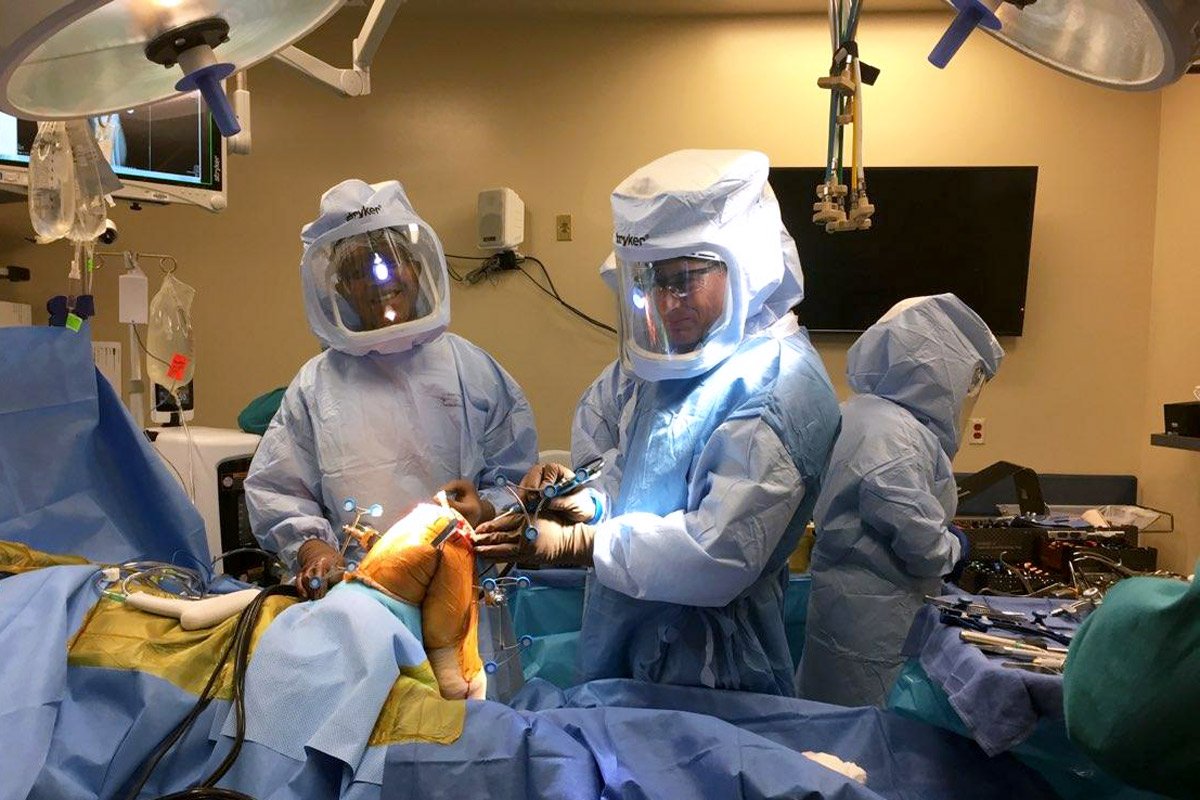
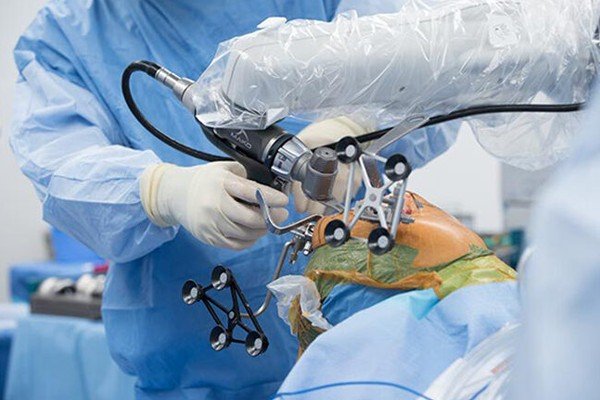
Knee pain caused by advanced arthritis, joint damage, or deformity can make walking, climbing stairs, and everyday activities difficult. A Robotic Knee Replacement Surgeon in Gurugram combines surgical expertise with technology-assisted planning to improve precision during suitable knee replacement procedures. Robotic systems can help the surgeon assess knee anatomy, plan bone preparation, evaluate alignment, and assist with implant positioning. However, the surgeon remains responsible for clinical decisions and the operation.
Join our online community! Follow us on: https://www.youtube.com/@RoboticOrthodoc_Guruditta
What Is Robotic Knee Replacement Surgery?
Robotic knee replacement is a technology-assisted approach to knee replacement surgery. It uses computer-based imaging and specialised robotic assistance to help the surgeon plan and perform specific parts of the procedure.
The technology can provide detailed information about the patient’s knee anatomy. It may also assist with bone preparation, alignment, joint balancing, and implant positioning.
Importantly, the robot does not independently perform the surgery. The orthopaedic surgeon controls the procedure and uses the technology as a surgical aid.
How Does a Robotic Knee Replacement Surgeon in Gurugram Improve Surgical Planning?
Every knee has a different shape, alignment, and degree of damage. Therefore, a standard surgical approach may need to be adapted to the individual patient.
A Robotic Knee Replacement Surgeon in Gurugram can use technology-assisted planning to understand the patient’s knee anatomy before and during surgery.
This can help with:
- Assessing the condition of the knee
- Understanding alignment and deformity
- Planning bone preparation
- Evaluating joint balance
- Supporting implant positioning
- Developing an individualised surgical approach
Personalised planning can help the surgeon make informed decisions based on the patient’s specific anatomy and clinical requirements.
Greater Precision During Knee Replacement
One of the important features of robotic-assisted knee replacement is precision-oriented surgical assistance.
During knee replacement, accurate alignment and implant positioning are important parts of the procedure. Robotic technology can provide additional measurements and information that may assist the surgeon during these stages.
The goal is not simply to use advanced technology. The goal is to use the technology appropriately to support sound surgical decision-making.
This is why the experience and training of the surgeon remain important when considering robotic knee replacement.
Personalised Treatment for Different Knee Conditions
Not every patient with knee pain needs a knee replacement. Some patients may benefit from non-surgical treatment, physiotherapy, injections, or other knee-preserving approaches.
For patients who require replacement surgery, the appropriate procedure may also differ.
Depending on the condition, treatment planning may involve:
- Total knee replacement
- Partial knee replacement
- Robotic total knee replacement
- Robotic partial knee replacement
- Revision knee replacement
A Robotic Knee Replacement Surgeon in Gurugram first evaluates the severity of arthritis, knee stability, deformity, bone condition, medical history, and functional requirements before recommending an appropriate treatment option.
How Can Robotic Technology Assist Implant Positioning?
Implant positioning is an important part of knee replacement surgery. The implant needs to be positioned according to the patient’s anatomy and the surgical plan.
Robotic-assisted systems can provide technology-based measurements and guidance during the procedure. This may help the surgeon assess alignment and make controlled adjustments where appropriate.
However, robotic assistance does not guarantee a particular outcome. Recovery and long-term results can depend on several factors, including patient selection, surgical technique, implant choice, rehabilitation, and overall health.
Does Robotic Knee Replacement Mean Faster Recovery?
Recovery after knee replacement varies from person to person. Age, muscle strength, general health, the condition of the knee, surgical technique, and rehabilitation can all influence recovery.
Robotic-assisted surgery may support accurate and individualised surgical planning. However, it should not be presented as a guarantee of faster recovery for every patient.
After surgery, physiotherapy and gradual strengthening remain important. Patients usually need to follow their surgeon’s instructions regarding walking, exercises, wound care, medication, and follow-up appointments.
Why Surgeon Expertise Still Matters
Technology is only one part of knee replacement surgery.
A qualified Robotic Knee Replacement Surgeon in Gurugram must combine clinical examination, imaging, surgical experience, and technology-assisted planning to determine the most suitable approach.
Dr. Guruditta Khurana is an orthopaedic and robotic joint replacement surgeon practising in Gurugram. His qualifications include MBBS, D.ORTHO (Medalist), and FIJR (Robotic). His areas of clinical focus include robotic joint replacement, knee and hip replacement, arthroscopy, sports injuries, trauma care, and arthritis management.
When Should You Consider Robotic Knee Replacement?
Knee replacement may be considered when severe joint damage causes persistent pain, stiffness, reduced mobility, or difficulty performing daily activities, particularly when conservative treatment has not provided adequate relief.
Common conditions associated with knee replacement include:
- Advanced osteoarthritis
- Rheumatoid arthritis
- Post-traumatic arthritis
- Severe knee deformity
- Significant cartilage damage
However, the presence of knee arthritis alone does not automatically mean that surgery is required. A detailed orthopaedic assessment is necessary to determine the appropriate treatment.
Robotic Knee Replacement in Gurugram: A Patient-Centred Approach
A successful knee replacement journey involves more than the operation itself. Diagnosis, treatment selection, surgical planning, rehabilitation, and follow-up care all play important roles.
Dr. Guruditta Khurana provides orthopaedic evaluation and treatment for patients with knee arthritis and other joint conditions. His practice is associated with CK Birla Hospital in Sector 51, Gurugram, and he also provides consultations through clinics in Gurugram.
For someone considering robotic knee replacement, a consultation can help determine whether robotic assistance is appropriate and which treatment option best matches the patient’s condition.
Frequently Asked Questions About Robotic Knee Replacement
1. What is robotic knee replacement?
Robotic knee replacement is a technology-assisted form of knee replacement surgery. The system can assist with surgical planning, alignment assessment, bone preparation, and implant positioning. The surgeon remains in control of the operation.
2. Is robotic knee replacement suitable for everyone?
No. Robotic knee replacement is not automatically suitable for every patient. The decision depends on factors such as knee damage, arthritis severity, deformity, anatomy, overall health, and the recommended treatment approach.
3. Does a robot perform the entire knee replacement surgery?
No. The robotic system does not independently perform the operation. The orthopaedic surgeon controls the surgery and uses the robotic technology as an assistance tool.
4. Can robotic knee replacement improve implant positioning?
Robotic-assisted systems can provide detailed measurements and technology-based guidance that may help the surgeon with alignment and implant positioning. The final decisions remain with the surgeon.
5. How long does recovery take after robotic knee replacement?
Recovery varies between patients. Rehabilitation, physiotherapy, muscle strength, overall health, and adherence to post-operative instructions can affect recovery. Your surgeon can provide a more personalised recovery plan after evaluating your condition.
Conclusion
A Robotic Knee Replacement Surgeon in Gurugram combines orthopaedic expertise with advanced technology to support detailed surgical planning and precision during suitable knee replacement procedures. Robotic assistance can provide additional information about knee anatomy, alignment, joint balance, and implant positioning.
However, technology is not a substitute for surgical expertise. The right treatment depends on an accurate diagnosis, appropriate patient selection, personalised planning, experienced surgical care, and structured rehabilitation.
If persistent knee pain or arthritis is affecting your mobility and daily life, an orthopaedic consultation can help you understand whether knee replacement or another treatment option is appropriate for your condition.