Robotic Knee Replacement Surgeon in India

Dr. Guruditta Khurana – Leading Orthopaedic & Robotic Knee Replacement Surgeon in India | CK Birla Hospital, Gurugram

India has become a leading destination for advanced orthopaedic treatment, including robotic knee replacement, total knee replacement, hip replacement, and joint replacement surgery. With the availability of modern medical technology, experienced specialists, and comprehensive rehabilitation facilities, patients can access advanced treatment options for a wide range of bone and joint conditions.

Patients experiencing knee arthritis, severe knee pain, joint deformity, difficulty walking, or reduced mobility often look for an experienced orthopaedic specialist who can provide the right diagnosis and personalised treatment plan.

Join our online community! Follow us on: https://www.youtube.com/@RoboticOrthodoc_Guruditta

For those searching for an experienced orthopaedic surgeon in India, robotic knee replacement surgeon in India, knee replacement doctor in India, or joint replacement specialist in Delhi NCR, Dr. Guruditta Khurana provides advanced orthopaedic and joint replacement care with a focus on technology-assisted procedures and individualised patient evaluation.

Dr. Guruditta Khurana – Orthopaedic & Robotic Joint Replacement Surgeon in India

Dr. Guruditta Khurana is an Orthopaedic and Robotic Joint Replacement Surgeon practising in Gurugram, Delhi NCR, India.

He is associated with CK Birla Hospital, Gurugram, located in Sector 51, Gurugram. His qualifications include:

MBBS | D.ORTHO (Medalist) | FIJR (Robotic)

With specialised fellowship training in robotic joint replacement, his clinical focus includes advanced orthopaedic care, robotic joint replacement of the knee and hip, complex and revision joint replacement, arthroscopy, sports injuries, and arthritis management.

Patients looking for a robotic knee replacement specialist in India, orthopaedic surgeon in Gurugram, knee replacement surgeon in Delhi NCR, or joint replacement doctor in Haryana can seek a detailed evaluation to understand the most suitable treatment options for their condition.
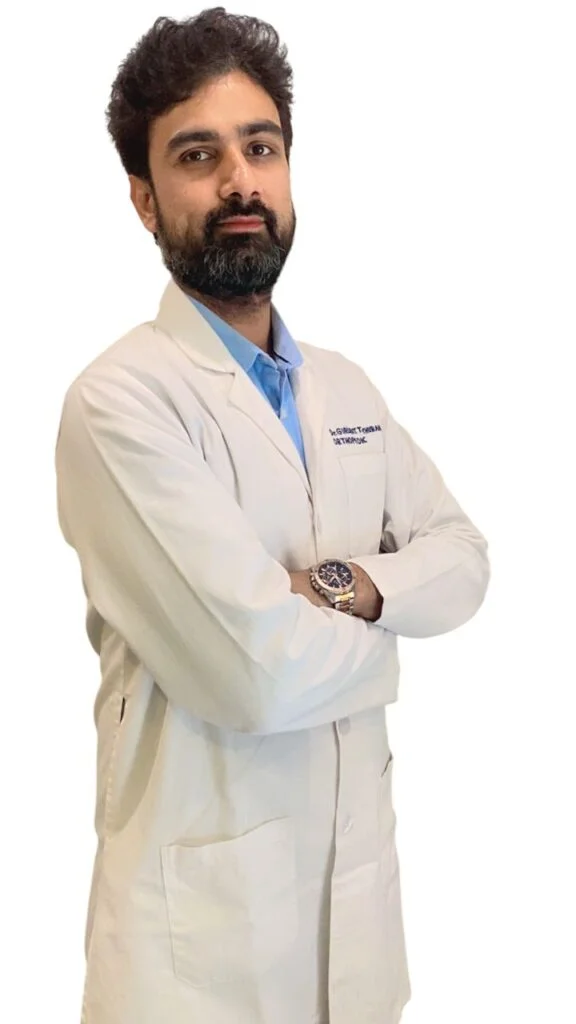
Dr. Guruditta Khurana at CK Birla Hospital, Gurugram

Dr. Guruditta Khurana is associated with CK Birla Hospital, Gurugram, located in the Delhi NCR region.

Practice Location

CK Birla Hospital
Block J, Mayfield Garden
Sector 51, Gurugram
Haryana – 122018
India

The hospital provides orthopaedic services and support for patients requiring joint replacement treatment and rehabilitation.

Patients from Gurugram, Delhi, Noida, Greater Noida, Ghaziabad, Faridabad, Haryana, Punjab, Rajasthan, Uttar Pradesh, and other parts of India can consult for advanced orthopaedic conditions and joint replacement evaluation.

What Is Robotic Knee Replacement?

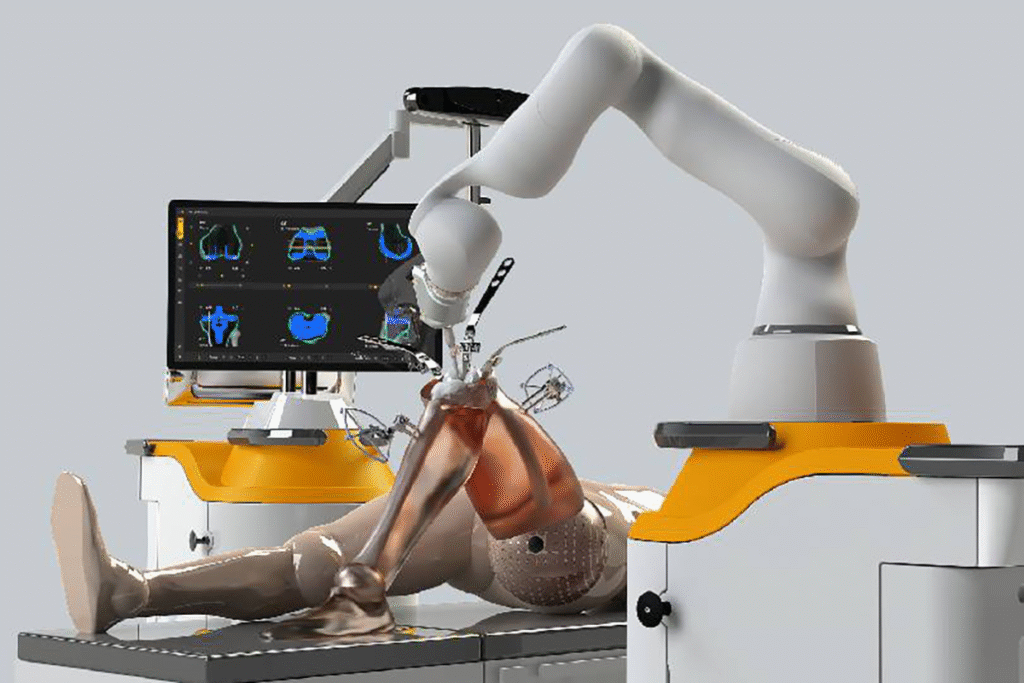
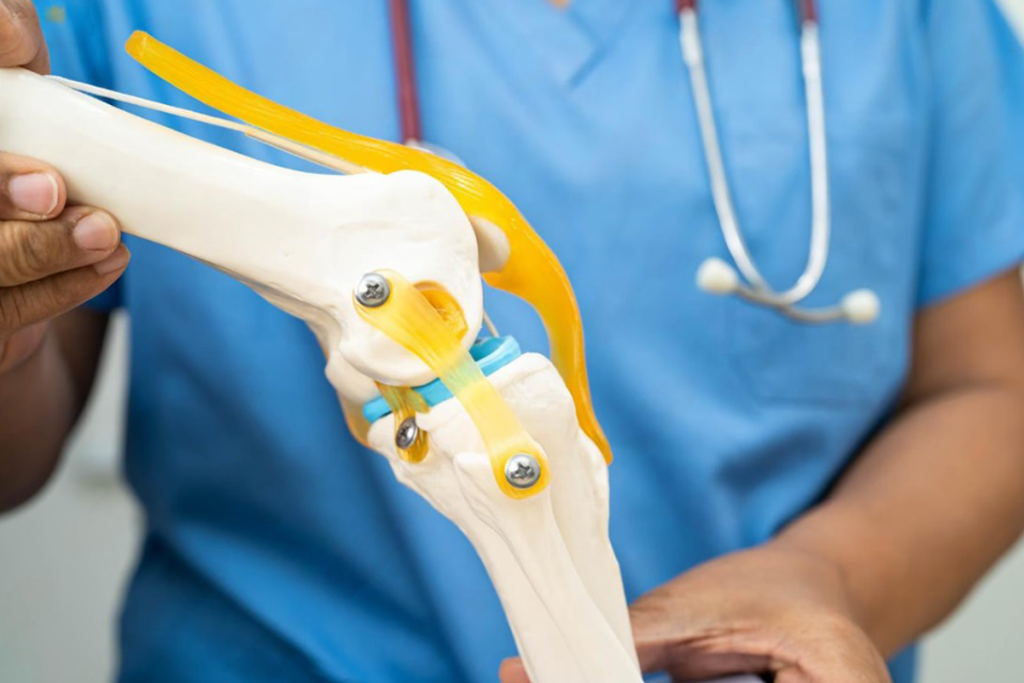
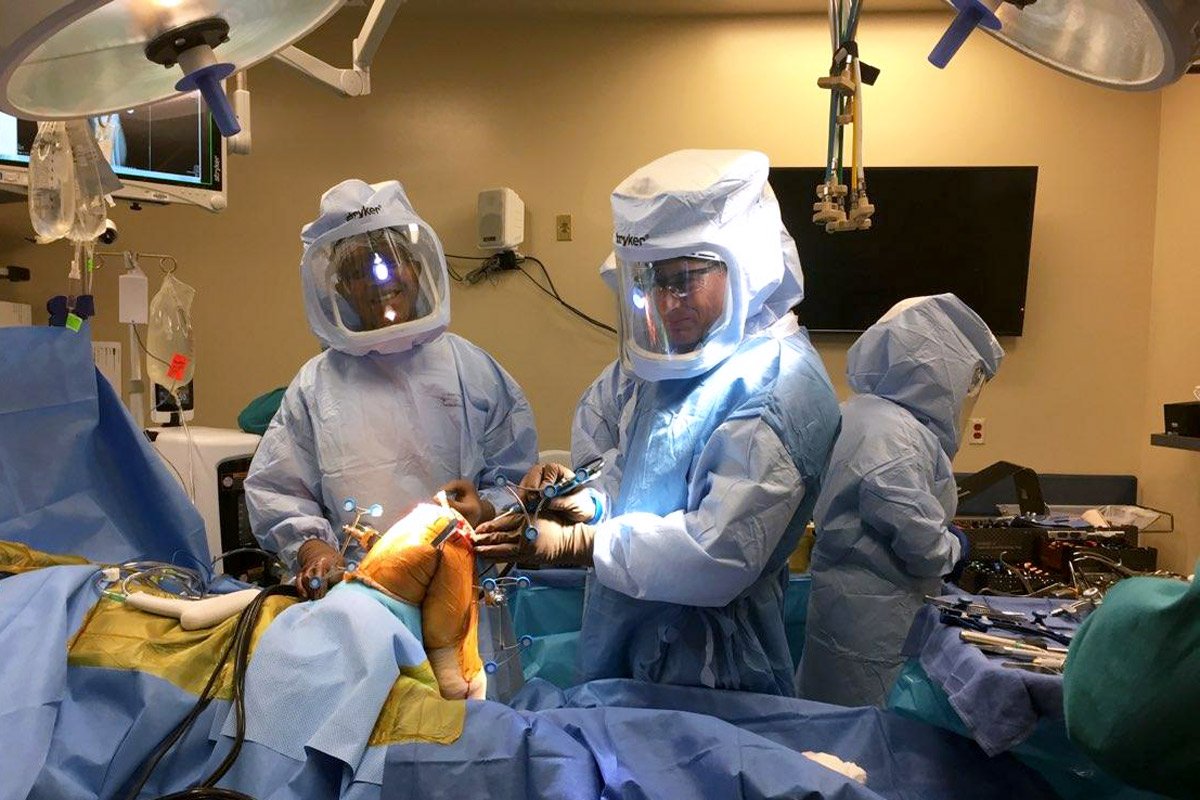
Robotic Knee Replacement Surgery is an advanced technology-assisted approach to knee replacement. Robotic and computer-assisted technology can provide detailed information about a patient’s knee anatomy and assist the surgeon during specific stages of surgical planning and execution.

Depending on the technology and clinical approach, robotic-assisted knee replacement may support:

  • Patient-specific surgical planning
  • Detailed assessment of knee anatomy
  • Precision-oriented bone preparation
  • Assistance with implant positioning
  • Assessment of knee alignment
  • Evaluation of joint balance
  • Technology-assisted surgical decision-making

It is important to understand that the robotic system is a surgical tool, while the orthopaedic surgeon remains responsible for the operation and clinical decision-making.

Therefore, when searching for the best robotic knee replacement surgeon in India, patients should consider factors such as the surgeon’s training, experience, patient evaluation process, hospital facilities, technology availability, and rehabilitation support.

Why Consult Dr. Guruditta Khurana for Robotic Knee Replacement?

Choosing a surgeon for Robotic Knee Replacement in India is an important healthcare decision. A successful treatment journey involves proper diagnosis, suitable treatment selection, surgical expertise, and structured rehabilitation.

1. Detailed Orthopaedic Evaluation

Every patient has a different level of arthritis, knee deformity, pain, mobility limitation, and overall health condition.

Before recommending knee replacement surgery, a detailed evaluation can help determine whether a patient may benefit from:

  • Non-surgical treatment
  • Knee preservation treatment
  • Partial knee replacement
  • Total knee replacement
  • Robotic knee replacement
  • Revision knee replacement

The right treatment should always be based on the patient’s individual clinical condition.

2. Robotic and Technology-Assisted Joint Replacement

Dr. Guruditta Khurana has specialised fellowship training in Robotic Joint Replacement. Robotic technology may be used for suitable patients undergoing advanced knee replacement surgery, depending on their condition and the treatment plan.

3. Individualised Treatment Planning

A knee replacement treatment plan should consider several important factors, including:

  • Severity of osteoarthritis
  • Knee alignment
  • Degree of deformity
  • Bone quality
  • Age and activity level
  • General medical condition
  • Functional requirements
  • Previous surgery, if any

This individualised approach helps patients understand their available treatment options and make informed decisions with their orthopaedic specialist.

4. Comprehensive Recovery Planning

Knee replacement recovery does not depend only on surgery. Post-operative rehabilitation, physiotherapy, muscle strengthening, walking progression, and follow-up care are important parts of the treatment journey.

Conditions Treated by Dr. Guruditta Khurana

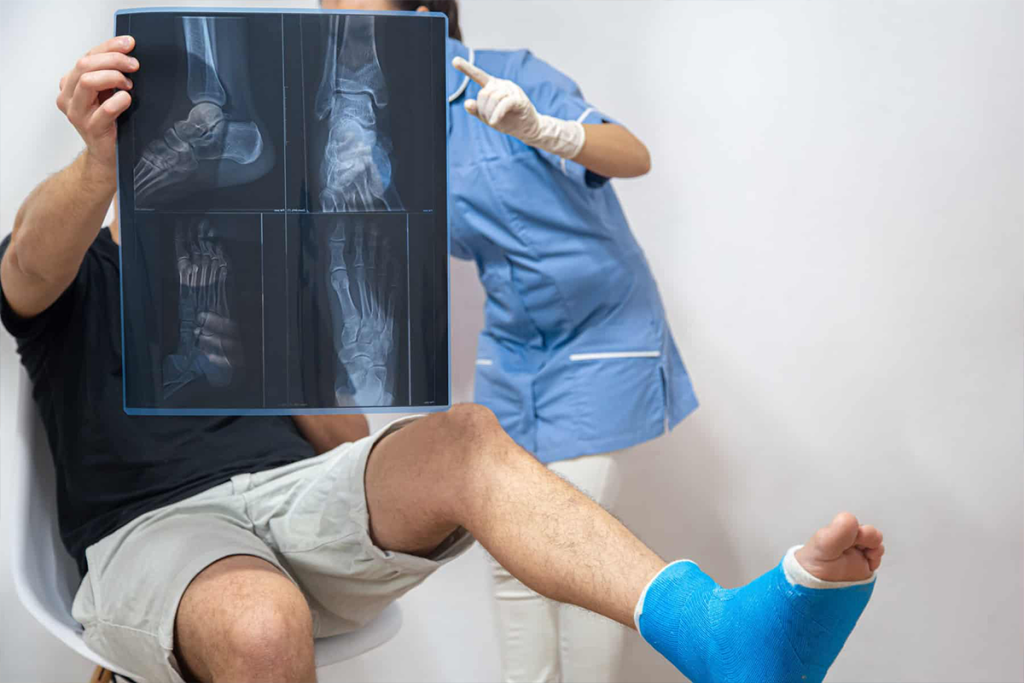
Patients can seek orthopaedic consultation for a variety of bone and joint conditions, including:

  • Knee Osteoarthritis
  • Severe Knee Pain
  • Advanced Knee Arthritis
  • Knee Joint Deformity
  • Difficulty Walking
  • Hip Arthritis
  • Shoulder Problems
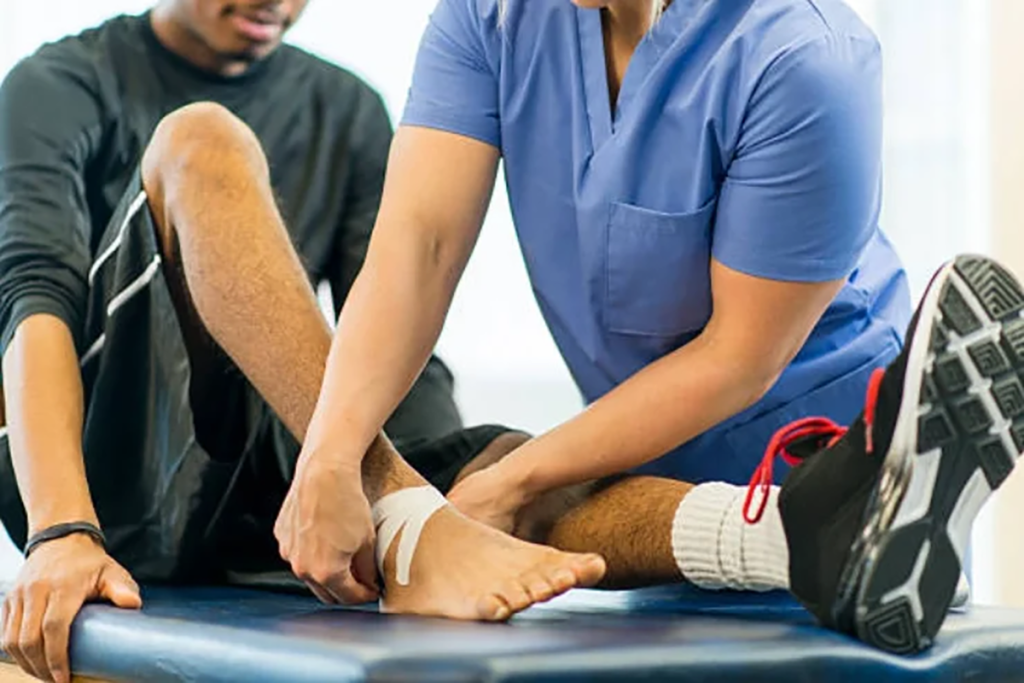
  • Sports Injuries
  • ACL Injury
  • PCL Injury
  • Meniscus Tear
  • Ligament Injuries
  • Complex Fractures
  • Orthopaedic Trauma
  • Joint Problems
  • Bone and Joint Deformities

His clinical areas of focus also include arthroscopy, sports medicine, ligament reconstruction, shoulder surgery, and complex joint replacement.

Total Knee Replacement in India

Total Knee Replacement, also known as Total Knee Arthroplasty, may be considered for patients with advanced arthritis causing significant pain and functional limitations.

The procedure involves replacing damaged joint surfaces with artificial components to help address the affected knee joint.

Patients searching for terms such as Best Total Knee Replacement Surgeon in India, Knee Replacement Doctor India, Advanced Knee Replacement India, Total Knee Replacement Delhi NCR, or Knee Replacement Surgery Gurugram should undergo a detailed orthopaedic consultation before deciding on surgery.

Dr. Guruditta Khurana provides evaluation for patients considering Total Knee Replacement and Robotic Knee Replacement in Gurugram and India.

Partial Knee Replacement

Not every patient with knee arthritis requires a total knee replacement. For selected patients with arthritis affecting a limited part of the knee, Partial Knee Replacement may be considered.

Patient selection depends on factors such as:

  • Location of arthritis
  • Condition of the ligaments
  • Degree of deformity
  • Knee stability
  • Overall joint condition

A detailed examination and appropriate imaging evaluation are important before choosing the right procedure.

Revision and Complex Knee Replacement

Some patients may require additional evaluation after undergoing a previous knee replacement. Revision Knee Replacement may be considered in selected situations involving persistent pain, implant-related problems, joint instability, wear or loosening, complex deformity, or other clinical concerns.

Complex cases require careful investigation and personalised treatment planning by an experienced orthopaedic specialist.
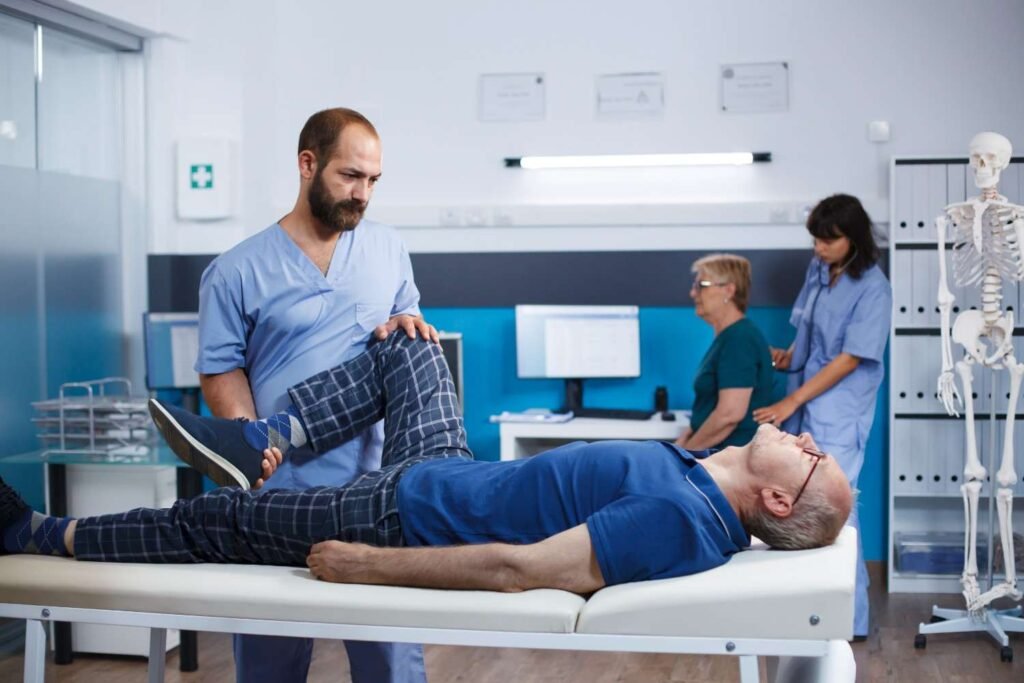
Is Robotic Knee Replacement Better Than Conventional Knee Replacement?

Both conventional and robotic-assisted knee replacement are established approaches performed by trained orthopaedic surgeons. Robotic technology may provide additional information and assistance during specific stages of surgery.

Potential advantages may include:

  • Patient-specific planning
  • Precision-oriented bone preparation
  • Assistance with implant positioning
  • Intraoperative information
  • Assessment of alignment
  • Evaluation of joint balance

However, robotic knee replacement is not automatically the best choice for every patient. The most suitable surgical approach depends on the patient’s condition and should be decided after a detailed orthopaedic assessment.

Successful outcomes can depend on several factors, including correct diagnosis, appropriate patient selection, surgical expertise, treatment planning, implant selection, rehabilitation, and the patient’s participation in recovery.

Who May Need Knee Replacement Surgery?

Knee replacement may be considered for patients experiencing:

  • Severe and persistent knee pain
  • Advanced osteoarthritis
  • Difficulty walking
  • Pain during daily activities
  • Knee stiffness
  • Significant loss of mobility
  • Progressive knee deformity
  • Reduced quality of life
  • Inadequate relief from appropriate non-surgical treatment

A consultation with an orthopaedic knee specialist is important before deciding whether surgery is appropriate.

Knee Arthritis Treatment in Gurugram and India

Not all patients with knee pain or arthritis require surgery. Depending on the diagnosis and severity of the condition, treatment options may include:

  • Activity modification
  • Physiotherapy
  • Muscle strengthening
  • Weight management where appropriate
  • Pain management
  • Injections when clinically indicated
  • Joint preservation strategies
  • Partial knee replacement
  • Total knee replacement
  • Robotic-assisted knee replacement

The goal of treatment is to recommend the most appropriate option based on the patient’s symptoms, examination findings, lifestyle needs, and imaging results.

Why Choose Gurugram and Delhi NCR for Orthopaedic Treatment?

Gurugram and Delhi NCR are important centres for advanced medical treatment in India. Patients have access to multispecialty hospitals, orthopaedic specialists, advanced joint replacement programmes, technology-assisted surgery, diagnostic facilities, physiotherapy, rehabilitation, and post-operative care.

This makes Gurugram a convenient destination for patients searching for an orthopaedic surgeon in Delhi NCR, robotic knee replacement in Gurugram, or knee replacement treatment in Haryana.

Robotic Knee Replacement for Patients Across India

Patients may travel to Gurugram for consultation and treatment from different cities and regions across India, including:

  • Delhi
  • Noida
  • Greater Noida
  • Ghaziabad
  • Faridabad
  • Sonipat
  • Panipat
  • Rohtak
  • Chandigarh
  • Punjab
  • Rajasthan
  • Uttar Pradesh
  • Uttarakhand
  • Madhya Pradesh
  • Jammu and Kashmir

For patients travelling from outside Gurugram, appropriate medical consultation and evaluation should be the first step in planning treatment.

Recovery After Robotic Knee Replacement

Recovery after knee replacement varies from one patient to another. Several factors can influence the recovery process, including:

  • Age
  • General health
  • Pre-operative mobility
  • Muscle strength
  • Severity of arthritis
  • Type of surgery
  • Rehabilitation participation
  • Individual healing

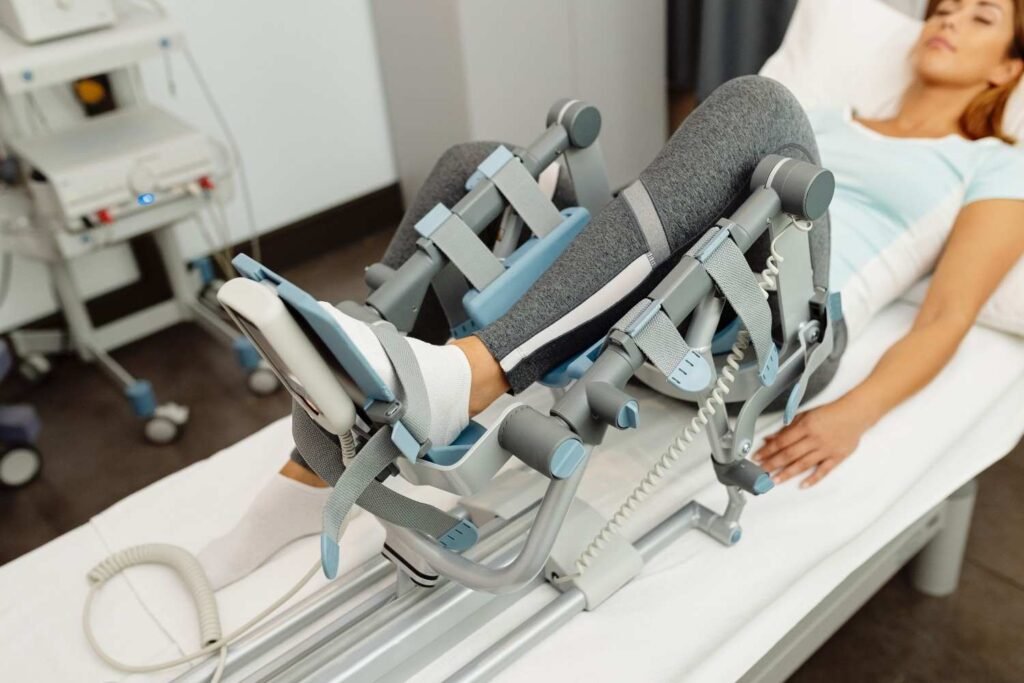
Early mobilisation may be started after surgery when medically appropriate. A structured rehabilitation programme can focus on walking, improving knee movement, muscle strengthening, balance, functional independence, and returning to daily activities.

Frequently Asked Questions About Dr. Guruditta Khurana and Robotic Knee Replacement

Who is Dr. Guruditta Khurana?

Dr. Guruditta Khurana is an Orthopaedic and Robotic Joint Replacement Surgeon practising in Gurugram, Delhi NCR. His qualifications include MBBS, D.ORTHO (Medalist), and FIJR (Robotic), with clinical focus areas including robotic joint replacement, knee and hip replacement, complex joint replacement, arthroscopy, and sports injuries.

Where does Dr. Guruditta Khurana practise?

Dr. Guruditta Khurana is associated with CK Birla Hospital, Gurugram, located at Block J, Mayfield Garden, Sector 51, Gurugram, Haryana.

Is Robotic Knee Replacement Available in India?

Yes, robotic and technology-assisted knee replacement options are available at selected medical centres in India. Suitability and availability should be discussed with an orthopaedic specialist.

Who Should Consider Robotic Knee Replacement?

Suitability depends on several factors, including the patient’s knee arthritis, anatomy, deformity, overall health, and detailed clinical evaluation.

Is Robotic Knee Replacement Suitable for Every Patient?

No. The most suitable surgical approach should be determined after a detailed orthopaedic assessment. Not every patient requires or may be suitable for the same treatment approach.

How Long Does Recovery Take After Knee Replacement?

Recovery varies between individuals. Walking and rehabilitation may begin early when medically appropriate, while functional recovery can continue over several weeks or months depending on individual factors.

How Do I Choose a Knee Replacement Surgeon in India?

Patients may consider factors such as:

  • Relevant orthopaedic training
  • Experience with the required procedure
  • Robotic or technology-assisted expertise where relevant
  • Hospital facilities
  • Detailed patient evaluation
  • Individualised treatment planning
  • Rehabilitation support
  • Communication and follow-up care

Consult Dr. Guruditta Khurana for Robotic Knee Replacement in India

If you are experiencing persistent knee pain, severe arthritis, difficulty walking, or have been advised to consider knee replacement surgery, a detailed orthopaedic consultation can help identify the most appropriate treatment option.

Dr. Guruditta Khurana provides evaluation for a range of orthopaedic conditions and treatment options, including:

  • Robotic Knee Replacement
  • Total Knee Replacement
  • Partial Knee Replacement
  • Complex Knee Replacement
  • Revision Joint Replacement
  • Robotic Joint Replacement
  • Hip Replacement
  • Sports Injury Treatment
  • Arthroscopy
  • ACL Reconstruction
  • PCL Reconstruction
  • Meniscus Treatment
  • Fracture and Trauma Care

His practice is associated with CK Birla Hospital, Sector 51, Gurugram, Delhi NCR, India.

Conclusion

For patients searching for a leading orthopaedic surgeon in India, robotic knee replacement surgeon in India, knee replacement doctor in Delhi NCR, joint replacement specialist in Gurugram, or advanced robotic joint replacement in India, choosing the right specialist and treatment approach is an important step.

Dr. Guruditta Khurana is an Orthopaedic and Robotic Joint Replacement Surgeon associated with CK Birla Hospital, Gurugram, with specialised training and a clinical focus on advanced orthopaedic and joint replacement care.

Modern technology can assist surgeons during suitable knee replacement procedures, but successful treatment also depends on accurate diagnosis, appropriate patient selection, surgical expertise, and structured rehabilitation.

A personalised orthopaedic consultation can help determine whether non-surgical treatment, partial knee replacement, total knee replacement, conventional surgery, or robotic-assisted knee replacement is the most appropriate option based on an individual’s condition.

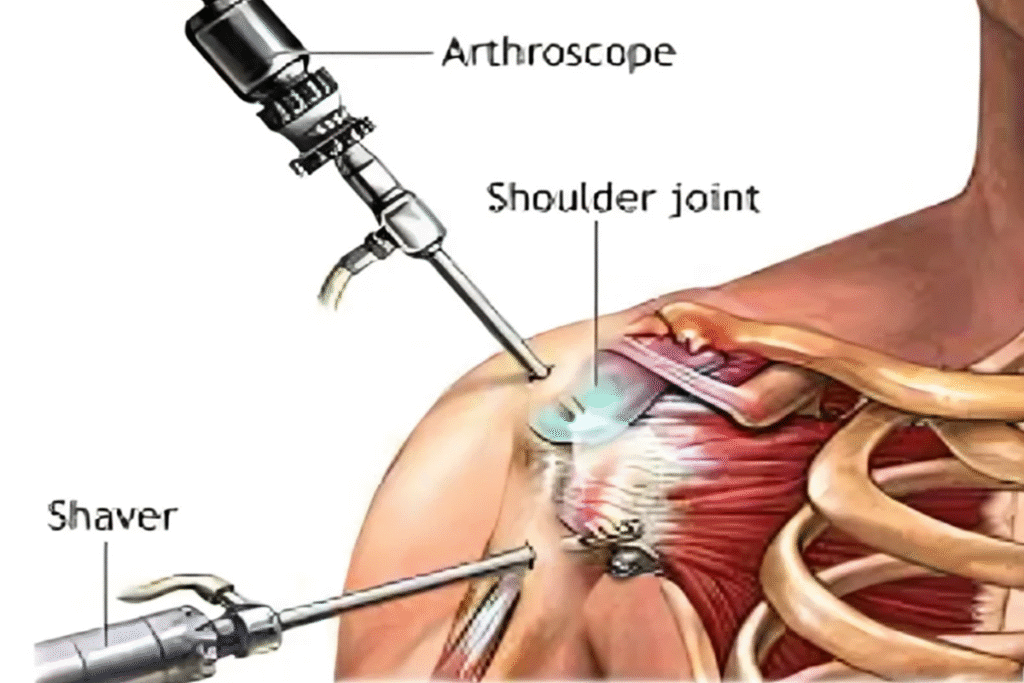
Table of Contents

Scroll to Top

Best Shoulder Arthroscopy in Gurugram

Shoulder Arthroscopy is a minimally invasive surgical procedure used to diagnose and treat shoulder joint problems using a small camera called an arthroscope. The camera provides a clear, magnified view inside the shoulder, allowing surgeons to repair damaged tissues through tiny incisions instead of traditional open surgery. This leads to less pain, smaller scars, and faster recovery.

When is Shoulder Arthroscopy Recommended?


Shoulder arthroscopy is advised when pain, stiffness, or weakness does not improve with medications, physiotherapy, or injections.

Common Shoulder Problems Treated


  • Rotator Cuff Tears – Repairing torn tendons

  • Shoulder Impingement – Removing inflamed tissue or bone spurs

  • Labral Tears – Repairing the cartilage around the socket

  • Shoulder Instability / Dislocation – Tightening or repairing ligaments

  • Frozen Shoulder – Releasing tight tissues

  • Arthritis & Cartilage Damage – Cleaning or smoothing rough surfaces

  • Removal of Loose Fragments – Bone or cartilage pieces inside the joint

Best Knee Arthroscopy in Gurugram

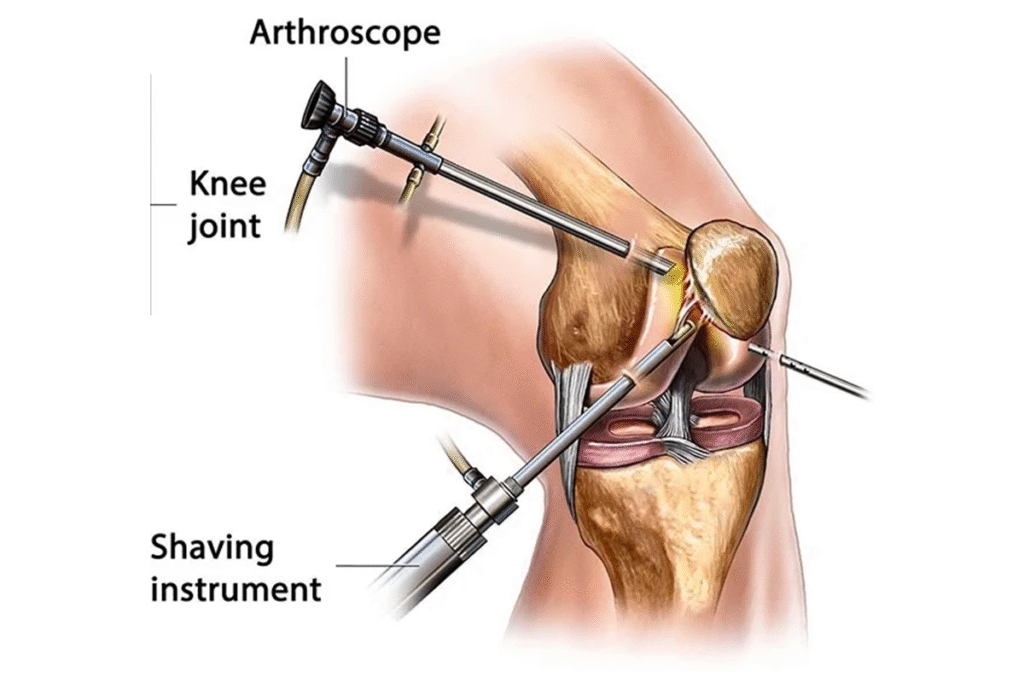
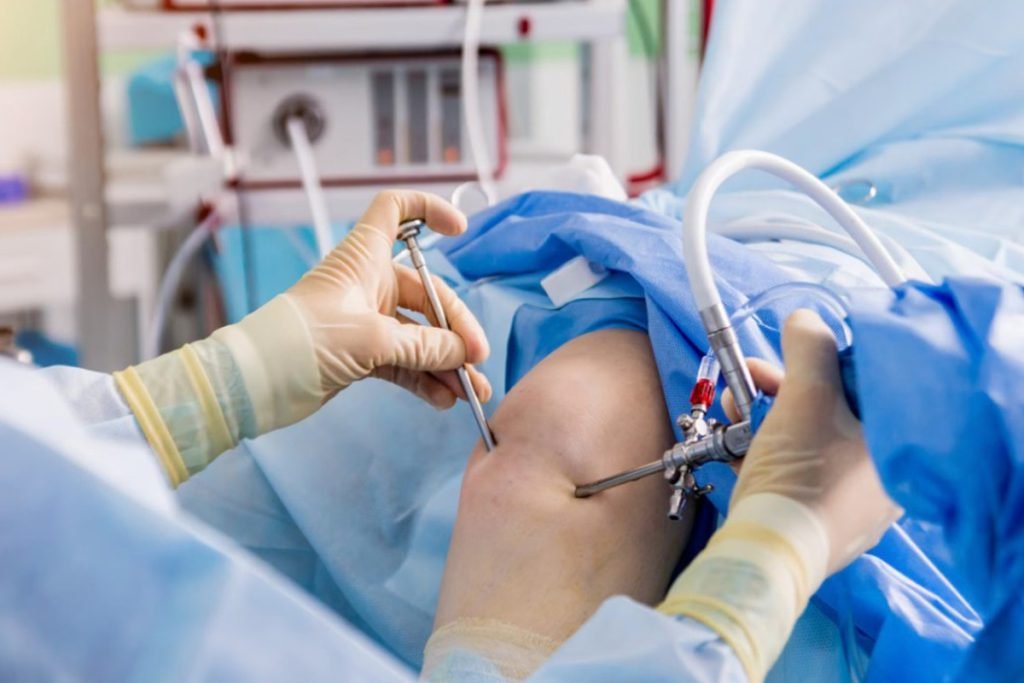
Knee Arthroscopy is a minimally invasive surgical procedure used to diagnose and treat knee joint problems using a tiny camera called an arthroscope. The camera provides a clear view of the inside of the knee, allowing surgeons to accurately detect damage and perform precise treatments through small incisions, causing less pain and enabling faster recovery compared to traditional open surgery.

When is Knee Arthroscopy Recommended?


Knee arthroscopy is advised when there is persistent knee pain, swelling, stiffness, or locking that does not improve with medication, physiotherapy, or lifestyle changes.

Common Conditions Treated


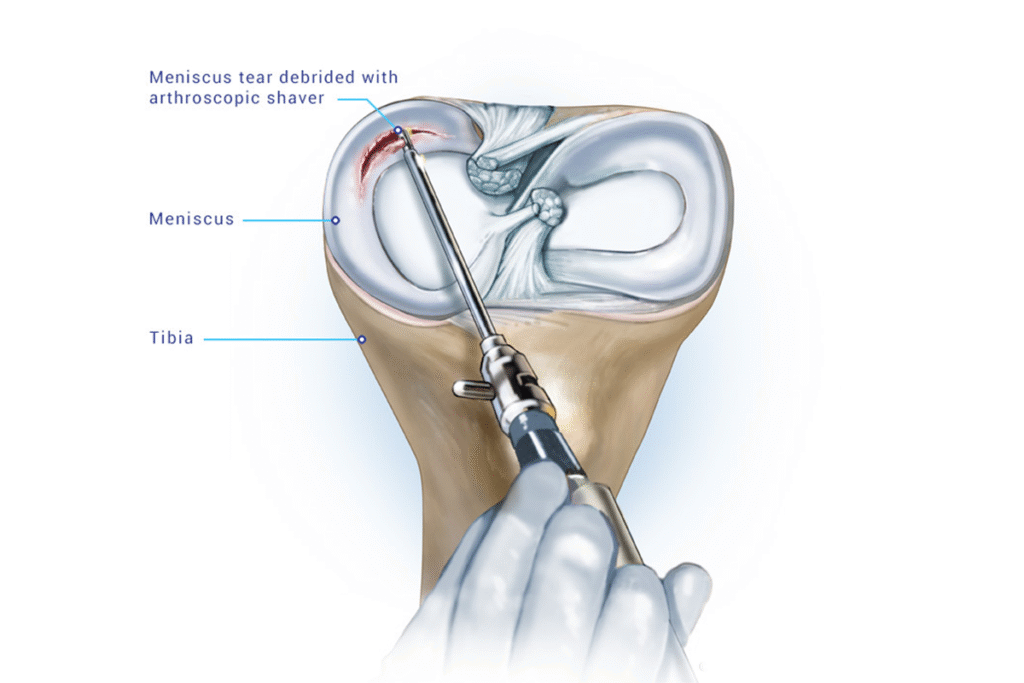
  • Meniscus Tears – Repair or removal of torn cartilage

  • Ligament Injuries – Including ACL and PCL reconstruction

  • Loose Bone or Cartilage Fragments – Removal of debris inside the joint

  • Synovitis – Inflammation of the joint lining

  • Knee Cap (Patella) Problems – Maltracking or instability

  • Early Osteoarthritis – Debridement or cartilage smoothing

Best Hip Replacement in Gurugram

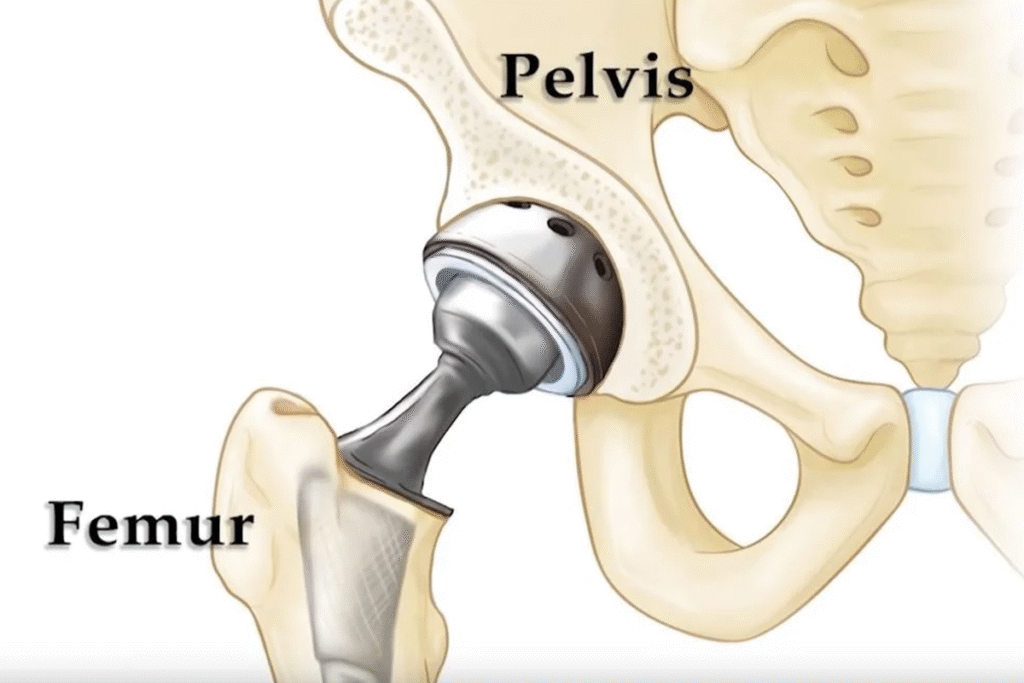
Hip Replacement — also called Total Hip Replacement (THR) or Hip Arthroplasty — is a surgical procedure where a damaged or diseased hip joint is replaced with an artificial implant made of metal, ceramic, or high-grade plastic. The goal is to relieve pain, restore mobility, and improve overall quality of life.

It’s most commonly recommended when severe arthritis, injury, or degeneration makes daily activities like walking, climbing stairs, or even sitting painful and difficult.

Who Needs Hip Replacement?


Hip replacement is advised when non-surgical treatments like medications, physiotherapy, or injections no longer provide relief.

Common Conditions Requiring Hip Replacement


  • Osteoarthritis – Wear-and-tear arthritis causing cartilage loss

  • Rheumatoid Arthritis – Inflammatory arthritis damaging the joint

  • Avascular Necrosis – Bone collapse due to poor blood flow

  • Post-Traumatic Arthritis – Arthritis after hip injury or fractures

  • Hip Dysplasia – Abnormal hip development leading to degeneration

  • Persistent hip stiffness, pain, and mobility loss

Best Knee Replacement ​in Gurugram

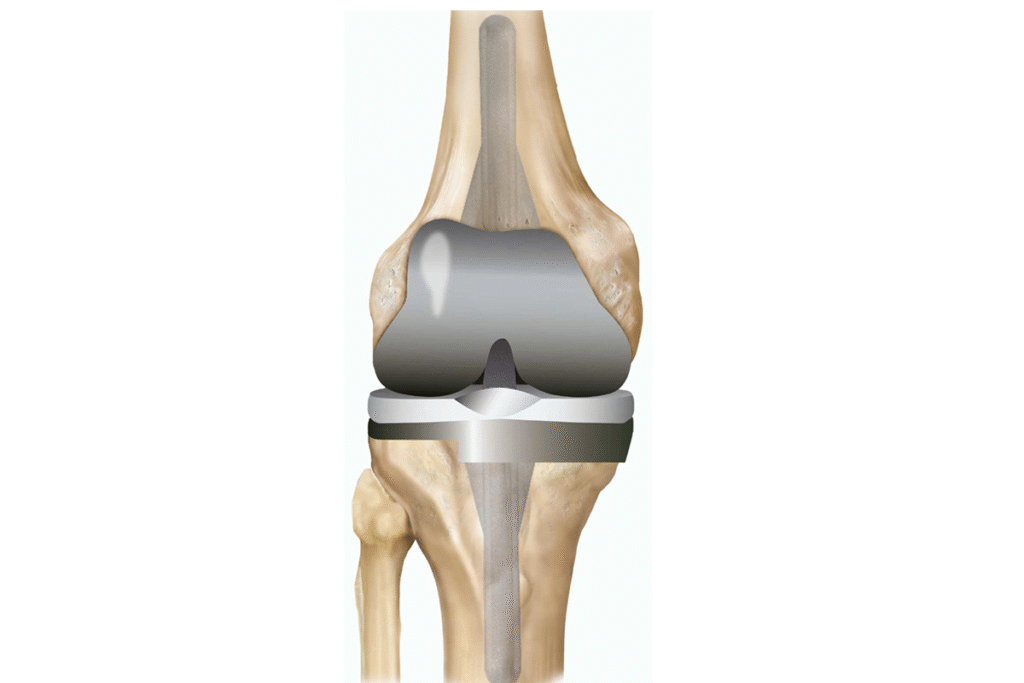
Knee Replacement — also known as Total Knee Replacement (TKR) or Knee Arthroplasty — is a surgical procedure where a damaged or worn-out knee joint is replaced with an artificial implant to relieve pain, restore mobility, and improve quality of life. It is most commonly performed for severe arthritis or knee injuries when other treatments like medicines, physiotherapy, and injections no longer provide relief.

Who Needs Knee Replacement?


Knee replacement is recommended when knee damage causes persistent pain, stiffness, and difficulty in daily activitiesdespite conservative treatment.

Common Conditions Requiring Knee Replacement


  • Osteoarthritis – Wear-and-tear arthritis causing cartilage loss

  • Rheumatoid Arthritis – Autoimmune inflammation damaging joints

  • Post-Traumatic Arthritis – Knee degeneration after injuries or fractures

  • Avascular Necrosis – Bone damage due to poor blood supply

  • Severe knee deformities (knock knees or bowlegs

Best Fracture Treatment ​in Gurugram

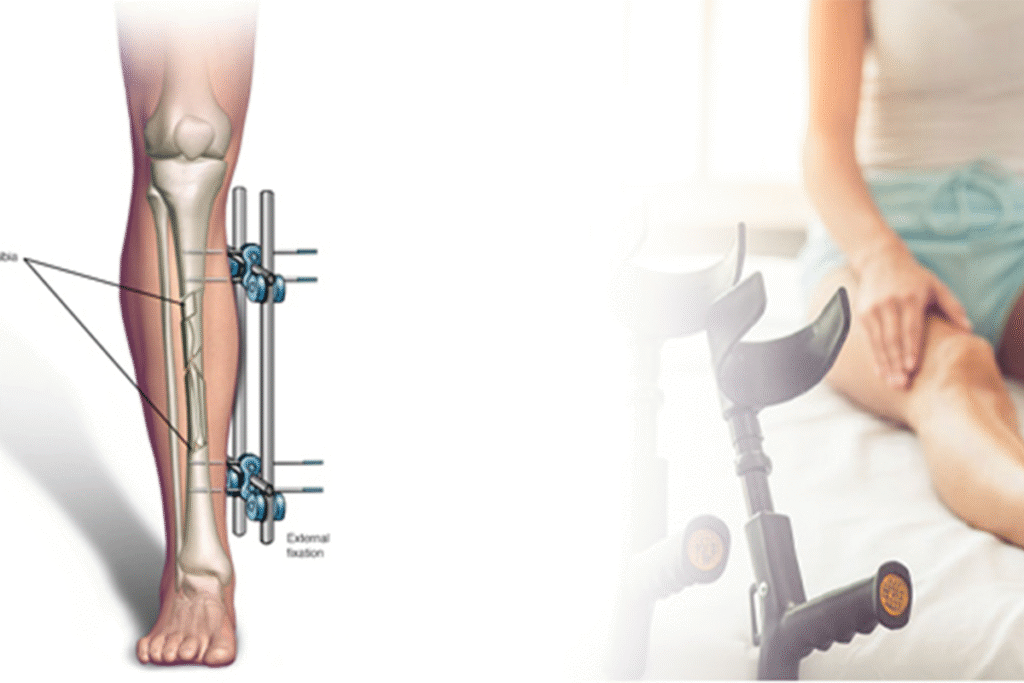
Fracture Treatment involves the diagnosis, management, and healing of broken bones caused by trauma, accidents, sports injuries, falls, or underlying medical conditions like osteoporosis. The goal is to restore bone alignment, promote healing, relieve pain, and regain full function of the affected limb or joint. Treatment varies depending on the type, location, and severity of the fracture.

Types of Fractures


Fractures are classified based on how the bone breaks:

  1. Closed (Simple) Fracture – Bone breaks but does not pierce the skin.

  2. Open (Compound) Fracture – Bone breaks and comes through the skin, requiring urgent care.

  3. Hairline (Stress) Fracture – Small crack caused by overuse or repetitive stress.

  4. Comminuted Fracture – Bone shatters into several pieces.

  5. Greenstick Fracture – Common in children; bone bends and cracks but doesn’t break completely.

  6. Pathological Fracture – Bone breaks due to weakness from diseases like osteoporosis or cancer.

Best Meniscus Repair ​in Gurugram

Meniscus Repair is a surgical procedure to treat tears in the meniscus, which is a C-shaped cartilage in the knee joint acting as a shock absorber between the thigh bone (femur) and shin bone (tibia). The meniscus plays a critical role in stabilizing the knee, distributing weight, and preventing early arthritis.

When the meniscus is torn due to injury or degeneration, repairing it rather than removing it (meniscectomy) is often preferred, as it helps preserve knee function and reduces the risk of long-term joint damage.

When is Meniscus Repair Recommended?


  • Acute meniscus tears in younger, active patients

  • Tears in the outer third (“red zone”) where blood supply is better and healing potential is high

  • Combined injuries with ACL reconstruction

  • Patients aiming to preserve natural knee cartilage and avoid arthritis

  • Persistent knee pain despite non-surgical treatments


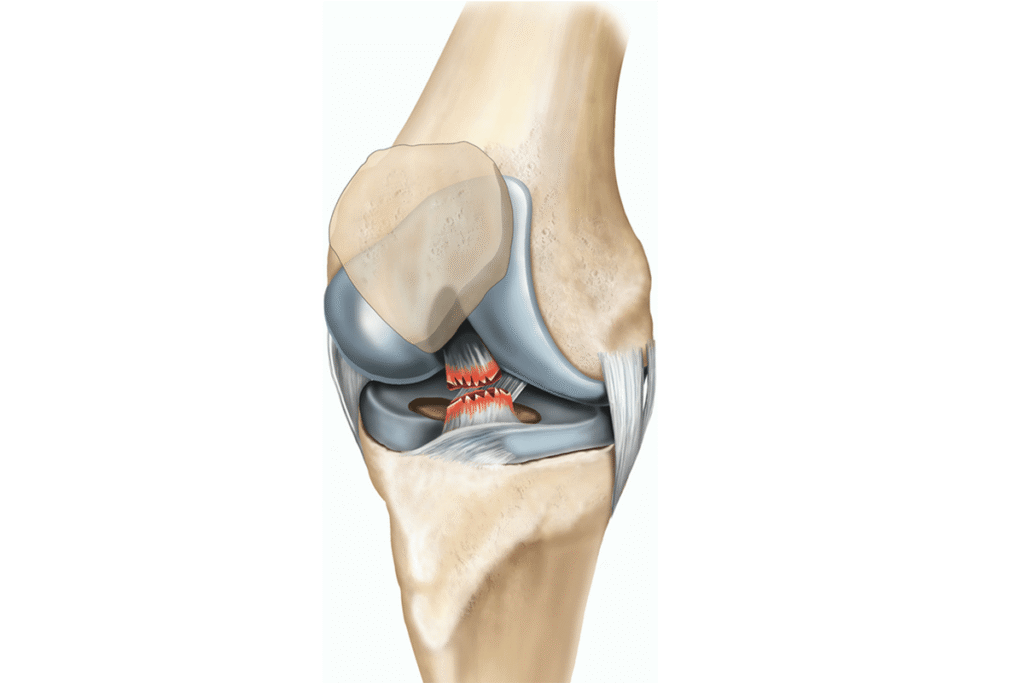
Best PCL Reconstruction​ ​in Gurugram

The Posterior Cruciate Ligament (PCL) is located inside the knee joint and works with the Anterior Cruciate Ligament (ACL) to stabilize the knee. While PCL injuries are less common than ACL injuries, they are often more complex and sometimes occur in combination with multi-ligament knee injuries.

When is PCL Reconstruction Recommended?


  • Complete PCL tears (Grade III injuries)

  • Persistent knee instability despite physiotherapy

  • Combined injuries with ACL, MCL, or meniscus damage

  • Young, active individuals involved in sports or heavy physical activity

  • Cases where non-surgical treatments fail

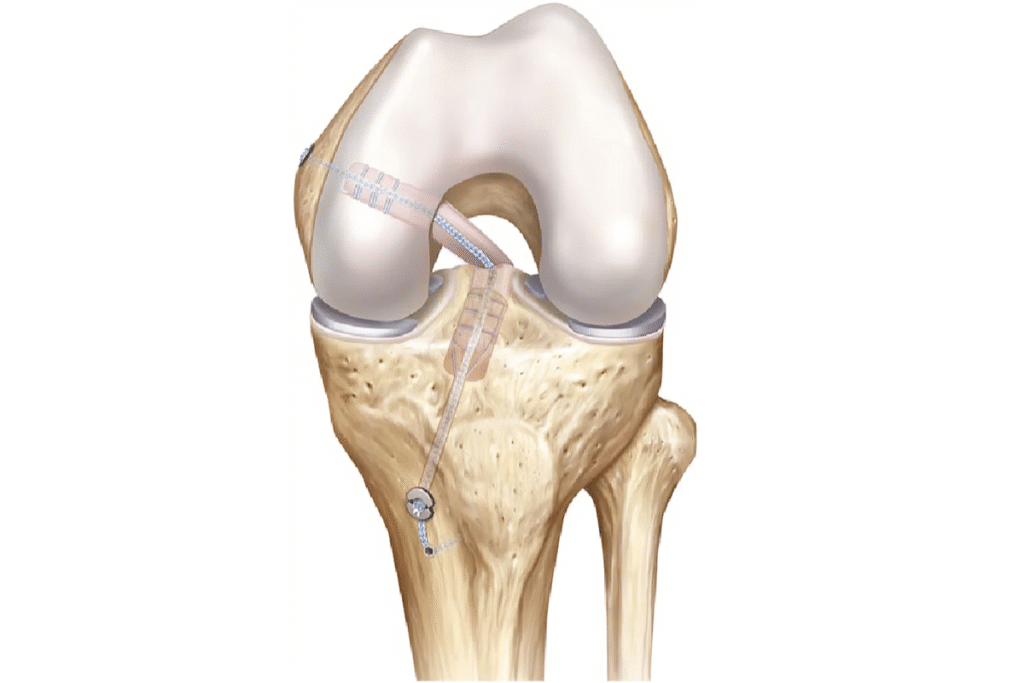
Best ACL Reconstruction ​in Gurugram

The Anterior Cruciate Ligament (ACL) is one of the main stabilizing ligaments in the knee. It connects the thigh bone (femur) to the shin bone (tibia) and helps maintain knee stability, especially during twisting, pivoting, or sudden movements.

An ACL injury—often caused by sports, accidents, or sudden knee trauma—can lead to knee instability, pain, and difficulty performing daily or athletic activities.

When is ACL Reconstruction Needed?


  • Persistent knee instability (giving way during walking or sports)

  • Severe ACL tear confirmed on MRI/clinical exam

  • Active lifestyle requiring pivoting, running, or jumping

  • Associated knee injuries (meniscus, cartilage damage)

  • Failed non-surgical treatments (physiotherapy, bracing)

Best Robotic Joint Replacement in Gurugram

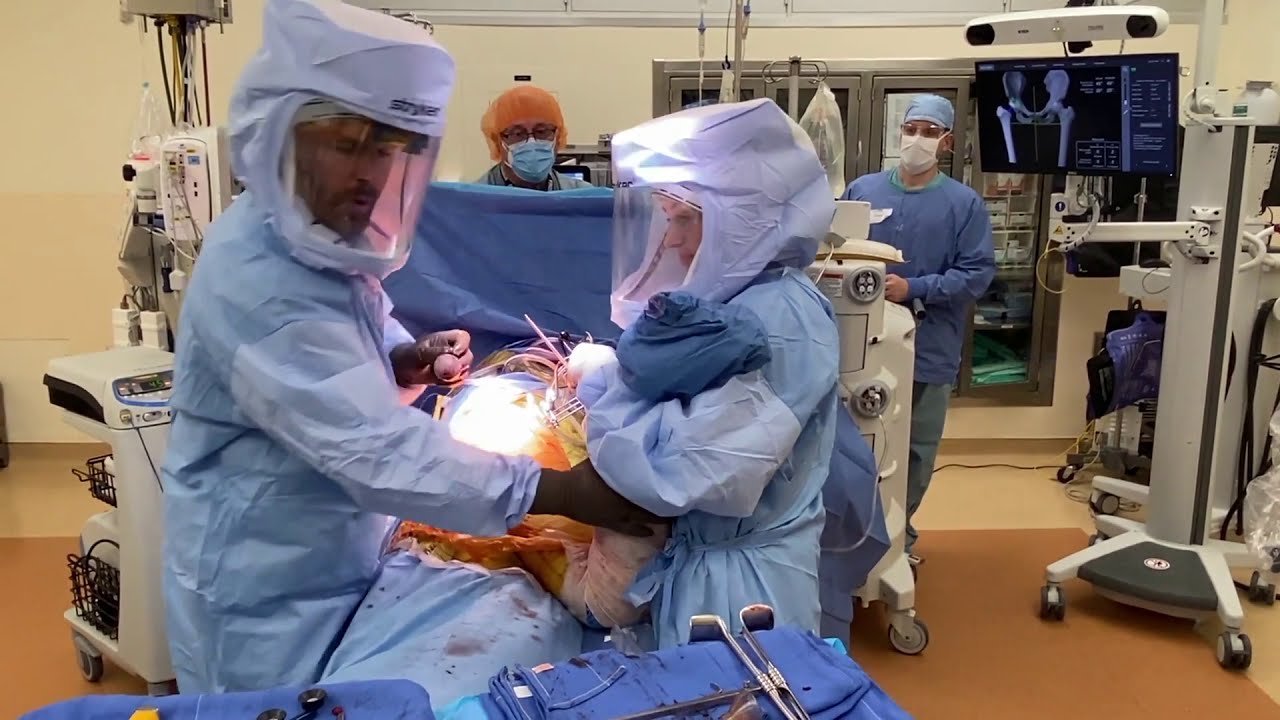
Robotic joint replacement uses a computer-assisted robotic system to create a 3D virtual model of the patient’s joint. This allows the surgeon to plan the surgery accurately, position the implant with sub-millimeter precision, and ensure natural joint movement post-surgery.

Unlike traditional joint replacement, the robot does not perform the surgery independently. The surgeon controls the entire procedure, while the robotic system acts as a guide for accuracy and safety.

Types of Robotic Joint Replacement


  1. Robotic Total Knee Replacement (TKR)

    • Complete replacement of the knee joint using robotic assistance.

  2. Robotic Partial Knee Replacement (PKR)

    • Only the damaged compartment of the knee is replaced, preserving healthy bone and ligaments.

  3. Robotic Total Hip Replacement (THR)

    • Replacement of the hip joint with robotic-assisted accuracy for implant placement and alignment.

Osteoarthritis and Rheumatoid Arthritis Management

Osteoarthritis (OA) and Rheumatoid Arthritis (RA) Management focuses on the diagnosis, treatment, and rehabilitation of these chronic joint conditions to relieve pain, improve mobility, and enhance quality of life. While both conditions affect the joints, they have different causes and treatment approaches, making early and accurate diagnosis crucial.

Osteoarthritis (OA)


  • A degenerative joint disease caused by gradual wear and tear of cartilage.

  • Commonly affects the knees, hips, spine, and hands.

  • Symptoms:

    • Joint pain and stiffness (worse after activity)

    • Reduced flexibility

    • Bone spurs and swelling

Rheumatoid Arthritis (RA)


  • An autoimmune disease where the immune system attacks joint linings.

  • Affects multiple joints symmetrically, including hands, wrists, knees, and ankles.

  • Symptoms:

    • Persistent joint pain and swelling

    • Morning stiffness lasting more than 30 minutes

    • Fatigue, fever, and overall weakness

Complex Fractures and Trauma Care

Complex Fractures and Trauma Care involves the diagnosis, surgical management, and rehabilitation of severe bone injuries caused by high-impact accidents, falls, or other traumatic events. Unlike simple fractures, complex fractures often involve multiple bone fragments, joint involvement, surrounding tissue damage, or open wounds, making their management highly challenging.

Effective trauma care requires a multidisciplinary approach involving orthopedic surgeons, trauma specialists, physiotherapists, and rehabilitation experts to ensure optimal recovery and restore mobility.

Types of Complex Fractures


  • Comminuted Fracture – Bone breaks into multiple fragments

  • Open (Compound) Fracture – Bone pierces through the skin, increasing infection risk

  • Segmental Fracture – Bone breaks at two distinct levels

  • Intra-Articular Fracture – Fracture extends into the joint surface

  • Pathological Fracture – Caused by underlying conditions like osteoporosis or tumors

  • Periprosthetic Fracture – Occurs around joint replacement implants

Sports Injury Management

Sports Injury Management focuses on the prevention, diagnosis, treatment, and rehabilitation of injuries sustained during sports or physical activities. It aims to help athletes and active individuals recover quickly, restore function, and return safely to their sport or fitness routine while minimizing the risk of re-injury.

This specialized approach combines advanced medical techniques, physiotherapy, and rehabilitation programs tailored to the type and severity of the inju

Common Types of Sports Injuries


Acute Injuries


  • Sprains – Ligament tears, common in ankle, knee, and wrist

  • Strains – Muscle or tendon injuries

  • Fractures – Bone breaks due to high-impact trauma

  • Dislocations – Joints forced out of position

  • Contusions (Bruises) – From direct impact

Chronic / Overuse Injuries


  • Tendinitis – Inflammation of tendons due to repetitive stress

  • Stress Fractures – Micro-cracks in bones from overtraining

  • Runner’s Knee – Knee pain caused by repetitive movement

  • Tennis Elbow / Golfer’s Elbow – Tendon damage from repeated motions

  • Shin Splints – Pain along the shinbone due to strain

Arthroscopic Surgery

Arthroscopic Surgery is a minimally invasive surgical procedure used to diagnose and treat problems inside a joint. It involves inserting a thin, flexible tube called an arthroscope — equipped with a camera and light — through a small incision to visualize the inside of the joint on a screen. Surgeons can then repair, remove, or reconstruct damaged tissues without making large incisions, leading to faster recovery, less pain, and minimal scarring

Advantages of Arthroscopic Surgery

  • Minimally Invasive – Smaller incisions, less tissue damage.

  • Faster Recovery – Patients return to normal activities sooner.

  • Less Pain & Scarring – Minimal disruption of muscles and tissues.

  • Lower Infection Risk – Smaller wounds reduce complications.

  • Day-Care Procedure – Many surgeries are performed on an outpatient basis.

maxresdefault

Robotic Total Hip Replacement (THR)

Robotic Total Hip Replacement (THR) is an advanced surgical procedure that combines cutting-edge robotic technology with the expertise of an orthopedic surgeon to replace a damaged or arthritic hip joint with extreme precision. Compared to conventional hip replacement, robotic-assisted THR ensures greater accuracy, better implant positioning, reduced tissue damage, faster recovery, and improved long-term outcomes.

Advantages of Robotic THR


  • Unmatched Precision – Sub-millimeter accuracy for implant placement.

  • Personalized Surgical Planning – Customized based on your unique hip anatomy.

  • Less Tissue & Muscle Damage – Minimally invasive approach reduces trauma.

  • Faster Recovery – Quicker return to normal activities compared to conventional THR.

  • Improved Joint Function – Natural movement and better range of motion.

  • Longer Implant Lifespan – Optimal positioning enhances durability.

  • Reduced Pain & Blood Loss – Smaller incisions and precise techniques lower post-op discomfort.


Revision Joint Replacement Surgery​

Revision Joint Replacement Surgery is a specialized orthopedic procedure performed when a previously replaced joint — such as the knee or hip — fails or develops complications. Unlike the initial (primary) replacement, a revision surgery is more complex because it involves removing the old implant, addressing bone loss or damage, and placing a new prosthesis for better function and stability.

Benefits of Revision Joint Replacement


  • Restores joint stability and mobility

  • Relieves chronic pain caused by implant failure

  • Corrects deformities or alignment issues

  • Improves overall quality of life

  • Extends the functional lifespan of the joint

kauai surgeon introduces robotic assisted total knee replacement to ucla web

Robotic Total Knee Replacement (TKR)


Robotic Total Knee Replacement (TKR) is an advanced surgical technique used to treat severe knee arthritis, deformity, or damage when non-surgical treatments no longer provide relief. It combines the precision of robotic-assisted technology with the expertise of an orthopedic surgeon to ensure accurate implant placement, better alignment, and improved overall outcomes compared to conventional knee replacement surgery.

Benefits of Robotic-Assisted TKR


  • Higher Accuracy – Ensures optimal alignment and positioning of the implant.

  • Personalized Planning – Customizes the procedure based on the patient’s knee anatomy.

  • Less Tissue Damage – Minimally invasive technique leads to reduced soft tissue trauma.

  • Faster Recovery – Patients often regain mobility quicker compared to traditional TKR.

  • Better Joint Function – More natural movement and improved long-term outcomes.

  • Reduced Post-Operative Pain – Smaller incisions and precise techniques minimize discomfort.

Call Now Button