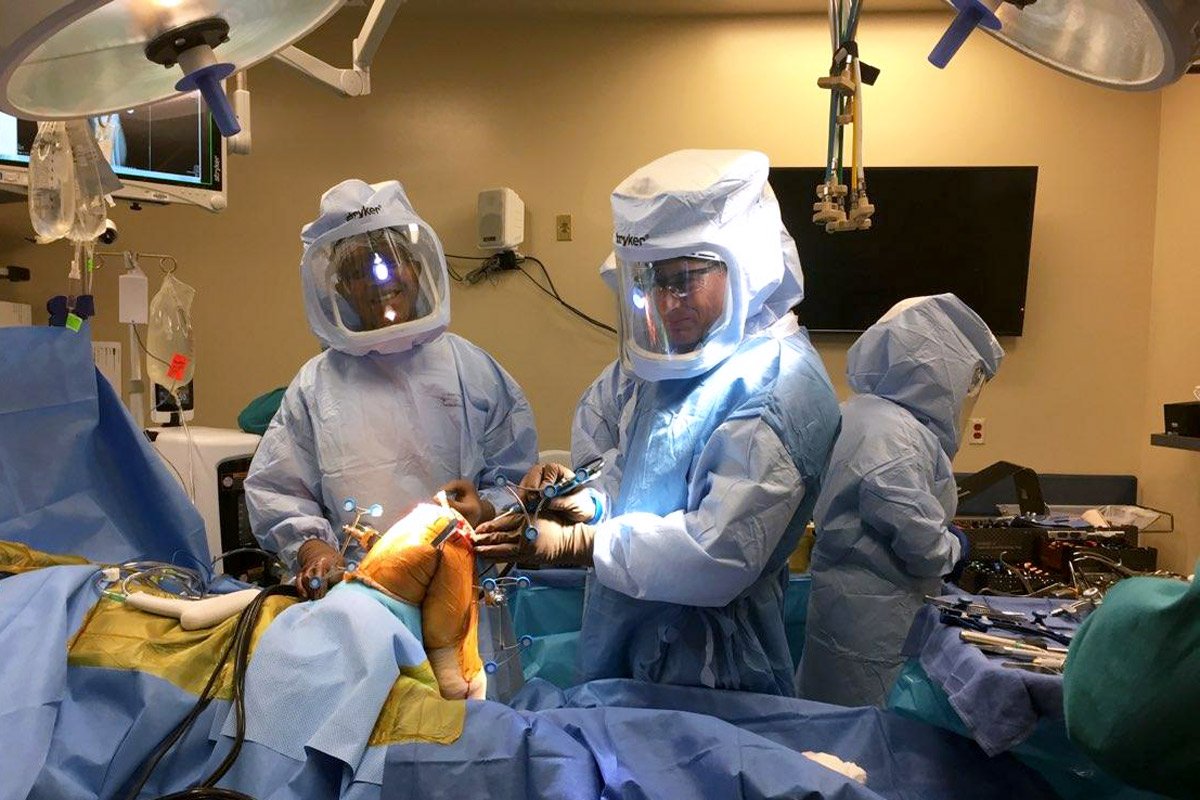
Spine surgery is a specialized treatment used for certain conditions affecting the vertebrae, discs, spinal cord, or nerves. While many spinal problems can improve with medicines, physiotherapy, exercise, and lifestyle changes, surgery may become necessary when symptoms are severe or persistent.
For patients looking for Spine Surgery in Sector 51 Gurugram, understanding the condition is an important first step. Surgery is not automatically required for every back or neck problem. Instead, an orthopedic or spine specialist evaluates symptoms, medical history, physical findings, and imaging results before recommending an appropriate treatment.
The goal is usually to relieve pressure on nerves or the spinal cord, stabilize an unstable spine, correct a deformity, or repair structural damage.
Join our online community! Follow us on: https://www.youtube.com/@RoboticOrthodoc_Guruditta
Herniated or Slipped Disc
A herniated disc is one of the more common spinal conditions that can sometimes require surgery. Between the vertebrae are soft discs that act as cushions. If the outer portion of a disc becomes damaged, its inner material can protrude and irritate nearby nerves.
This may cause back or neck pain, numbness, tingling, or weakness that travels into an arm or leg.
Many people with a herniated disc recover without surgery. However, if symptoms continue despite appropriate non-surgical treatment, or if significant neurological problems develop, a specialist may consider a procedure such as discectomy.
When required, Spine Surgery in Sector 51 Gurugram can be planned according to the location and severity of the disc problem.
Spinal Stenosis
Spinal stenosis occurs when the spaces within or around the spine become narrowed. This narrowing can place pressure on the spinal cord or nerves.
It is often associated with age-related changes in the spine. Patients may experience back pain, leg pain, numbness, weakness, or difficulty walking for longer periods.
Initially, treatment may include medication, physiotherapy, activity modification, and other non-surgical approaches. If nerve compression becomes severe or symptoms significantly affect daily activities, surgery may be recommended.
A decompression procedure, such as laminectomy, may be used to create more space for the affected nerves.
Spondylolisthesis and Spinal Instability
Spondylolisthesis occurs when one vertebra slips forward relative to another. Depending on its severity, it may cause back pain, stiffness, leg pain, numbness, or weakness.
Not every case needs surgery. Mild or stable cases may respond well to conservative treatment. However, surgery may be considered when there is significant nerve compression, worsening slippage, instability, or persistent symptoms that do not respond adequately to non-surgical care.
Depending on the individual condition, surgical treatment can involve decompression, spinal fixation, or fusion.
For appropriate patients, Spine Surgery in Sector 51 Gurugram can help address both nerve compression and spinal instability.
Cervical Radiculopathy and Pinched Nerves
Cervical radiculopathy develops when a nerve in the neck becomes irritated or compressed. A herniated disc, bone spur, or degenerative changes may contribute to this problem.
The symptoms can extend from the neck into the shoulder, arm, or hand. Patients may also experience tingling, numbness, or weakness.
Many cases improve with conservative treatment. However, persistent pain or progressive neurological symptoms may require surgical evaluation.
The type of surgery depends on the cause of compression. The main objective is to relieve pressure on the affected nerve while maintaining or improving spinal stability.
Cervical Myelopathy
Cervical myelopathy is a more serious condition caused by compression of the spinal cord in the neck. It can develop because of degenerative changes, disc problems, bone spurs, or narrowing of the spinal canal.
Symptoms may include difficulty with balance, changes in walking, hand clumsiness, numbness, or weakness.
Because the spinal cord is involved, early specialist assessment is important. Depending on the severity and underlying cause, surgery may be recommended to decompress and protect the spinal cord.
A detailed evaluation is essential before deciding on Spine Surgery in Sector 51 Gurugram.
Spinal Fractures and Trauma
Spinal fractures can occur after road accidents, falls, sports injuries, or other forms of significant trauma. In some people, weakened bones can also increase the risk of vertebral compression fractures.
Treatment depends on the location and severity of the fracture and whether the spinal cord or nerves are affected.
Stable fractures may sometimes be treated without surgery. In contrast, unstable fractures, significant deformity, nerve compression, or spinal cord involvement may require surgical stabilization.
Spinal trauma is among the conditions evaluated within specialized spine care.
Degenerative Disc Disease
As people age, spinal discs can gradually lose hydration, height, and flexibility. These changes may contribute to degenerative disc disease and persistent back or neck symptoms.
However, having disc degeneration on an MRI does not automatically mean that surgery is necessary.
Doctors consider the patient’s symptoms, examination, imaging findings, duration of pain, and response to other treatments. Surgery may be discussed when symptoms are severe, persistent, and linked to a specific structural problem.
Therefore, patients considering Spine Surgery in Sector 51 Gurugram should first undergo a comprehensive clinical assessment.
Spinal Deformities
Certain spinal deformities can affect posture, balance, movement, and quality of life. Scoliosis and other adult spinal deformities may sometimes require surgical correction when the deformity is significant or associated with severe symptoms.
Treatment depends on factors such as age, spinal alignment, neurological symptoms, pain, and the progression of the deformity.
Surgery may involve correction and stabilization of the affected spinal segments. However, the treatment plan must always be individualized.
When Should You Consider Spine Surgery?
Back or neck pain alone does not necessarily mean you need surgery. In many situations, doctors first recommend non-surgical treatment.
Surgery may become an option when:
- Pain continues despite appropriate conservative treatment.
- A nerve remains significantly compressed.
- There is progressive weakness or numbness.
- The spinal cord is under pressure.
- The spine is unstable.
- A serious fracture or deformity affects spinal function.
- Symptoms significantly interfere with walking or everyday activities.
The decision should be based on a detailed evaluation rather than an imaging report alone.
What Happens Before Spine Surgery?
Before recommending surgery, a specialist typically reviews your symptoms and medical history. A physical and neurological examination is also important.
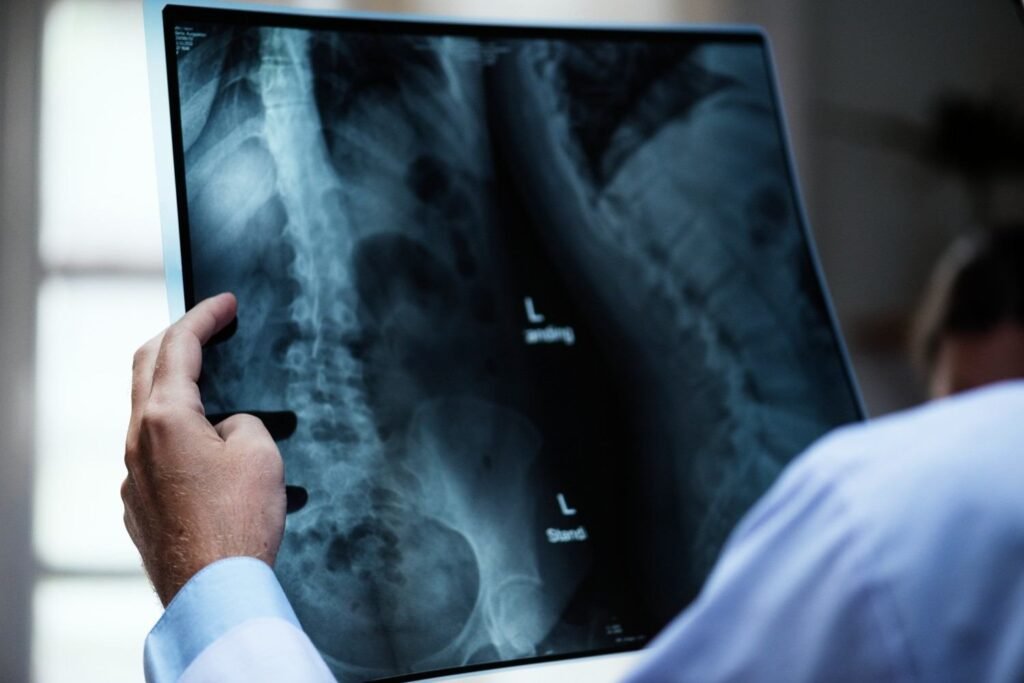
Depending on the suspected condition, imaging such as X-rays, MRI, or CT scans may help identify the source of the problem.
The specialist then discusses available treatment options, expected benefits, possible risks, recovery, and alternatives.
This approach helps ensure that surgery is considered only when it is appropriate for the patient’s condition.
Choosing Spine Surgery in Sector 51 Gurugram
Choosing the right specialist is an important part of spinal care. Patients should look for a doctor who carefully evaluates the cause of their symptoms and explains both surgical and non-surgical treatment options.
Spine Surgery in Sector 51 Gurugram is available through orthopedic and specialist healthcare services in the area. Dr. Guruditta Khurana provides orthopedic care in Sector 51, Gurugram, with spine surgery listed among the treatments offered.
A consultation can help determine whether your symptoms are related to a disc problem, nerve compression, spinal stenosis, instability, trauma, or another condition.
Conclusion
Spinal problems can have many different causes, and the right treatment depends on the underlying condition. Herniated discs, spinal stenosis, spondylolisthesis, cervical nerve compression, cervical myelopathy, fractures, degenerative disc problems, and selected spinal deformities may require surgical treatment in appropriate cases.
Importantly, Spine Surgery in Sector 51 Gurugram should not be viewed as the first solution for every type of back or neck pain. A thorough evaluation helps determine whether surgery, physiotherapy, medication, or another treatment is most suitable.
If persistent pain, numbness, weakness, walking difficulty, or other spinal symptoms are affecting your daily life, consulting a qualified orthopedic or spine specialist can help you understand the available treatment options and take the next step toward better spinal health.