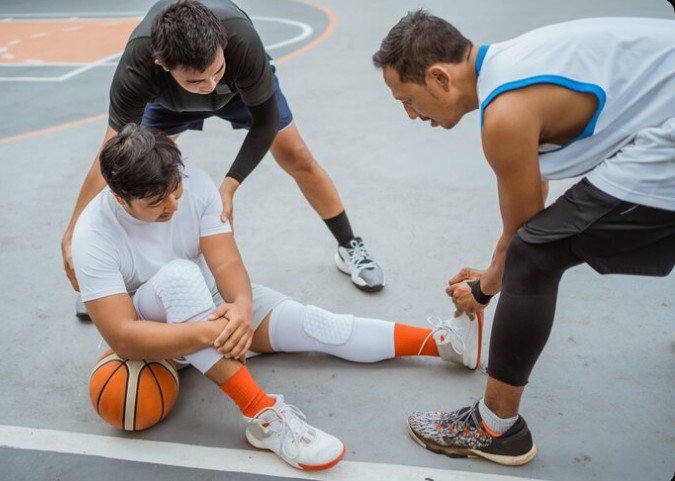
Sports and physical activities are important for staying active and healthy, but injuries can happen during training, competition, exercise, or even routine workouts. A Sports Injury Specialist in Gurugram can help diagnose and manage injuries involving the muscles, ligaments, tendons, bones, and joints. From ankle sprains and muscle strains to ACL tears and meniscus injuries, timely assessment can help patients understand the injury and choose an appropriate treatment plan.
Join our online community! Follow us on: https://www.youtube.com/@RoboticOrthodoc_Guruditta
Sports injuries do not affect only professional athletes. Runners, gym-goers, children, recreational players, and people who exercise regularly can also experience them. The right treatment depends on the type, severity, location, and cause of the injury.
What Is a Sports Injury?
A sports injury is damage to a body part caused by sports, exercise, physical activity, or repetitive movement. Some injuries occur suddenly after a fall, collision, twist, or awkward landing. Others develop gradually because a particular muscle, tendon, or joint is repeatedly placed under stress.
Common soft-tissue injuries include sprains, strains, bruises, tendinitis, and bursitis. They may be caused by either sudden trauma or overuse.
A Sports Injury Specialist in Gurugram evaluates the injury, identifies the structures involved, and recommends treatment according to the individual’s condition and activity goals.
1. Ankle Sprains
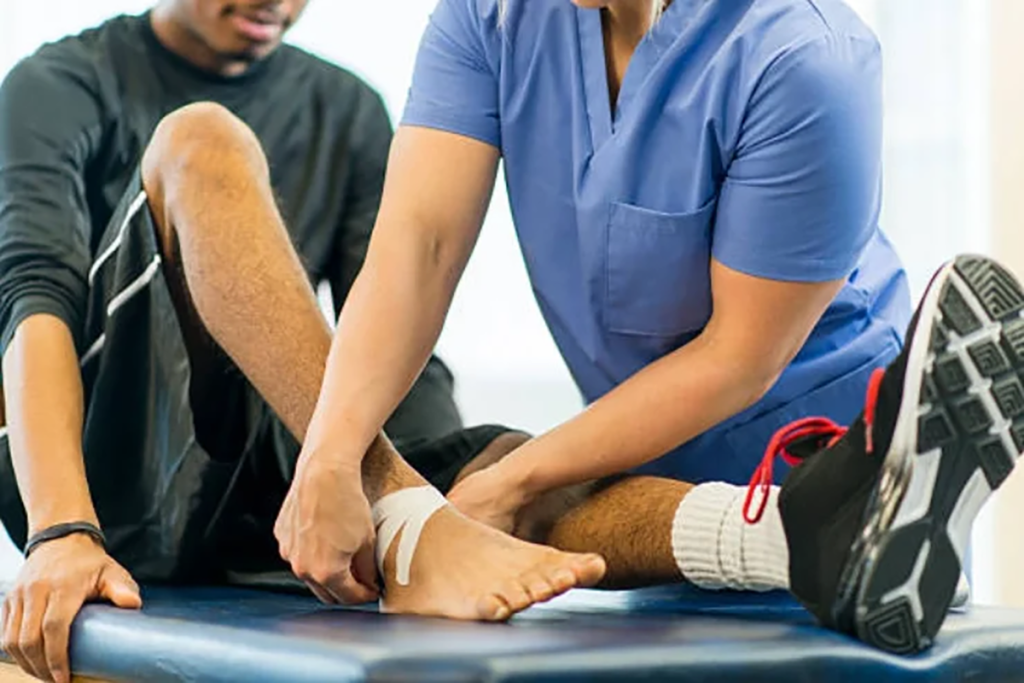
Ankle sprains are among the common injuries associated with sports and physical activities. They usually happen when the ankle twists or rolls unexpectedly, stretching or tearing the supporting ligaments.
An ankle sprain may cause:
- Pain around the ankle
- Swelling
- Bruising
- Difficulty walking
- Reduced ankle movement
- Tenderness around the injured area
Mild sprains may improve with conservative treatment, while more severe ligament injuries may require specialist assessment and structured rehabilitation.
2. Muscle Strains
A strain affects a muscle or tendon. It can occur when a muscle is stretched beyond its normal capacity or subjected to excessive force.
Hamstring and calf strains are particularly common in activities involving running, sprinting, jumping, or sudden changes in speed. Symptoms can include pain, swelling, weakness, muscle spasm, or difficulty using the affected muscle.
A Sports Injury Specialist in Gurugram can assess the severity of the strain and recommend appropriate rest, rehabilitation, physiotherapy, or further treatment when necessary.
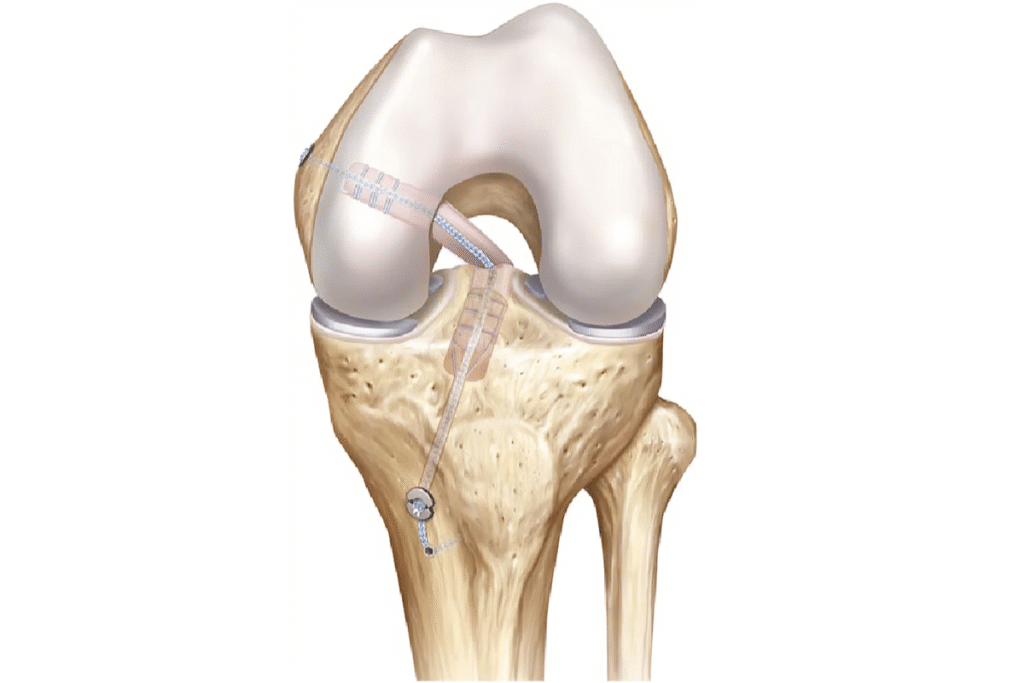
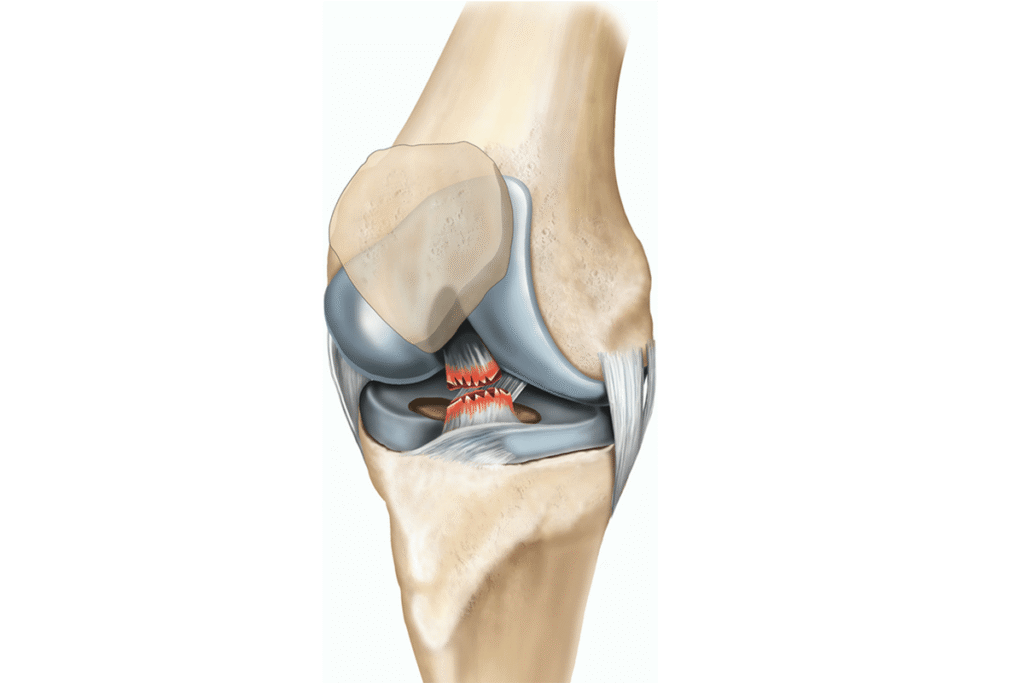
3. ACL Injuries
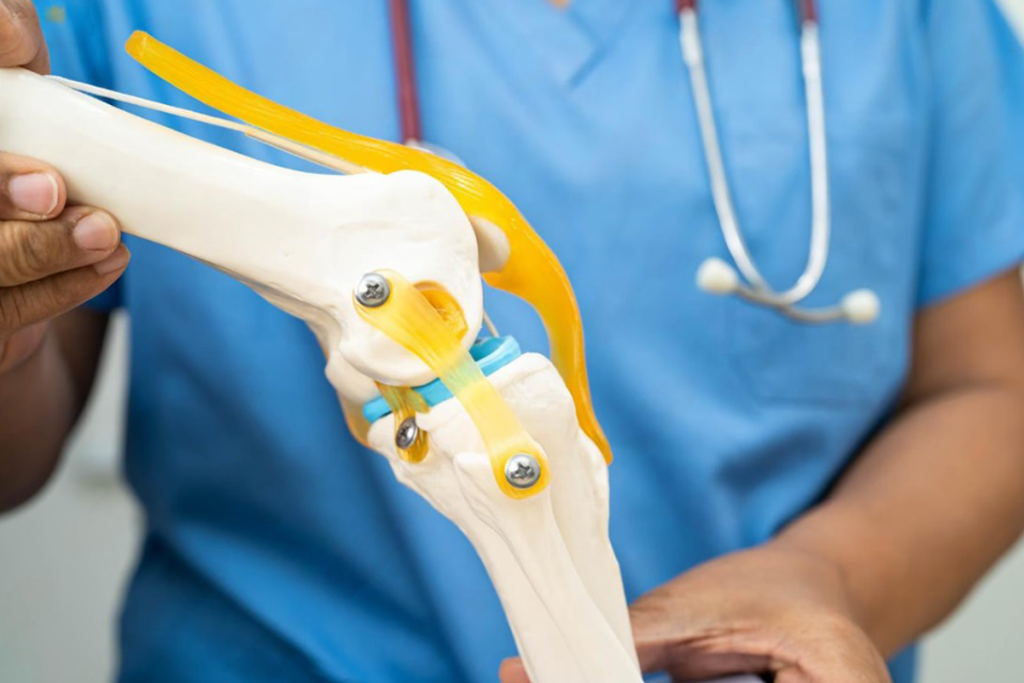
The anterior cruciate ligament, commonly known as the ACL, is an important ligament that helps stabilize the knee. ACL injuries frequently occur during activities involving sudden stopping, rapid changes in direction, pivoting, or incorrect landing after a jump.
A person with an ACL injury may experience:
- A popping sensation or sound
- Knee swelling
- Pain
- Reduced range of motion
- Knee instability or a feeling that the knee may give way
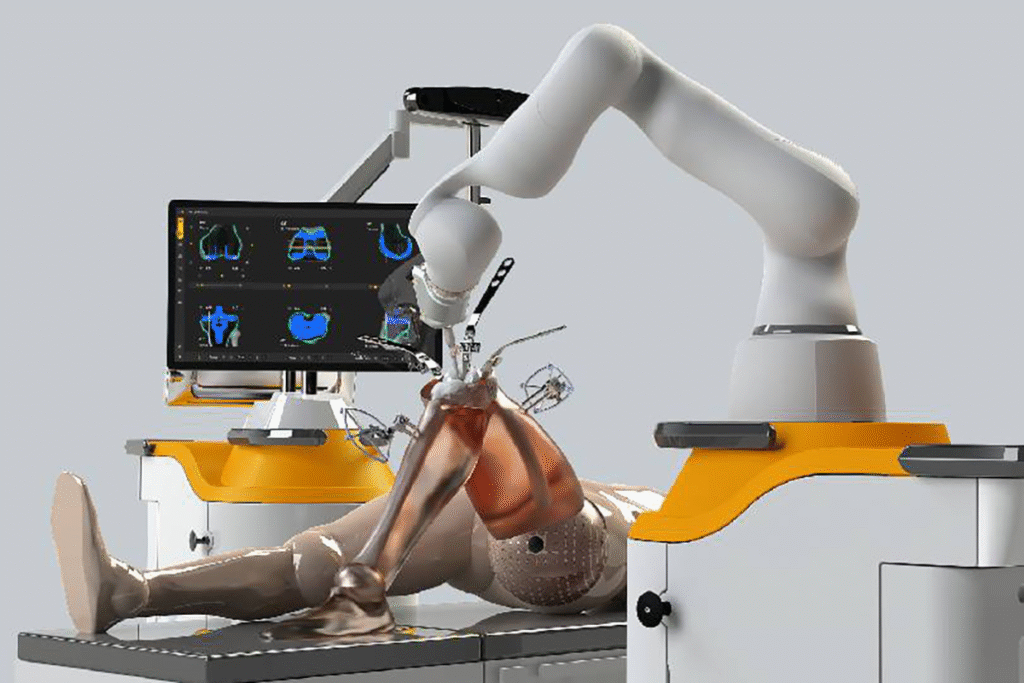
Treatment depends on factors such as the extent of the tear, associated injuries, activity level, and individual requirements. Active patients with significant instability may be considered for ACL reconstruction after appropriate evaluation.
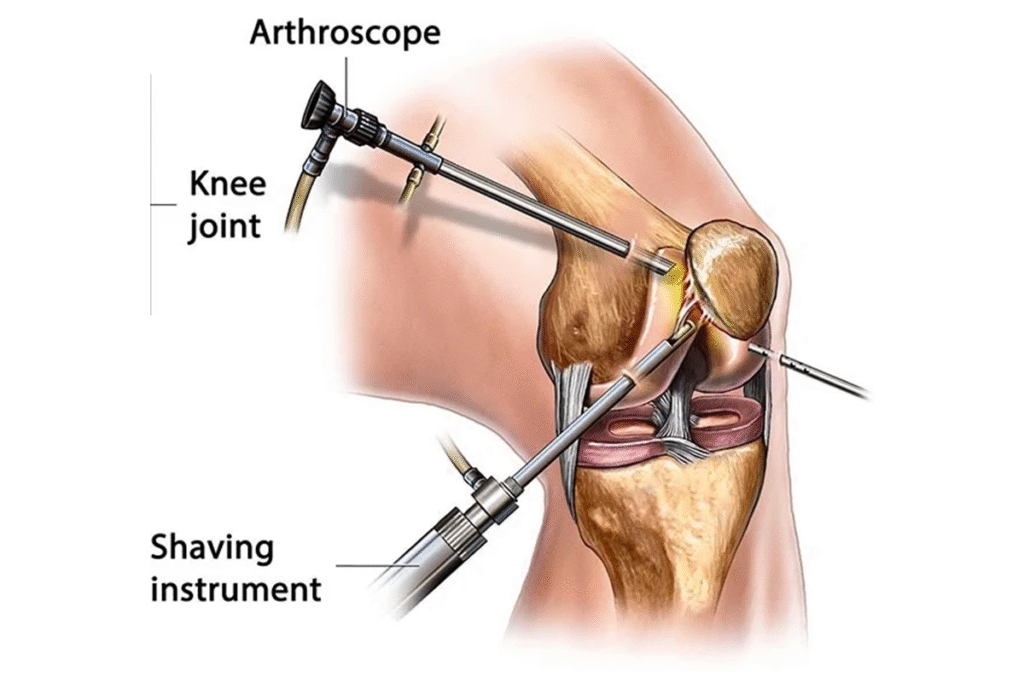
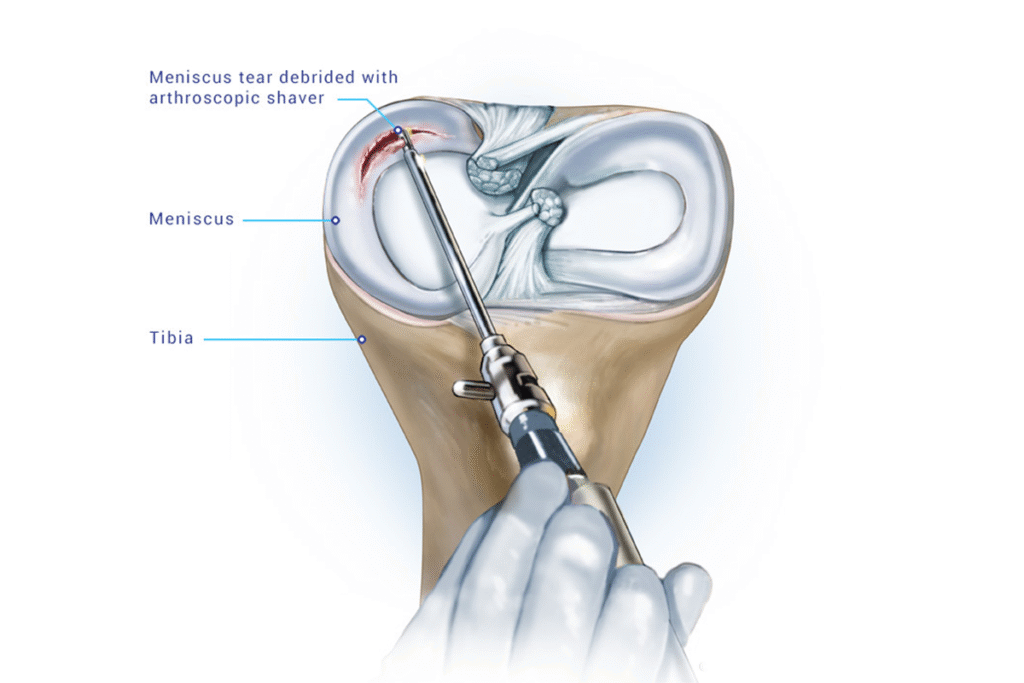
4. Meniscus Tears
The menisci are pieces of cartilage inside the knee that help with shock absorption, stability, and load distribution. A meniscus can tear when the knee twists or rotates, particularly during sports.
Common symptoms include knee pain, swelling, stiffness, clicking, catching, locking, or difficulty moving the knee fully.
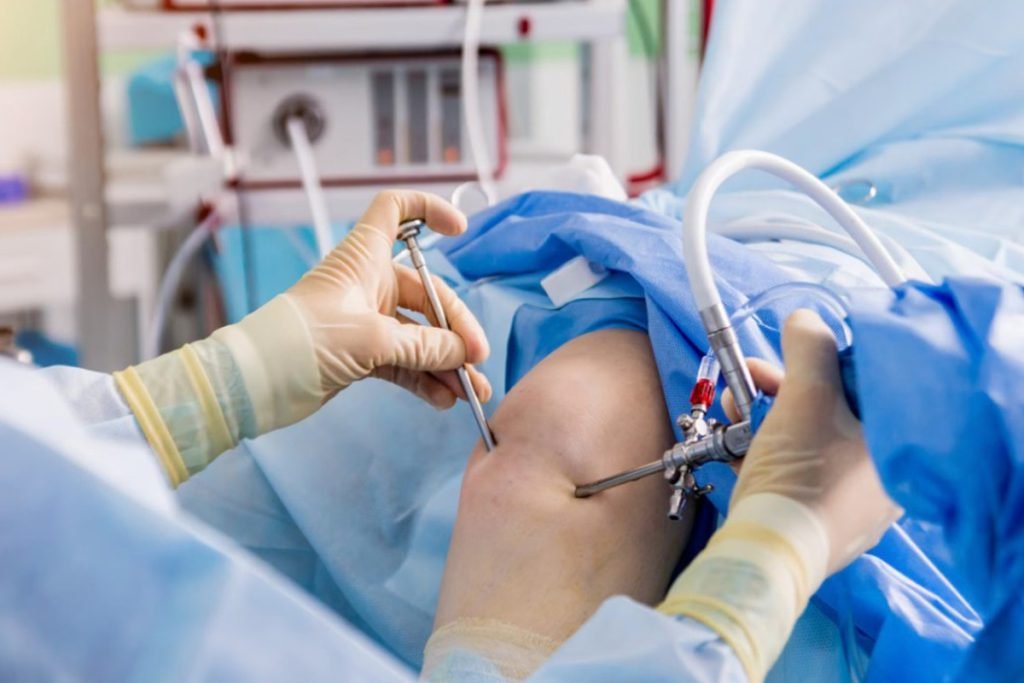
Treatment varies according to the location and type of tear, symptoms, activity level, and other knee problems. Some injuries can be managed without surgery, while certain tears may require arthroscopic treatment.
A Sports Injury Specialist in Gurugram can use clinical examination and, when appropriate, imaging such as MRI to understand the injury and develop a suitable treatment plan.
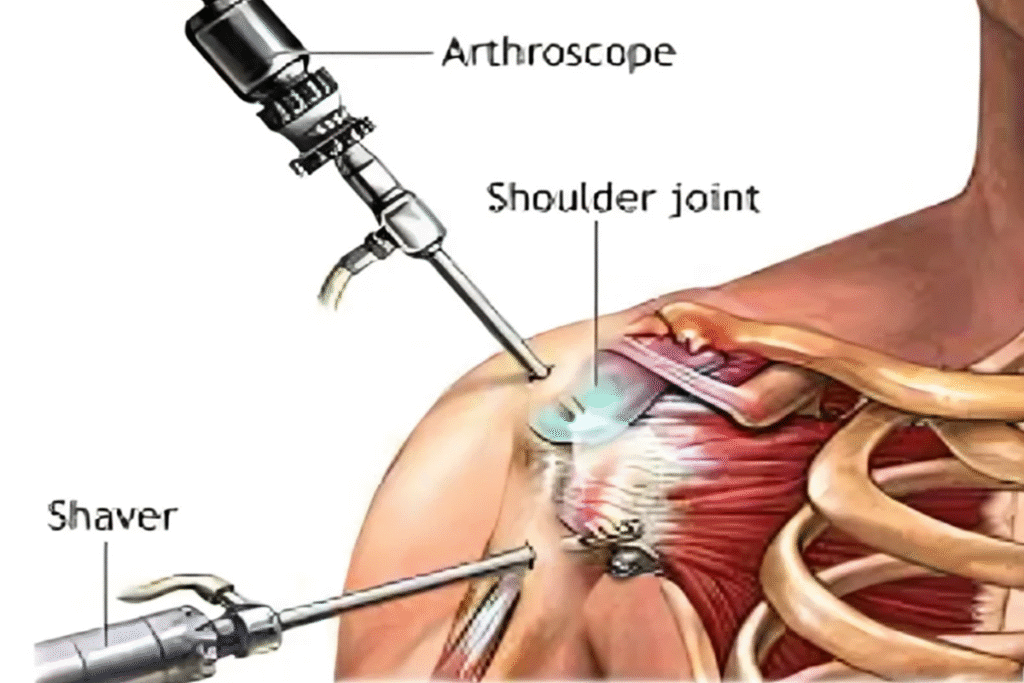
5. Shoulder Injuries
Sports that involve throwing, lifting, swimming, or repetitive overhead movements can place considerable stress on the shoulder.
Common sports-related shoulder problems include:
- Rotator cuff injuries
- Shoulder instability
- Tendon injuries
- Labral injuries
- Shoulder dislocations
Depending on the condition, treatment may include activity modification, medication, physiotherapy, rehabilitation, injections in selected cases, or arthroscopic surgery.
6. Knee Ligament Injuries
Apart from ACL injuries, athletes can experience injuries involving other knee ligaments, including the PCL, MCL, and LCL.
These injuries may occur because of sudden twisting, direct impact, awkward landings, or sports collisions. The severity can range from a mild ligament sprain to a complete tear.
A specialist assessment is important because ligament injuries can sometimes occur together with meniscus, cartilage, or other ligament damage.
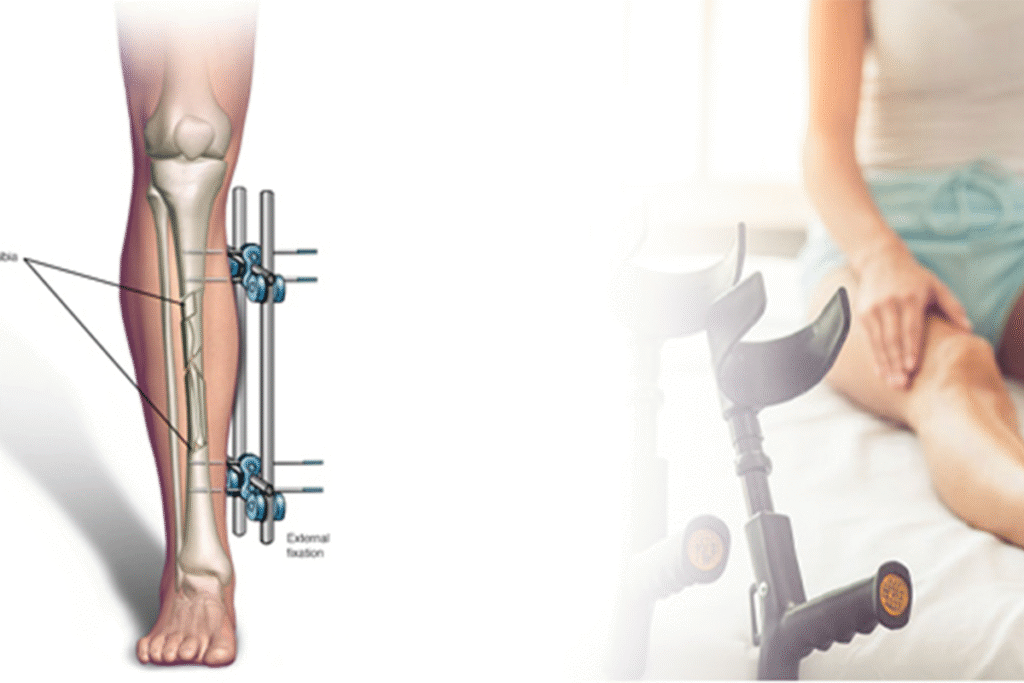
7. Stress Fractures
Stress fractures are small cracks in a bone that can develop because of repetitive loading. They are more likely to occur when training intensity increases rapidly or the body does not have enough time to recover.
Common symptoms include localized pain that becomes worse with activity and may improve with rest. Continuing intense activity despite persistent pain can potentially worsen the injury.
A Sports Injury Specialist in Gurugram can evaluate persistent pain and determine whether imaging or additional investigations are required.
How Are Sports Injuries Diagnosed?
Diagnosis usually begins with a detailed medical history and physical examination. The specialist may ask how the injury happened, when symptoms started, what activities increase pain, and whether swelling or instability is present.
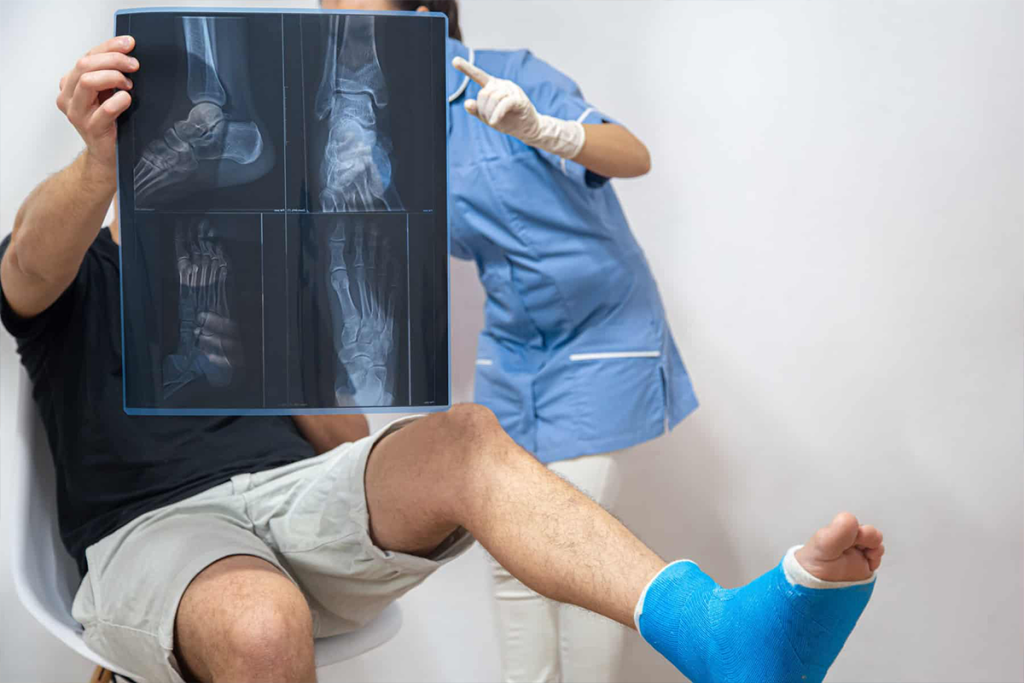
Depending on the suspected injury, investigations such as X-rays, ultrasound, or MRI may be recommended.
The goal is not simply to identify where the pain is located. It is to understand the underlying injury and determine an appropriate treatment strategy.
What Treatment Is Used for Sports Injuries?
Treatment depends on the injury and its severity. Many sports injuries can initially be managed with non-surgical methods such as:
- Rest and activity modification
- Ice or other symptom-relief measures
- Medication when medically appropriate
- Physiotherapy
- Strengthening exercises
- Flexibility and mobility training
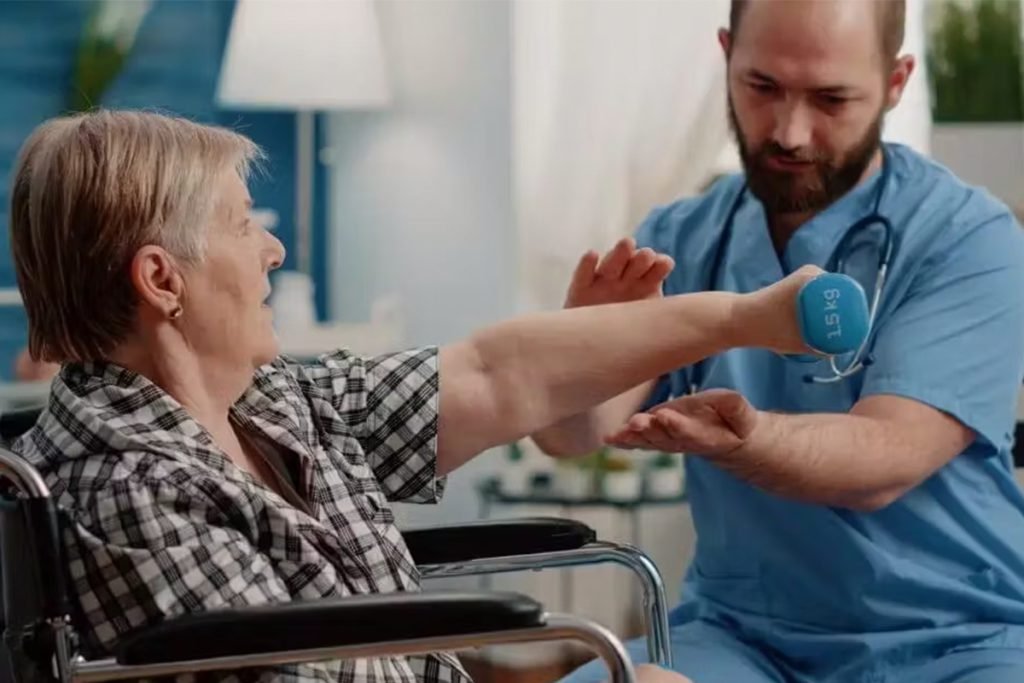
- Gradual return-to-sport rehabilitation
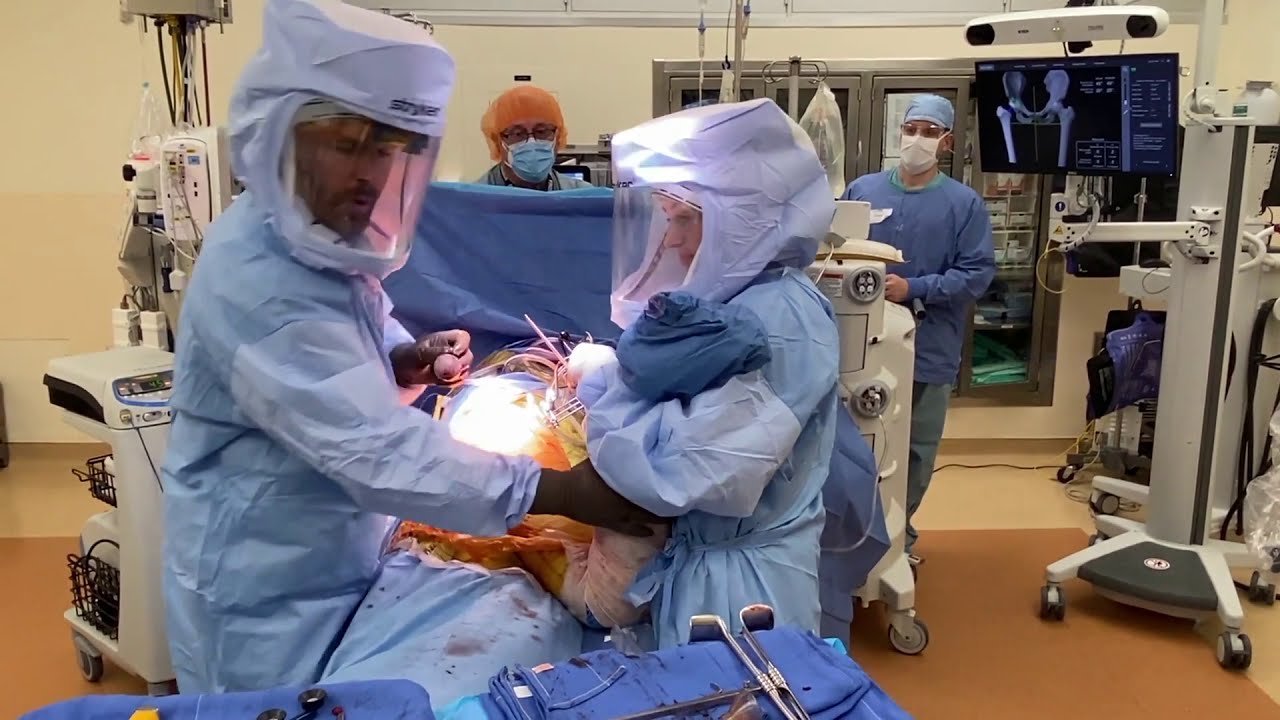
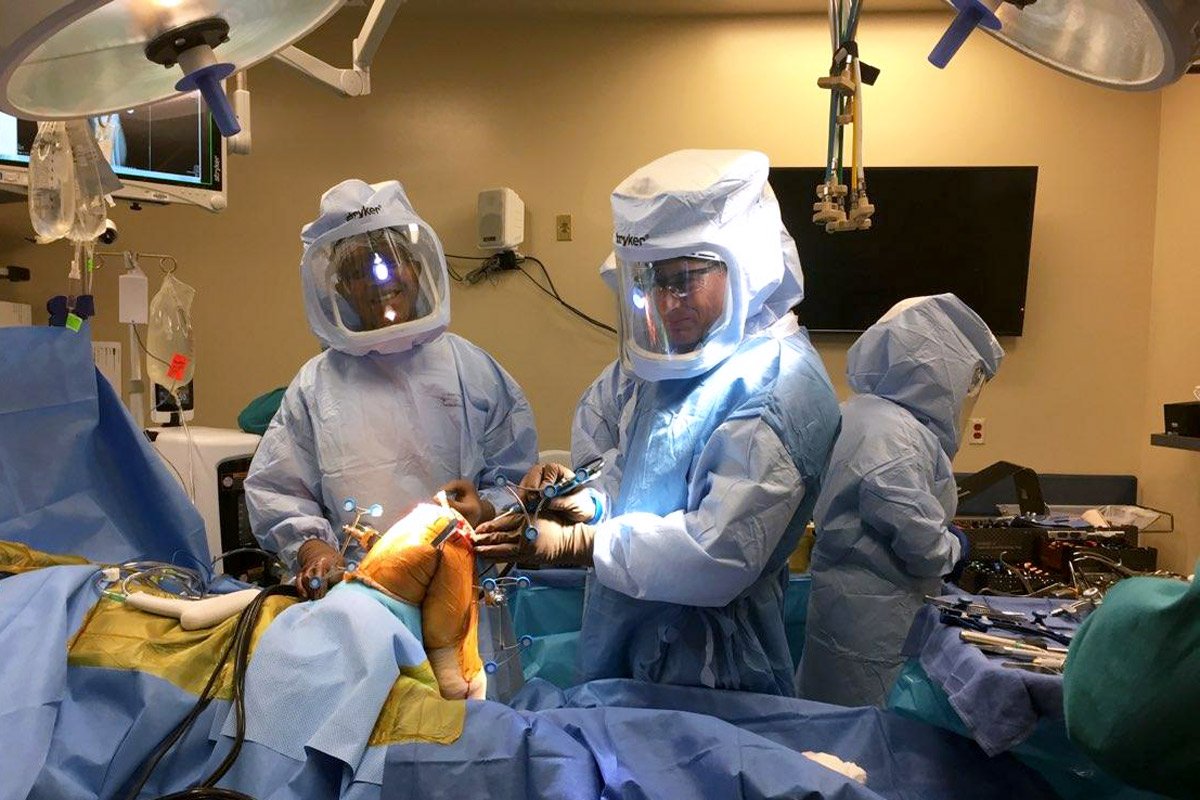
More significant injuries, including some ligament tears, cartilage injuries, fractures, or unstable joint injuries, may require surgical treatment.
The treatment approach should always be individualized rather than assuming that every sports injury requires surgery.
When Should You See a Sports Injury Specialist?
You should consider specialist evaluation if pain continues despite rest, swelling does not improve, the joint feels unstable, movement is restricted, or you cannot return to normal activities.
You should also seek medical assessment after a significant injury involving a fall, collision, sudden twisting movement, or suspected fracture.
Early evaluation can help identify the actual problem and guide an appropriate recovery plan.
Sports Injury Treatment in Gurugram
Choosing the right specialist can be important when an injury affects your ability to exercise, work, or participate in sports. Dr. Guruditta Khurana provides sports injury management, arthroscopy, ligament-related care, fracture treatment, and other orthopaedic services in Gurugram. The clinic’s listed services include ACL reconstruction, PCL reconstruction, meniscus repair, knee arthroscopy, and shoulder arthroscopy.
A Sports Injury Specialist in Gurugram can help active individuals understand their injury, explore suitable treatment options, and work toward a safe return to normal activities.
Conclusion
Sports injuries can range from minor muscle strains and ankle sprains to more complex ACL, meniscus, ligament, shoulder, and fracture injuries. The symptoms and treatment requirements can vary significantly from one person to another.
If pain, swelling, instability, or restricted movement continues after a sports injury, professional assessment can help determine the cause and appropriate next steps. With proper diagnosis, treatment, and rehabilitation, many people can gradually return to their desired level of physical activity.
Frequently Asked Questions
1. What does a Sports Injury Specialist treat?
A Sports Injury Specialist treats injuries related to sports and physical activity, including sprains, muscle strains, ligament injuries, ACL tears, meniscus injuries, fractures, and certain shoulder problems.
2. When should I see a Sports Injury Specialist for a sports injury?
You should consider an evaluation if you have persistent pain, significant swelling, joint instability, restricted movement, difficulty walking, or symptoms that do not improve with appropriate rest.
3. Do all sports injuries require surgery?
No. Many sports injuries can be treated with conservative measures such as activity modification, physiotherapy, rehabilitation, and medication when appropriate. Surgery may be considered for selected severe or unstable injuries.
4. How are ACL and meniscus injuries diagnosed?
Diagnosis generally involves a clinical examination and review of the injury mechanism and symptoms. Imaging such as MRI may be used when clinically appropriate to assess ligament, meniscus, cartilage, or other soft-tissue injuries.
5. How can I return to sports after an injury?
Return to sports should usually be gradual and based on recovery of strength, mobility, stability, coordination, and sport-specific function. A personalized rehabilitation programme can help guide the return-to-activity process.